Is Honolulu LGBTQ-friendly?
Honolulu rates 9/10 for LGBTQ friendliness. Hawaii legalized same-sex marriage in December 2013 and prohibits discrimination based on orientation and gender identity. The scene centers on Waikiki, where Hula's Bar and Lei Stand has anchored gay nightlife for decades. Same-sex couples walk Kalakaua Avenue without a second glance. Hawaiian culture's longstanding recognition of māhū deepens the acceptance beyond legal compliance.
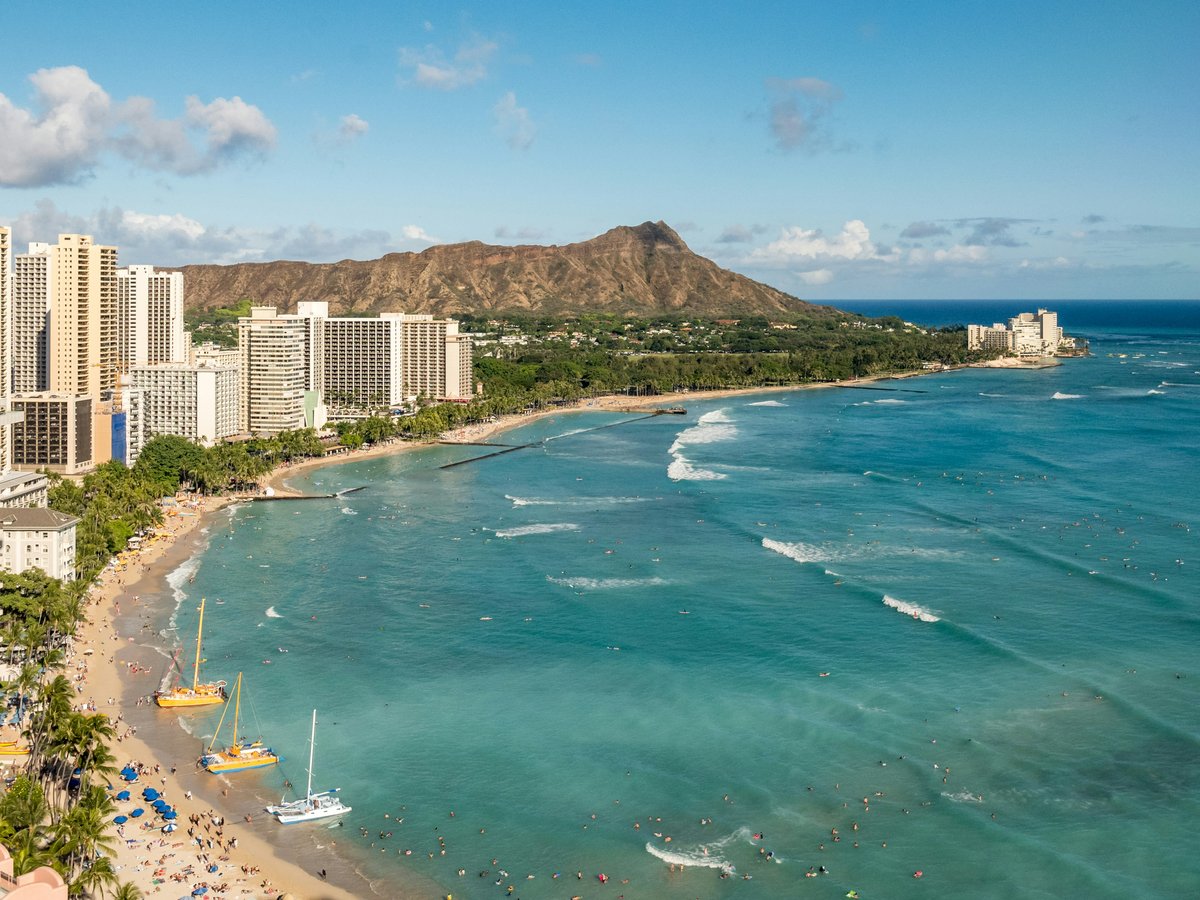
Hawaii holds a singular place in American LGBTQ history. The 1993 Baehr v. Lewin ruling was the first state court decision to find that denying same-sex couples marriage rights might violate equal protection. Massachusetts didn't act on that logic until 2003. Hawaii followed with civil unions in 2011 and full marriage equality in December 2013. State law prohibits discrimination based on sexual orientation and gender identity in employment, housing, and public accommodations. The legal framework is solid. The cultural layer matters more, though. Hawaiian and Polynesian cultures have long recognized māhū, people who embody both male and female spirit, as a natural part of community life. That recognition predates Western contact by centuries and still carries weight in modern Honolulu. You'll feel it in the casual ease of Waikiki, where same-sex couples walk arm-in-arm along Kalakaua Avenue from the Duke Kahanamoku statue toward Diamond Head without drawing a second look.
The LGBTQ scene concentrates in Waikiki, which works well since that's where most visitors stay. Hula's Bar and Lei Stand sits on the second floor of the Waikiki Grand Hotel at 134 Kapahulu Avenue, with an open-air lanai overlooking banyan trees and, past them, the Pacific. On a Friday at 10 p.m., warm salt-tinged air rolls through the open walls while the DJ plays loud enough to move to but not so loud you lose conversation. For a date night, grab the railing seats facing the water. Bacchus Waikiki on Kuhio Avenue runs quieter, more cocktail lounge than dance floor, good for a bourbon and an actual talk. Wang Chung's, also on Kuhio, does karaoke with a mixed crowd that loosens up after midnight. Honolulu Pride takes over Waikiki each October with a parade and festival drawing around 30,000. Outside of October, the scene is smaller than San Francisco or Los Angeles. But it runs year-round and the regulars are welcoming to visitors.
The practical upside for couples is that you don't need to find the 'gay neighborhood' to feel comfortable in Honolulu. The whole south shore defaults to relaxed acceptance. The Kaimana Beach Hotel sits at the quiet eastern end of Waikiki on Sans Souci Beach, and its ground-floor restaurant Hau Tree Lanai serves dinner under a canopy of hau trees dating to the 1880s. Evening air there carries plumeria and sea salt, and plates of ahi or mahi mahi run $32-42. It's a better romantic dinner than anything on the Kalakaua strip, without the performance of 'fine dining.' One geographic note. Waikiki, Kaimuki, Kakaako, and Chinatown are all comfortable for same-sex PDA. The North Shore towns like Hale'iwa and the Waianae Coast tend more conservative. Not hostile, but the easy hand-holding comfort of Kalakaua Avenue fades out there. For the most relaxed weekend as a visibly queer couple, stay south of the H-1.
Composite of legal status, social acceptance, and visible scene.
Legal status
Same-sex relations are legal
Same-sex relations are legal nationwide since Lawrence v. Texas in 2003 and marriage equality since Obergefell in 2015, reinforced by the Respect for Marriage Act. Anti-discrimination and gender-recognition rules vary significantly by state, so the experience differs between destinations.
Verified against equaldex.com and en.wikipedia.org .
The scene
The scene clusters in Waikiki. Hula's Bar and Lei Stand on the second floor of the Waikiki Grand Hotel at 134 Kapahulu Avenue is the anchor, with an open-air lanai and Pacific views. Bacchus Waikiki on Kuhio Avenue runs as a cocktail lounge. Wang Chung's on Kuhio does karaoke with a mixed late-night crowd. Honolulu Pride takes over Waikiki each October, drawing around 30,000.
Safety notes
Waikiki, Kaimuki, Kakaako, and Chinatown are comfortable for same-sex PDA. North Shore towns like Hale'iwa and the Waianae Coast tend more conservative. Not hostile, but the easy hand-holding comfort of Kalakaua Avenue fades. Stay on the south shore for the most relaxed experience as a visibly queer couple.
Last verified by automated review (v1.7.2) on . What is automated review?