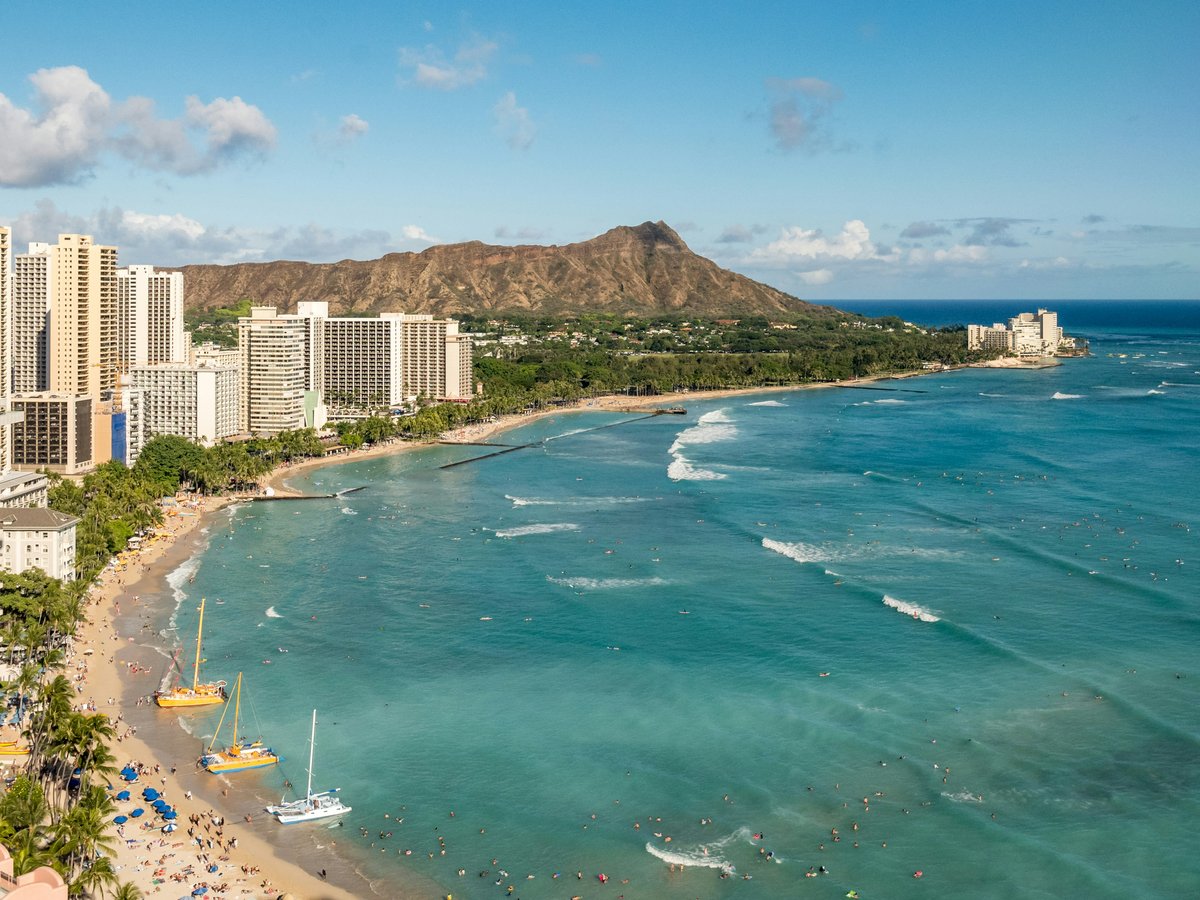
Honolulu's nightlife runs on island time, which means things start early and wind down earlier than you might expect if you're coming from New York or Los Angeles. Last call hits at 2 AM across most of Oahu, though a handful of spots with cabaret licenses keep pouring until 4 AM. The drinking age is 21, and bars here tend to check IDs more consistently than on the mainland. Locals typically head out around 9 PM on weekends, and the after-work pau hana crowd fills outdoor patios by 5 PM on Fridays. You'll notice the dress code leans casual almost everywhere. Tank tops, shorts, and slippers (that's flip-flops to visitors) are normal at most neighborhood bars, though a few Waikiki hotel lounges and Chinatown cocktail spots expect closed-toe shoes. The default drink order on this island is still a Mai Tai or a locally brewed lager, and the mood tends toward relaxed rather than aggressive. Honolulu is a military town, a college town, and a resort town all at once, so the crowd on any given Friday night is a genuine mix of off-duty servicemembers from Joint Base Pearl Harbor-Hickam, UH Manoa students, hotel workers unwinding after a shift, and tourists still sunburned from Waikiki Beach.
The Bar Scene in Honolulu
The cocktail bar wave reached Honolulu's Chinatown district around 2015, and the neighborhood still holds the island's densest concentration of serious drink-making. Within a few blocks along Hotel Street and Nuuanu Avenue, you'll find dimly lit rooms where bartenders work with fresh lilikoi, guava, and coconut water alongside the usual bitters-and-rye canon. The tiki bar tradition runs deeper here than almost anywhere else in the United States. Hawaii helped birth the tiki movement in the mid-20th century, and several Waikiki hotel bars still serve their Mai Tais in ceramic mugs with paper umbrellas. These spots tend to be tourist-heavy but not without charm. The sugar and rum hit differently when you're drinking 20 feet from the Pacific. Dive bars are scattered across Kaimuki, Kapahulu, and parts of Kalihi. They tend to be cash-friendly, dimly lit, and populated by regulars who've been sitting on the same stools for years. Expect cheap domestic beers and a jukebox that leans toward classic rock and Hawaiian music. The vibe is warm but not performative. Nobody's trying to impress anyone. Waikiki's hotel bars are their own category entirely. The big resorts along Kalakaua Avenue run poolside and beachfront lounges where cocktails carry a resort-level markup. What you're paying for is the view and the breeze. Rooftop bars have appeared in Waikiki's newer hotel developments over the past several years, offering views toward Diamond Head or across the Ala Wai Canal. Worth noting that Honolulu doesn't have a deep wine bar culture. A few spots in Kakaako and Chinatown pour interesting lists, but this is fundamentally a beer-and-cocktail island. Kona Brewing and Maui Brewing are the local craft standards, and you'll see their taps at nearly every bar on Oahu.
Clubs and Dancing in Honolulu
Honolulu's club scene is concentrated along Kuhio Avenue in Waikiki, with a few spots scattered into Chinatown and Ala Moana. The music tends toward Top 40, hip-hop, and EDM, though you'll find reggae and dancehall nights at certain venues, particularly those that draw the local Polynesian and Pacific Islander crowd. Cover charges vary by venue and night, and some spots waive cover before 11 PM or for women on certain nights. Dress codes exist but sit well below mainland standards. Most Waikiki clubs ask for no slippers, no tank tops for men, and no beach wear. Collared shirts are rarely required. Chinatown spots tend to be even more relaxed. The peak window on Friday and Saturday nights is 11 PM to 1:30 AM, which feels compressed if you're used to cities where things build until 3 or 4 AM. The 2 AM last call forces an early crescendo. The crowd skews young, generally 21-30, with a heavy military presence on weekends. Thursday nights tend to be the unofficial going-out night for the UH Manoa student population. To be fair, Honolulu's club scene is modest compared to cities of similar size on the mainland. There are maybe 8-10 proper nightclubs operating at any given time, and the lineup shifts every couple of years as leases turn over and new concepts replace old ones. The island's late-night energy concentrates rather than sprawls, which means a busy night packs 200-300 people into a single room rather than spreading across dozens of options.
Live Music After Dark
Hawaiian music is not background noise here. It's the living soundtrack of the islands, and you can hear it performed live on any night of the week. Slack-key guitar, steel guitar, and ukulele trios play regularly at hotel lobbies and beachside restaurants along Waikiki, typically starting around 6 PM and wrapping by 9 PM. These sets tend to be older musicians with decades of performance behind them. The sound is warm, unhurried, and surprisingly complex if you pay attention to the fingerpicking. For contemporary local acts, Chinatown's bar venues host indie rock, punk, and hip-hop shows, usually on Friday and Saturday nights starting around 9 or 10 PM. Cover for these shows is generally modest, often comparable to what you'd pay at a small mainland venue. Reggae has deep roots on Oahu. Local reggae acts draw loyal crowds, particularly at outdoor venues and beach parks during weekend afternoon events that sometimes stretch into the evening. The annual Reggae on the Rocks events and similar outdoor concerts pull several thousand attendees. Jazz appears mostly in restaurant settings, with a few Waikiki and Chinatown spots running weekly jazz nights, often on Wednesdays or Thursdays. The scene is small but consistent. Mind you, Honolulu is not a late-night live music city in the way Austin or Nashville might be. Most live sets wrap by midnight, and the emphasis falls on the 7-10 PM window more than the post-midnight hours. The Waikiki Shell, an outdoor amphitheater at the edge of Kapiolani Park, hosts larger touring acts and local headliners with a capacity of around 2,400 seated and additional lawn space.
Nightlife neighborhoods
-
Waikiki
Tourist-heavy but undeniably convenient, with hotel bars, beachfront lounges, and the densest cluster of nightclubs on Oahu packed into a roughly 1-mile strip between Kalakaua and Kuhio Avenues.
- Best for
- Visitors who want everything walkable, hotel-bar hopping on weeknights, and club nights on Fridays and Saturdays.
- Standouts
- The hotel bars along Kalakaua Avenue, the club strip on Kuhio Avenue, and beachside sunset drink spots near the Royal Hawaiian stretch.
-
Chinatown
Honolulu's most interesting after-dark neighborhood. The blocks around Hotel Street and Nuuanu Avenue hold craft cocktail bars, dive bars, art gallery pop-ups, and small live music venues within a 10-minute walk of each other. The architecture is old Honolulu, low-rise storefronts with neon signs, and the crowd tilts local and creative.
- Best for
- Cocktail lovers, bar-hoppers who want variety on foot, and anyone looking for a less tourist-saturated evening out. Friday nights are the peak.
- Standouts
- The cluster of bars along Hotel Street between Nuuanu and Smith Street is the core circuit. First Friday Honolulu gallery walks bring extra foot traffic on the first Friday of each month.
-
Kakaako
A formerly industrial neighborhood between Ala Moana and downtown that has been redeveloped with condos, breweries, and restaurants over the past decade. The nightlife here is more dinner-and-drinks than late-night, with taprooms and brewpubs drawing a 25-40 crowd who want good food alongside their beer. Street murals from the annual POW! WOW! Hawaii festival cover warehouse walls throughout the area.
- Best for
- Craft beer fans, the dinner-to-drinks crowd, and anyone who wants a more residential, less chaotic evening than Waikiki or Chinatown offer.
- Standouts
- The brewpubs and taprooms clustered near Cooke Street and Coral Street are the anchors. SALT at Our Kakaako is a mixed-use development with several restaurant and bar tenants.
-
Kaimuki
A quiet residential neighborhood along Waialae Avenue with a handful of restaurants and bars that draw a loyal local following. The energy is neighborhood-pub calm, not destination nightlife. You'll hear conversations over the music, not the other way around. The strip sits in the shadow of Diamond Head and feels miles from Waikiki despite being a short drive away.
- Best for
- Locals and visitors who want a mellow weeknight drink, a good meal first, and a neighborhood feel without tourists.
- Standouts
- The restaurants and bars along Waialae Avenue between 9th and 12th Avenues make up the core stretch. The area is walkable once you're there, though most people drive or rideshare from Waikiki.
Safety after dark
Honolulu is generally safe after dark, but standard urban precautions apply. Stick to well-lit streets in Waikiki and Chinatown, and avoid wandering into Chinatown's quieter side streets alone late at night. Rideshare apps operate throughout the city, and taxis queue outside the larger Waikiki hotels. TheBus stops running most routes by midnight, so plan your ride home before you go out. Drink spiking happens here as it does anywhere. Keep your drink in hand. The walk from Chinatown back to Waikiki is about 2 miles and passes through some poorly lit stretches, so a rideshare is the better call after midnight. If you're near the beach at night, watch for uneven sidewalks and low seawalls. Ala Moana Beach Park and Waikiki Beach are popular spots but can attract petty theft after dark, so leave valuables locked up.
Practical tips
- Pau Hana
- The local happy hour tradition, pau hana (literally "finished work" in Hawaiian), runs roughly 4-7 PM at most bars and restaurants. It's the best window for deals on drinks and appetizers, and the atmosphere tends to be more relaxed than the late-night crowd.
- Cash and Cards
- Most Waikiki and Chinatown bars accept cards, but some of the older dive bars in Kaimuki and Kalihi are cash-only or have minimum card purchase requirements. Carrying some cash is still a good habit on Oahu.
- Rideshare Timing
- Lyft and Uber operate in Honolulu, but surge pricing kicks in hard around 1:30-2 AM when the bars close on weekends. Leaving 15-20 minutes before last call can save you a significant wait and fare spike.
- Dress Code
- Waikiki clubs enforce a loose dress code. No slippers, no tank tops for men, no swimwear. Chinatown bars are more relaxed. For hotel lounges, closed-toe shoes and a collared shirt won't hurt, though they're rarely required.
- Noise and Neighbors
- Honolulu has strict noise ordinances, and many bars and clubs in residential-adjacent areas like Kaimuki and Kakaako close by midnight. Waikiki and Chinatown are the neighborhoods where you'll find anything open past that hour.
FAQ
What time do bars close in Honolulu?
Most bars on Oahu close at 2 AM under standard liquor licenses. A small number of venues with cabaret licenses can serve until 4 AM, though these are limited and tend to be concentrated in Waikiki. Last call typically happens 15-30 minutes before closing.
Is Honolulu's nightlife walkable?
Within Waikiki and within Chinatown, yes. Both neighborhoods pack their bars and clubs close enough to walk between them. Getting from Waikiki to Chinatown is about 2 miles, which most people cover by rideshare or taxi rather than on foot, especially late at night.
What is the drinking age in Hawaii?
The legal drinking age in Hawaii is 21, the same as every other US state. Bars and clubs in Honolulu tend to check IDs consistently, and many Waikiki venues scan IDs electronically. Bring a valid government-issued photo ID.
Are there any after-hours spots in Honolulu?
Honolulu has a limited number of venues with cabaret licenses that serve until 4 AM. Beyond that, late-night food options like Zippy's restaurants, which operate 24 hours at several Oahu locations, become the de facto gathering spots after bars close. True after-hours clubs in the mainland sense are rare here.
What should I wear to go out in Honolulu?
Honolulu's nightlife dress code is casual by mainland standards. Most bars accept shorts, sandals, and casual wear. Waikiki nightclubs typically require closed-toe shoes and prohibit tank tops for men and swimwear. Chinatown cocktail bars and hotel lounges lean slightly dressier but rarely enforce strict codes.
Last verified by automated review (v1.7.2) on . What is automated review?