What's the food culture in Cancun?
Cancun splits into two food cities. The Hotel Zone serves $30 fajita platters to tourists. Downtown, a 20-minute cab ride west, is where nearly 900,000 residents eat Yucatecan cochinita pibil, poc chuc, and lime-soaked ceviche at taco-stand prices. Cochinita tacos run 25-35 pesos at Mercado 23. Skip the Hotel Zone for meals.
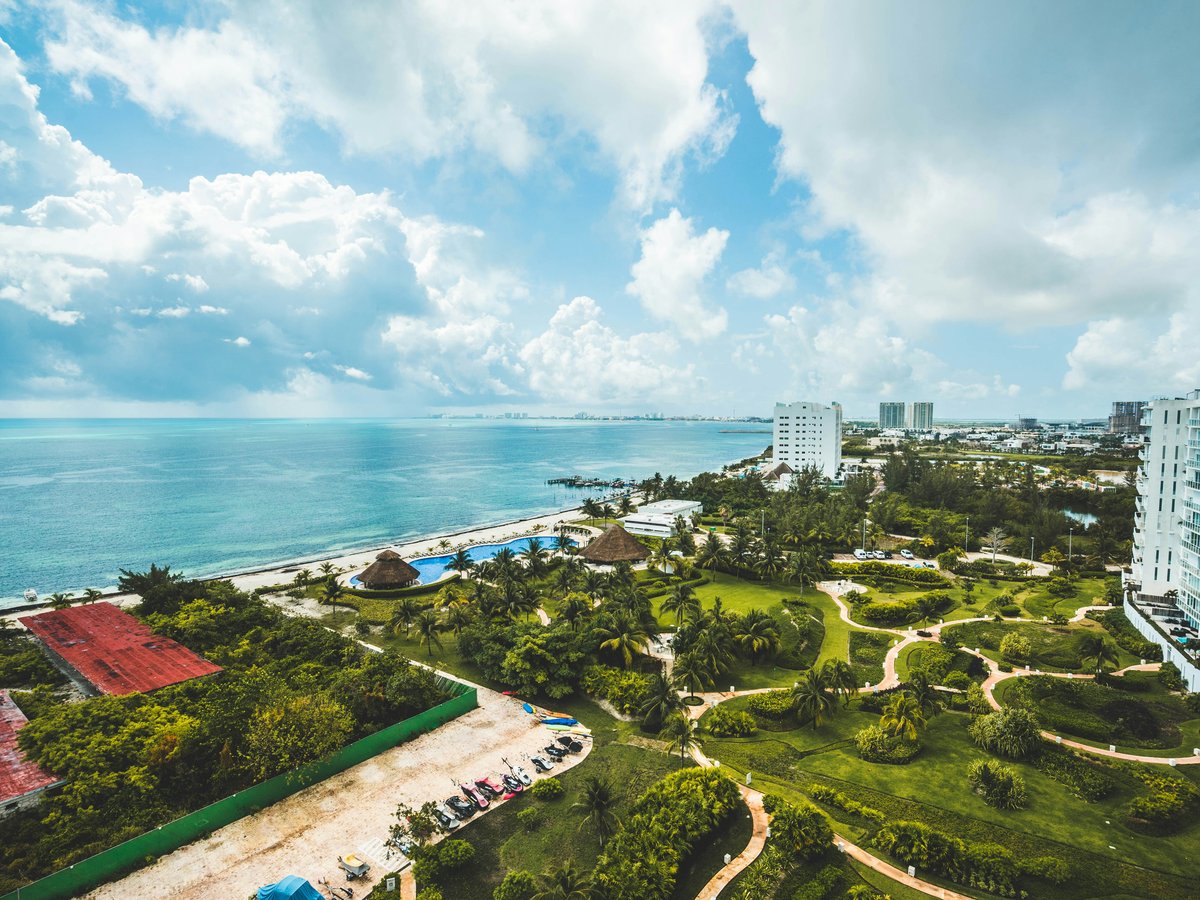
The Hotel Zone is a 23-kilometer sand strip between the Nichupté Lagoon and the Caribbean, and its restaurants tend to serve the kind of Mexican food that exists nowhere in Mexico. Fajita platters for $28-35 USD. Nachos with yellow cheese, 180 pesos. Downtown Cancun sits 20 minutes west by taxi (about 150 pesos, roughly $8.65 USD at 17.34 MXN per dollar), and it runs on Yucatecan cooking, not the Tex-Mex pantomime along Boulevard Kukulcán. That gap matters more here than in almost any other Mexican beach city. The Yucatán peninsula developed its cuisine in relative isolation from central Mexico for centuries, and you'll taste it immediately. There's more achiote, more sour orange, more habanero, more slow-roasted pork in the Avenida Tulum taquerías. The flavor profile is closer to Mérida, 320 kilometers southwest, than to Mexico City.
Cochinita pibil is the dish you'll eat most. Pork shoulder rubbed with achiote paste and bitter orange juice, wrapped in banana leaves, and pit-roasted for 8-12 hours until the fat renders completely into the meat. The achiote stains everything burnt orange. You smell it 10 meters before you see the stall, a warm, peppery sweetness cut with citrus. Poc chuc takes a thinner cut of pork, marinates it in sour orange and garlic, and chars it on a flat grill until the edges crisp. Salbutes are puffed fried tortillas topped with shredded turkey or chicken, pickled red onion, and avocado slices. Panuchos look similar but have black-bean paste packed inside the tortilla before frying, which makes them denser and, to be fair, more satisfying. Papadzules appear on sit-down menus more often than at street carts. Hard-boiled eggs wrapped in corn tortillas, covered in a green pumpkin-seed sauce with a film of tomato-habanero oil on top. The sauce tastes nutty and faintly bitter.
Mercado 23 on Avenida Xel-Há is the market where locals buy produce and eat breakfast. It is not designed for visitors, which is the point. The cochinita pibil stalls inside open by 6:30am and tend to sell out before noon. Tortillas come from the tortillería near the market's north entrance, still warm, sold by the kilo for about 25 pesos. Mercado 28, the one most guidebooks mention, caters to cruise-ship day-trippers and prices its food accordingly. You can eat there, but you'll pay 3x for the same salbutes. For sit-down Yucatecan plates, La Habichuela on Calle Margaritas has been serving papadzules and poc chuc since the late 1970s at 200-400 pesos per plate. Tacos Rigo on Avenida Cobá is the late-night anchor, open until 3am, packed with taxi drivers and nightclub staff between shifts. Four tacos and a horchata there runs about 140 pesos.
Cancun's ceviche runs on a morning-catch rhythm. Boats land at Puerto Juárez, the ferry terminal for Isla Mujeres, by 7am. The ceviche stands nearby sell shrimp and octopus ceviche in styrofoam cups for 70-100 pesos, dressed in lime, habanero, and raw red onion. The texture is firm, almost snappy, nothing like the silky ceviches you might get in Lima. Tikin xic is the other essential fish preparation. A whole red snapper or grouper gets rubbed with recado rojo (achiote, oregano, cumin, black pepper), wrapped in banana leaf, and grilled slowly until the skin chars and pulls away from the flesh. It arrives at the table still in the leaf. Mind you, the Lebanese immigration to the Yucatán in the early 1900s left a mark on the food here that most visitors miss. Kibis, the local version of kibbeh, are ground beef and bulgur wheat fried into oval fritters, sold at bakeries and lunch counters for 20-25 pesos each. You might walk past them thinking they're empanadas. They're not.
After 9pm, Parque de las Palenques fills with mobile food carts. Marquesitas, the Yucatecan street dessert, are thin crepes cooked on a cylindrical iron, filled with shredded Edam cheese (queso de bola, a Dutch colonial holdover) and Nutella or cajeta. They cost 30-50 pesos. The cheese pulls in long strings when you bite through the crisp shell, and the smoke from charcoal grills drifts across the park mixed with the sweetness of the cajeta. The food-safety concern most visitors have about Cancun street food is largely misplaced at high-turnover stands. If the cook makes your order from scratch and the line is 4-5 people deep, the ingredients haven't been sitting. The stands to avoid are the ones with no queue and pre-made items under heat lamps. Drink the agua de jamaica (hibiscus, 15-20 pesos) from the cart vendors. Skip the agua de coco from beach walkers with no visible refrigeration. The jamaica at Parque de las Palenques tends to run sweet, steeped until it's nearly purple.
Signature dishes
-
Cochinita pibil
Pork shoulder rubbed with achiote paste and sour orange, wrapped in banana leaves, pit-roasted 8-12 hours. Served in tacos or tortas from dawn stalls at Mercado 23 that tend to sell out by noon.
-
Tikin xic
Whole red snapper or grouper rubbed with recado rojo, wrapped in banana leaf, slow-grilled until the skin chars. The fish arrives at the table still in the leaf, flesh pulling from the bone.
-
Panuchos
Fried corn tortillas with black-bean paste pressed inside before frying, topped with shredded turkey, pickled red onion, and avocado. Denser and more satisfying than salbutes, 20-30 pesos at market stalls.
-
Salbutes
Puffed fried tortillas without the bean filling, topped with shredded chicken, pickled onion, tomato, and avocado. Lighter and crispier than panuchos. A Yucatecan snack sold at any hour, typically 15-25 pesos.
-
Poc chuc
Thin-cut pork marinated in sour orange juice and garlic, grilled on a flat iron until the edges char. Served with pickled onion, refried black beans, and handmade tortillas. Smoky and citrus-sharp.
-
Papadzules
Hard-boiled eggs in corn tortillas covered in green pumpkin-seed sauce with a film of tomato-habanero oil. Nutty, slightly bitter flavor. Pre-Hispanic Yucatecan dish, more common on sit-down menus than at street stalls.
-
Ceviche de camarón
Raw shrimp cured in lime juice with habanero, red onion, tomato, and cilantro. Served in styrofoam cups at market stalls near Puerto Juárez for 70-100 pesos. Firm texture, direct heat from the habanero.
-
Marquesitas
Thin crepes cooked on a cylindrical iron, filled with shredded Edam cheese and Nutella or cajeta. A Yucatecan street dessert sold from mobile carts after sundown, 30-50 pesos. The cheese melts and pulls in strings through the crisp shell.
-
Kibis
The Yucatecan take on Lebanese kibbeh. Ground beef and bulgur wheat shaped into oval fritters and fried. Sold at bakeries and lunch counters for 20-25 pesos. A legacy of early-1900s Lebanese immigration to the peninsula.
-
Sopa de lima
Shredded turkey or chicken in a citrus-tinged broth with fried tortilla strips and Yucatecan lima, a local citrus more aromatic than regular lime. Served as a starter at sit-down restaurants, 60-90 pesos. The broth tastes bright and clean.
Meal times
Breakfast runs 7-10am, often cochinita pibil from stalls that open at 6:30am. Comida (lunch) is the main meal, 1-3pm. Dinner 8-10pm tends to be lighter. Late-night taco stands appear around 10pm near Parque de las Palenques.
Tipping
10-15% at sit-down restaurants. Not expected at taco stands or market stalls. Some Hotel Zone restaurants add propina to the bill automatically. Check before doubling it.
Dietary notes
Yucatecan cooking leans on pork and lard. Vegetarian options exist (papadzules, bean panuchos) but are limited at traditional spots. Halal is functionally unavailable. Gluten-free is manageable since corn tortillas dominate. Beans are often cooked with manteca (lard), which catches vegans off guard.
Go deeper into Cancun
Cooking classes in Cancun
 Free cancellation
 Mexican Cooking Class with fresh Local Market ingredients selection and transpor
Cooking class — 4 hours, free cancellation.
via Viator Free cancellation
 Tasty Mexican Cooking Class with Feast in Riviera Maya
Cooking class — 6 hours, free cancellation.
via Viator Free cancellation
 Cancun Hands-On Mexican Cooking Class
Cooking class — 3.5 hours, free cancellation.
via Viator Free cancellation
 4h Cooking Class in Cancun with 8 Recipes & Bottomless Drinks
Cooking class — 4 hours, free cancellation.
via Viator Free cancellation
 Cancun small group Cooking Class with Local Chef
Cooking class — 3 hours, free cancellation.
via ViatorLast verified by automated review (v1.7.2) on June 22, 2026. What is automated review?