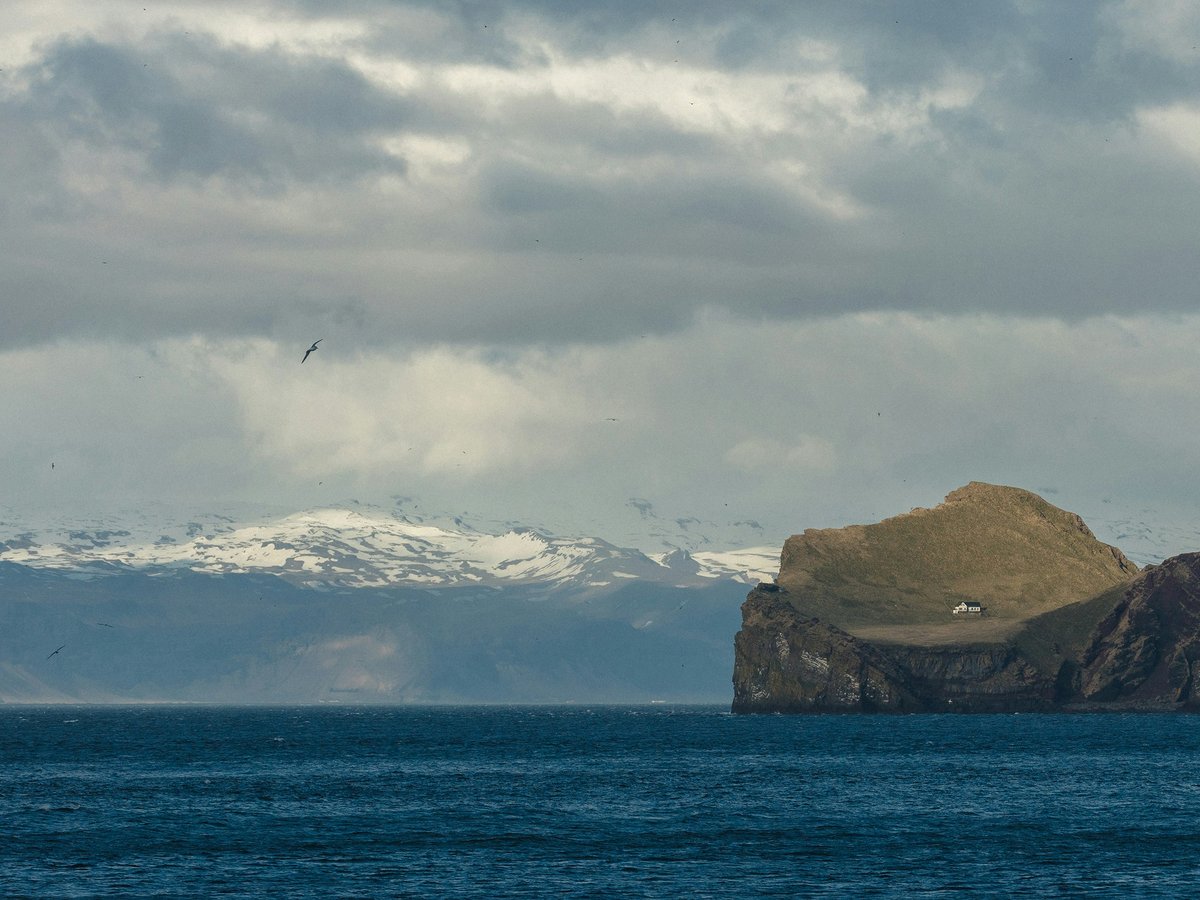
What should I avoid in Vestmannaeyjar?
Skip Stórhöfði headland in winds above 20 m/s, where gusts have knocked hikers off their feet. Don't book the Landeyjahöfn ferry without a backup plan. The harbor silts shut 30 to 40 days per year and reroutes to Þorlákshöfn, adding 2 hours. Avoid Þjóðhátíð weekend in early August unless you've booked months ahead.
The Herjólfur ferry from Landeyjahöfn looks simple on paper. A 35-minute crossing, around ISK 2,000 (~$16 USD) one way. The catch is Landeyjahöfn's harbor. Sand from the nearby Markarfljót glacial river builds up in the channel, and when Atlantic swells rise, the port closes. This happens 30 to 40 days per year, mostly between October and March, but sometimes in June too. The ferry reroutes to Þorlákshöfn, 90 km further east, which stretches the crossing to nearly 3 hours. You won't know until the morning of your trip. Check the Herjólfur schedule page before you drive south from Reykjavík. If timing matters, Eagle Air flies from Reykjavík domestic airport in about 20 minutes, though crosswind cancellations happen there too.
Vestmannaeyjar is one of the windiest inhabited places in the North Atlantic. Average wind speed runs around 8 m/s year-round, but gusts above 30 m/s hit Stórhöfði headland regularly. That headland is the main puffin-watching spot. The combination of 100-meter sea cliffs and no guardrails is real danger, not a signposted warning. At 15 m/s the wind feels like a firm shove against your chest. At 25 m/s it will stagger you. Stay low, keep off cliff edges, and grip the grass if a gust catches you. Today's temperature reads 10.2°C but feels like 5.4°C with wind chill. That's mid-June. Bring a proper windproof shell that seals at wrists and neck. Wool base layers handle the constant dampness, around 90% humidity most days, better than synthetic. A cotton hoodie will be soaked through and cold within 20 minutes.
Þjóðhátíð, the national festival in Herjólfsdalur valley, falls on the first weekend of August. It draws roughly 16,000 people to an island of 4,500. The valley fills with campfires, tent cities, and bass-heavy music that rattles windows in town until 4am. If you want puffins and quiet, come in late June or early July instead. The birds arrive around mid-April and leave by mid-August, so you still have weeks of overlap. Worth noting, don't walk off the marked paths near puffin colonies along Stórhöfði or the eastern cliffs. The burrows sit 50 to 80 cm below the turf, and a single footstep can collapse a nesting chamber. Every guesthouse on Heimaey books out 3 to 4 months before Þjóðhátíð, and the few Airbnb listings double or triple their nightly rates.
Heimaey has about 5 sit-down restaurants in summer, fewer from October through April. Slippurinn is the one most visitors target. It's a seasonal restaurant open roughly May through September in a converted machine shop by the harbor. A tasting menu runs around ISK 15,000 (~$120 USD), and it fills weeks ahead. For everyday meals, Gott near the harbor does solid fish and chips for around ISK 2,500 (~$20 USD). Stock up at the Krónan supermarket for breakfast supplies. The 1973 lava field on Heimaey's eastern slope looks walkable, but the jagged volcanic rock will chew through thin-soled shoes in an hour. Wear proper hiking boots. The lava still holds heat. Push your hand into a crevice near Eldfell's summit and you'll feel warmth at 150°C less than a meter below the surface, 53 years after the eruption.
Tourist traps to skip
- Stórhöfði headland cliffs in winds above 20 m/s
- The Landeyjahöfn ferry without checking harbor status first
- Þjóðhátíð weekend (first weekend of August) without pre-booked accommodation
- Walking off marked paths near puffin burrows on the clifftops
- The 1973 lava field in anything lighter than hiking boots
- Expecting restaurant variety outside May through September
Seasonal hazards
- Sustained winds above 20 m/s are common year-round, worst October through March. Stórhöfði headland regularly sees gusts above 30 m/s.
- Landeyjahöfn ferry harbor closes 30 to 40 days per year from sand accumulation, mostly in winter but occasionally in summer.
- Summer temperatures rarely exceed 13°C. Wind chill drops the perceived temperature 4 to 5°C below actual. Mid-June currently feels like 5.4°C.
- Fog and horizontal rain reduce cliff-path visibility with little warning. Conditions on Heimaey can shift within minutes.
Last verified by automated review (v1.7.2) on . What is automated review?