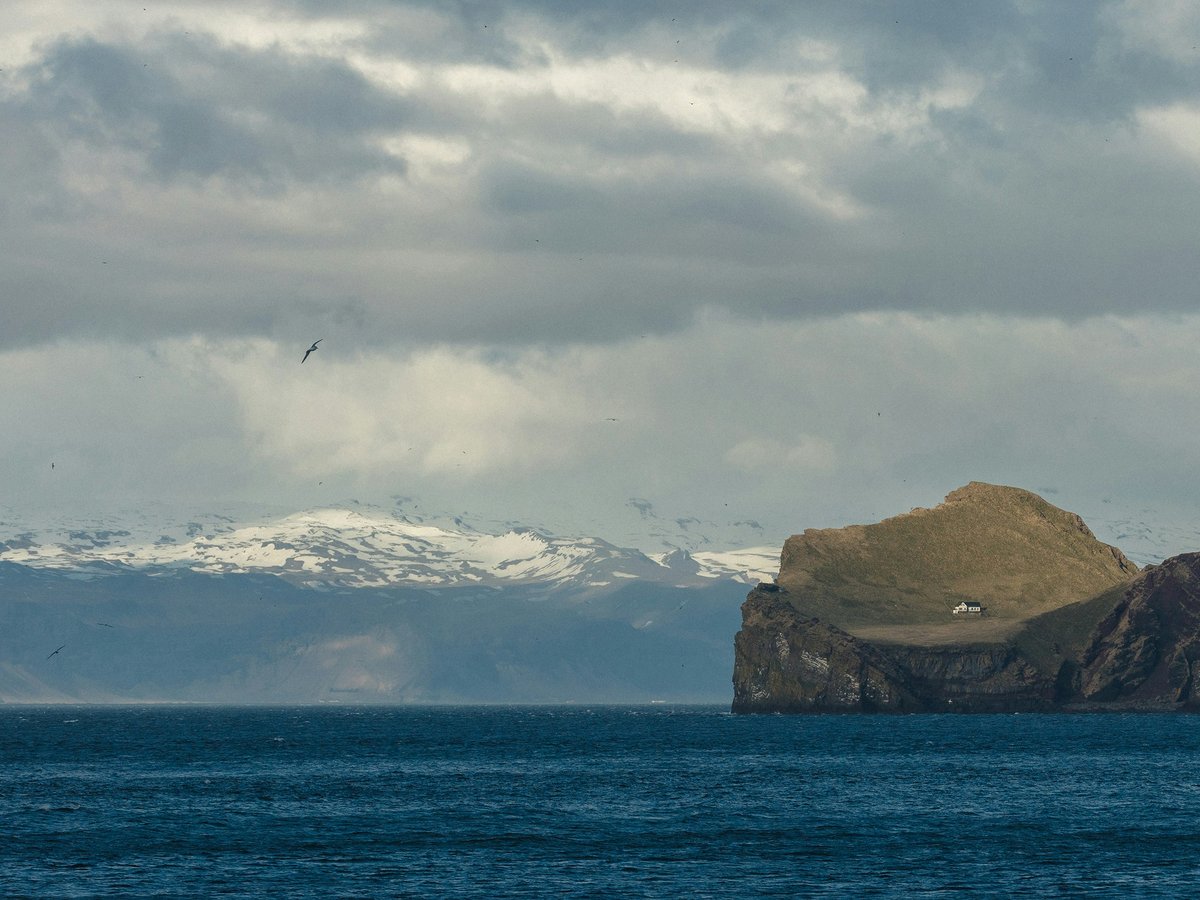
Vestmannaeyjar is not a shopping destination, and that's worth saying up front. This is a fishing town of roughly 4,500 people on Heimaey island, about 30 minutes by ferry from Landeyjahöfn. What you'll find here tends to reflect the place itself. Fish products, volcanic rock crafts shaped from Eldfell's 1973 lava fields, Icelandic wool in familiar lopapeysa patterns, and a handful of puffin-themed keepsakes that make sense given the archipelago's 8 to 10 million puffin population. The commercial center is compact enough to walk in 15 minutes. Most locals do their regular shopping at one or two grocery stores and a few service shops clustered along the main roads. You might notice the town feels quieter than even small mainland Icelandic villages, especially outside summer. That said, what's here is genuinely local, not imported souvenir-shop filler trucked in from Reykjavík warehouses.
Shopping districts
-
Heiðarvegur and Bárustigur town center
mid-range to high (Icelandic island pricing)The commercial core of Vestmannaeyjar runs along Heiðarvegur and branches into Bárustigur, where you'll find the town's grocery store, a bakery, a few clothing and outdoor shops, and the local pharmacy. It has the feel of a small Icelandic town center where everyone knows the cashier. The Krónan supermarket here is where most residents do their weekly shop, and it stocks a reasonable selection of Icelandic food products you can take home, including skyr, harðfiskur, and rúgbrauð. During summer months, a few more storefronts tend to open with tourist-facing goods, though the selection stays modest. The Eldheimar volcanic eruption museum sits near this area too, and its gift shop carries locally produced books and Eldfell lava crafts that you won't find replicated on the mainland.
Best for: Daily essentials, Icelandic food products, museum gift shop finds, and local bakery goods
-
Strandvegur harbor area
mid-rangeStrandvegur follows the waterfront near the fishing harbor, which still handles a significant share of Iceland's annual catch. The harbor area doesn't have shops in a traditional retail sense, but a couple of operations sell fresh and processed fish directly. You might find dried fish (harðfiskur) and smoked fish here, bought closer to the source than anywhere on the mainland. The Sæheimar aquarium and natural history museum nearby has a small shop with local wildlife books and puffin-related items. Worth noting, the harbor itself is worth walking through even without buying anything. Fishing boats stacked with nets, the smell of salt and diesel, gulls working the pylons. It gives you a sense of what drives the economy in a place like this.
Best for: Fresh and dried fish products, local natural history books, and getting a feel for the working harbor
Markets
-
Þjóðhátíð festival market stalls
festival and foodDuring the Þjóðhátíð national festival, held the first weekend of August in Herjólfsdalur valley, vendors set up stalls selling food, drinks, and some local crafts alongside the main festival grounds. The event draws around 15,000 to 17,000 people to an island that normally holds 4,500, so the atmosphere shifts completely. You'll find grilled lamb, kleinur pastries, and local fish dishes at the food stalls. Craft vendors tend to carry wool goods and volcanic rock pieces. To be fair, most people come for the bonfires, music, and fireworks rather than shopping, but the vendor scene is lively and concentrated in a way the town never is during the rest of the year.
First weekend of August (Saturday through Monday), annually since 1874
-
Seasonal community sales at Félagsheimilið
flea and communityThe community center in town occasionally hosts flea market days and seasonal sales, particularly around Christmas and in early summer. Locals bring handmade knitwear, second-hand books in Icelandic, household items, and sometimes homemade food like smoked fish or baked goods. These aren't scheduled with tourist convenience in mind, so you'll likely need to check locally or watch for posted flyers. The scale is small, maybe 10 to 20 tables, but the knitted goods at these sales tend to be priced well below what you'd pay at a Reykjavík tourist shop for comparable quality.
Irregular, typically a few times per year around holidays and early summer
Souvenirs worth bringing home
The most genuinely local thing you can bring home from Vestmannaeyjar is harðfiskur, the wind-dried fish that Icelanders eat with butter as a protein snack. It's lighter than you'd expect, travels well, and costs less here than in Reykjavík shops. Lava rock crafts made from Eldfell's 1973 eruption material are another solid pick. Some are shaped into small figurines or bookends, and they carry a specific provenance that generic Icelandic lava souvenirs don't. The Eldheimar museum gift shop is likely your best source for these. Lopapeysa wool sweaters appear in a few shops around town, though the selection is smaller than mainland stores. If you find a hand-knitted one at a community sale, it's worth considering. Mass-produced versions from Reykjavík factories sell for 15,000 to 25,000 ISK, while genuine hand-knitted pieces might run higher but hold up for decades. Puffin-themed items are everywhere in Icelandic tourism, but they feel less contrived here given that Vestmannaeyjar hosts one of Europe's largest Atlantic puffin colonies. A local natural history book about the archipelago's birdlife, picked up at Sæheimar, beats a stuffed puffin toy from a Laugavegur gift shop.
Practical tips
- Payment methods
- Iceland runs almost entirely on card payments, and Vestmannaeyjar is no exception. Visa and Mastercard work at every shop, restaurant, and even most of the festival stalls during Þjóðhátíð. You might need a PIN for chip cards at unmanned payment terminals. Carrying Icelandic króna in cash is fine but rarely necessary. Some older community sale vendors might prefer cash, though even that's becoming less common.
- VAT refund
- Iceland offers a VAT refund of up to 15% on purchases over 12,000 ISK (roughly 80 to 90 USD depending on exchange rates) made at participating shops. You'll need to ask for a tax-free form at the point of sale. The refund is processed at Keflavík Airport before departure, not on the island. Keep your receipts and the goods in accessible luggage. Worth noting, grocery purchases and food don't qualify, so this applies mainly to wool goods, crafts, and similar retail items.
- Opening hours
- Shop hours in Vestmannaeyjar tend to follow small-town Icelandic patterns. Most retail opens around 10:00 and closes by 17:00 or 18:00 on weekdays. Saturday hours are shorter, often 10:00 to 14:00 or 16:00. Sundays, most shops close entirely, though the Krónan grocery store may keep limited hours. During summer months, particularly June through August, some shops extend their hours modestly, but don't count on evening browsing.
- Bargaining
- Fixed prices are the norm everywhere in Iceland, including Vestmannaeyjar. Bargaining isn't part of the culture and attempting it will likely produce an awkward silence. The one mild exception is at community flea market tables where a private seller might round down a price on a used item, but even then it's low-key. Prices on the island tend to run 10 to 20 percent higher than Reykjavík for imported goods, owing to ferry freight costs. Locally produced items like dried fish can be cheaper here at the source.
- Getting purchases home
- If you're buying dried fish or smoked fish products, they travel well in checked luggage. Vacuum-sealed packages from the grocery store are the easiest option. Lava rock items can be heavy, so weigh that against your baggage allowance. For wool sweaters, compression bags save space. The Herjólfur ferry back to Landeyjahöfn takes about 35 minutes and doesn't have shopping facilities, so finish your buying on the island.
FAQ
Is there enough shopping in Vestmannaeyjar to fill a day?
Honestly, no. The town's retail is concentrated in a few blocks you can walk in under 20 minutes. If you add the Eldheimar museum gift shop and a wander through the harbor area, you might stretch it to an hour or two of browsing. Vestmannaeyjar's draw is the volcanic landscape, puffin colonies, and hiking, not retail. Treat shopping here as something you fold into a walking day, not a standalone activity.
Can I buy puffin meat in Vestmannaeyjar?
Puffin hunting has deep roots in Vestmannaeyjar, going back centuries. Smoked puffin has traditionally appeared on some local menus and occasionally at the grocery store. However, Atlantic puffin populations have declined in recent years, and hunting has been restricted or suspended in some seasons. Availability is uncertain and seasonal. If you do find it, the cultural context here is different from mainland tourist restaurants serving it as a novelty. Ask locally about the current season's status.
Are Reykjavík tourist shops cheaper than buying on the island?
It depends on the item. Generic Icelandic souvenirs, wool goods, and imported products are often 10 to 20 percent cheaper in Reykjavík due to larger supply chains and competition. But locally produced items like harðfiskur, Eldfell lava crafts, and hand-knitted pieces from community sales can be better value in Vestmannaeyjar, and they carry the provenance of coming from the place. A lopapeysa from a Reykjavík chain store and one knitted by someone on Heimaey are different objects.
What are the best local food products to bring back from Vestmannaeyjar?
Harðfiskur, the wind-dried fish, is the standout. It's a traditional Icelandic protein snack, and Vestmannaeyjar's fishing fleet means the local supply is fresh and well-priced. Smoked fish fillets, often available vacuum-sealed at Krónan, travel well. Rúgbrauð, the dense Icelandic rye bread, is another option, though it's heavier. Kleinur, the twisted fried pastries, don't keep as well but make a good ferry snack. Check customs regulations for your home country before packing fish products.
Last verified by automated review (v1.7.2) on . What is automated review?