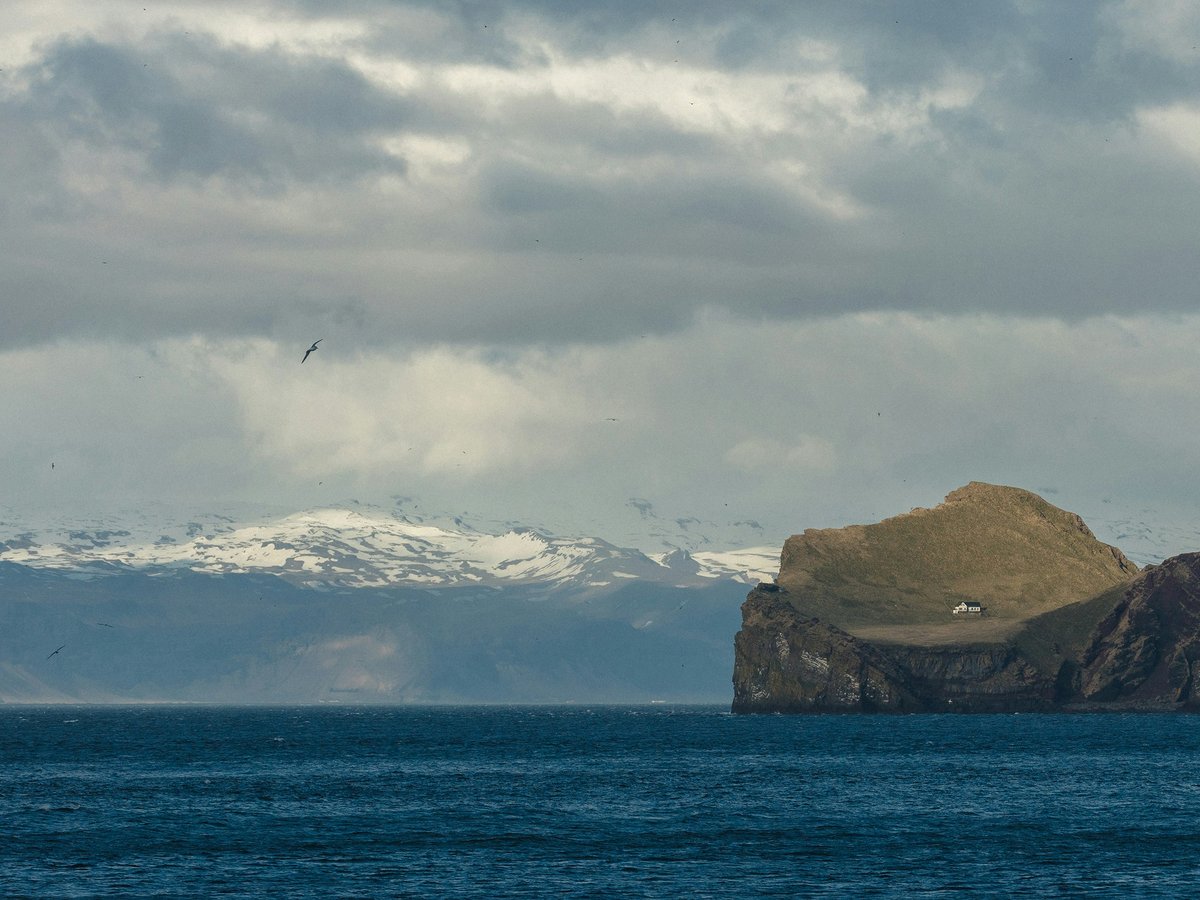
Where do locals actually go in Vestmannaeyjar?
Vestmannaeyjar's 4,300 residents socialize at the Sundlaugin hot pots from 6:30am, drink at Einsi Kansen by the harbour on Friday nights, and fill Hásteinsvöllur stadium for ÍBV football matches in summer. With one main street and no anonymity, you'll know half the town within two weeks of arriving.
The sundlaug. In a town of 4,300 people on a volcanic island 30 minutes by ferry from the mainland, social life runs through the swimming pool. Sundlaugin í Vestmannaeyjum opens at 6:30am on weekdays, and by 7am the hot pots hold the same rotating cast of fishermen, teachers, and retirees who've soaked here for decades. Water temperature in the main pot sits around 38-42°C. The smell of sulfur hangs in cold salt air, and conversation drifts between weather, last night's football, and who came back from Reykjavík on the Herjólfur. The hot pots are where you break into Vestmannaeyjar's social circle. Show up at the same time three mornings running and someone will start talking to you in Icelandic, then switch to English when they hear your accent. The pool closes at 9pm weeknights, 6pm on weekends. Entry runs about 1,100 ISK (9 USD).
Vestmannaeyjar has five places to eat and two places to drink, give or take. It's a North Atlantic fishing village of 4,300 people. Slippurinn on Strandvegur operates out of a converted 1960s machine shop by the harbour, and from May through September it serves a tasting menu built around whatever came off the boats that morning. Expect to pay 12,000-15,000 ISK (95-120 USD) per person. The dining room smells like smoked fish and dried herbs hanging from the ceiling beams. Off-season, Slippurinn closes, and your options narrow to Einsi Kansen and maybe two other spots in Miðbær. Einsi Kansen is the closest thing to a locals' bar. Friday nights after 10pm it fills with harbour workers and their partners, the music gets loud, and by midnight it's the only lit building on the street. Beer runs about 1,500 ISK (12 USD), and everybody knows your name by visit three.
Hásteinsvöllur, the football stadium built in 1912, sits in a natural amphitheatre shaped by the 1973 eruption's lava field. ÍBV Vestmannaeyjar play in Iceland's top division, and home matches draw 800-1,200 people. In a town this size, that's roughly a quarter of the population. The wind off the North Atlantic cuts through the stands at 10-15°C even in July, so locals bring wool blankets and thermoses of coffee. Match days work as community events. After the final whistle, players and fans end up at the same bar. The annual Þjóðhátíð festival in early August fills Herjólfsdalur valley with 15,000-17,000 people over three nights, most of them mainlanders camping on volcanic grass. For nomads staying through summer, it works as a fast-track introduction to every age group on the island. The singalongs start around 11pm and the bonfires burn past 3am.
To be fair, Vestmannaeyjar is not a nomad destination. There is no coworking space. The town library has wifi and a quiet reading room, but it closes at 5pm on weekdays and noon on Saturdays. Café culture does not exist in the mainland European sense. You will work from your Airbnb. Krónan is the only real grocery store, and fresh produce arrives on the Herjólfur ferry from Landeyjahöfn, weather permitting. In winter, the ferry cancels several times a month when North Atlantic winds top 20 m/s, which means your vegetables and your Amazon packages arrive on Landeyjahöfn's schedule, not yours. Mobile coverage from Síminn and Vodafone is solid across town, typically 30-50 Mbps on 4G. Power is geothermal, 100% renewable, and the grid rarely drops. You get 5,000-year-old lava fields, air that tastes like cold salt, and a community that will absorb you within weeks. You also get 4 hours of winter daylight and 1,500 ISK pints.
Where they actually go
Sundlaugin í Vestmannaeyjum
Miðbær (town centre): Sulfur steam rising into 10°C salt air. Same 15 regulars at 7am, waist-deep in 40°C water, trading fish prices and weekend plans. Staff know everyone. The social centre of a 4,300-person fishing town.
Slippurinn
Harbour (Strandvegur): Converted 1960s machine shop, exposed concrete walls, dried herbs on the beams. Seasonal, May through September only. Smoked-char smell at the door. Chefs buy off the morning boats, menu changes daily. 12,000-15,000 ISK per person.
Einsi Kansen
Harbour area: The town's only real bar. Quiet until 10pm on Fridays, then packed with harbour workers and teachers. Loud music, warm beer-and-wool smell, everyone talking over each other in Icelandic. 1,500 ISK pints.
Hásteinsvöllur
Near Herjólfsdalur: Football stadium from 1912, set against the 1973 lava field. ÍBV matches draw 800-1,200 fans, roughly a quarter of the population. Wind cuts through at 12°C in July. Players and fans end up at the same bar afterward.
Bókasafnið (Town Library)
Miðbær (town centre): Small, warm, quiet. The only public wifi workspace besides your rental. Open weekdays until 5pm, Saturdays until noon. Three tables, a handful of regulars reading Morgunblaðið in the corner.
Herjólfsdalur
South of town (2km from harbour): Volcanic valley where locals walk after dinner in summer, 9pm sun still up. Golf course, camping ground, and the Þjóðhátíð festival site. Grass grows on 50-year-old lava. Wind drops in the valley bowl.
Krónan
Miðbær (town centre): The only real grocery. Produce arrives on the Herjólfur ferry from Landeyjahöfn, weather permitting. You'll run into the same five people every visit. Shopping takes 30 minutes because someone always stops to talk.
Best times to visit
Weekday mornings 6:30-8am at the pool for the regulars. Friday nights after 10pm at Einsi Kansen. ÍBV home matches May through September, typically Saturday afternoons. Þjóðhátíð runs the first weekend of August, three nights in Herjólfsdalur.
Last verified by automated review (v1.7.2) on . What is automated review?