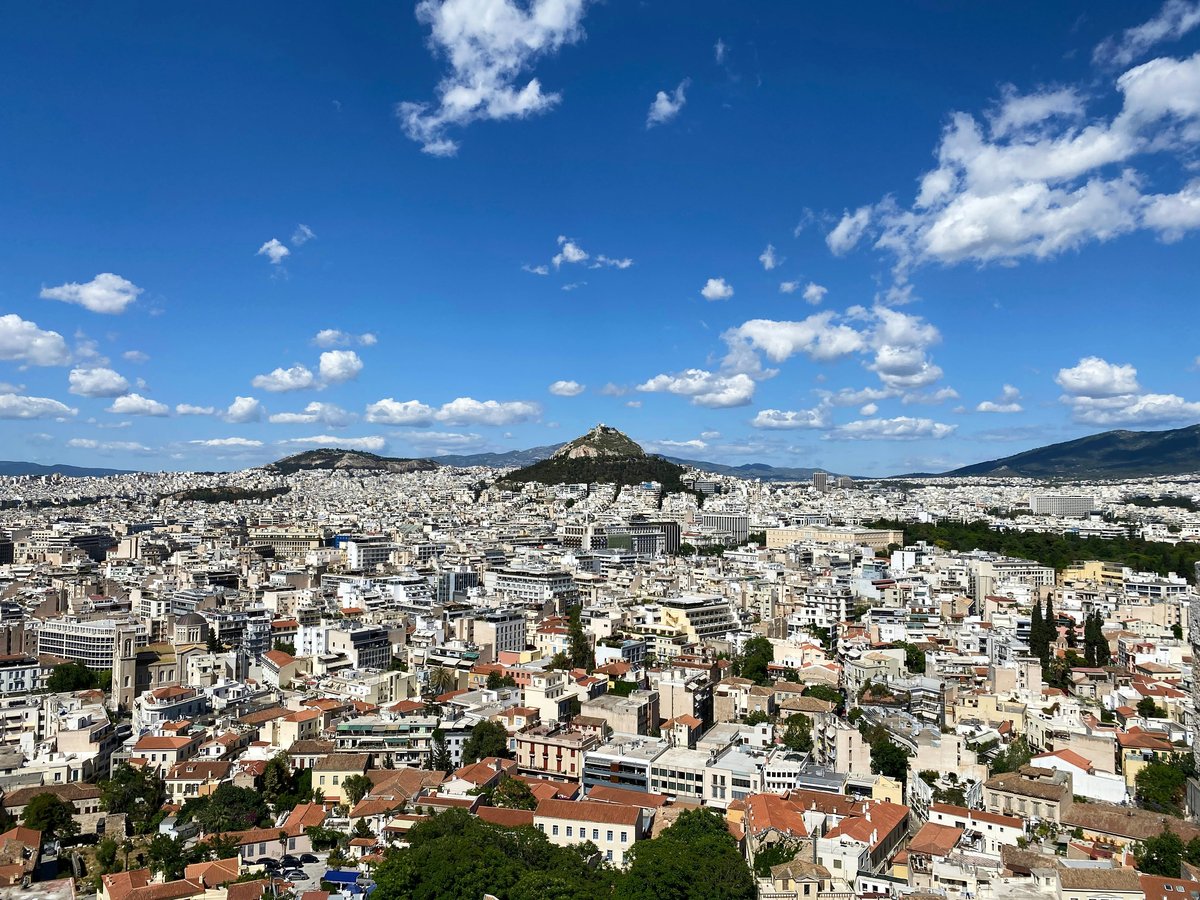
Athens tends to surprise people who expect nothing beyond tourist-shop keychains and mass-produced ceramics. The city still has a living craft tradition in leather, olive oil soap, and hand-thrown pottery, and its commercial streets reflect 3,000 years of trading culture compressed into walkable neighborhoods. You'll find Kolonaki boutiques selling Greek designers within 15 minutes' walk of Monastiraki's Sunday flea market, where vendors lay copper coffee pots and 1970s vinyl on blankets. The central food market on Athinas Street has operated since 1886, and the smell of fresh oregano and cured meat hits you from half a block away. Shopping hours still follow a Mediterranean logic that can confuse visitors, with many shops closing between 14:00 and 17:00 on certain days. That said, Athens has shifted significantly toward evening retail in recent years, and the pedestrianized streets around Ermou and Plaka stay busy past 21:00 in summer.
Shopping districts
-
Ermou Street
mid-rangeThe main pedestrianized commercial artery runs about 1.5 km from Syntagma Square toward Monastiraki. International chains (Zara, H&M, Massimo Dutti) dominate the Syntagma end, but the stretch past Kapnikarea Church gets more interesting. Smaller Greek brands appear here, and foot traffic stays heavy from 10:00 until close. The pavement is smooth marble, and buskers set up near the church most afternoons.
Best for: High-street fashion, Greek chain stores, and people-watching on a Saturday afternoon
-
Kolonaki
luxuryAthens's upscale neighborhood climbs the slopes below Lycabettus Hill. Tsakalof, Voukourestiou, and Skoufa streets hold the concentration. Greek jewelry designers sit alongside Italian leather goods, and the cafe culture here runs on espresso freddo and visible shopping bags. Rent per square meter in Kolonaki reportedly runs 2-3 times the Ermou average. The clientele tends to be well-dressed Athenians rather than tourists. You might catch the scent of roasting coffee drifting from a corner kafeneio between the boutiques.
Best for: Greek designer fashion, fine jewelry from brands like Lalaounis and Zolotas, upscale homewares
-
Monastiraki and Psyrri
budget to mid-rangeThese adjacent neighborhoods feel rougher at the edges, which is part of the appeal. Monastiraki Square itself is tourist-heavy, but the side streets running toward Psyrri hold independent record shops, vintage clothing stores, and small galleries. The graffiti-covered walls and the faint bass thump from bars that open at noon give the area a different energy than polished Kolonaki. Psyrri was still semi-industrial 20 years ago, and some of that warehouse aesthetic remains.
Best for: Vintage finds, vinyl records, independent Greek streetwear, antiques on Avissynias Square
-
Plaka
mid-range to elevated tourist pricingThe oldest continuously inhabited neighborhood in Athens wraps around the north slope of the Acropolis. Narrow streets like Adrianou and Kidathineon are lined with souvenir shops, but Plaka also holds genuine craft workshops if you wander past the obvious tourist stretch. Leather sandal makers still operate here, and a few ceramic studios fire their own pieces on site. The area smells like grilled halloumi and jasmine in summer evenings. Prices run higher than equivalent goods elsewhere in Athens, typically 20-40% above Monastiraki for comparable items.
Best for: Handmade leather sandals, ceramics, olive oil products, and evening browsing after an Acropolis visit
-
Vouliagmenis Avenue and Glyfada
mid-range to luxuryThe southern suburbs along the coast hold a different shopping ecosystem. Glyfada's commercial streets feel more like a small city center than an Athenian neighborhood. Greek and international mid-to-high brands cluster here, and the parking situation is easier than central Athens. Local families from the southern suburbs do their weekend shopping here rather than fighting Syntagma traffic. The sea breeze reaches certain streets, and the light has that coastal brightness.
Best for: Weekend shopping with parking, Greek resort-wear brands, a less hectic atmosphere than the center
-
Exarchia
budgetAthens's anarchist-leaning university quarter sits north of the Polytechnic. The shopping here reflects the politics. Independent bookshops (several carry English-language titles), DIY screen-printing studios, and cooperative craft stores line the streets around Exarchia Square. Record stores stock Greek punk and rebetika reissues side by side. The neighborhood still has rough edges and a few burned-out shopfronts, but the cafe-bar culture draws a younger crowd nightly.
Best for: Independent bookshops, vinyl, political posters, cooperative and DIY goods
Markets
-
Monastiraki Flea Market (Sunday Market)
fleaThe Sunday market spreads from Avissynias Square down the surrounding streets. Vendors sell everything from Ottoman-era coins and brass trays to broken electronics and old military uniforms. The quality varies wildly. Serious antique dealers set up permanent shops around the square (open daily), but the Sunday blanket-sellers are where you'll find the oddities. Arrive by 08:00 if you want first pick. By noon the crowd gets thick and the summer heat makes browsing uncomfortable. The smell of roasting corn from street carts mixes with decades of dust rising off old books.
Sundays 07:00-15:00 (permanent antique shops open daily except Monday)
-
Varvakios Agora (Athens Central Market)
foodThe city's main food market has occupied its iron-and-glass hall on Athinas Street since 1886. The meat hall hits you first. Whole lamb carcasses hang on hooks, fishmongers shout prices, and the tile floors stay perpetually wet. The fish section sells the morning's Aegean catch. Across Athinas Street, the fruit and vegetable stalls spill onto the pavement. Olives in 15 varieties sit in open barrels. This is where restaurant owners buy at 06:00, and the lunch tavernas inside the meat hall serve tripe soup (patsas) to workers finishing night shifts. Not a tourist market, though tourists are welcome.
Monday-Saturday, roughly 07:00-18:00 (some stalls close by 15:00)
-
Avissynias Square Antiques
antiqueThe permanent antique and curio shops around this small square in Monastiraki operate daily (except Monday for most). Furniture, vintage jewelry, old maps of Athens, icons of varying age and authenticity, and mid-century ceramics fill the cramped interiors. Prices tend to be negotiable, particularly on larger items. The square itself has a few cafe tables where you can sit and watch dealers unload vans in the morning.
Tuesday-Sunday, most shops 10:00-18:00 (Sunday hours may extend during flea market)
-
Laiki Agora (Street Markets)
food and householdNeighborhood street markets (laiki) rotate through Athens on fixed weekly schedules. Each district gets one day. Locals buy seasonal produce, eggs, honey, olives, dried herbs, household goods, and cheap clothing. The Kallimarmaro laiki (near the Panathenaic Stadium) on Fridays draws a cross-section of central Athens. Prices run 30-50% below supermarket for produce. You'll hear vendors shouting prices per kilo, and the overripe fruit smell intensifies by midday. These wind down by 14:00, and the street-cleaning trucks follow within the hour.
Varies by neighborhood, typically 07:00-14:00 one fixed day per week
-
Piraeus Sunday Market
fleaSlightly outside central Athens, the port district of Piraeus hosts its own Sunday flea market along the waterfront streets. More working-class than Monastiraki's version, with a heavier emphasis on used tools, electronics, and household goods. The 40-minute metro ride from Syntagma (Line 1) deposits you near the market area. Fewer tourists here. The harbor wind carries diesel and salt air.
Sundays, early morning until early afternoon
Souvenirs worth bringing home
Olive oil from named estates (look for PDO labels from Kalamata, Laconia, or Crete) packs well in checked luggage and costs less in Athens than at airports. Greek honey, particularly thyme honey from the Peloponnese or pine honey from Evia, is worth the weight. Mastic products from Chios (liqueur, chewing gum, skincare) remain genuinely distinctive to Greece. Komboloi (worry beads) in amber or semi-precious stone run from cheap tourist versions to handmade pieces that might cost over 100 euros. Hand-thrown ceramics from studios in Plaka or Maroussi carry the maker's mark and typically run 15-60 euros per piece. Leather sandals made to measure in Plaka workshops still cost less than factory equivalents elsewhere in Europe. Natural sponges from the Dodecanese appear in most tourist shops but verify they're Greek-harvested (some are imported). Greek coffee sets (the briki pot plus demitasse cups) make practical gifts. Avoid anything labeled 'Greek' olive oil soap that doesn't list the producer, as much of it is repackaged industrial product from elsewhere. Mastiha Shop (a chain from the Chios Mastiha Growers' Association) sells certified-origin mastic goods at fixed prices across several Athens locations.
Practical tips
- Bargaining
- Fixed-price shops (anything with a barcode or printed tag) don't negotiate. Markets are different. At Monastiraki flea market, 15-25% off the opening price is a reasonable starting point on antiques and vintage goods. Produce markets (laiki) have set per-kilo prices shouted by vendors. Leather shops in Plaka sometimes offer 10% for cash payment. The general rule is that bargaining works at stalls and independent antique shops, not in retail stores.
- Tax-free shopping (VAT refund)
- Non-EU residents can claim a VAT refund on purchases over 50 euros from a single store in a single day. Greece's standard VAT rate sits at 24%. The effective refund after processing fees tends to land around 12-16% of the purchase price. Ask the shop for a tax-free form at purchase. Process the refund at the airport customs desk before check-in (they may want to see the goods). Global Blue and Planet Tax Free are the main processors operating in Athens. Keep receipts and forms together. The queue at Eleftherios Venizelos airport's customs desk can run 20-30 minutes during summer morning departures.
- Opening hours
- Standard retail hours in central Athens currently run 09:00-21:00 Monday through Saturday for larger stores. Smaller independent shops still follow older patterns. Many close 14:00-17:00 on Tuesday, Thursday, and Friday (the 'mesimeri' break). Saturday hours tend to end earlier, around 15:00-16:00 for neighborhood shops. Sunday closures remain the norm except in designated tourist areas (Plaka, Monastiraki, Ermou). Summer heat pushes the evening shopping surge past 19:00. Check before making a special trip to a small shop on a weekday afternoon.
- Payment methods
- Card acceptance has expanded rapidly since Greece's 2015 capital controls, and most shops now take Visa and Mastercard contactless for any amount. Small market vendors and kiosks (periptera) still prefer cash. Laiki market stalls are cash-only. ATMs dispense euros and are common (Euronet machines charge higher fees than bank-branded ATMs from Alpha, Piraeus, or National Bank of Greece). Tipping shopkeepers is not expected. Some tourist shops quote prices in euros with a visible markup for card payment. Walk away from those.
- Carrying purchases
- Athens is hilly and hot for 5-6 months of the year. If you're buying ceramics or olive oil at the start of a long day, ask the shop to hold your bags for pickup later, or plan your shopping route so fragile purchases happen last. The metro (3 lines) connects most shopping districts. Monastiraki, Syntagma, and Evangelismos stations put you within 5 minutes of the main retail zones. Taxis from central Athens to the airport cost a flat 40 euros (55 euros between midnight and 05:00) if you end up with too many bags for the metro.
FAQ
Is Athens good for buying gold and silver jewelry?
Greece has a long goldsmithing tradition, and Athens concentrates many workshops and showrooms. Voukourestiou Street in Kolonaki holds high-end Greek jewelers. The gold price follows international markets, so you won't find gold cheaper than elsewhere in Europe, but the craftsmanship and Greek-specific designs (Minoan motifs, Byzantine patterns, museum reproductions) are the draw. The Benaki Museum and National Archaeological Museum gift shops sell certified reproductions of ancient pieces. Hallmarking is mandatory in Greece, so look for the stamp.
What are typical shop opening hours on Sunday in Athens?
Most shops close Sunday. The exceptions are designated tourist zones (Plaka, Monastiraki, parts of Ermou near Syntagma), where shops typically open 10:00-18:00 or later in summer. The Monastiraki flea market runs on Sundays. Shopping malls like The Mall Athens in Maroussi and Golden Hall open Sunday afternoons (typically 11:00-20:00). Neighborhood shops, Kolonaki boutiques, and Exarchia independents are almost universally closed on Sundays.
Where can I buy authentic Greek olive oil in Athens?
Specialty food shops in the city center stock estate-bottled oils with PDO (Protected Designation of Origin) certification. Look for shops near Evripidou Street or in Psyrri that focus on Greek regional products. Supermarkets (Sklavenitis, AB Vassilopoulos) carry a good range at lower prices than tourist shops. For higher-end options, shops around Syntagma and Kolonaki specialize in curated Greek food products. Check the harvest date on the bottle. Current-season oil (pressed November-January) tastes noticeably fresher.
Can I get a VAT refund on food products like olive oil or honey?
Yes, non-EU residents can claim VAT refunds on food products if the purchase from a single shop exceeds 50 euros in one transaction. The food must leave the EU in your luggage. Liquids over 100ml need to go in checked bags regardless, which works fine for olive oil. Keep the tax-free form and receipt, and present the goods at customs before your departure flight. Some specialty food shops participate in tax-free schemes while supermarkets generally do not.
Is the Monastiraki flea market worth visiting on weekdays?
The permanent antique shops around Avissynias Square open Tuesday through Saturday and stock interesting pieces year-round. The weekday experience is quieter and allows genuine browsing without Sunday crowds. Mind you, the blanket-sellers with their eclectic spread of coins, vintage cameras, and old postcards appear only on Sundays. If antiques and curios interest you, a weekday visit to the permanent shops is arguably more productive. For the full chaotic atmosphere with hundreds of informal vendors, Sunday morning is the draw.
Last verified by automated review (v1.7.2) on . What is automated review?