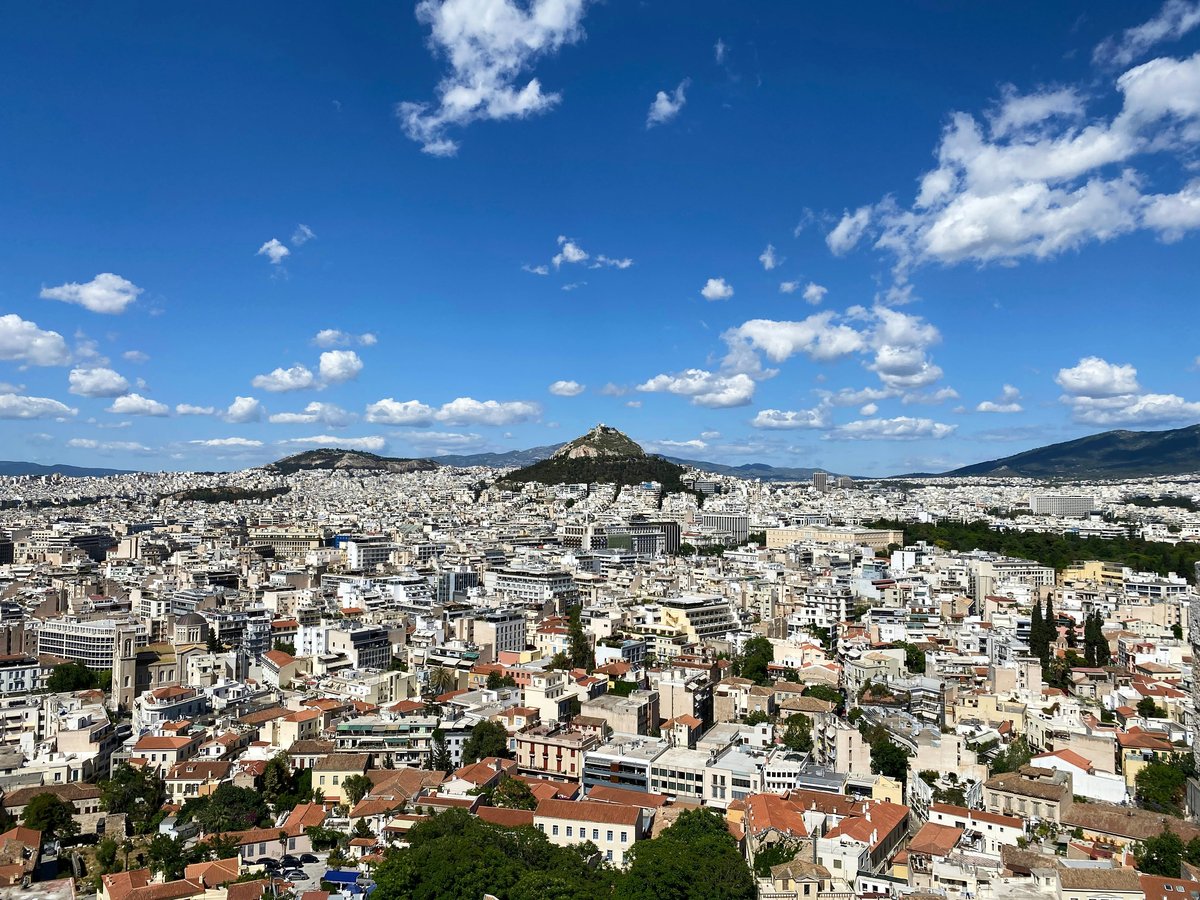
Athens on a budget
Syntagma Square is the civic hinge of the modern city. Most of the picks for budget travelers in Athens sit in Omonia and Piraeus. Athens has 38 budget-tier hotels in the Trip.com pool from US$15 a night.
Athens for budget travelers, in numbers
- Picks on this page
- 22 places across 2 lists, led by Alassia Hotel, Retroverse Eccentric Stay, Gallery Central Piraeus Port
- budget-tier hotels
- 38 in the Trip.com poolfrom US$15 a night
Questions budget travelers ask about Athens
-
Cost per day
Athens costs €40-55 ($46-63) per day at the budget floor, €90-120 ($104-138) at midrange, or €300+ ($346+) for luxury. The Acropolis combo ticket covers seven sites for €30. Free museum Sundays run November through March, and souvlaki in Monastiraki starts at €2.50.
Read the full answer → -
What to avoid
Skip the Acropolis between 11am and 3pm, the tout-fronted tavernas on Adrianou Street in Plaka, and any bar a friendly stranger near Syntagma Square recommends. Book an 8am Acropolis slot, take Metro Line 3 or a fixed-fare taxi from the airport, and eat around the Varvakios market or in Psyrri instead.
Read the full answer → -
Getting around
Walk the central triangle between Syntagma, Monastiraki, and the Acropolis. Athens Metro's 3 lines cover everything beyond walking distance for €1.20 per 90-minute ticket. Load an anonymous Ath.ena card at any station. Bolt or Uber fill the gaps after midnight or to the coast, with fares shown upfront.
Read the full answer → -
Airport to city
Take Metro Line 3 from Athens International Airport (ATH) to Syntagma Square. The ride costs €9 ($10), takes 40 minutes, and drops you at the center of the city. Trains run from 6:30am to 11:30pm. After midnight, the X95 bus runs 24 hours for €5.50, or take a taxi at the fixed €55 nighttime fare.
Read the full answer → -
Food culture
Athens eats late, eats pork, and eats standing up more than visitors expect. Lunch lands around 2pm, dinner rarely before 9:30pm. The city's best food sits in €3 souvlaki wraps from unmarked counters in Monastiraki and Psyrri, not in the tablecloth restaurants below the Acropolis. Feta, olive oil, and oregano carry nearly every plate.
Read the full answer →
Curated for budget travelers
-
Best hostels
Athens spreads its hostel inventory across neighborhoods that differ more in altitude and noise level than in distance; the Acropolis sits close enough to most of them that walkability is a question of hills, not kilometers. The budget core runs from Omonia's commercial grid south through the Psiri warehouse streets to Monastiraki's flea market edge, where rates drop below $25 a night and ratings still clear 9.0. Farther out, Piraeus trades Plaka's foot traffic for a working port and ferry access, while the train station quarter around Gare de Larissa serves overland arrivals who want a bed before the metro opens. Residential pockets like Ambelókipi and Agios Panteleimonas sit northeast of the center, quieter and cheaper than the tourist spine, with metro connections that keep the Acropolis within a few stops. The neighborhoods below are ranked by hostel density; each editorial grounds the area in the landmarks and transit stops a traveler will use, not the postcard view they will photograph. Drop the centrally-located filter and read for the radius that matches how you move through a city.
See the picks → -

Best free attractions
Athens gives away more than most capitals its size. The free layer of the city is not a consolation prize for skipping the ticketed monuments: it is where Athenians spend their afternoons, and it is where the argument between the ancient city and the modern one is loudest. What follows is a shortlist of twelve public squares, parks, and open ruins that cost nothing to enter, ranked in the order a curious resident would recommend them to a friend with a week and comfortable shoes. Expect two kinds of place: the central and neighbourhood squares (Syntagma, Monastiraki, Omonoia, Kotzia, Klafthmonos, Kolonaki, Avdi, Viktoria) that hold the daily choreography of the city, and the green rooms (the National Garden, Pedion tou Areos, and the new Ellinikon coastline) where the pressure of the pavement drops away. One archaeological square (the Roman Agora) is included because its perimeter reads as clearly from the street as from inside the fence. Skip the guided-walk versions; these are places to arrive at your own pace.
See the picks →