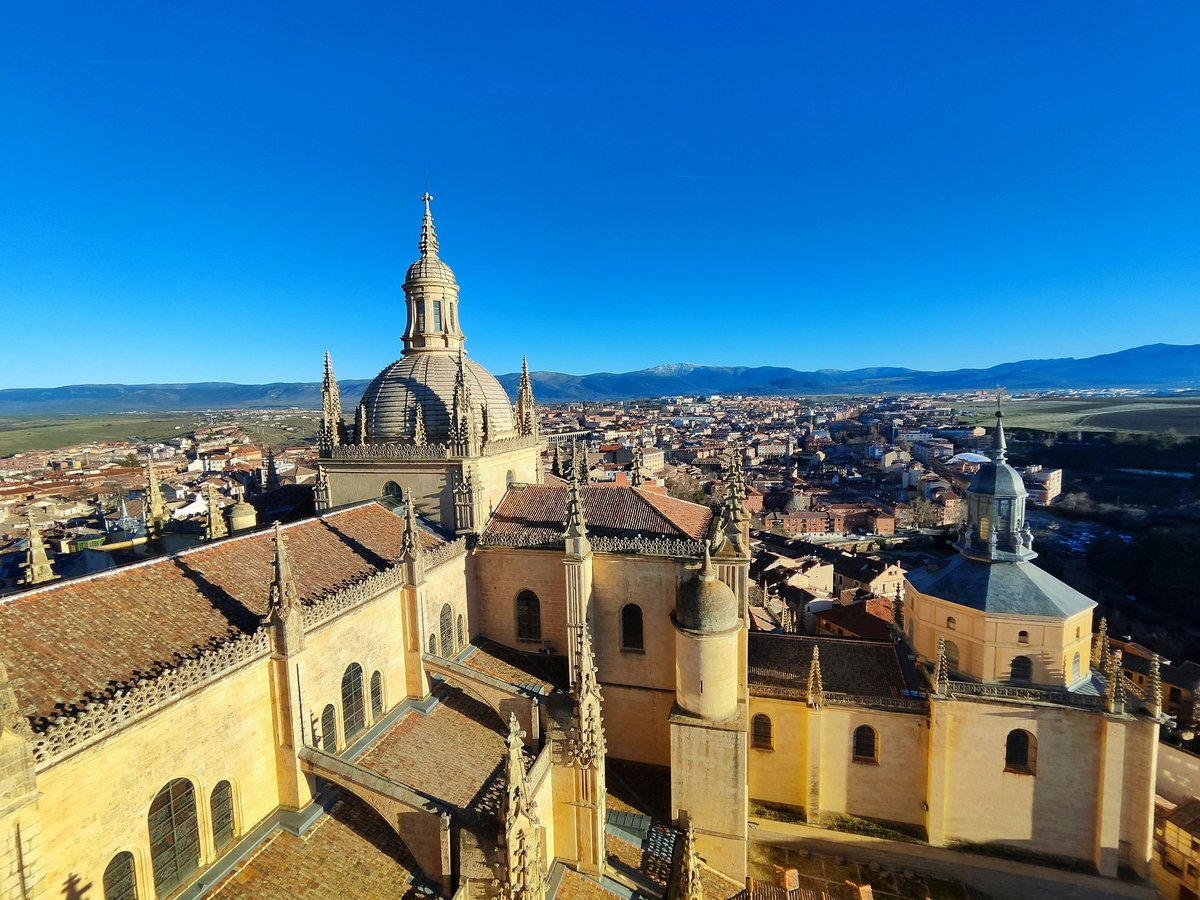
Segovia is not a shopping city, and that's part of its appeal. This is a place where you buy things that could only come from here. The pedestrianized Calle Real, which runs roughly 800 meters from the Roman aqueduct at Plaza del Azoguejo to Plaza Mayor, is where most of the commerce happens. You'll find ponche segoviano in bakery windows, ceramic workshops tucked into medieval side streets, and small food shops selling judiones de La Granja in burlap sacks. The city has around 52,000 residents, and the shopping reflects that scale. There are no department stores in the old town, no international fashion chains pushing into historic storefronts. What Segovia does well is artisan food, traditional Castilian ceramics, and a handful of leatherwork shops that have been operating since before most tourists started visiting. Most of the genuinely local goods fall in the 5 to 40 euro range, which tends to make packing lighter on the way home.
Shopping districts
-
Calle Real (Calle Cervantes, Calle Juan Bravo, Calle Isabel la Católica)
mid-rangeCalle Real is three streets stitched together under different names, running from Plaza del Azoguejo at the aqueduct up to Plaza Mayor. The Cervantes section near the aqueduct leans touristy, with souvenir shops and the usual postcard racks. As you climb, Juan Bravo gets more interesting. Small bakeries sell ponche segoviano, and a few ceramics shops carry work from regional potters rather than factory imports. By the time you reach Isabel la Católica near the Plaza Mayor end, the tone shifts to local services and quieter storefronts. The whole stretch is pedestrianized and paved in worn stone, so the walk itself is half the point. On weekday mornings, you'll see more residents than tourists doing their shopping here.
Best for: Local food products, ponche segoviano, ceramics, and a general sense of how Segovians shop
-
Plaza del Azoguejo and Aqueduct Zone
mid-range to elevatedThe area directly around the 1st-century Roman aqueduct is the most tourist-concentrated spot in Segovia. Shops here sell a lot of generic souvenirs, the kind of miniature aqueduct replicas and Castilla y León magnets you could probably find in Toledo too. That said, a couple of food shops in this zone stock legitimate local products like judiones de La Granja and regional wines from Ribera del Duero, which is only about 80 kilometers north. Prices tend to run 10 to 15 percent higher than what you'd pay further into the old town. Worth walking through, but probably not where you want to do your serious buying.
Best for: Quick souvenirs, regional food products if you're short on time
-
Barrio de la Judería
budget to mid-rangeThe old Jewish quarter sits below the cathedral, a tangle of narrow lanes that slope down toward the city walls. It's quieter than Calle Real and has a handful of small artisan workshops selling handmade leather goods, jewelry, and ceramics. Some of these operations are one-person studios. The neighborhood still has a medieval feel to it, with stone arches and low doorways that predate the 1492 expulsion. You might find a leather bookmark or a hand-thrown bowl here for under 20 euros. Not a lot of shops, but what's there tends to be genuine. The Puerta de San Andrés, the old gate in the city wall, marks one entrance.
Best for: Handmade artisan goods, leather items, one-off ceramics from small workshops
-
Plaza Mayor and Surrounding Streets
mid-rangePlaza Mayor is Segovia's social center, ringed by arcaded buildings with the cathedral's apse rising behind the east side. The square itself has more cafes than shops, but the streets feeding into it, particularly Calle Marqués del Arco and Calle de la Infanta Isabel, have bakeries, a few wine shops, and the occasional antique dealer. This is where Segovians come to sit, not to shop, so the commercial presence feels incidental rather than curated. On Thursdays, some vendors set up in the surrounding streets. The bakeries here sell ponche segoviano and rosquillas, the ring-shaped biscuits flavored with anise that Castilla y León does well.
Best for: Baked goods, wine from the province, a coffee break between purchases
Markets
-
Mercado de Abastos
foodSegovia's municipal food market sits near the old town and operates as a working market where locals buy produce, meat, and cheese. The building is functional rather than photogenic, nothing like Madrid's renovated Mercado de San Miguel. You'll find Castilian cheeses, locally cured embutidos, seasonal vegetables, and stalls selling judiones and other dried legumes by weight. The vendors are used to locals, not tourists, so the atmosphere is practical. Prices tend to be fair. A wedge of aged Castellano sheep's cheese might run 8 to 12 euros depending on size and cure time.
Monday through Saturday mornings, typically 9:00 to 14:00. Some stalls close by 13:00. Closed Sundays.
-
Mercadillo de los Jueves (Thursday Market)
general open-airSegovia's weekly open-air market has been running on Thursdays for years, and it draws a mix of produce vendors, clothing sellers, household goods, and the occasional artisan stall. The location can shift, but it's typically near the Azoguejo area or along the lower streets outside the old walls. This is where Segovians buy socks and tablecloths alongside tomatoes and dried peppers. Not curated or trendy. Worth a wander if your visit falls on a Thursday, mainly for the atmosphere and the chance to pick up seasonal fruit directly from growers in the province.
Thursdays, morning to early afternoon. Generally 9:00 to 14:00, weather permitting.
-
Seasonal and Holiday Markets
seasonal and artisanSegovia runs periodic markets tied to holidays, particularly around Navidad in December and during local fiestas like San Juan and San Pedro in late June. The Christmas market typically sets up near Plaza Mayor or Plaza del Azoguejo, with stalls selling turrón, marzipan, regional crafts, and mulled wine. The quality varies year to year, but the food stalls usually deliver. During the Titirimundi puppet festival in May, artisan vendors often appear in the old town as well, selling handmade toys and crafts alongside the performances. Check the Ayuntamiento de Segovia website closer to your visit for current dates and locations.
Varies by year. Christmas markets typically run late November through early January. Titirimundi usually falls in May. Check locally for exact dates.
Souvenirs worth bringing home
The genuinely Segovian souvenir is ponche segoviano, a layered cake of sponge, cream, and marzipan that bakeries across the old town make daily. It travels reasonably well for a day or two. Judiones de La Granja, the large white beans grown near the royal palace at La Granja de San Ildefonso about 11 kilometers southeast, are a practical gift. They're sold dried in cloth or paper bags and weigh almost nothing. Castilian ceramics from the Segovia province tend toward earth tones and traditional patterns. Look for pieces marked as handmade rather than factory-produced. Small leather goods from the Judería workshops, bookmarks and coin purses particularly, make lightweight gifts. Regional wines from Ribera del Duero are easy to find, though technically the denomination sits in neighboring Burgos and Valladolid provinces. A bottle of rosado from the Segovia side of the Duero might be a more local pick. Avoid the miniature aqueducts and generic Castilla y León keychains near the monument itself. They're made in the same factories that supply every tourist city in Spain.
Practical tips
- Shop hours and the siesta gap
- Most shops in Segovia's old town open around 10:00, close between 14:00 and 17:00 for the afternoon break, and reopen until 20:00 or 20:30. Saturday afternoons are hit or miss. Sundays, almost everything is closed except restaurants and a few tourist-facing souvenir shops near the aqueduct. If you're visiting on a day trip from Madrid, the 80-minute AVE train from Chamartín gets you there by mid-morning, but plan your buying before 14:00 or after 17:00.
- Payment and cash
- Most shops along Calle Real accept credit and debit cards, usually with a contactless option. Smaller artisan workshops in the Judería and market stalls may prefer cash, especially for purchases under 10 euros. There are ATMs near Plaza del Azoguejo and Plaza Mayor. Spain uses chip-and-PIN, so make sure your card supports it.
- Tax-free shopping for non-EU visitors
- Non-EU residents can claim a VAT refund on purchases over 90.16 euros from a single shop in a single transaction. Ask the shopkeeper for a DIVA electronic tax-free form at the time of purchase. You'll validate it at customs when leaving Spain. In practice, this mostly applies if you're buying a larger ceramic piece or several bottles of wine at once. The refund is typically around 10 to 12 percent of the purchase price after processing fees.
- Bargaining expectations
- Bargaining is not customary in Segovia's shops, including the markets. Prices are fixed. The Thursday mercadillo might have a little flexibility on clothing or household goods if you're buying several items, but don't expect it. Spain is a fixed-price retail culture, and pushing for discounts in a small artisan workshop is likely to feel awkward for everyone involved.
- Carrying food products home
- Ponche segoviano keeps for about 2 to 3 days unrefrigerated. Judiones de La Granja are dried and last indefinitely. Cured meats and hard cheeses travel well, but check your home country's import rules. EU residents can bring food freely within the bloc. Travelers to the US, UK, or Australia face restrictions on meat and dairy. Wine is fine in checked luggage, limited to your home country's duty-free allowance.
FAQ
Is Segovia worth visiting specifically for shopping?
Honestly, no. You come to Segovia for the 1st-century Roman aqueduct, the Alcázar, the cathedral, and the cochinillo. The shopping is a pleasant secondary activity, not a reason to plan the trip. That said, the food products, particularly ponche segoviano and judiones de La Granja, are things you genuinely cannot find outside the region, and the artisan workshops in the Judería have pieces you won't see in Madrid.
What is ponche segoviano and where can I buy it?
Ponche segoviano is a layered cake made with sponge, pastry cream, and a marzipan top dusted with sugar. It's specific to Segovia. Nearly every bakery along Calle Real and around Plaza Mayor sells it, usually by the slice or as a whole cake. The recipe varies slightly from shop to shop. Some use a touch of liquor in the cream. It's been a local specialty for decades, and Segovians tend to have strong opinions about which bakery makes the best version.
Can I do a day trip from Madrid and still have time to shop?
Yes, and most visitors do exactly that. The AVE high-speed train from Madrid-Chamartín to Segovia-Guiomar takes about 28 minutes, then a bus or taxi covers the remaining 7 kilometers into the old town. The bus from Madrid's Moncloa station takes roughly 75 minutes and drops you closer to the aqueduct. If you arrive by 10:30 and plan to eat cochinillo around 14:00, you'll have a solid 3-hour window for the aqueduct, some shopping on Calle Real, and a wander through the Judería before lunch. Shops reopen after 17:00 if you're staying into the evening.
Are there any outlet malls or large shopping centers near Segovia?
Not in any meaningful sense. Segovia is a small city, and its commercial landscape reflects that. There are a couple of small retail parks on the outskirts with supermarkets and basic chain stores, but nothing resembling a destination shopping center. If you want outlet or mall shopping, Madrid's Las Rozas Village is about 65 kilometers southeast, and you'd pass through it on the drive back toward the capital.
What food products from Segovia can I bring through airport customs?
Dried goods like judiones de La Granja are almost universally fine. Ponche segoviano is a bakery item and typically clears customs in the EU, US, and UK without issues. Hard cured cheeses and sealed embutidos are usually accepted within the EU. For flights to the US, Australia, or New Zealand, meat and dairy products face stricter rules. Wine travels in checked luggage, subject to your destination's duty-free limits, usually 1 to 2 liters. Always declare food items on your customs card to avoid fines.
Last verified by automated review (v1.7.2) on . What is automated review?