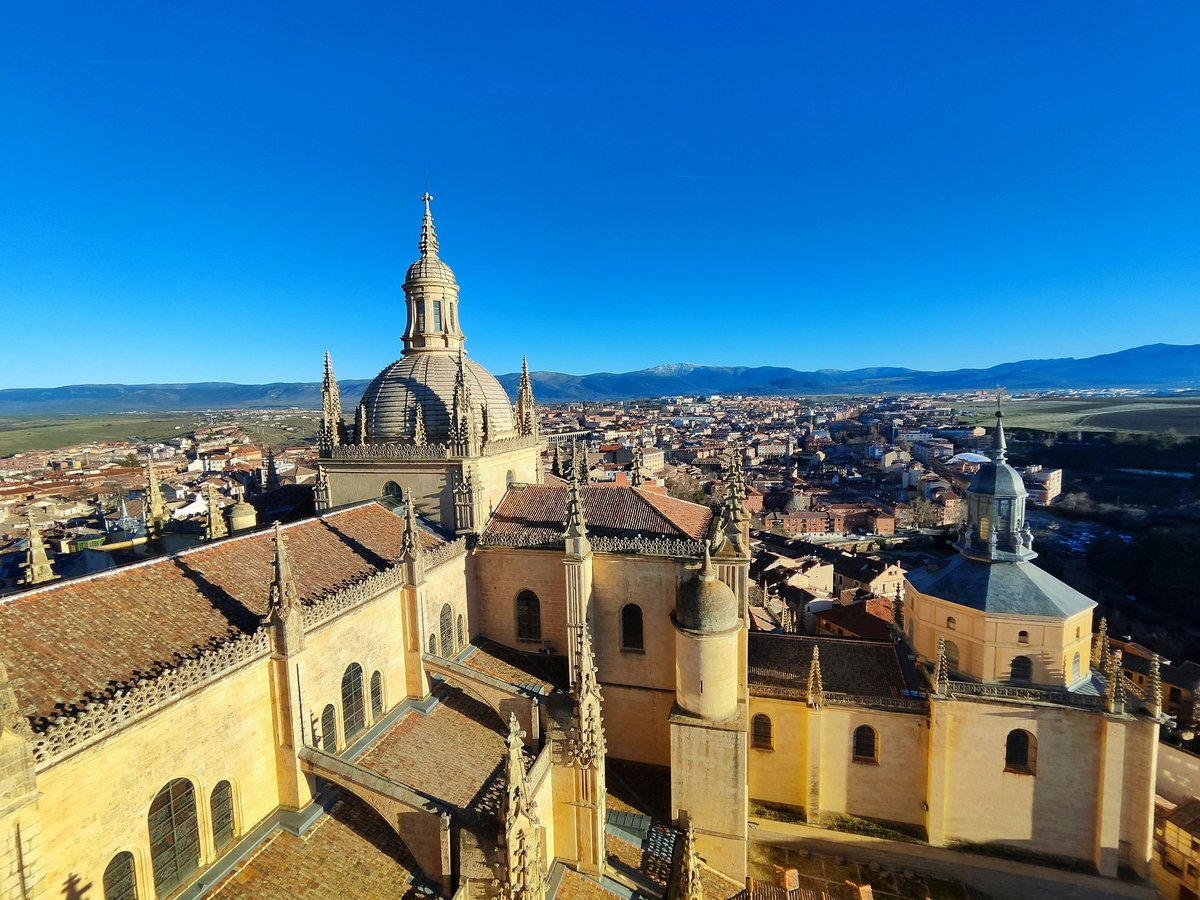
Segovia for families
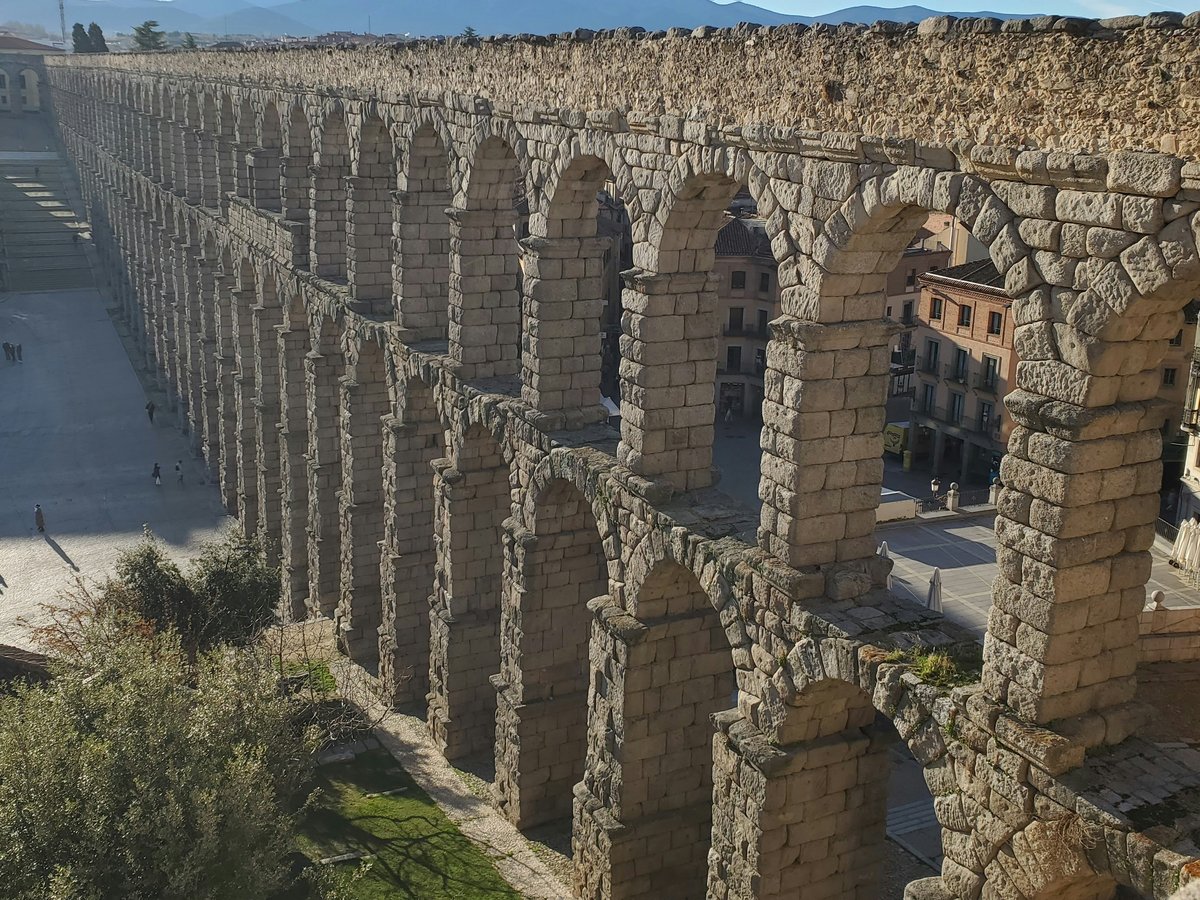
Royal Alcázar of Segovia is the prow-shaped castle above the confluence, listed as a UNESCO World Heritage Site. Aqueduct of Segovia is the Roman aqueduct bridge that walks into the middle of town without mortar.
Segovia for families with kids, in numbers
- Score for families
- 7.2 out of 10
- Picks on this page
- 19 places across 2 lists, led by Royal Alcázar of Segovia, Aqueduct of Segovia, Segovia Cathedral
Questions families with kids ask about Segovia
-
Family-friendly
Segovia is family-friendly, 7 out of 10. The Alcázar looks like a storybook castle, and kids under 6 enter free. The city is small enough to walk in a morning. The catch is cobblestones everywhere, which defeat most strollers, and the signature dish, cochinillo asado, tends to weird out anyone under 10.
Read the full answer → -
Is it safe?
Segovia is safe. It scores 7.5 out of 10 for solo-traveler safety (see the TTDI Solo-Safety Index). Violent crime against visitors is close to nonexistent in this Castilian city of 52,000. The real risks are uneven cobblestones after dark and the isolated Eresma valley path below the Alcázar, where foot traffic drops to zero by sunset. Emergency: 112.
Read the full answer → -
What to pack
Sturdy walking shoes for Segovia's granite cobblestones and the steep climb to the Alcázar. Layers for the 1,002-meter altitude, where June days hit 30°C but evenings drop below 15°C. A refillable water bottle, SPF 50 sunscreen for the exposed Castilian meseta, and a Type C plug adapter for Spain's 230V outlets.
Read the full answer → -
Getting around
Walk everywhere in Segovia's old city. The Aqueduct to the Alcázar is 1.5 km on cobblestone along Calle Real, about 25 minutes on foot. Bus Line 11 connects the AVE station at Segovia-Guiomar to Plaza del Azoguejo for €1.30. Taxis run on meters at €5-8 within the center. No metro, no ridehail apps.
Read the full answer → -
Best time to visit
May and October are Segovia's best months. Daytime temperatures hover around 20-22°C at the city's 1,000-metre elevation, the Aqueduct plaza is not yet packed with Madrid day-trippers, and cochinillo restaurants on Calle Real take walk-ins. July and August bring 32°C afternoons on exposed granite, and January drops below freezing after dark.
Read the full answer →
Curated for families with kids
-
Must-see attractions
Segovia's must-sees are mostly stone: a Roman-engineered aqueduct bridge, a castle that doubles as a museum, a cathedral dating from 1525, a monastery from 1447, and several that fall inside a UNESCO World Heritage Site. Beyond the walls, the Crown left two palaces: La Granja, a former royal summer palace dating from 1721, and Riofrío, from 1751. The list reaches into the twentieth century too, with a prison from 1924 that now works as a cultural centre. These twelve are for visitors who would rather understand a place than tick it off, and most people give them far less time than they deserve, arriving for a single day, taking the same three photographs and leaving. Give the monuments a morning, the monasteries an afternoon and the palaces a day of their own, and Segovia stops looking like a postcard and starts reading like a history.
See the picks → -
Best museums
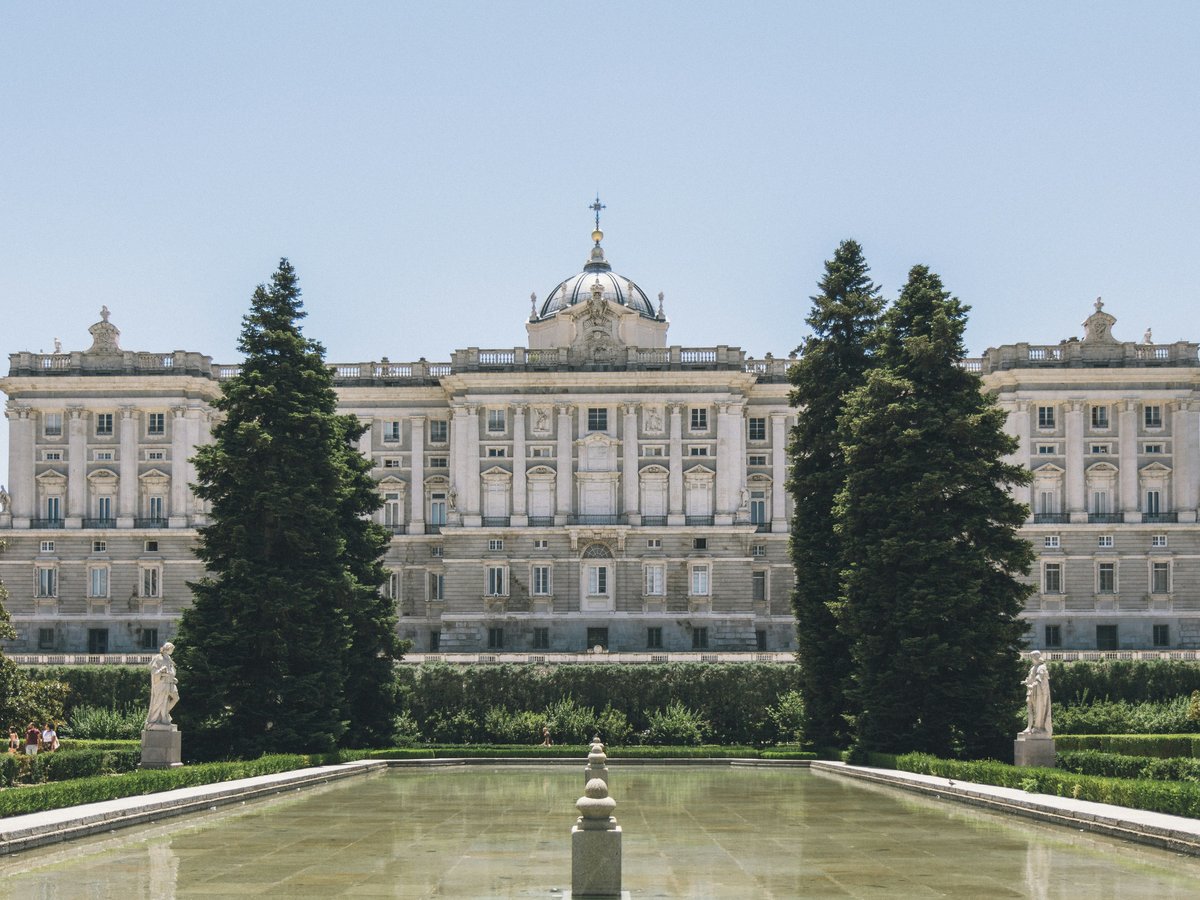
Segovia is a small city that punches far above its weight for museum-goers, and the seven listed here trade on very different kinds of attention. Two are Bourbon summer palaces on the outskirts, both under Patrimonio Nacional, and they reward visitors who want gardens, tapestries and dynastic history at walking pace. Three sit inside the old town within easy reach of the aqueduct, and they lean regional: an archaeology and fine-arts collection, a ceramics-and-painter house that carries the Zuloaga name, and a poet's residence that reads more like a room than a museum. One, the Coining House on Calle la Moneda, is a preserved mint that treats coin-making as the story. One, the Torreón de Lozoya on Plaza de Medina del Campo, is a tower that hosts changing exhibitions rather than a permanent hoard. Skip the checklist approach; pair a palace with a room-sized museum in town and give each the hour it deserves. The list runs in rank order, from the grand summer court at La Granja to the quiet Machado house near the cathedral.
See the picks →