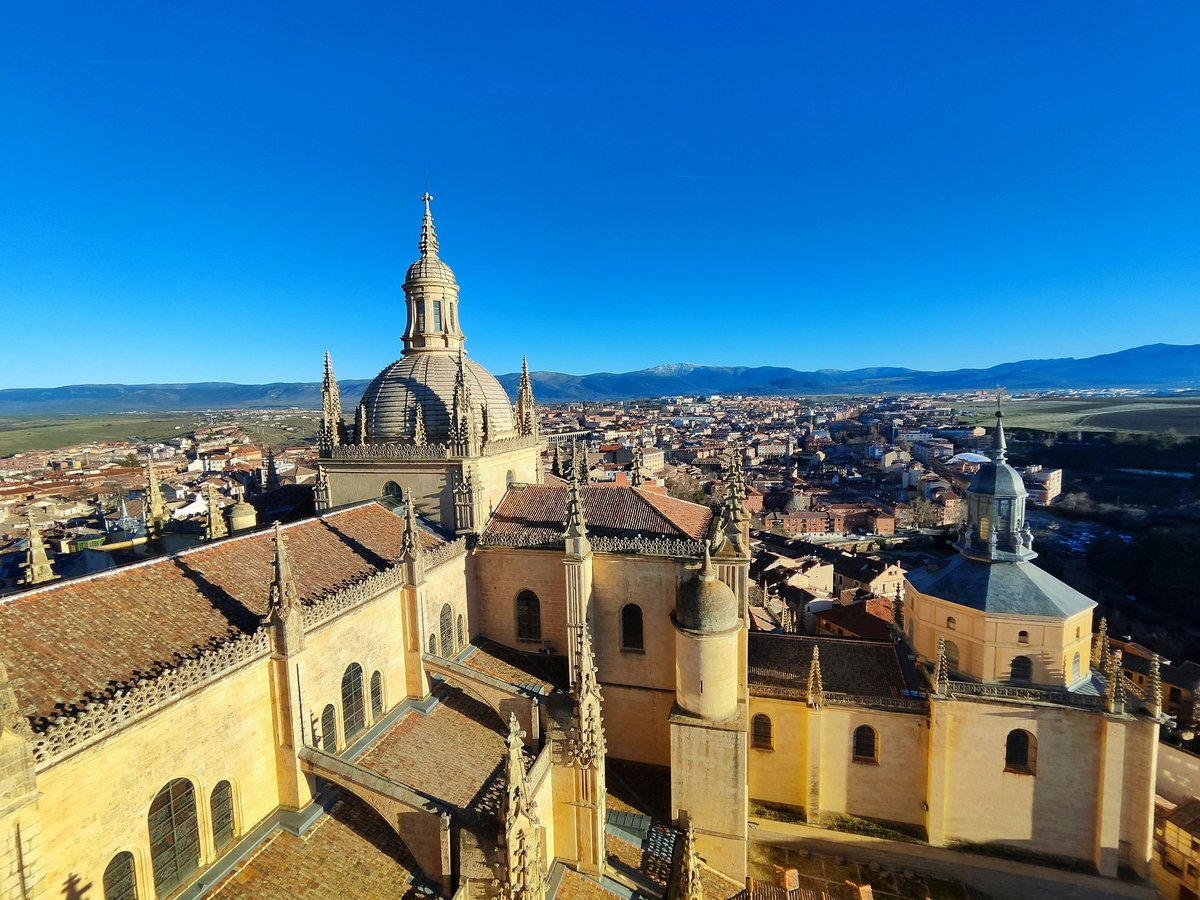
Segovia's must-sees are mostly stone: a Roman-engineered aqueduct bridge, a castle that doubles as a museum, a cathedral dating from 1525, a monastery from 1447, and several that fall inside a UNESCO World Heritage Site. Beyond the walls, the Crown left two palaces: La Granja, a former royal summer palace dating from 1721, and Riofrío, from 1751. The list reaches into the twentieth century too, with a prison from 1924 that now works as a cultural centre. These twelve are for visitors who would rather understand a place than tick it off, and most people give them far less time than they deserve, arriving for a single day, taking the same three photographs and leaving. Give the monuments a morning, the monasteries an afternoon and the palaces a day of their own, and Segovia stops looking like a postcard and starts reading like a history.
-
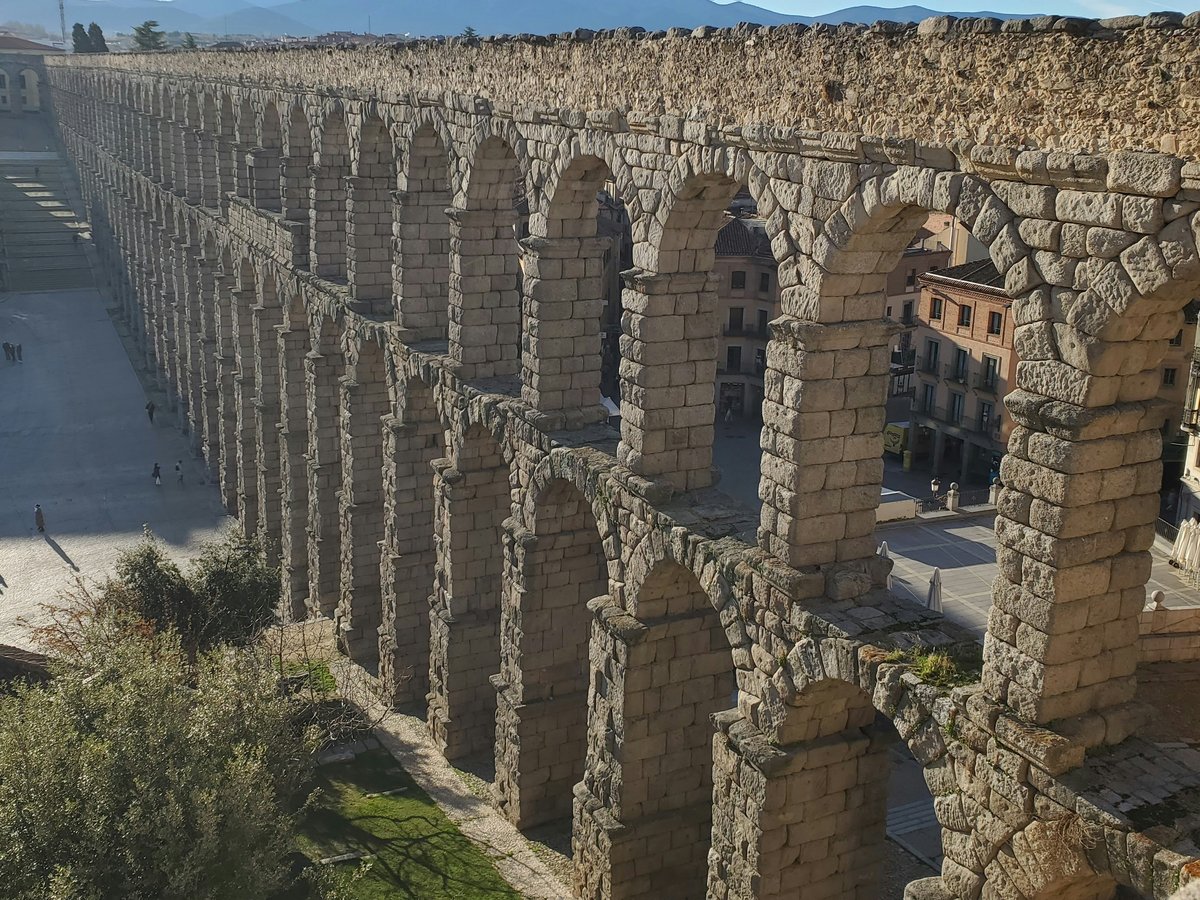
1 Aqueduct of Segovia
Plaza del Azoguejo, s/nAn aqueduct bridge standing at full height over the square, part of a UNESCO World Heritage Site
Nothing on Plaza del Azoguejo prepares you for the Aqueduct of Segovia, the aqueduct bridge that gives the square its reason to exist. It is part of a UNESCO World Heritage Site, and it earns that status without a ticket desk, a queue or an audio guide. Skip the souvenir stalls crowding the foot of the arches; the better view comes from walking its length and watching the structure change scale as the ground rises and falls beneath it. Come early, before the tour groups, or late when the stone turns warm and the square empties. Either way, stand under it once and look straight up. You will understand why the rest of the city seems arranged around it.
Part of a UNESCO World Heritage Site
-
2 Royal Alcázar of Segovia
Pl. Reina Victoria Eugenia, s/n, 40003 SegoviaA castle and museum that is itself a UNESCO World Heritage Site
Call +34 921 210 515 before you climb to the Royal Alcázar of Segovia, because a castle this photographed fills its rooms fast. It sits on Pl. Reina Victoria Eugenia in the 40003 postal area, and it works as both castle and museum, listed in its own right as a UNESCO World Heritage Site. The mid-morning rush that arrives off the day-trip coaches is worth avoiding: book ahead through alcazardesegovia.com and take the first or last slot of the day. Inside, slow down. The building rewards people who read the rooms rather than race through them toward the exit and the gift shop. The exterior is the image everyone knows; the interior is the reason to pay.
UNESCO World Heritage Site
-
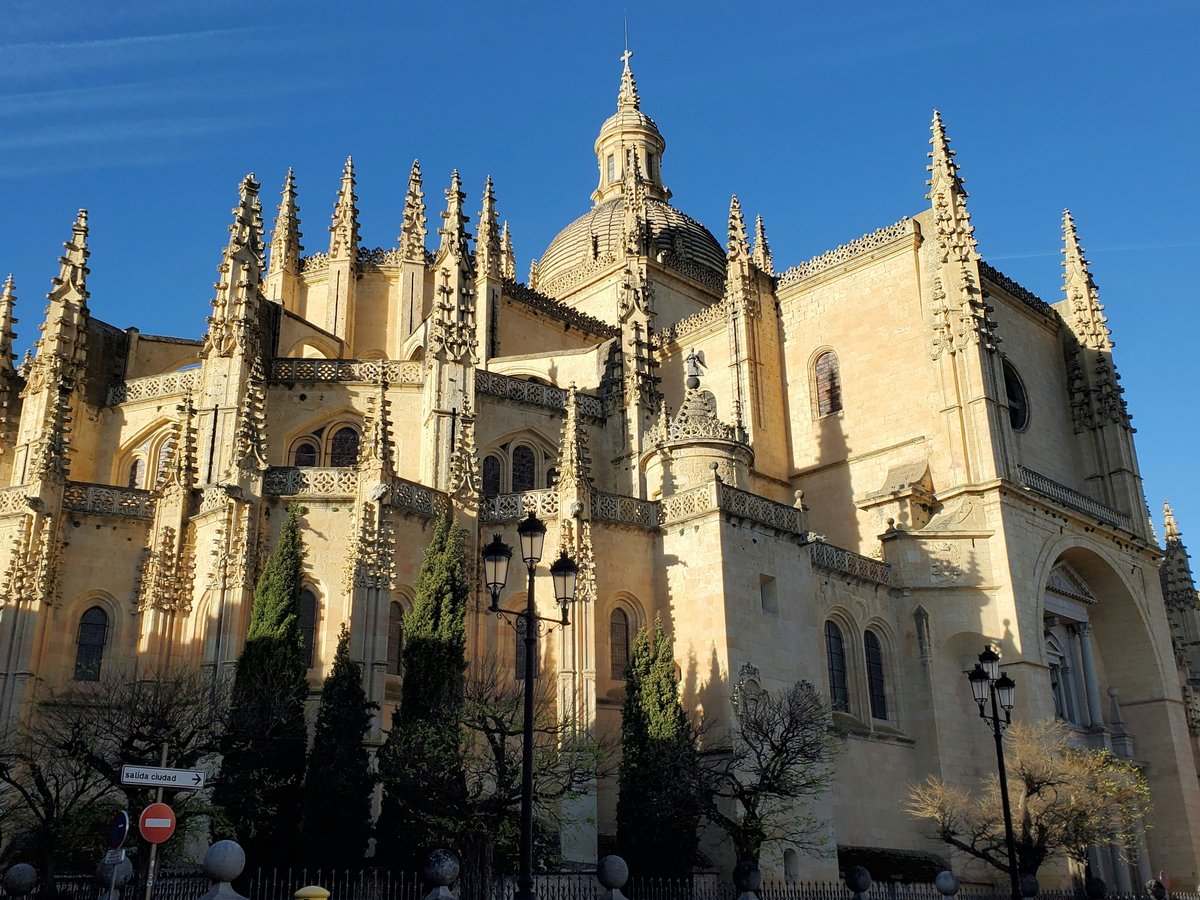
3 Segovia Cathedral
1 Calle Marques de Arco, Segovia, 40001A cathedral dating from 1525 inside the UNESCO-listed old city
Work on what became Segovia Cathedral dates from 1525, making it a latecomer among the great Spanish cathedrals, though it shows no sign of that. You enter from 1 Calle Marques de Arco, in 40001, and the building is part of a UNESCO World Heritage Site. Don't settle for a quick lap of the nave and a photo of the ceiling; the side chapels are where the patience pays off, and they deserve unhurried attention. Give the interior a full hour and come back out into the square slowly. The locals know the cathedral looks best from the lanes around it, so walk its outer walls before you leave and watch the mass of stone shift with every corner.
Dates from 1525 · Part of a UNESCO World Heritage Site
-
4 Royal Palace of La Granja de San Ildefonso
Plaza de los Dolores, 1, 40100 San Ildefonso (Segovia).A former royal summer palace dating from 1721
Out at Plaza de los Dolores, 1, in 40100 San Ildefonso, the Royal Palace of La Granja de San Ildefonso shows the Crown's idea of a summer retreat. It is a former royal summer palace dating from 1721, and it is protected as a Bien de interés cultural. Don't squeeze it into the last two hours of a Segovia day trip. This is a separate outing with its own rhythm, and the grounds alone can fill an afternoon. Bring comfortable shoes, plan a long lunch in the village, and let the palace set the pace. Visitors who rush it leave with a blur of gilt; visitors who stay leave knowing why a court would travel this far for the season.
Dates from 1721 · Bien de interés cultural
-
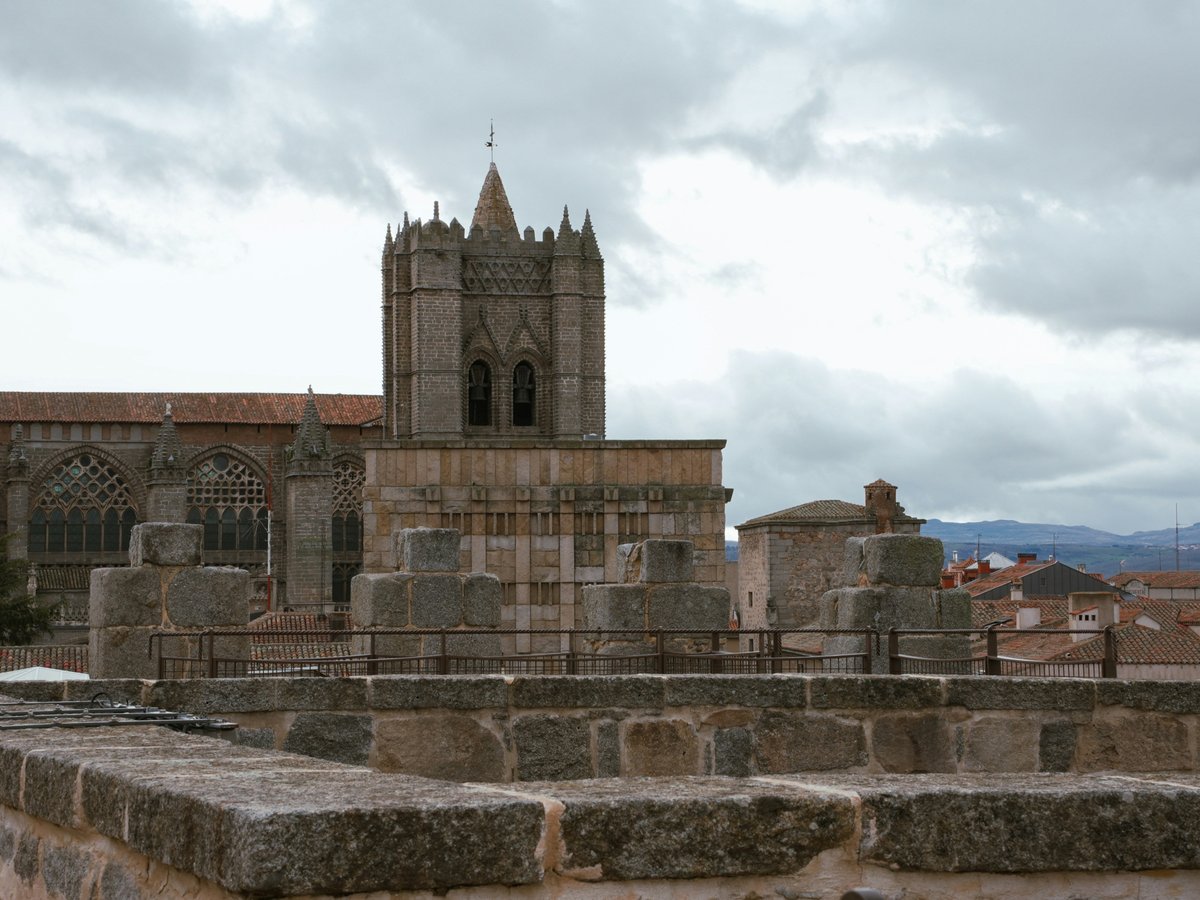
5 Monastery of Santa María del Parral
2 Calle el Parral, Segovia, 40003A monastery dating from 1447, protected as a Bien de interés cultural
The Monastery of Santa María del Parral dates from 1447, making it older than the cathedral by most of a century and considerably quieter than anything in the centre. You find it at 2 Calle el Parral, in 40003, protected as a Bien de interés cultural. Locals who know how to pace a day in Segovia prefer this kind of visit over the crowded set pieces: fewer people, more silence, more time with the stone. Check the community's site at monjesjeronimos.es before walking down, since a working religious house keeps its own hours and its own calendar. Go in the afternoon, when the town above is at its busiest, and treat the visit as a pause rather than a box to tick.
Dates from 1447 · Bien de interés cultural
-
6 Museo de Segovia
Calle TarayThe city's museum, dating from 1842, protected as a Bien de interés cultural
The Museo de Segovia on Calle Taray has been telling the city's own story in some form since 1842, and the building is protected as a Bien de interés cultural. Skip the gift-shop version of history sold in the plazas; an hour here gives the monuments outside a context the postcards never will. Check opening times on the regional museums portal before you go, since hours shift through the year. We'd come here first, not last: everything you see afterwards, from the walls to the churches, will make more sense once you have the outline of Segovia's past in your head.
Dates from 1842 · Bien de interés cultural
-
7 La Vera Cruz Church
Carretera de Zamarramala, Segovia, 40003A church outside the centre, cared for by the Order of Malta's Castile delegation, protected as a Bien de interés cultural
Late afternoon sun catches the light on the walls of La Vera Cruz Church on the Carretera de Zamarramala in the 40003 postal area. It is protected as a Bien de interés cultural, and its official page sits with the Order of Malta's Castile delegation. If your plan is to tick off the big three in the centre and move on, this one won't earn its place in the day; if you want a building with room to breathe around it, it's worth every step. Walk out rather than taking a taxi, so the approach becomes part of the visit, and check the delegation's page before setting off since a small church like this keeps limited hours. Then stay a while outside: the view back toward town is half the reason to come.
Bien de interés cultural
-
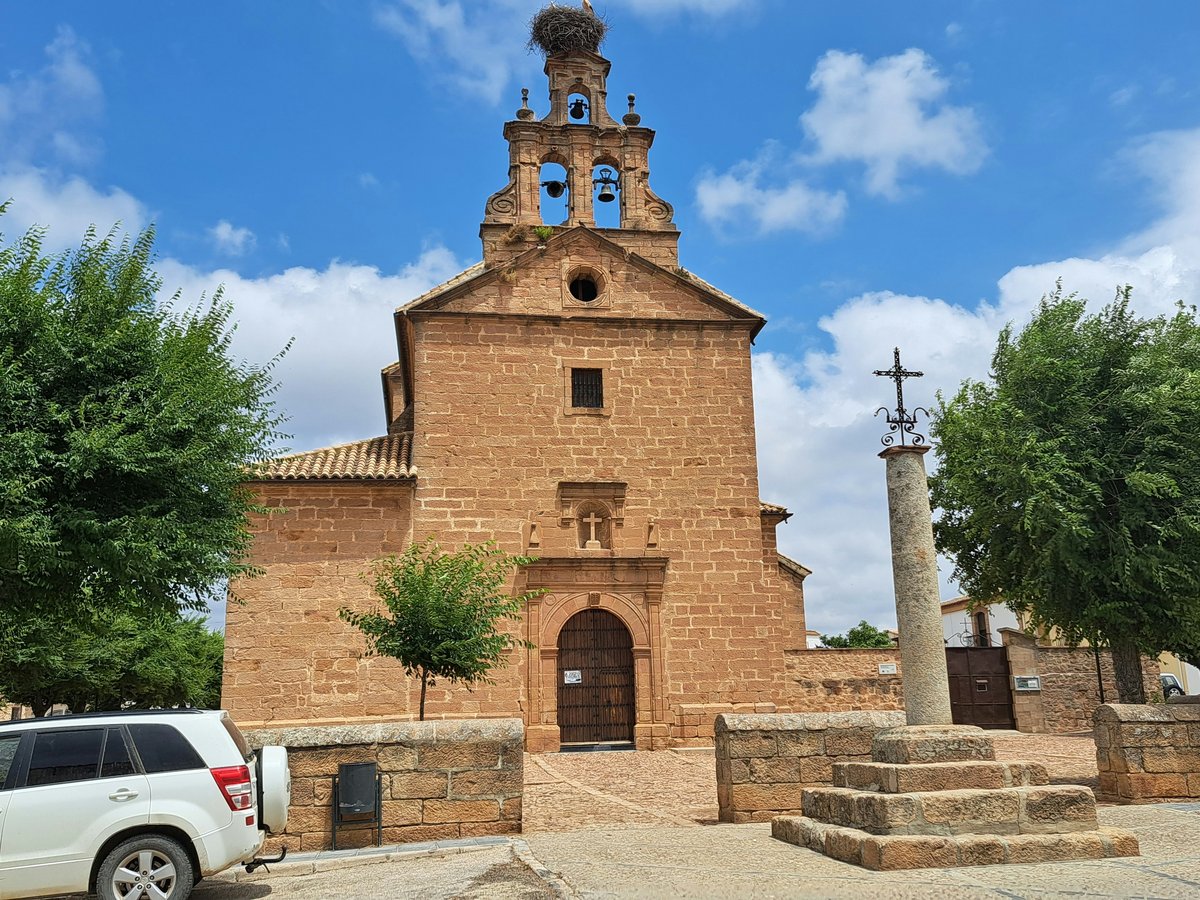
8 Church of San Millán
Avenida del Acueducto, Segovia, 40002A parish church that is part of the UNESCO World Heritage Site
Most people walking along Avenida del Acueducto, in 40002, pass the Church of San Millán without a second glance, and they miss something worth their time. The church is part of a UNESCO World Heritage Site, still a working parish with its own page at parroquiasanmillansegovia.com. The assumption that the cathedral is Segovia's only great church does San Millán a disservice; it asks less of your time and often gives more back. Come outside service hours, keep your voice down, and give the stonework a proper look rather than hunting for a single famous feature. It is the kind of place that shows how the city lived, not how it chose to be seen.
Part of a UNESCO World Heritage Site
-
9 Royal Palace of Riofrío
A royal palace dating from 1751, protected as a Bien de interés cultural
Fewer coaches make the trip to the Royal Palace of Riofrío, and the palace is better for it. It dates from 1751 and is protected as a Bien de interés cultural. The assumption that one royal palace near Segovia covers the subject sells Riofrío short; this one offers a quieter, less staged encounter with the same court world. Check visiting details on the Patrimonio Nacional page before you go, since you will need your own transport and a plan. Pair it with a picnic and a slow afternoon. Where the bigger palaces perform for their audience, this one lets you look around, and that restraint is the point.
Dates from 1751 · Bien de interés cultural
-
10 Monastery of Santa Cruz la Real, Segovia
Calle Escalinata del Hospicio, Segovia, 40003A monastery protected as a Bien de interés cultural, reached by a stepped street
Every footstep echoes on the Calle Escalinata del Hospicio as you climb toward the Monastery of Santa Cruz la Real, in the 40003 postal area. The building is protected as a Bien de interés cultural, and it rewards anyone willing to leave the main tourist circuit for a few streets. A guided-tour checklist is the wrong tool here; come for the facade and the quiet of the approach and let the building speak at its own pace. It works best as a pause between bigger visits, somewhere to sit for ten minutes and let the morning's crowds fall away. The locals walk past it daily. Visitors who stop tend to remember it.
Bien de interés cultural
-
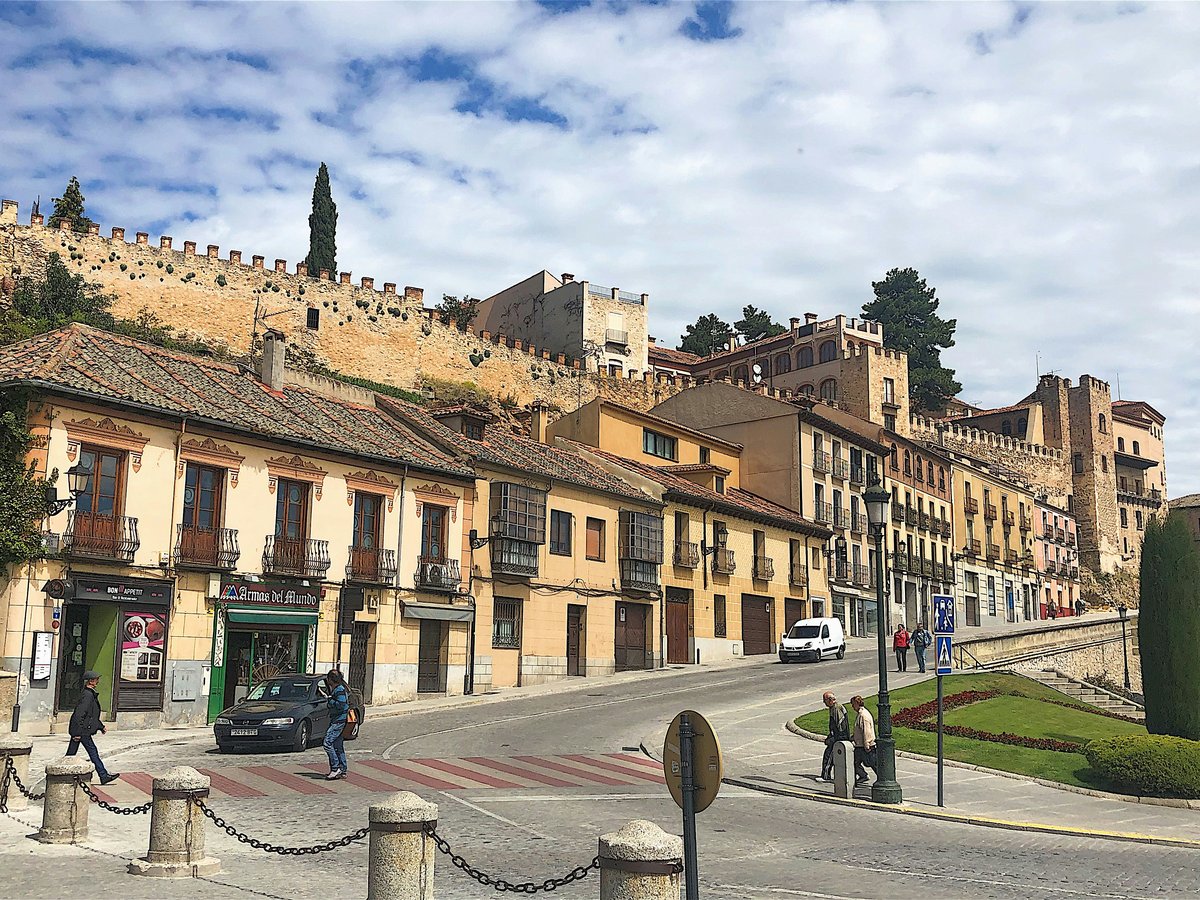
11 Old prison of Segovia
A prison from 1924 converted into a cultural centre
On a programme night, sound echoes down the corridors of the Old prison of Segovia, a building dating from 1924 that has been converted from a prison into a cultural centre. Skip the tourist circuit that treats Segovia as a medieval stage set; locals come here for what is on, not for the walls. Check the programme at lacarceldesegovia.com before you set out, because what happens inside changes with the calendar. Pick an event over a quick walk-through and you will meet a different town from the one on the postcards. The contrast with the cathedral and the castle is the point. A city is more than its oldest stones, and this place proves it.
Dates from 1924
-
12 Museo Zuloaga
A museum dating from 1955, protected as a Bien de interés cultural, open mornings Tuesday to Sunday
The Museo Zuloaga is open from 10:00 to 14:00 Tuesday to Sunday, with a second session running from 16:00 to 20:00 Tuesday to Saturday. The museum dates from 1955 and carries the protected status of a Bien de interés cultural. It closes on Mondays, and arriving at 13:45 on any other day is no better; come with time to spare. Skip the crowded headline sights for one session and give this smaller museum your attention instead. Check the regional museums page for current details before you go. Small museums like this one reward the visitor who reads every label, and they are rarely busy enough to stop you.
Dates from 1955 · Bien de interés cultural
Hours: Tu-Su 10:00-14:00; Tu-Sa 16:00-20:00
Last verified by automated review (v1.7.2_fame1017d-1015-1653-20261017052700) on . What is automated review?