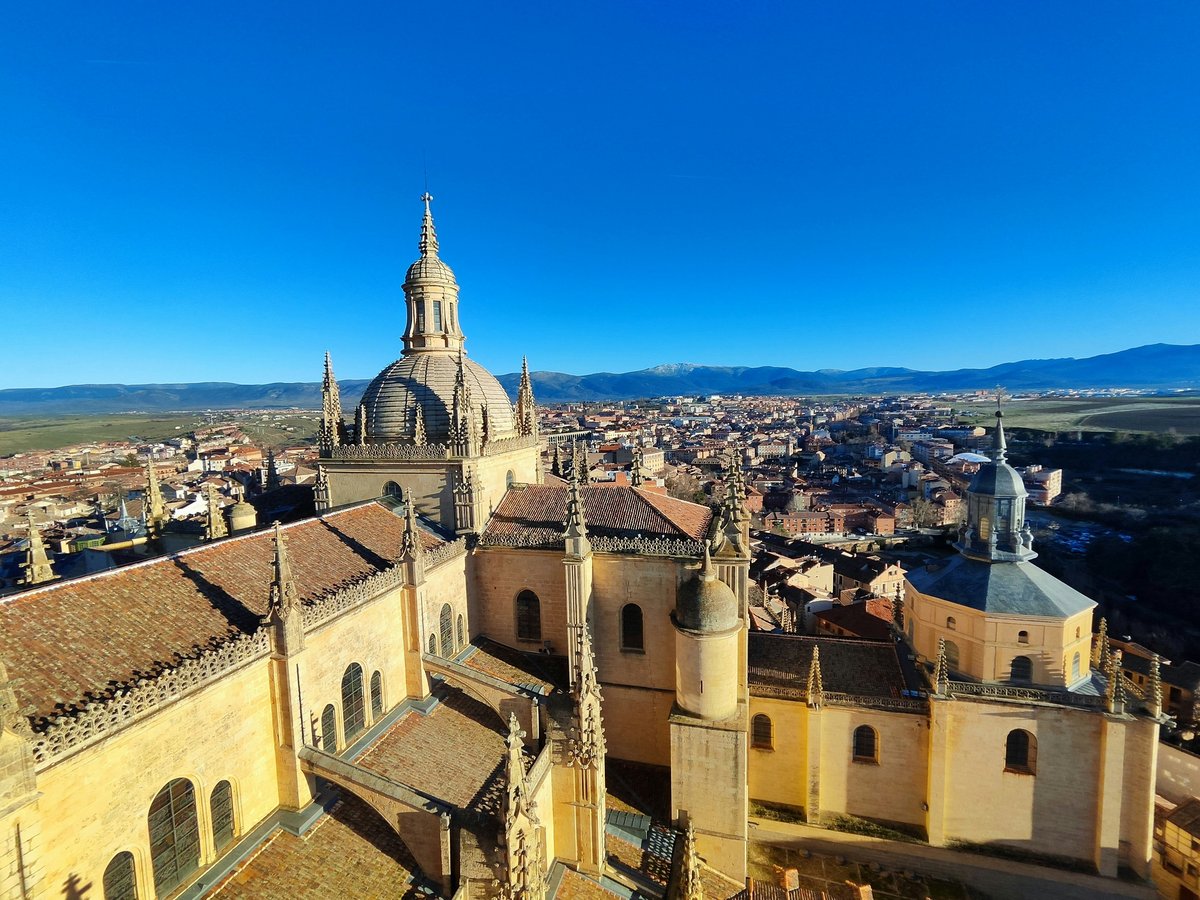
Segovia for first-time visitors
Royal Alcázar of Segovia is the prow-shaped castle above the confluence, listed as a UNESCO World Heritage Site. Three of the picks for first-time visitors in Segovia open by 09:00, so mornings can start early.
Segovia for first-timers, in numbers
- Picks on this page
- 24 places across 2 lists, led by Royal Alcázar of Segovia, Aqueduct of Segovia, Segovia Cathedral
- Posted hours
- 6 picks post hours earliest 08:30, latest 02:00; 3 open by 09:00, 5 past 21:00
Questions first-timers ask about Segovia
-
Must-see
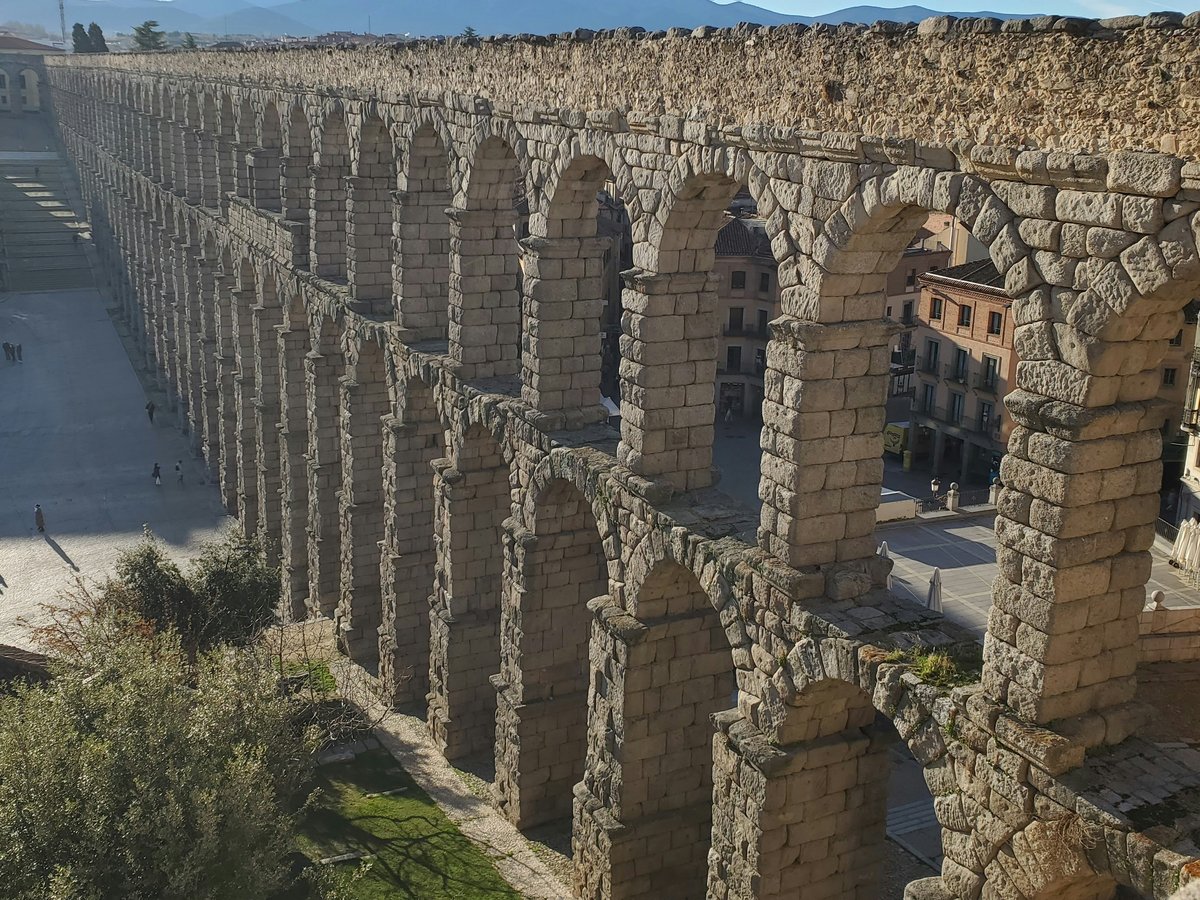
The Aqueduct of Segovia. Built around 200 AD from roughly 20,400 granite blocks with no mortar, the 28-metre Roman structure still stands in Plaza del Azoguejo. Walk west along the walled ridge to the Alcázar, passing the Cathedral on Plaza Mayor. All three fit inside a 1.2 km walk on the same granite spur.
Read the full answer → -
Best time to visit
May and October are Segovia's best months. Daytime temperatures hover around 20-22°C at the city's 1,000-metre elevation, the Aqueduct plaza is not yet packed with Madrid day-trippers, and cochinillo restaurants on Calle Real take walk-ins. July and August bring 32°C afternoons on exposed granite, and January drops below freezing after dark.
Read the full answer → -
Airport to city
Segovia has no airport. From Madrid-Barajas (MAD), take the Cercanías C1 train to Chamartín (25 minutes, €2.60), then the AVE high-speed train to Segovia-Guiomar (27 minutes, €12-15). Bus 11 runs from Guiomar to the Aqueduct at Plaza del Azoguejo for €2. Door-to-door time runs about 90 minutes.
Read the full answer → -
How to get there
Segovia has no airport. Fly into Madrid-Barajas (MAD), 95 km southeast, then take the Renfe AVE high-speed train from Madrid-Chamartín to Segovia-Guiomar in 27 minutes for €13-15 one way. La Sepulvedana buses from Moncloa station run every 30 minutes, take 75 minutes, and cost €9. Most visitors base in Madrid and day-trip.
Read the full answer → -
Getting around
Walk everywhere in Segovia's old city. The Aqueduct to the Alcázar is 1.5 km on cobblestone along Calle Real, about 25 minutes on foot. Bus Line 11 connects the AVE station at Segovia-Guiomar to Plaza del Azoguejo for €1.30. Taxis run on meters at €5-8 within the center. No metro, no ridehail apps.
Read the full answer →
Curated for first-timers
-
Must-see attractions
Segovia's must-sees are mostly stone: a Roman-engineered aqueduct bridge, a castle that doubles as a museum, a cathedral dating from 1525, a monastery from 1447, and several that fall inside a UNESCO World Heritage Site. Beyond the walls, the Crown left two palaces: La Granja, a former royal summer palace dating from 1721, and Riofrío, from 1751. The list reaches into the twentieth century too, with a prison from 1924 that now works as a cultural centre. These twelve are for visitors who would rather understand a place than tick it off, and most people give them far less time than they deserve, arriving for a single day, taking the same three photographs and leaving. Give the monuments a morning, the monasteries an afternoon and the palaces a day of their own, and Segovia stops looking like a postcard and starts reading like a history.
See the picks → -
Best restaurants
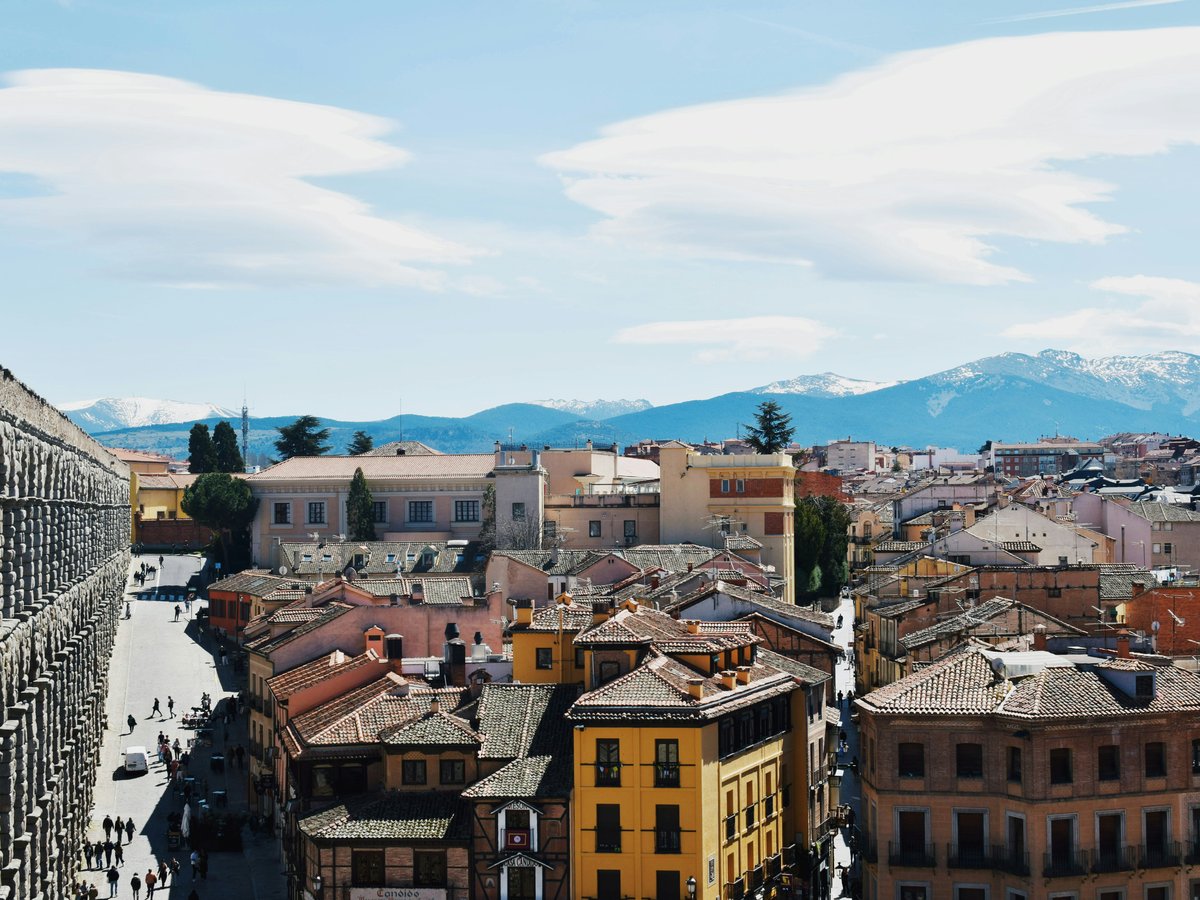
Segovia eats the way it builds: slow, deliberate, and around a fire. The city sits under a Roman aqueduct that still splits its lower town, and the restaurants worth a visitor's afternoon are mostly the ones that took a position on cochinillo, cordero, and the regional grammar of Castilla y León and refused to drift. This list favors that grammar. It leans on the old asadores near Plaza del Azoguejo and the Acueducto, then walks out to the Padre Claret spine and the residential streets beyond the walls, where the locals book their birthdays. A few detours: a burger house, a late-night tavern, a pizzeria on the far edge of town. They earn their places on merit, not novelty. What follows is twelve addresses, ranked, cited to their OSM and Wikidata records and their own websites, with the hours and phone numbers a real evening needs. Read for the stance as much as the address; the point of a curated list is what it leaves out.
See the picks →