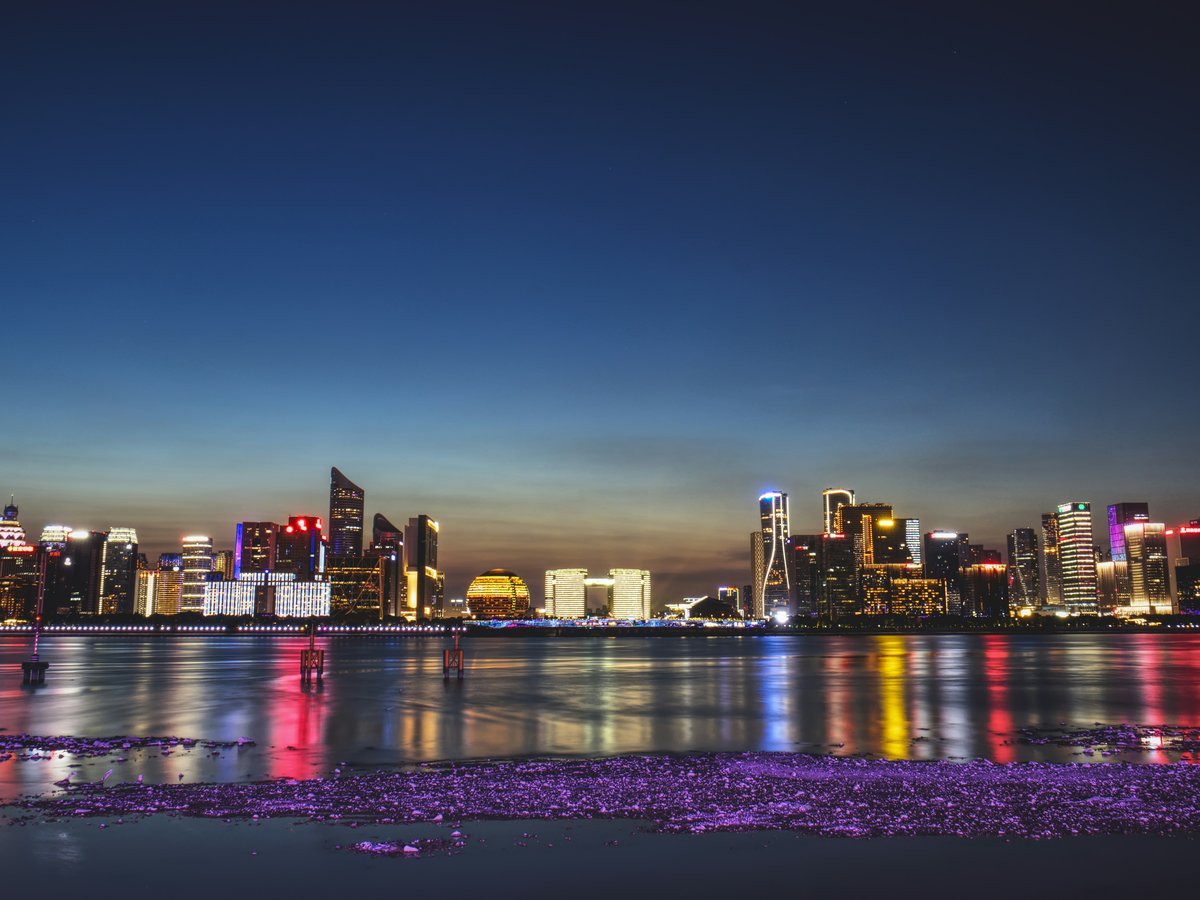
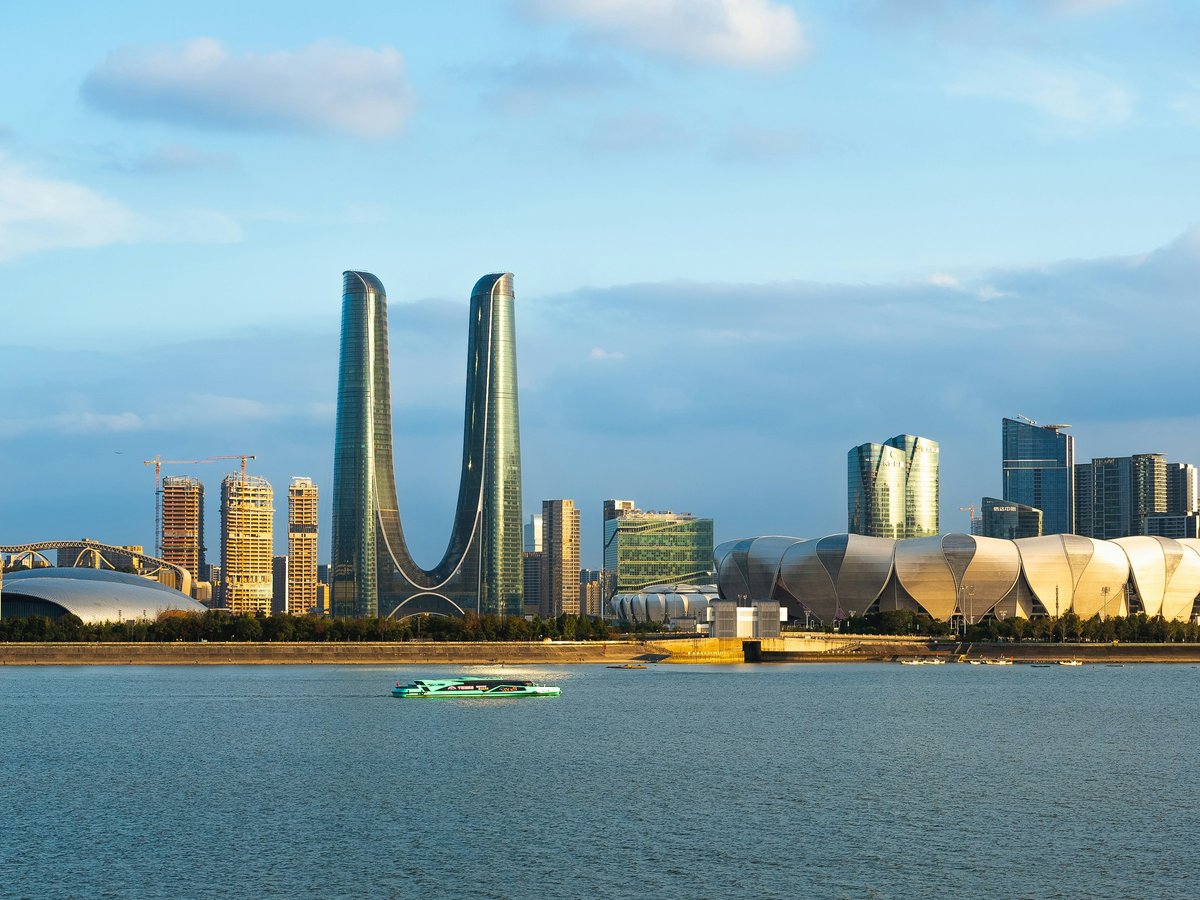
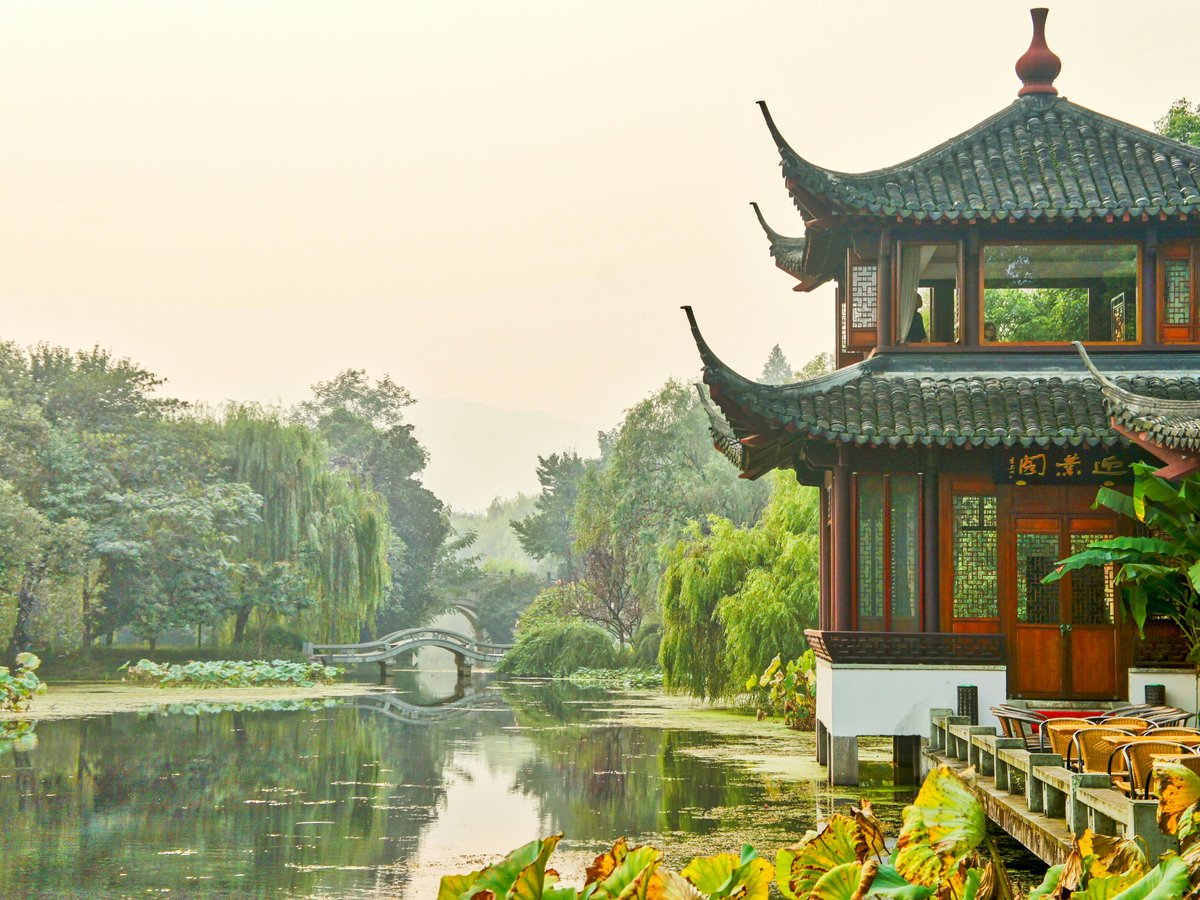
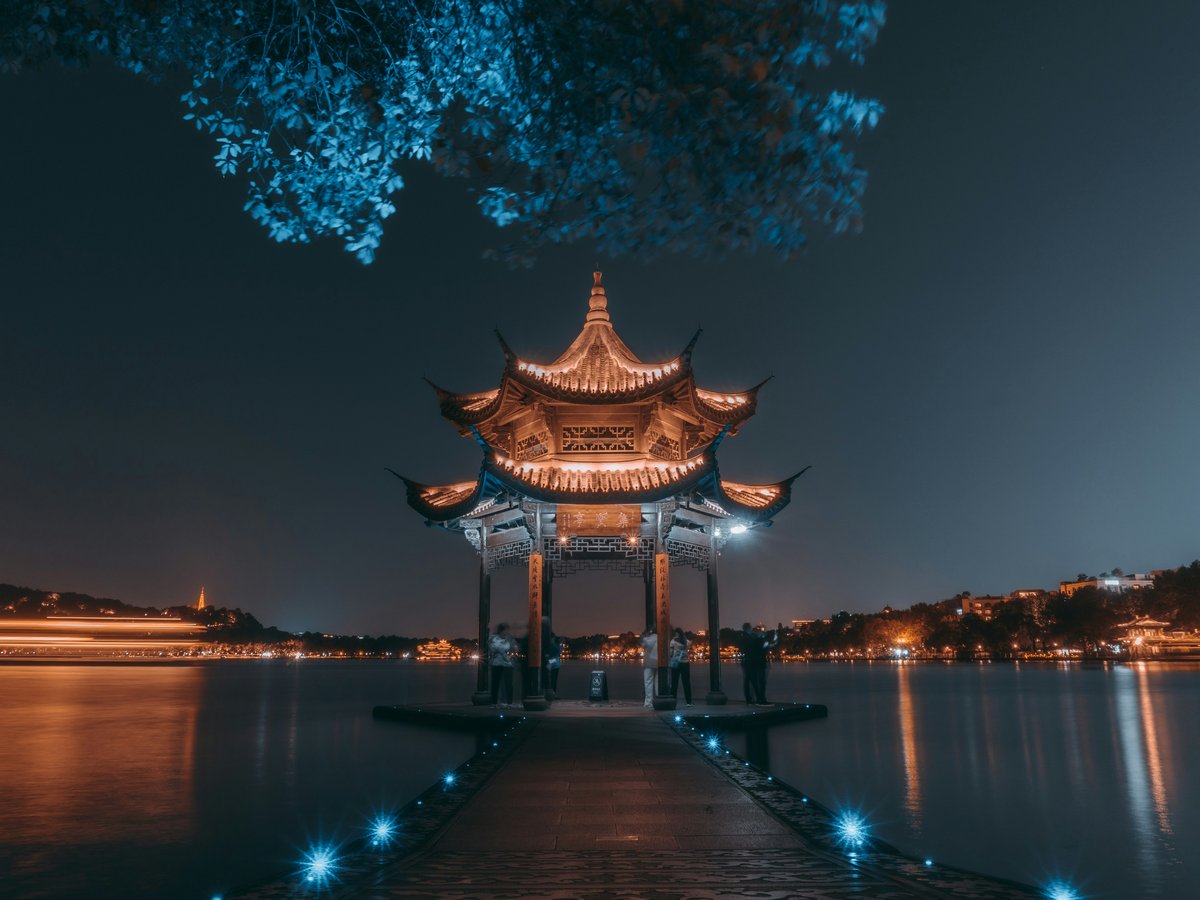
West Lake sits at the center of Hangzhou the way a courtyard anchors a house: everything orients around it, and the city of twelve million people has organized itself accordingly for over a thousand years. Marco Polo called it the finest city in the world, and while that claim belongs to the thirteenth century, the geography that prompted it hasn't changed: a shallow freshwater lake ringed by forested hills on three sides and a dense modern city on the fourth. The lake itself is small enough to walk around in a morning, and doing so remains the single best introduction to a place that rewards slowness over itinerary. Start from Broken Bridge on the Bai Causeway at dawn, when tai chi groups claim the stone railings and the pagoda on Leifeng Hill catches the first light across the water. Head south through the lakeside parks toward Longjing, where the tea villages that produce China's most famous green tea sit in terraced rows above the city, and where a glass of the current season's picking costs less than a cup of coffee back home. The contrast between this rural periphery and the Wulin Road corridor twenty minutes east, where Hangzhou's tech wealth concentrates in glass towers and the flagship stores of companies headquartered here (Alibaba chief among them) defines the city's particular tension. Hangzhou is simultaneously China's classical garden showcase and one of its most aggressive technology economies, and visitors feel both registers in a single afternoon. The Hefang Street area near the Southern Song imperial palace ruins sells itself to tourists, but locals eat better in the residential blocks around Wushan and Zhongshan South Road, where Hangzhou's sweet-savory cooking (the vinegar-glazed West Lake fish, the sticky lotus root stuffed with rice) appears in restaurants that don't bother translating their menus.
Hangzhou in photos
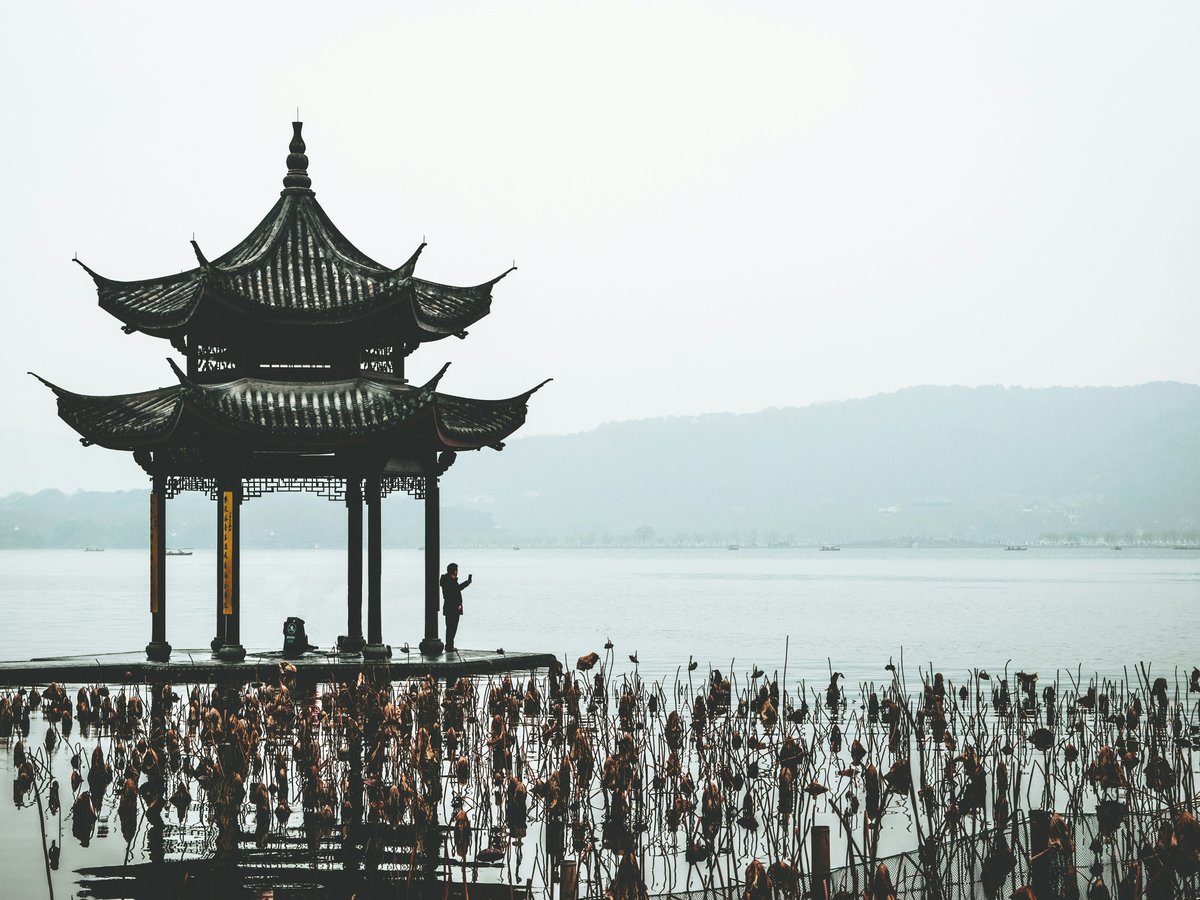
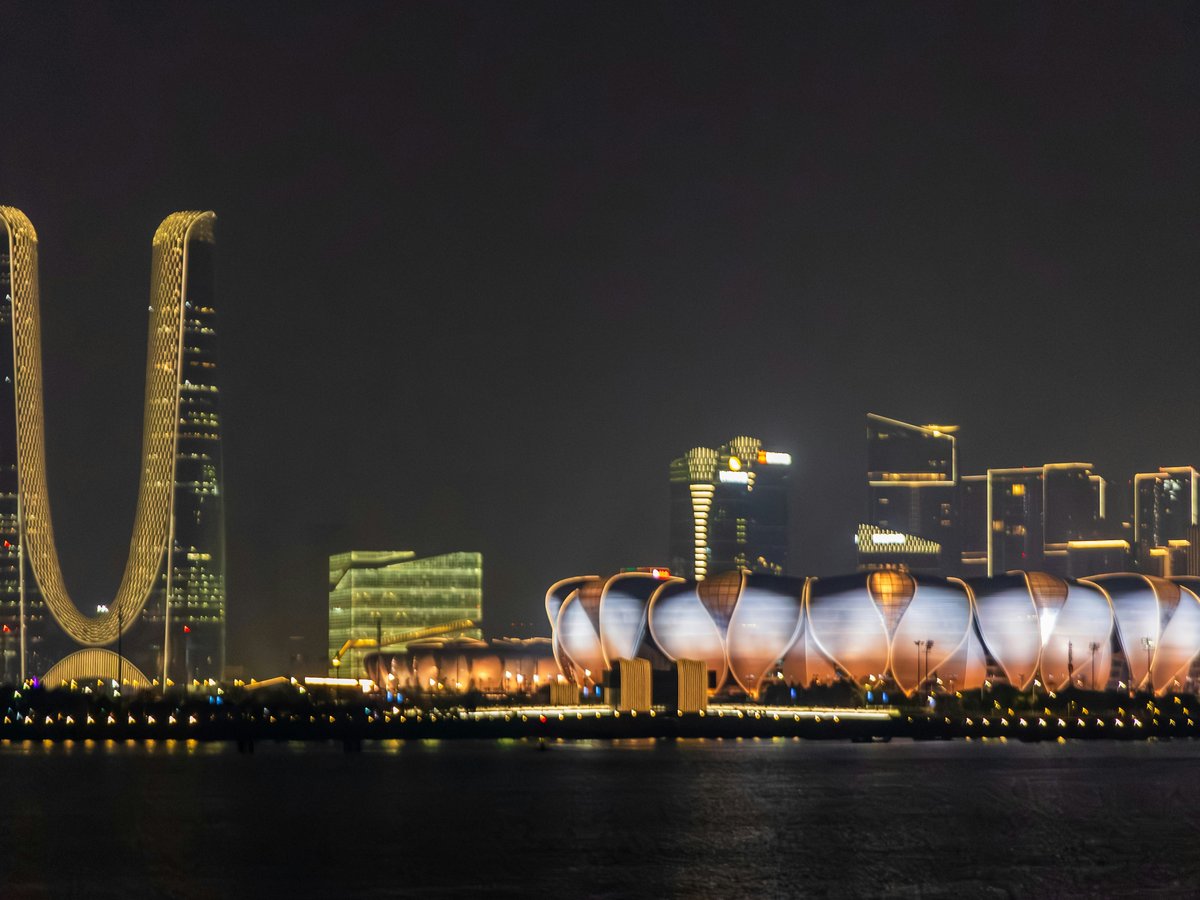
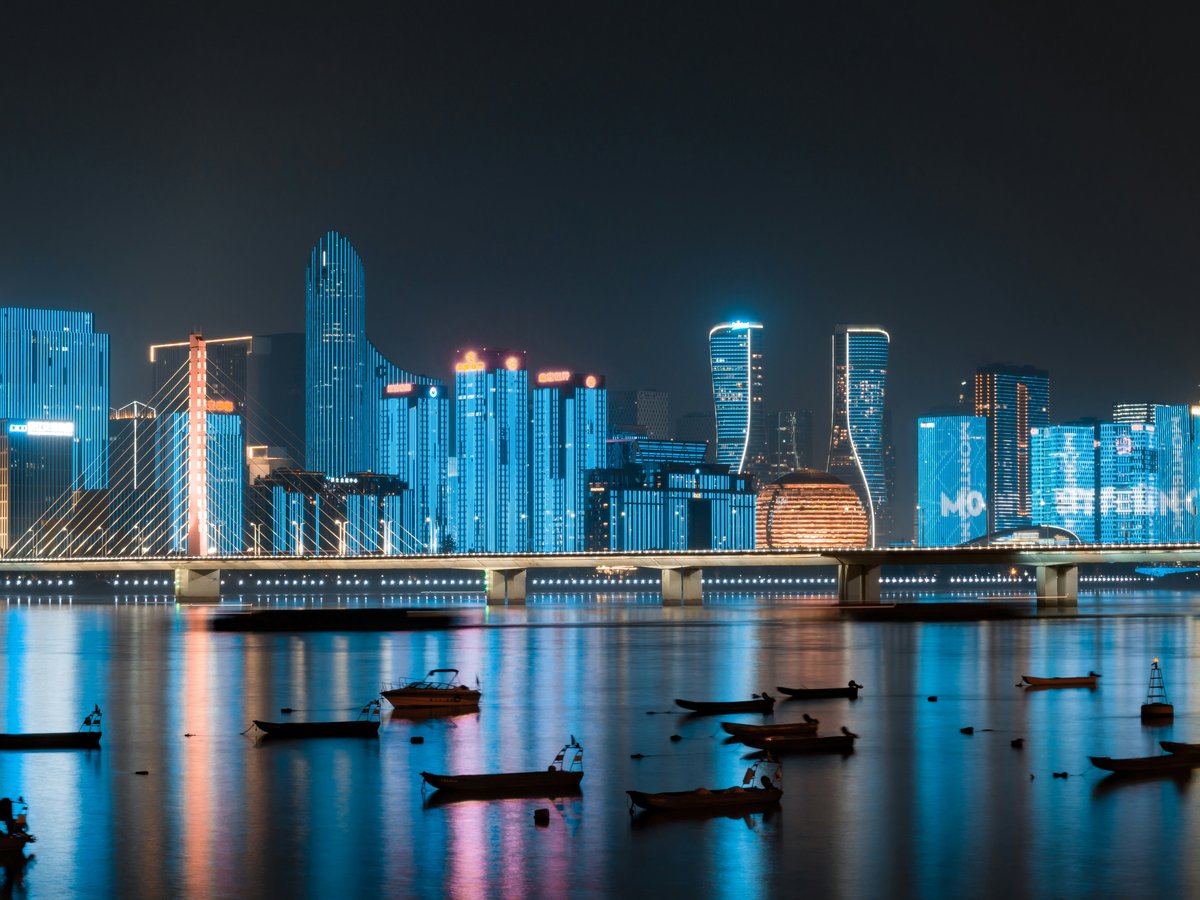
Hangzhou right now
Answers about Hangzhou
-
Airport to city
Take Metro Line 1 from Hangzhou Xiaoshan Airport (HGH) to the West Lake area. The fare runs about 8 CNY ($1.20), and the ride takes roughly 65 minutes. Trains operate from around 6am to 11pm. After hours, Didi (China's ride-hailing app) costs 120-180 CNY ($18-27) for the 27km trip.
Read the full answer → -
Best time to visit
Go between mid-October and late November: by then Golden Week (1 to 7 October) has cleared out of West Lake, daytime highs settle near 20°C, and the plane trees along Nanshan Road turn gold. April is a close second because the Longjing tea harvest is under way then. Skip June's plum rains and the 35°C heat of July.
Read the full answer → -
Cost per day
Budget ¥170/day ($25) covers a hostel dorm near the Wulin commercial district, three canteen meals, and Hangzhou Metro rides. Midrange ¥570/day ($85) gets a three-star near West Lake, sit-down Hangzhou cuisine, and paid attractions like Leifeng Pagoda. Luxury starts around ¥2,000/day ($300) with a lakeside five-star and private car. West Lake itself costs nothing to walk.
Read the full answer → -
Cultural etiquette
Hangzhou runs on tea, not small talk. When offered Longjing, receive the cup in both palms and double-tap the table with two fingers as thanks. Never plant chopsticks upright in rice. Tipping is absent from Chinese dining culture. Buddhist temples like Lingyin enforce covered shoulders and knees, and monks should not be photographed without permission.
Read the full answer → -
Best day trips
Shaoxing is the strongest single-day trip from Hangzhou. The CRH from Hangzhou East takes 25 minutes and costs ¥19.50 second class. One partner gets Lu Xun's preserved canal-side neighborhood, the other gets warm yellow rice wine at Xianheng Wine House. Wuzhen and Moganshan both reward the effort, though Moganshan has no public bus and Wuzhen needs an early start.
Read the full answer → -
Digital nomads
Hangzhou rates 5.8/10 for digital nomads (sourced from TTDI's editorial rubric). Home fibre in Binjiang and Xihu district runs 500 Mbps to 1 Gbps, though Gmail, Slack, and Zoom all need a VPN or a roaming eSIM to function, and China has no nomad visa. Budget about $1,750 a month. Most Europeans get 30 days visa-free per entry, and Americans need an L visa.
Read the full answer → -
Family-friendly
Hangzhou scores 7.8/10 for family friendliness (see the TTDI Family-Friendliness Index). West Lake's flat, paved lakeside paths handle strollers well, and the China National Tea Museum and Hupao Spring give kids room to run and splash. Summer heat above 33°C is the main constraint. Most mall bathrooms have changing tables. Kid food tilts toward mild noodles, dumplings, and rice.
Read the full answer → -
Food culture
Hangzhou runs on Zhe cuisine (浙菜), one of China's Eight Great Traditions. The style is lighter and sweeter than Sichuan or Cantonese cooking, built around West Lake freshwater fish, Longjing tea leaves, and spring bamboo. Dongpo Pork, West Lake Vinegar Fish, and Longjing Shrimp define the canon. Lunch starts at 11:30, dinner by 6.
Read the full answer → -
Getting around
Hangzhou Metro's 12 lines reach most tourist areas, with Line 19 running direct from Xiaoshan Airport to the city center in 45 minutes for 25 CNY. DiDi handles the gaps. Alipay works as payment everywhere here, Alibaba's hometown. Download DiDi and Alipay before you land.
Read the full answer → -
How to get there
Hangzhou Xiaoshan International (HGH), 27 km southeast of West Lake, handles direct flights from 40+ Asian cities and seasonal long-haul routes. From North America or Europe, connect through Shanghai, Beijing, or Seoul. The faster option from Shanghai is a 59-minute bullet train from Hongqiao station, with departures every 10-15 minutes for ¥73 ($11).
Read the full answer → -
Is it safe?
Hangzhou scores 7.8 out of 10 for solo-traveler safety (see the TTDI Solo-Safety Index). Violent crime against visitors is near zero. The real risks are electric scooters running silent on sidewalks, the tea-ceremony scam targeting solo walkers around West Lake, a cashless payment wall requiring WeChat Pay or Alipay, and a language barrier that complicates emergencies when dispatchers speak only Mandarin.
Read the full answer → -
Language basics
Mandarin Chinese, with the local Hangzhouhua dialect (a Wu Chinese variant) still spoken by older residents around Wushan Square and the wet markets. English proficiency in the West Lake tourist zone sits at roughly 3/10. Hotel concierges and chain cafes manage. Taxi drivers, local restaurant servers, and temple ticket vendors don't. Have Pleco and WeChat translate ready before you land at Xiaoshan Airport.
Read the full answer → -
Layover guide
Yes, if your layover at Hangzhou Xiaoshan is seven hours or longer. Metro Line 1 reaches West Lake's shore in about 55 minutes for 9 CNY. Many passports qualify for China's visa-free transit window, though you'll need a confirmed onward ticket to a third country. Under seven hours, stay airside.
Read the full answer → -
LGBTQ-friendly
Hangzhou rates 4/10. China decriminalized homosexuality in 1997 but has no same-sex marriage, civil unions, or anti-discrimination protections. There is no visible queer scene. The city's tech-sector demographics (Alibaba is headquartered here) skew younger and more tolerant, but the community connects through apps like Blued, not through bars or neighborhoods. Safe, but invisible.
Read the full answer → -
Where locals go
The Hangzhou that locals know runs along a different map: Baoshi Mountain and Baochu Pagoda before 7am, Shengli River food street in Gongshu after dark, the Grand Canal at Xiaohe Street on weeknights, and weekend drives to Meijiawu or Manjuelong for tea lunches. On workdays, Hangzhou Library in Qianjiang New City and Qingteng Tea House on Nanshan Road are the places they choose over any cafe.
Read the full answer → -
Must-see
West Lake. The 6.39 km² lake has been Hangzhou's center of gravity for over a thousand years. Walk the Su Causeway at 6:30am before tour buses arrive from Shanghai. Willow branches brush your shoulders, lotus scent sits heavy on the water, and the three stone lanterns on the south side have stood since 1621. Free entry, no reservation needed.
Read the full answer → -
Solo travel
Hangzhou works well for solo travel. The 7-line metro runs until 22:30, crime rates are low, and most restaurants serve individual portions rather than family-style-only. The single biggest friction is the payment wall. Hangzhou is Alibaba's hometown and cash acceptance is near-zero at smaller vendors. Set up Alipay's Tour Pass before arrival or you'll struggle to eat, ride bikes, or buy metro tickets.
Read the full answer → -
This week
Hangzhou's week follows the lake and the tea. West Lake's predawn shore belongs to locals, not tour groups. Longjing Village empties out midweek. Hefang Street's night market fires up on weekends from around 5pm. Midsummer runs hot and humid with afternoon downpours. Time outdoor plans around the morning cool or the post-rain window.
Read the full answer → -
3-day itinerary
Day 1 covers West Lake's eastern shore, Bai and Su Causeways, Leifeng Pagoda, and Hefang Street. Day 2 goes west to Lingyin Temple, Longjing Village tea farms, and Hupao Spring. Day 3 visits Liuhe Pagoda on the Qiantang River and Xixi Wetland. About 28 kilometers of walking total.
Read the full answer → -
What to avoid
Skip West Lake during National Day week (1 to 7 October), the ¥40 escalator ride up the rebuilt Leifeng Pagoda, the "practise English" tea-house invitation on Hubin Road, roadside Longjing tea at ¥100 a bag, and West Lake vinegar fish at Lou Wai Lou. Take Metro Line 1 from Xiaoshan Airport, not a tout's car.
Read the full answer → -
What to pack
Pack waterproof walking shoes and a rain jacket first. Hangzhou's West Lake circuit covers 15 km of wet flagstone, and June's meiyu plum rain season drops 180-200 mm over 15-20 rainy days. Bring a 10,000 mAh portable charger for WeChat Pay and Amap navigation, which replace cash and paper maps. Buy umbrellas and mosquito repellent locally for under 25 CNY.
Read the full answer → -
Where to stay
Stay along Hubin Road on West Lake's eastern shore for a first visit. Metro Line 1 runs underneath, the lakeside path starts outside your door, and four-star hotels run $70-150 per night. Beishan Road on the quieter north shore suits repeat visitors at $50-100. Avoid the Qianjiang New City CBD, 8 km east with nothing to walk to.
Read the full answer →
Deep guides for Hangzhou
Curated lists for Hangzhou
accommodation
-
Best boutique hotels
Hangzhou splits into two kinds of accommodation territory: the historic western arc around West Lake, where temple bells and bamboo trails set the morning pace, and the glass-tower eastern bank of the Qiantang River, where the city's money and metro lines converge. Most first-time visitors default to the lakeside strip and pay a premium for the view; repeat visitors and business travelers know the river districts deliver equivalent hotel quality at lower rates with faster airport access. Between those poles sit residential neighborhoods, sports-district apartments, and the southern lake reserves that barely register on the tourist circuit. The nine areas below map Hangzhou's real accommodation geography: from the bamboo-covered hills west of Lingyin Temple to the terminal-adjacent towers near Xiaoshan, so you can match your neighborhood to your trip, not the other way around.
See the picks → -
Best hostels
Hangzhou's accommodation map splits along a single fault line: West Lake on one side, the Qiantang River's new-build towers on the other, and the Grand Canal threading a commercial belt between them. Most first-time visitors default to the lakeside, and the lakeside rewards them, but the city's budget-hotel inventory fans out far wider than the obvious promenade. The areas closest to the water command a premium that has less to do with room quality than with the walk to the Su Causeway, while neighborhoods a metro stop inland deliver higher ratings at half the nightly rate. The canal corridor, the university quarter near Huanglong, and the railway station grid each carry a different rhythm after dark, and that rhythm matters more for a hostel stay than the view from the lobby. Knowing which streets go quiet at sunset and which ones are still serving dumplings at midnight is the difference between a neighborhood that fits your trip and one you endure.
See the picks → -
Best luxury hotels
Hangzhou's luxury hotels do not chase height or flash. They settle into the landscape (along the lakeshore, inside wetland preserves, across scenic districts) and let the geography set the tone. The 5 properties here span the full width of what luxury means in this city: a global chain with 8 restaurants and a lakeside address, a state guesthouse rated 9.7 on Trip.com, a wetland retreat where butler service meets hiking trails, a hot-springs manor with shuttle service running inside its own grounds, and a compact property in Hangzhou's Lin'an District where the room count stays deliberately low. Nightly rates run from USD 221 to USD 293; every property is classified luxury tier on Trip.com. The question is not whether these hotels deliver. It is which version of Hangzhou you want to wake up in.
See the picks → -
Where to stay
Hangzhou stretches along the northern shore of the Qiantang River, but the city's accommodation logic orbits one landmark: West Lake. The lakeside eastern shore concentrates the densest hotel inventory and the easiest walking access to Broken Bridge, Beishan Road, and the Lakeside Genshan subway interchange. Move west toward Lingyin Temple and the density thins into hillside homestays wrapped in bamboo and tea plantations: a different trip entirely. North of the lake, Wulin Square anchors the commercial downtown with department stores, the canal terminus, and Line 1 connections in every direction. East across the river, Qianjiang New Town and the Olympic Expo district run on convention traffic and Qiantang skyline views, while Xiaoshan Airport's hotel cluster exists for one reason: the early flight. The Grand Canal corridor, threaded by the UNESCO waterway north of the old city, is the emerging alternative: cheaper, quieter, closer to Gongchen Bridge and the canal museum than to the lake. Each neighborhood prices and performs differently after dark; the gap between a lakeside luxury suite and a canal-district budget bed is not just cost but character. What follows maps ten areas by what surrounds them at walking pace, not by what their lobby photos promise.
See the picks →
attractions
-
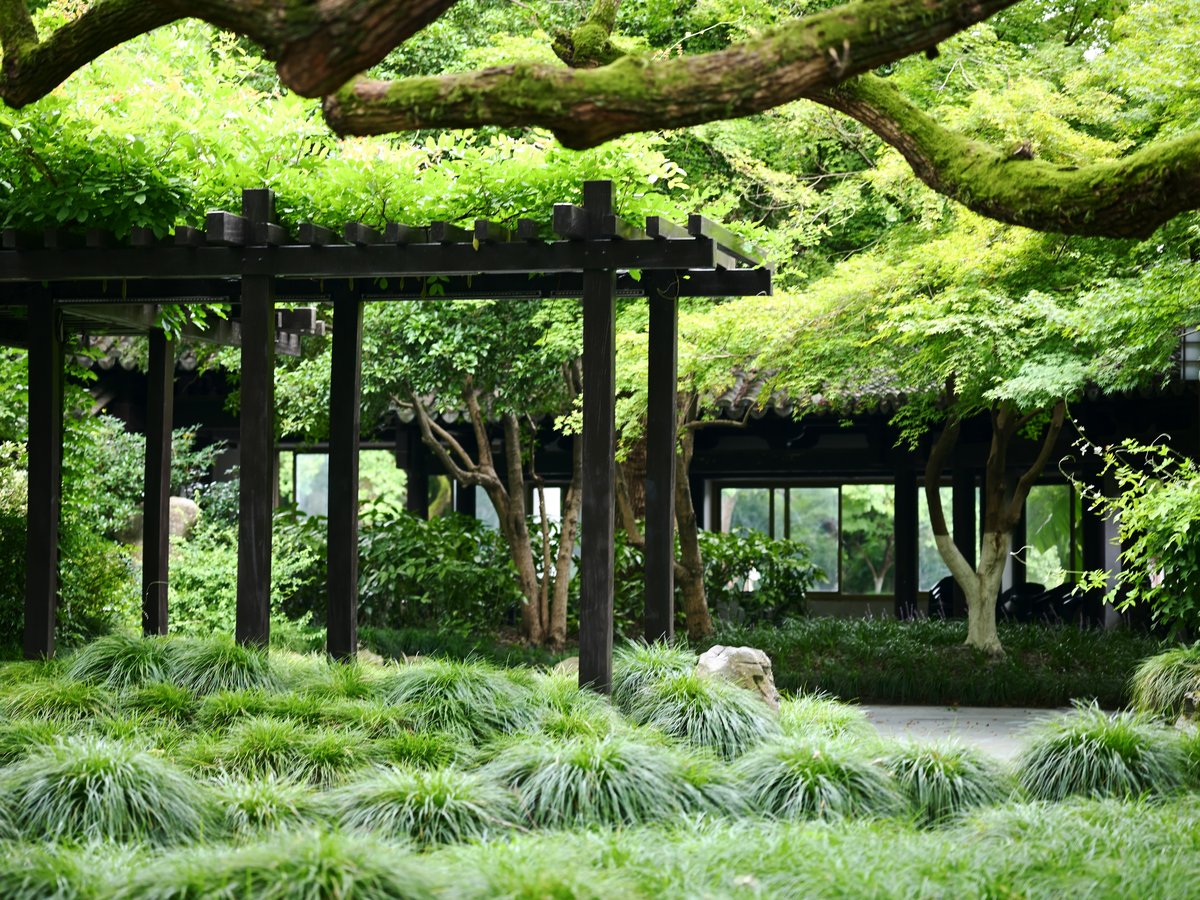
Best free attractions
Hangzhou's free landscape splits neatly between the civic and the horticultural. Downtown squares built into the commercial heart of the city double as gathering rooms after dark; botanical gardens, springs, and old lakeside viewpoints anchored around West Lake carry the horticultural half. This list is for the visitor who has already paid the West Lake toll of a dozen tour boats and wants a day that costs nothing, mixes concrete with camellias, and puts you next to the people who live here. Skip the packaged evening cruises and the ticketed pagodas: the seven places below cost nothing to enter, are open to anyone with the time to walk to them, and range from a downtown plaza the city treats as its living room to a lakeside park kept public where a traditional viewpoint once stood. Wear shoes you can walk in. Bring water. Skip the queue at the ticket booth by choosing venues that do not have one.
See the picks → -
Best museums
Hangzhou does its best museum work when a building commits to a single subject. The list opens with three specialists: a museum given over to tea, a traditional Chinese medicine museum that is also a drugstore, and a textile museum built around silk. Behind those sit two generalists, a provincial museum that dates from 1929 and a museum named for West Lake. Further along, the picks get narrower and stranger: an art museum for crafts, a seawall site museum that dates from 2020, and a water town culture museum in Linping. This is a list for the visitor who would rather learn one trade properly than skim five dynasties in an afternoon. One thing to know before you plan: verified opening hours exist for only two of these nine, the tea museum and the silk museum, and for the rest we say plainly what is on record and what is not, so confirm before you travel.
See the picks → -
Must-see attractions
Hangzhou's essential sights come in two kinds: water and worship. West Lake is the anchor, two pagodas on this list look out over it, and a Chan Buddhist temple stands to its south. The faith sites reach well beyond the shoreline: a temple honouring the Qian kings of Wuyue, two mosques, and a Roman Catholic cathedral. Four of the twelve carry China's top heritage designation, Major Historical and Cultural Site Protected at the National Level. The dates run from a pagoda raised in AD 970 to a temple Wikidata dates to 2009. This list is for the traveller who wants the city's shape, not just its postcard. Walk the lake, then leave it. Give the river, the old faith sites, and one evening at the theatre the same attention, and Hangzhou turns into a city rather than a single view.
See the picks →
food
-
Best cafes
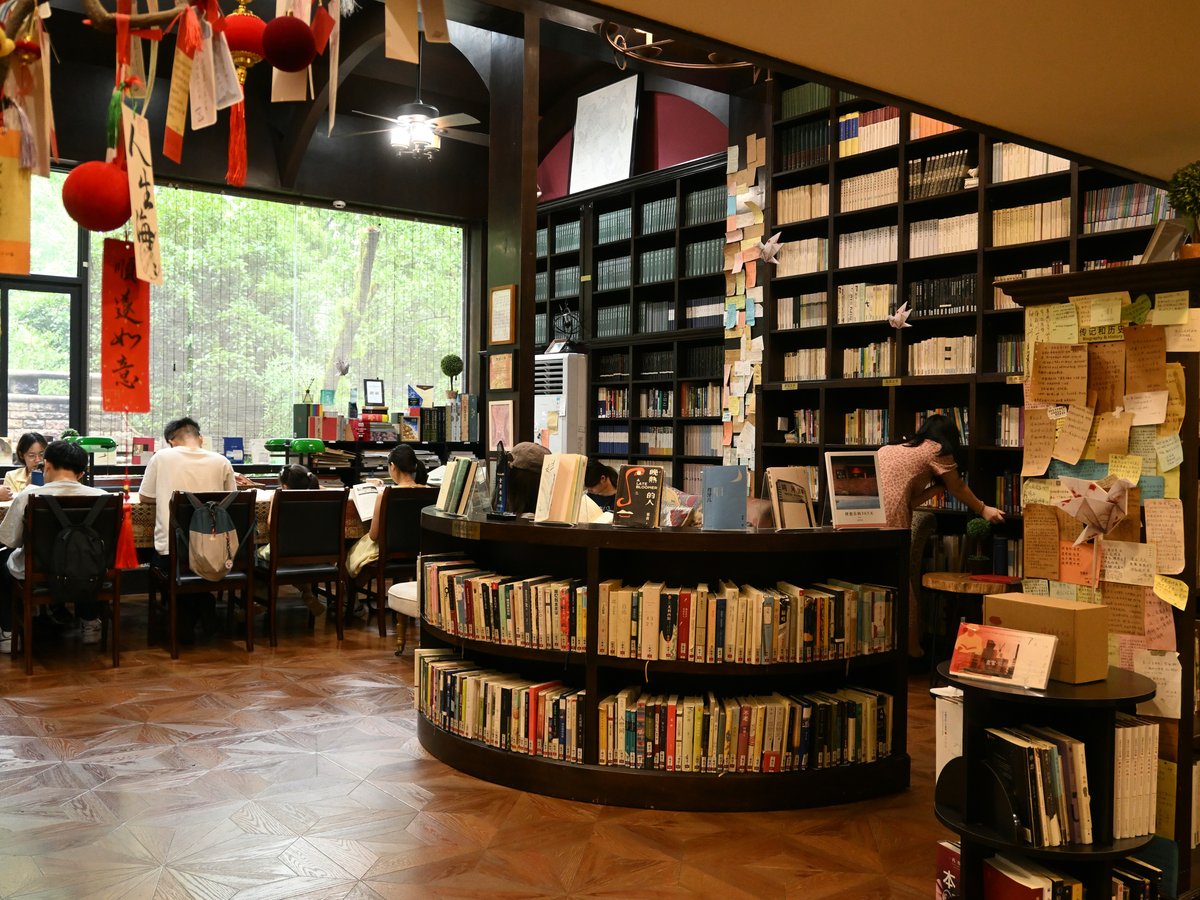
Hangzhou's cafe map runs on two grids that rarely apologise for each other. One is the international chain: Starbucks, Costa, Luckin, reliable for a plug socket, a predictable espresso, and a table you don't have to defend at 11am. The other is the independent counter, a room the size of an apartment, opened by someone who spent a year abroad learning to roast, quiet by day and full of art-school students by dusk. This list weighs both grids on their own terms. The 12 addresses below skew toward the independents, but the chains earn their slots on the same tests: a specific address, a specific hour, a specific reason to go to this one and not the one two streets over. One entry is a mutton-noodle counter, kept in place because Hangzhou's coffee walks pass under noodle steam. Every hour, address, and phone number below is drawn from OpenStreetMap; verify hours by phone before a special trip. Chinese cafe hours drift with the weather, the season, and the mood of the owner.
See the picks → -
Best restaurants
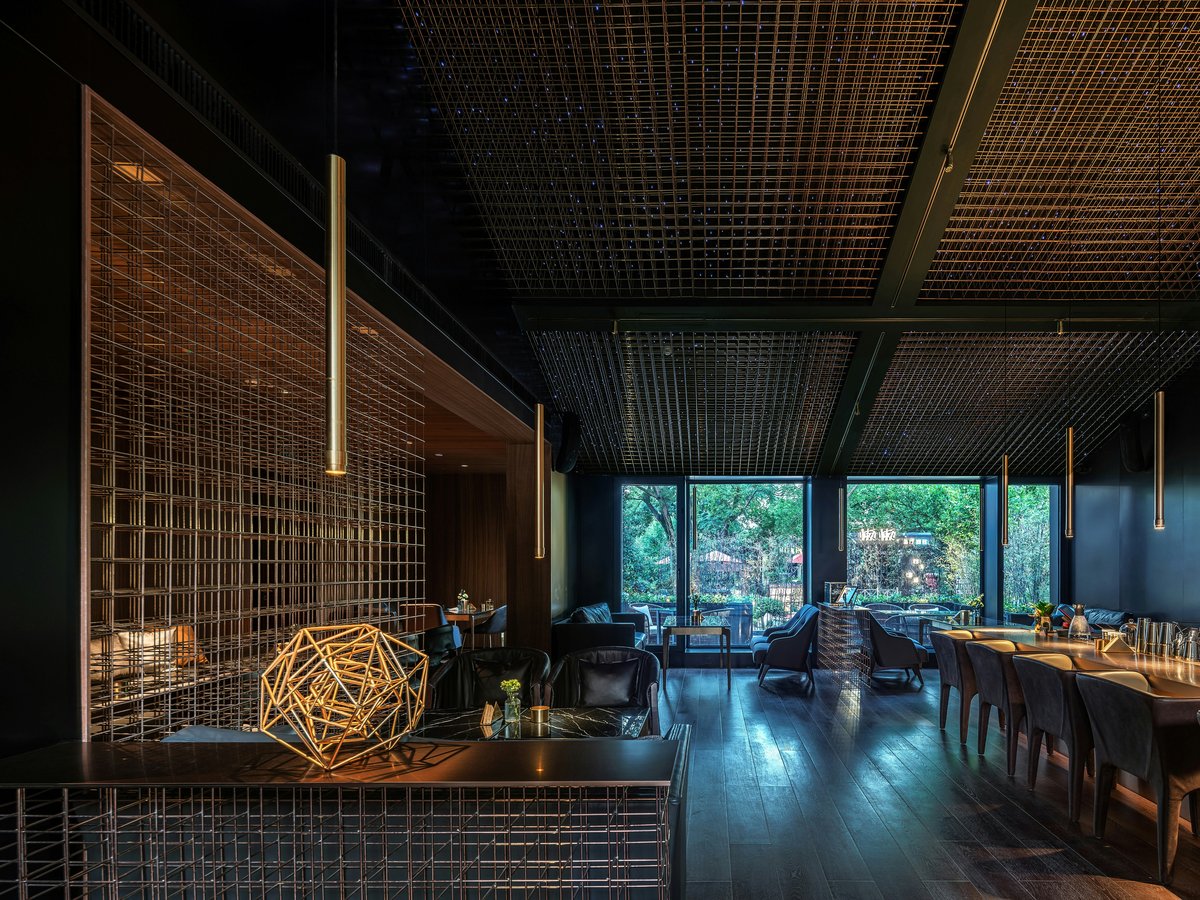
Hangzhou eats on two clocks. There is the long lunch that stretches into an afternoon of tea and river-fish, and there is the late kitchen that opens after the West Lake tour buses have gone home and the city belongs to its own residents again. This list of twelve is built for both. It is not a survey of banquet halls chasing tourist coach parties, and it is not a Michelin fantasia. It is a working editor's map of where to eat on a real week in the city: a Zhejiang classicist near Yan'an Road for the canonical Hangzhou repertoire, a Sichuan stalwart on Fengqi Road for the nights you want chili instead of vinegar, an Indian kitchen out on Dongxin Avenue for the nights you want neither, a steakhouse that keeps a bar open past midnight, and a coffee counter in a Wulin Road courtyard for the mornings you need to start slowly. Between them they cover eleven cuisines and thirteen postal blocks, and every address, phone number, and opening hour on the page below is drawn from OpenStreetMap and cited fact by fact. No invented years, no invented dishes, no invented neighborhoods: only what the map records.
See the picks →
Browse by traveler type
- For foodies
Hangzhou for foodies
- For families with kids
Hangzhou for families
- For digital nomads
Hangzhou for digital nomads
- For solo travelers
Hangzhou for solo travelers
- For couples
Hangzhou for couples
- For budget travelers
Hangzhou on a budget
- For luxury travelers
Hangzhou for luxury travelers
- For first-timers
Hangzhou for first-time visitors
Browse by interest
Find a flight to Hangzhou
Live fares to Hangzhou appear here once cookies are accepted.
Last verified by automated review (v1.7.2) on . What is automated review?