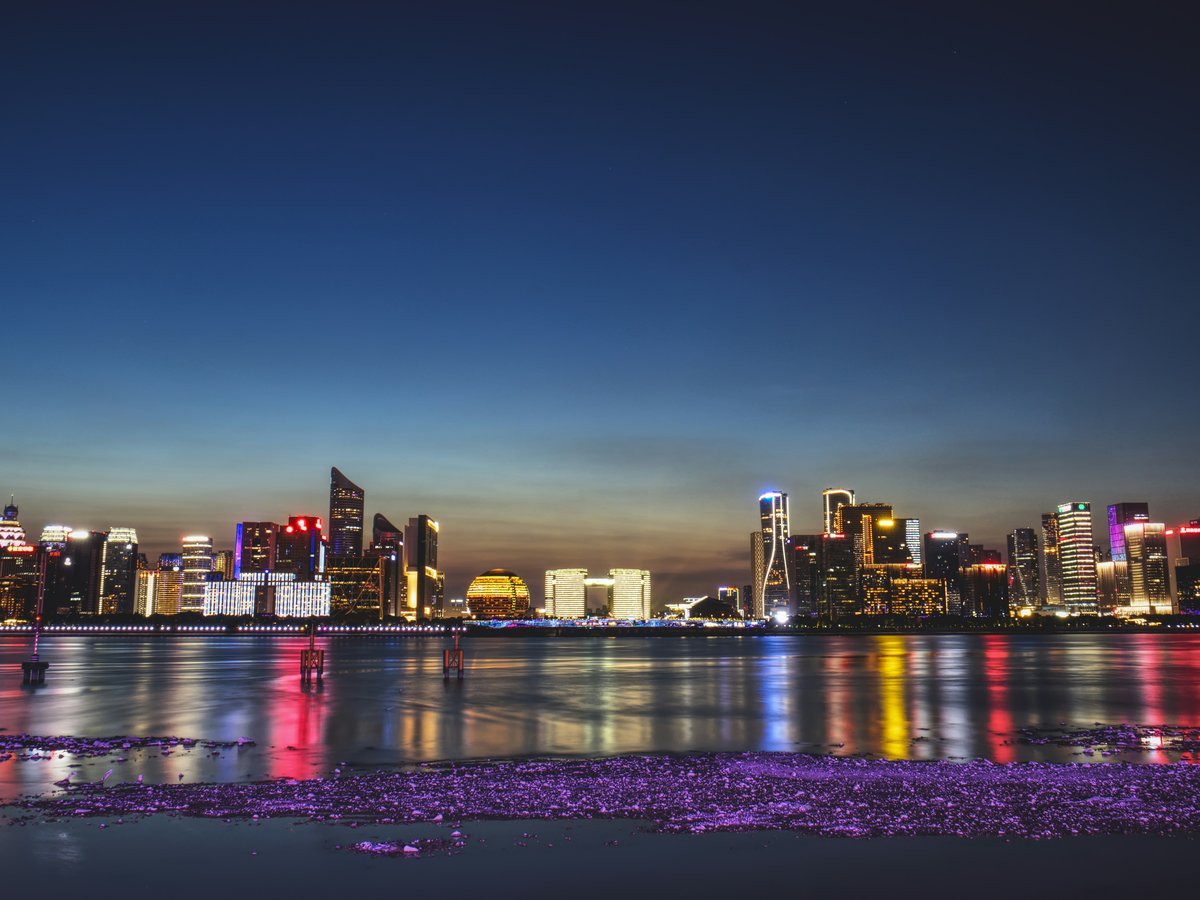
Hangzhou has been a silk city for over 2,000 years, and that reputation still shapes what fills the shelves here. Longjing (Dragon Well) green tea from the hillside villages west of West Lake is the other signature export, with spring-harvest grades fetching well over 3,000 yuan per jin at source. The city sits in Zhejiang province, China's private-enterprise heartland, so the commercial instinct runs deep. You'll find everything from high-end malls along Yan'an Lu to elderly vendors selling hand-folded fans near Hefang Street. Worth noting, Hangzhou was also one of Alibaba's first testing grounds, so cashless payment adoption here might be the highest of any Chinese city. Physical retail has adapted rather than disappeared. The shopping tends to cluster around a few well-defined corridors, each with a distinct personality and price band. Silk, tea, scissors, fans, and chrysanthemum tea cakes remain the genuinely local goods, not the mass-produced souvenirs you'd find anywhere in eastern China.
Shopping districts
-
Yan'an Lu and Wulin Square
mid-range to upper-midYan'an Lu runs north-south through downtown and anchors Hangzhou's mainstream retail. Hangzhou Tower, Intime Department Store (In City), and the Wulin Intime flagship sit within a 10-minute walk of each other around Wulin Square. The crowd skews young professional, 20s to 30s, browsing international fast-fashion and domestic brands like Peacebird and Urban Revivo. Wulin Square itself fills up after 6pm on weekends with street performers and foot traffic that spills out of the Metro Line 1 exits. The surrounding side streets hold smaller boutiques and milk tea shops. Mind you, prices here are standard mall retail, not bargain territory.
Best for: Mainstream fashion, cosmetics, electronics, and department store shopping
-
Hubin Yintai in77
luxury to upper-midHubin in77 faces West Lake directly, spread across four open-air blocks between Yan'an Lu and the lakeshore. Block A and Block D lean luxury, with Gucci, Louis Vuitton, and Cartier occupying the lakefront positions. Block C trends younger, carrying streetwear and mid-tier brands. On warm evenings the terraces fill with people who came to window-shop and stayed for the lake view. The complex opened in phases starting around 2012, and it has largely replaced the older Hubin commercial strip as the prestige address. Expect premium pricing on everything from coffee to clothing.
Best for: International luxury brands, lakeside dining, and evening browsing
-
Hefang Street (Hefang Jie)
mid-range, tourist-inflatedHefang Street runs about 1.4 kilometers parallel to Zhongshan Zhong Lu in the old town near the Southern Song Imperial Street site. It is a pedestrianized tourist-facing strip, and locals will tell you so. That said, the Zhang Xiaoquan scissors shop at the east end has been operating since 1663, and the Wang Xingji fan shop nearby dates to 1875. Both sell functional, well-made goods alongside the tourist versions. The middle section tends toward snack stalls selling stinky tofu, sugar-blown candy, and osmanthus cakes. Prices run higher than elsewhere for the same goods, but the concentration of Hangzhou-specific craft shops in one walkable stretch still makes it a reasonable first stop. It gets shoulder-to-shoulder on weekends after 10am.
Best for: Traditional Hangzhou crafts, silk scarves, fans, scissors, and street snacks
-
Silk Market area (China Silk City / Hangzhou Sichou Cheng)
budget to mid-rangeChina Silk City sits on Xinhua Lu in Xiacheng district, a multi-floor wholesale and retail complex dedicated to silk fabric, finished garments, bedding, and accessories. The ground floor holds retail-friendly stalls where you can buy silk scarves from around 80 yuan and up, silk pillowcases, and qipao. Upper floors shift toward wholesale bolts of fabric, where tailors and small-brand owners come to source material. Quality varies enormously between stalls. Feel the fabric, check the weight, and look for the slightly irregular texture of real mulberry silk rather than the too-smooth sheen of polyester blends. The building can feel a bit dated and maze-like, but the selection and prices beat any department store for silk goods.
Best for: Silk fabric, scarves, bedding, and custom tailoring materials
-
Wantang Lu (Wantang Road)
mid-range to high for artisan goodsWantang Lu stretches along the north side of West Lake's western reaches, past Qu Yuan Garden and toward the botanical garden direction. It has developed a strip of independent cafes, design studios, and small galleries over the past 5 or 6 years. The vibe leans creative-class, with converted older buildings housing ceramics studios and tea rooms that source from specific Longjing villages. Foot traffic is lighter here than on the tourist circuits. You might find a printmaker selling limited-run woodblock prints or a shop specializing in Song dynasty style celadon reproductions. Prices tend toward the higher end for artisan goods, but the quality difference from mass-market equivalents is visible.
Best for: Independent design shops, ceramics, artisan tea, and gallery browsing
-
Hangzhou Jiebai (Jiefang Lu area)
budget to mid-rangeThe Jiefang Lu commercial area near the intersection with Qingchun Lu caters to Hangzhou residents rather than visitors. Jiebai Department Store has been a local institution since the 1950s, though it has been renovated several times. The surrounding streets hold small electronics vendors, local clothing shops, fabric stores, and the kind of practical retail that serves the neighborhood. Prices sit below the Yan'an Lu corridor. This is where you'd go for everyday items, local snack shops, and a sense of how Hangzhou people spend their money. The pace drops compared to the tourist zones.
Best for: Everyday local shopping, neighborhood restaurants, and budget-friendly goods
Markets
-
Wushan Night Market (Wushan Lu)
night / street foodWushan Night Market sets up along Wushan Lu near Wushan Square, south of West Lake. The stalls lean heavily toward street food, clothing, phone accessories, and small household goods. The food section is the draw. Expect vendors grilling squid on sticks, frying scallion pancakes, and ladling out sweet fermented rice soup (jiuniang). The smell of cumin-spiced lamb skewers mixes with the sweetness of roasted chestnuts in cooler months. Prices start low, often 10-15 yuan for a snack portion. The clothing and accessories stalls sell at typical Chinese night market rates. It currently operates most evenings, getting busiest after 7pm on Fridays and Saturdays.
Evenings, typically from around 5pm to 10pm or later
-
Sijiqing Clothing Market
wholesale clothingSijiqing sits in Jianggan district and operates as one of eastern China's larger wholesale clothing markets. Multiple buildings hold thousands of stalls selling garments at near-factory prices. The target customer is resellers and small shop owners buying in bulk, but individual shoppers can buy single pieces at most stalls. Expect to pay 30-60% less than mall retail for comparable quality on basics like knitwear, jackets, and trousers. The experience is functional, not charming. Fluorescent-lit corridors, rapid-fire Mandarin negotiations, and concrete floors. It helps to have specific items in mind before going in, because the scale can feel overwhelming.
Daily, roughly 8am to 5pm, busiest in the morning
-
Longjing Tea Village area
artisan / tea direct-saleLongjing Village and the neighboring Meijiawu village sit in the hills about 5 kilometers west of West Lake. These are working tea-producing areas, not formal markets, but most families with tea gardens sell directly from their homes, especially during and after the spring harvest in late March and April. You can watch the hand-firing process in a wok, smell the toasty vegetal aroma of fresh leaves being roasted, and taste before buying. Pre-Qingming (picked before April 5) Longjing from these villages is the premium grade, but autumn teas at a fraction of the price still carry the characteristic chestnut sweetness. Buying here means you see the source, though you'll still need to judge quality by leaf shape, color, and fragrance.
Daily, especially active March through May during harvest season
-
Qingchun Flower and Bird Market
specialty / flower and birdThe flower and bird market near Qingchun Lu sells live plants, freshwater fish, turtles, crickets in season, bonsai, ceramic pots, and gardening supplies. It feels distinctly local, with vendors who have been in the same stall for years. The ceramic pot selection can be surprisingly good for anyone interested in Chinese tea ware or planters, with prices well below retail shops. In autumn, cricket-fighting season brings out specialized cages and enthusiasts. The air smells like damp soil and green leaves. It is not a tourist destination, which is part of the appeal.
Daily, morning through late afternoon
-
Hangzhou Vintage and Flea Market (periodic)
flea / vintageHangzhou's flea market scene has shifted toward periodic pop-up events rather than a single fixed location. These tend to appear on weekends in spaces around the canal district near Gongshu or in cultural parks like LOFT49. Vendors sell secondhand books, Cultural Revolution memorabilia, old porcelain, vinyl records, and retro clothing. Quality and frequency vary by season. Checking Xiaohongshu (RED) or Dianping for current schedules is the most reliable approach. When they happen, the morning hours tend to have the best selection before regular browsers pick through the stalls.
Periodic weekends, check local listings on Xiaohongshu or Dianping
Souvenirs worth bringing home
Longjing green tea is the most iconic Hangzhou purchase, and the most counterfeited. Buy from the Longjing or Meijiawu village producers if possible, or from the China Tea Museum shop near the plantations for a safer bet. Expect to pay 200-500 yuan for a decent 250g tin of post-Qingming grade. Silk products from the Silk City market or the China National Silk Museum shop tend toward better quality-to-price than Hefang Street stalls. A real silk scarf might run 80-300 yuan depending on weight and printing. Zhang Xiaoquan scissors, the brand founded in Hangzhou in 1663, are genuinely well-made carbon steel tools that still see daily use in Chinese kitchens. A kitchen pair costs around 40-80 yuan. Wang Xingji folding fans, also a Hangzhou heritage brand, range from simple sandalwood models around 50 yuan to elaborate hand-painted versions in the hundreds. Osmanthus-flavored goods are a Hangzhou signature worth considering. Dried osmanthus flower, osmanthus honey, and osmanthus longjing tea (guihua longjing) pack light and reflect the city's autumn character. Hangzhou chrysanthemum tea (typically the small-headed gongju variety from nearby Tongxiang) is another local staple, sold everywhere but best purchased from tea shops that let you inspect the dried flowers. Avoid the mass-produced "Hangzhou souvenir" gift boxes sold at train stations, which typically contain low-grade tea and generic snacks at a 3-4x markup.
Practical tips
- Payment methods
- WeChat Pay and Alipay dominate Hangzhou retail to a degree that can catch visitors off guard. Many smaller vendors and even some restaurants do not accept cash easily or carry change. International visitors can now link Visa or Mastercard to Alipay's international mini-program, which was rolled out in 2023. Set this up before arriving. Some malls accept UnionPay cards. Carry a small amount of cash (under 500 yuan) as backup for older vendors in markets who might still prefer it.
- Bargaining
- Bargaining is expected at Sijiqing wholesale market, China Silk City, and most informal market stalls. Start at roughly 50-60% of the quoted price and work from there. In malls, department stores, and brand shops, prices are fixed. On Hefang Street, some souvenir stalls will negotiate but the margins are slim since they already price for tourist volume. Tea purchases at village farms sometimes have room for a small discount on larger quantities, but aggressive haggling at the source tends to backfire.
- Tax refund (departure)
- China operates a departure tax refund scheme for international visitors on purchases over 500 yuan at participating stores. Look for the tax-free shopping logo (currently administered through companies like Global Blue or CDF). You'll need your passport at the time of purchase and must claim the refund at a designated counter at your departure airport or border crossing. The refund rate is currently 11% of the VAT, minus a handling fee. In practice, the process requires patience and paperwork, and not all shops participate.
- Opening hours
- Malls and department stores around Wulin Square and Hubin in77 generally open at 10am and close between 9:30pm and 10pm. Smaller shops on Hefang Street tend to follow similar hours. Wholesale markets like Sijiqing open early, around 8am, and wind down by 5pm. Night markets start after 5pm and run until 10pm or later. Tea village sellers keep irregular hours but are most reliably available between 9am and 5pm. Monday closures are uncommon for retail but can affect some museum shops and galleries.
- Shipping purchases home
- For bulky silk fabric or fragile ceramics, most vendors at China Silk City and established tea shops can arrange domestic shipping via SF Express or ZTO Express. International shipping is more complex. Taobao's logistics network (Cainiao) handles some international forwarding, but for high-value goods like premium tea, carrying it in checked luggage with original receipts is simpler. The main post office on Zhongshan Bei Lu offers EMS international parcel service. Pack tea in airtight containers away from strong-smelling items.
- Counterfeits and quality
- Counterfeit Longjing tea is widespread. Leaves grown in Sichuan or Guizhou province are frequently sold as Hangzhou Longjing at a fraction of the real cost but also a fraction of the flavor. Look for West Lake Longjing (Xihu Longjing) geographic indication labels from registered producers. For silk, the burn test still works: real silk smells like burnt hair and leaves a crushable ash, while synthetic melts into a hard bead. At Silk City, asking to cut a small thread sample for testing is normal and reputable sellers will agree without hesitation.
FAQ
What is the best time of year to shop in Hangzhou?
Late March through April is ideal if tea is a priority, since that is when fresh spring Longjing hits the village markets. October brings the osmanthus blooming season around West Lake, and vendors sell the freshest osmanthus products then. The major Chinese shopping festivals (618 in June and Double 11 on November 11) bring deep discounts at malls and department stores, though crowds intensify. Summer months from July through August are hot and humid, making outdoor markets less comfortable.
Is it possible to get Longjing tea shipped internationally?
Some established tea vendors near Longjing Village and the China Tea Museum ship internationally, though the process usually involves a domestic courier to a forwarding warehouse. The simpler route is buying vacuum-sealed tins and packing them in carry-on luggage. Tea is not restricted by customs in most countries, but check your destination's agricultural import rules for dried plant products. Keeping the original receipt helps if questioned at customs.
Do shops in Hangzhou accept international credit cards?
Large malls like Hangzhou Tower and Hubin in77 generally accept UnionPay and sometimes Visa or Mastercard at point-of-sale terminals. Smaller shops, market stalls, and restaurants overwhelmingly operate on WeChat Pay and Alipay only. Since 2023, Alipay allows international visitors to link foreign Visa or Mastercard through a dedicated mini-program, which is currently the most practical solution for card-carrying visitors without a Chinese bank account.
Where can I buy authentic Hangzhou silk without getting overcharged?
China Silk City (Sichou Cheng) on Xinhua Lu offers the widest selection at competitive prices, though you need to feel fabrics carefully and compare across multiple stalls. The China National Silk Museum shop near West Lake carries authenticated products at fixed, fair prices with less selection pressure. Hefang Street silk shops charge a premium for convenience. Department stores like Intime carry branded silk goods (like Wensli, a Hangzhou-based silk brand) at fixed retail prices that sit above market rate but guarantee quality.
Are there any shopping areas in Hangzhou that most tourists miss?
The canal-side area around Gongshu district, near the Grand Canal (a UNESCO site since 2014), has been developing a cluster of independent shops and studios in converted warehouses. The Qingchun flower and bird market draws almost no international visitors but offers an authentic slice of local daily commerce. Wantang Lu's stretch of independent cafes and design shops west of the lake stays quiet compared to the Hefang Street crowds. For everyday local retail atmosphere, the streets around Jiefang Lu and Qingchun Lu intersection feel distinctly residential-commercial rather than tourist-oriented.
Last verified by automated review (v1.7.2) on . What is automated review?