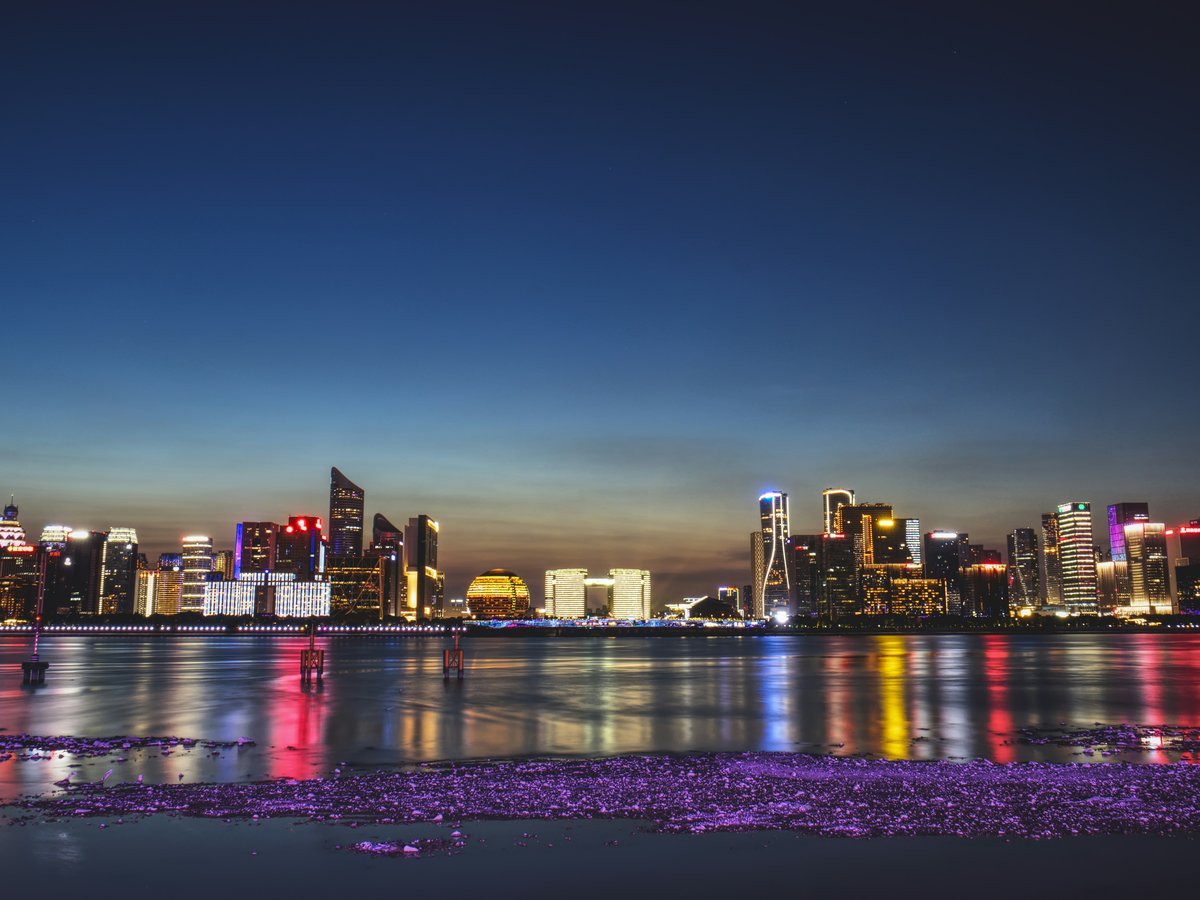
Is Hangzhou safe?
Hangzhou scores 7.8 out of 10 for solo-traveler safety (see the TTDI Solo-Safety Index). Violent crime against visitors is near zero. The real risks are electric scooters running silent on sidewalks, the tea-ceremony scam targeting solo walkers around West Lake, a cashless payment wall requiring WeChat Pay or Alipay, and a language barrier that complicates emergencies when dispatchers speak only Mandarin.
Violent crime against foreign visitors in Hangzhou is close to zero. Electric scooters along Beishan Road and West Lake's north shore run at 25-30 km/h on the sidewalks with almost no engine noise. The tea-ceremony scam is Hangzhou's most common tourist trap. A friendly young person approaches you near the Broken Bridge or along the Su Causeway, invites you to a 'traditional tea tasting,' and steers you to a private room where the bill lands between 500 and 2,000 CNY (75-300 USD) for tea you could sample for free at the China National Tea Museum on Longjing Road. Petty theft is rarer here than at Shanghai's Bund or Beijing's Wangfujing, but keep your phone secure at Hefang Street's night market, where the smell of stinky tofu and grilled squid pulls foot traffic into a bottleneck around 20:00.
West Lake's perimeter paths feel safe after dark. Nanshan Road stays populated with walkers until 22:00 most nights, and warm lantern light from tea houses above Longjing village keeps the stretch between Leifeng Pagoda and Baochu Pagoda from feeling deserted. Solo women report few problems inside the West Lake scenic zone. Hangzhou East Railway Station is a different story. The underground shopping level empties after 23:00, and the blocks south in Jianggan carry a higher concentration of touts and unlicensed hostels. That said, China's CCTV density means police response in central Hangzhou tends to run under 5 minutes. Cameras sit above nearly every intersection along Yan'an Road and inside every Metro car on Lines 1 through 5. Solo travelers might find the surveillance density unsettling, but Wulin Square and Qingchun Road stay quiet well past midnight because of it.
The language barrier is the biggest practical safety concern for solo travelers in Hangzhou. English proficiency outside the international hotels near Gushan and the Xixi Wetlands tech corridor is low. The tourist hotline at 12345 has English-speaking staff, but quality varies by shift. For emergencies, 110 reaches police, 120 reaches an ambulance dispatcher who likely speaks Mandarin only. Keep your hotel address in Chinese characters on your phone screen. Worth noting, Google Maps does not work without a VPN, and VPN connections drop unpredictably on China Mobile and China Unicom networks. Download Amap or Baidu Maps before you arrive. The Metro runs until about 22:30 on most lines, and its bilingual signage and tap-to-pay gates make it the safest solo transit option after dark. Taxis from the Didi app are metered and GPS-tracked, which removes the fixed-fare negotiation risk that solo travelers face with street hails near Huanglong Sports Center.
Dining alone in Hangzhou carries zero stigma. Noodle shops and dumpling counters along Zhongshan Road and in the Wulin commercial district serve individual portions, so you'll skip the two-person-minimum problem common at formal banquet restaurants. A bowl of pian'er chuan noodles runs about 15 CNY (roughly 2.25 USD at the current rate of 6.71 per dollar), and the broth arrives hot enough to fog your glasses in the air-conditioned shop. Solo travelers meet each other at hostels near Nanshan Road. Staff run informal walking groups to the tea plantations above Longjing village. September afternoons around 30°C make the morning slots worth requesting. The common rooms fill with solo backpackers between April and October, and the smell of Longjing tea drifting from kitchen windows makes conversations easy. Group day tours to the Liangzhu archaeological site, about 18 km northwest of central Hangzhou, run 200-350 CNY per person with no single supplement through local operators.
Emergency number: 110 / 120
Official travel advisories
Exercise increased caution the most cautious of 3 government assessments
- Government of CanadaLevel 2Exercise a high degree of caution View advisory
- UK Foreign OfficeLevel 1No FCDO travel restriction View advisory
- US State DepartmentLevel 2Exercise Increased Caution View advisory
Verified from the issuing governments' own feeds.
Areas to avoid
- Hangzhou East Railway Station underground mall after 23:00
- Jianggan district south of East Railway Station after dark
Common concerns
- Silent electric scooters on sidewalks around West Lake and Beishan Road
- Tea-ceremony scam near the Broken Bridge and Su Causeway
- Cashless payment wall, most vendors require WeChat Pay or Alipay
- Language barrier with emergency dispatchers (120 ambulance typically Mandarin-only)
- Google Maps and Western apps require VPN, which drops on China Mobile and Unicom
- Metro closes around 22:30, limiting late-night solo transit to Didi taxis
Last verified by automated review (v1.7.2) on . What is automated review?