Stay in Rio de Janeiro in February
96 hotels in the Trip.com pool for Rio de Janeiro, from US$16 a night.
Opens Trip.com on Fri 5 Feb to Sun 7 Feb 2027; change the dates there.
February in Rio de Janeiro means one thing above all else. Carnaval. The city's entire rhythm shifts around this single week, typically falling between February 10 and February 25 depending on the year. Temperatures sit around 30°C (86°F) during the day and rarely drop below 24°C (75°F) at night, with thick 81% humidity that clings to your skin from morning through the small hours. The heat is real, but February sees less rainfall than January or December, averaging 88mm across about 13 rainy days. Those showers tend to be short, sharp afternoon downpours that clear within 40 minutes.
Here is the honest trade-off. If you come during Carnaval week, you will witness one of the largest street parties on earth. Roughly 2 million people fill the blocos (street parades) across neighborhoods like Ipanema, Lapa, and Santa Teresa on a single weekend day. The energy in the Sambódromo during the Desfile das Escolas de Samba is unlike any stadium event you have attended. The samba schools prepare all year for those 80-minute performances, and each one involves 3,000 to 4,000 participants. Mind you, this spectacle comes at a cost. Hotel rates in Copacabana and Ipanema typically reach 3 to 5 times their off-season levels during Carnaval week, and many properties enforce minimum stays.
Outside Carnaval week, February still has the beach-season energy of peak summer, but the pricing pressure eases somewhat. Praia de Ipanema stays packed on weekends. The Tijuca Forest trails are green and lush from the rains. Street vendors sell cold mate tea and biscoito Globo on every major beach. To be fair, if you have no interest in Carnaval and dislike heat, February is probably not your month. June through September offers cooler weather, thinner crowds, and notably lower hotel rates. But if the combination of tropical heat, samba, and the world's most famous street party appeals to you, February in Rio delivers something no other month can.
Why visit in February
- Carnaval do Rio is one of the largest cultural festivals on earth, with over 500 registered blocos performing across the city for free throughout the month
- February receives 88mm of rain compared to January's 149mm, making it the drier half of peak summer and better for beach days at Ipanema and Copacabana
- The Sambódromo parades on Carnaval Sunday and Monday are a singular spectacle, with the top-tier samba schools each fielding 3,000 to 4,000 costumed performers
- Summer fruit season peaks in February, with mangoes, jackfruit, and açaí at their sweetest across markets like the Feira de São Cristóvão
- Water temperature along the coast tends to hover around 26°C (79°F), warm enough for comfortable ocean swimming at Prainha or Praia da Reserva
Worth knowing
- Hotel prices during Carnaval week typically reach 3 to 5 times the annual average, and many properties in Copacabana and Leblon impose minimum stays of 4 to 7 nights
- Afternoon humidity at 81% combined with 30°C heat can feel genuinely oppressive, particularly for visitors from temperate climates who are not acclimatized
- Petty theft rises noticeably during Carnaval blocos, where dense crowds in neighborhoods like Lapa and Centro create easy conditions for phone snatching
- Many restaurants, museums, and shops close entirely during Carnaval week. The Museu Nacional de Belas Artes, banks, and government offices typically shut from Saturday through Ash Wednesday
Best for
Think twice if
February is deep summer in Rio. Daytime highs average 30.1°C (86°F) with overnight lows around 23.9°C (75°F). Humidity sits at a sticky 81%. You will sweat through your shirt by 10am. That said, February receives 88mm of rainfall, which is notably less than January's 149mm or December's 139mm. The rain tends to arrive as short, heavy afternoon storms rather than all-day drizzle. Mornings are often clear and bright, with the clouds building by 2pm. The UV index in February is high, typically 11 or above, which means sunburn in under 15 minutes of unprotected exposure. Evenings cool only slightly, staying above 24°C, so expect warm nights. The ocean breeze along Copacabana and Ipanema provides some relief, but walk a few blocks inland to Botafogo or Laranjeiras and the air goes still.
Seasonal caution
- UV index regularly reaches 11 to 13 in February, among the highest readings globally. Unprotected skin can burn in under 15 minutes. Apply SPF 50+ sunscreen every 2 hours, even on overcast days
- Afternoon thunderstorms can produce localized flash flooding in low-lying areas of Centro and Praça da Bandeira. If heavy rain starts while you are at a bloco, move to higher ground or seek indoor shelter rather than trying to walk through flooded streets
- Heat exhaustion is a real risk at outdoor blocos where shade is nonexistent and crowds make it difficult to leave. Carry water and recognize the warning signs. Heat-related illness is treated at Carnaval blocos every year
Year-round climate
Averages from the last 5 years.
| Month | Avg high (°C) | Avg low (°C) | Rainfall (mm) |
|---|---|---|---|
| Jan | 30 | 24 | 149 |
| Feb | 30 | 24 | 88 |
| Mar | 30 | 23 | 100 |
| Apr | 27 | 21 | 105 |
| May | 26 | 20 | 40 |
| Jun | 25 | 19 | 36 |
| Jul | 24 | 18 | 39 |
| Aug | 25 | 18 | 66 |
| Sep | 27 | 20 | 46 |
| Oct | 26 | 20 | 100 |
| Nov | 27 | 21 | 100 |
| Dec | 29 | 22 | 139 |
Holidays and festivals in February
Public holidays
- Carnival(Carnaval)9 February 2027
Headline events
Carnaval do Rio de Janeiro
Variable, tied to Easter. Usually falls between February 10 and February 25. The main Sambódromo parades run Sunday and Monday nights.
The world's largest carnival celebration. Rio's Carnaval draws an estimated 2 million daily participants to street blocos, while the Sambódromo hosts the competitive Desfile das Escolas de Samba where the Grupo Especial samba schools parade with 3,000 to 4,000 performers each. The event takes over the entire city for roughly 5 days, with pre-Carnaval blocos starting in late January and continuing through the weekend after. The smell of beer, sweat, and grilled street food hangs over every major bloco route. Sound trucks blast samba and funk carioca loud enough to rattle windows 4 blocks away. It is sensory overload in the best and worst senses, depending on your tolerance for chaos.
Best things to do in February
Follow a bloco through the streets of Santa Teresa
festivalSanta Teresa's hilly, cobblestoned streets host some of Carnaval's most intimate blocos. Céu na Terra is the neighborhood's signature parade, winding past colonial-era mansions and down narrow staircases with a few thousand people rather than the hundreds of thousands at the bigger blocos. The percussion echoes off the close-set buildings in a way the wide avenues cannot match.
Blocos only run during Carnaval season, from late January through February. Santa Teresa's blocos parade on specific pre-scheduled dates.Booking tipNo booking needed. Check the Carnaval bloco schedule published by Riotur or local outlets like O Globo for exact dates and start times.
Watch the Desfile das Escolas de Samba at the Sambódromo
festivalThe Sambódromo Marquês de Sapucaí, designed by Oscar Niemeyer in 1984, seats roughly 72,000 spectators along a 700-meter parade runway. Each Grupo Especial samba school gets about 80 minutes to tell its story through floats, costumes, drumline, and dance. The percussion section alone typically has 250 to 300 drummers. Performances run from about 9pm until 5am or later.
The competitive parades happen only on Carnaval Sunday and Monday nights in February (or early March in some years).Booking tipTickets for Sector 9 (the central grandstand) sell out months in advance. Book through the Liga Independente das Escolas de Samba (LIESA) website or authorized resellers.
Hike to Pedra Bonita summit in Tijuca National Park
outdoorsThe 844-meter Pedra Bonita offers panoramic views of São Conrado beach, the Dois Irmãos peaks, and the Zona Sul coastline. The trail from the Estrada das Canoas entrance takes roughly 40 minutes each way. February's morning light before the afternoon clouds build gives sharp, clear visibility. The vegetation along the trail is at peak green from the summer rains, and you might hear the call of the toco toucan in the canopy.
February morning clarity, before the 2pm cloud buildup, offers some of the year's best photography conditions from the summit. The lush vegetation is at its fullest.Booking tipStart early, ideally by 7am, to avoid both the midday heat and the afternoon thunderstorms. No booking needed, but bring at least 1.5 liters of water.
Swim and bodysurf at Prainha
beachPrainha is a 700-meter crescent of sand tucked between forested hillsides in the Zona Oeste, about 40 minutes by car from Copacabana. The waves are consistent and the beach has a rougher, less manicured feel than the Zona Sul beaches. A few small barracas sell fish and cold beer. The water in February stays around 26°C.
February's warm water temperatures and consistent south swell make Prainha's surf conditions reliable. The summer heat makes the drive worthwhile for the less crowded sand.Booking tipThere is limited parking. Arrive before 9am on weekends or take a rideshare.
Explore the Feira de São Cristóvão
cultureThe Centro Luiz Gonzaga de Tradições Nordestinas in the São Cristóvão neighborhood is a permanent market and cultural center dedicated to northeastern Brazilian culture. Over 600 stalls sell regional food, forró music, leather goods, and cachaça. The baião de dois (rice, beans, cheese, and dried meat) served here is as close as you will get to Pernambuco without leaving Rio. Live forró bands play on the weekends.
February's Carnaval energy extends here with special programming and extended weekend hours. The seasonal fruits, especially mango and cajá, are at peak ripeness at the market stalls.Booking tipThe market is open from Thursday evening through Sunday night. Friday and Saturday nights have the best live music atmosphere.
Sunset at Arpoador Rock
outdoorsThe rocky point between Ipanema and Copacabana draws crowds every evening to watch the sun drop behind the Dois Irmãos peaks. In February, sunset falls around 6:30pm. When the sun touches the horizon, the gathered crowd often breaks into applause. The warm stone under your feet, the salt spray from the waves hitting the rocks below, the silhouettes of surfers catching the last sets. It is one of Rio's daily rituals.
February's summer sunsets tend to be more vivid than winter months due to moisture and atmospheric particles. The late sunset hour means you can arrive after a full beach day.Booking tipNo booking. Arrive by 5:45pm to claim a spot on the rock. It gets crowded.
Take the Corcovado rack railway to Cristo Redentor
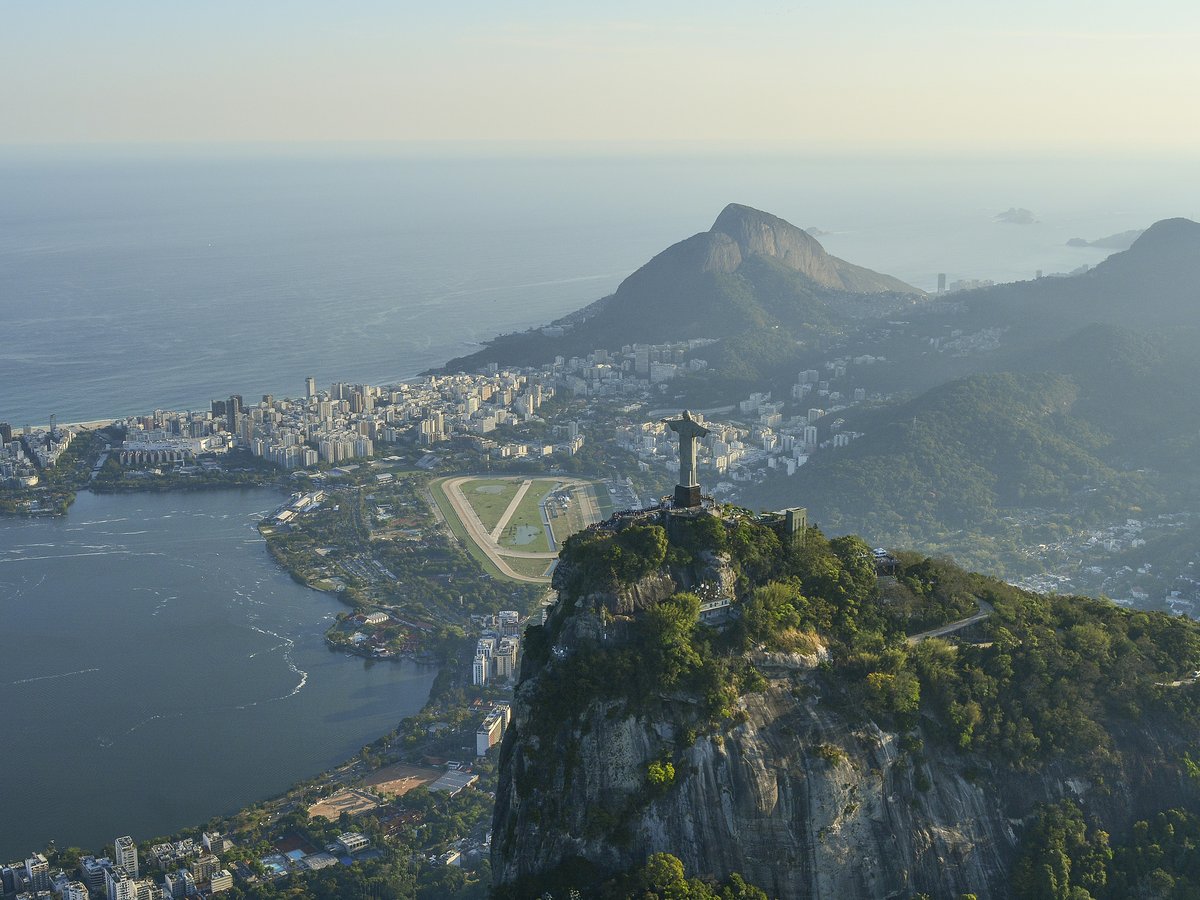
sightseeingThe 3.8km rack railway from Cosme Velho station climbs through Tijuca Forest to the 710-meter summit where the 30-meter Cristo Redentor statue has stood since 1931. February mornings before the cloud cover builds offer clear views across Guanabara Bay to Niterói and the Sugar Loaf. The train ride through the forest canopy takes about 20 minutes each way.
February's morning windows of clear sky, typically before noon, provide good visibility from the summit. The lush summer vegetation along the railway is at its greenest.Booking tipBook train tickets in advance through the official Paineiras Corcovado website. Morning departures between 8am and 10am have the best chance of clear views before afternoon clouds.
Catch a roda de samba in Pedra do Sal
nightlifePedra do Sal in the Gamboa neighborhood of the old port district is considered one of the birthplaces of samba in Rio. On Monday and Friday evenings, a roda de samba (samba circle) forms on the stone steps of the Largo João da Baiana. Musicians play pagode and samba de raiz while the crowd drinks cold beer from plastic cups. The sound bounces off the stone walls of the surrounding colonial buildings. February nights are warm enough that the party extends well past midnight.
The Carnaval season amplifies the already regular Monday and Friday rodas, with more musicians and larger crowds through February. The warm summer nights make outdoor music comfortable past midnight.Booking tipNo booking. Show up by 8pm on Monday or Friday. Street vendors sell drinks and snacks on site.
What to eat in February
In season: fruit
Açaí na tigela
Açaí berries from the Amazon reach peak harvest in the wet season. February bowls at beach kiosks in Ipanema and Leblon tend to be thicker and more intensely purple than the off-season versions, topped with granola and sliced banana.
Mango
Mangueira trees across Rio drop ripe Tommy Atkins and Palmer mangoes through February. The Feira de São Cristóvão in the Zona Norte and the Cobal do Humaitá both sell them by the kilo at seasonal abundance levels.
Jackfruit (Jaca)
The enormous green jackfruit ripen on trees throughout the Tijuca Forest and residential neighborhoods in February. The sweet, musky flesh appears at street markets across the Zona Norte and in juices at beachside barracas.
Street food peaks
Caldinho
Small cups of thick bean or shrimp broth sold at blocos and street corners during Carnaval. The salty, warming flavor might seem counterintuitive in summer heat, but after hours of dancing it replaces lost sodium. Vendors in Lapa and Centro serve it from large thermoses.
Biscoito Globo
These puffed starch rings have been sold on Rio's beaches since 1953. February is peak sales season for the Globo brand, and the vendors with their distinctive calls are on every stretch of sand from Leme to Barra da Tijuca. Light, airy, slightly salty.
What to drink
Caipirinha de frutas
February is when bartenders across Lapa and Santa Teresa go beyond the classic lime caipirinha. Seasonal passionfruit, mango, and cajá versions use cachaça and fruit at peak ripeness. The sweetness of February fruit means less added sugar.
Regular events in February
Pre-Carnaval blocosFree
Hundreds of blocos begin parading on weekends throughout January and February before the official Carnaval week. Neighborhoods like Botafogo, Tijuca, and the Zona Norte host smaller, more local blocos that feel less tourist-oriented than the mega-blocos of Ipanema.
Every weekend in February leading up to CarnavalCarnaval de Rua (street carnival)Free
Rio's official street Carnaval program, coordinated by Riotur, schedules hundreds of blocos across all regions of the city during Carnaval week itself. The Sebastiana and Riotur apps publish daily schedules with parade routes, start times, and crowd estimates.
Saturday through Tuesday of Carnaval weekCampeonato Carioca (Rio State Football Championship)
The state football league runs through February with matches at the Maracanã stadium between Flamengo, Fluminense, Vasco da Gama, and Botafogo. The atmosphere inside the 78,000-capacity Maracanã during a Fla-Flu derby is loud, passionate, and worth experiencing even if you do not follow Brazilian football.
Weekends throughout FebruaryBanda de IpanemaFree
One of Rio's oldest and most traditional blocos, Banda de Ipanema has been parading since 1965. Known for its irreverent humor and elaborate costumes, particularly drag performances, it marches through the streets of Ipanema on the Saturday before Carnaval and again on Carnaval Tuesday.
Saturday before Carnaval and Carnaval TuesdayBest places this February
Sambódromo Marquês de Sapucaí
landmarkThe 700-meter parade runway designed by Oscar Niemeyer in 1984 where the Grupo Especial samba schools compete during Carnaval. The atmosphere during the all-night parades, with 72,000 spectators and the thundering percussion of each school's bateria, is unlike any other venue in the city.
CentroEscadaria Selarón
landmarkThe 215-step mosaic staircase connecting Lapa to Santa Teresa, covered in tiles from over 60 countries by Chilean artist Jorge Selarón from 1990 until his death in 2013. Visit early morning to avoid Carnaval crowds that clog the narrow street.
LapaPraia de Ipanema
beachThe 2.6km beach that defined bossa nova and still draws Rio's most diverse crowd. Posto 9 is the traditional gathering point. February water temperatures around 26°C make the waves comfortable. The sand gets hot enough by midday to require sandals for the walk from your towel to the water.
IpanemaPedra do Sal
nightlifeA rocky outcrop and historic site in the old port area of Gamboa, considered a birthplace of samba in Rio. The Monday and Friday night rodas de samba on the stone steps are a local institution, and February's Carnaval atmosphere makes them especially lively.
GamboaParque Nacional da Tijuca
natureThe 39.5 square kilometer urban national park surrounding Corcovado mountain. February rains make the waterfalls, including Cascatinha Taunay, run at full volume. The forest trails are humid and alive with birdsong, particularly the screams of howler monkeys at dawn.
TijucaFeira de São Cristóvão
marketA 32,000 square meter covered market with over 600 stalls dedicated to northeastern Brazilian culture. Regional food, forró dancing, and cachaça tasting make it a cultural immersion that most tourists overlook in favor of the Zona Sul beaches.
São CristóvãoForte de Copacabana
landmarkThe 1914 military fort at the southern tip of Copacabana beach houses a small army museum and the Confeitaria Colombo cafe. The terrace views of the full Copacabana arc are some of the best in the city, and February's morning light before the afternoon haze is particularly clear.
CopacabanaLapa Arches (Arcos da Lapa)
landmarkThe 42-meter-high 18th-century aqueduct that now carries the Santa Teresa tram. Lapa underneath the arches is the center of Rio's nightlife year-round, but during Carnaval week the surrounding streets become one continuous party that runs until dawn.
Lapa
Your packing checklist
Tick items off as you pack. Your progress saves in this browser.
All packed — have a great trip.
Insider tips
The biggest blocos like Cordão da Bola Preta in Centro can draw over 1 million people and feel overwhelming. Smaller neighborhood blocos in Santa Teresa, Laranjeiras, or the Zona Norte give you the real Carnaval atmosphere with room to dance and hear the music clearly.
Download the Riotur Carnaval app or check the Sebastiana app before each day. Bloco schedules shift constantly, and starting locations sometimes change 24 hours before the parade. The apps update in near-real-time.
If you want Sambódromo tickets without the high cost of lower sectors, Sector 13 (arquibancada, the upper bleachers) is significantly cheaper and gives a wide-angle view of the entire parade. Bring binoculars for detail.
The MetrôRio system runs 24 hours during Carnaval weekend. It is the safest and most reliable way to move between Zona Sul and Centro. The Line 1 stations at Cinelândia and Cardeal Arcoverde are closest to the major bloco concentrations.
Posto 9 on Ipanema beach is the classic social hub, but Posto 11 near the Arpoador end tends to be less packed in February and has better wave access for bodysurfing.
Eat a proper meal with protein and carbs before heading to a bloco. Street food at the blocos themselves tends to be limited to fried snacks and caldinho. The Galeria Café on Rua Teixeira de Melo in Ipanema or Bar do Mineiro in Santa Teresa are both solid pre-bloco options.
Avoid these mistakes
- Booking accommodation only for Carnaval week without checking the pre-Carnaval calendar. The best blocos often run on the 2 weekends before the official Carnaval dates, and many locals consider these pre-Carnaval events more enjoyable than the main week.
- Carrying a backpack at a bloco. The bag creates a target and the zippers are accessible to anyone pressing against you in the crowd. Use a slim crossbody or waist belt with only essentials.
- Staying exclusively in Copacabana and missing the rest of the city. Santa Teresa, Lapa, Botafogo, and the Zona Norte neighborhoods host blocos and cultural events that feel less sanitized and more authentically carioca.
- Underestimating the sun because of cloud cover. Rio's UV index reaches dangerous levels even on overcast February days. Sunburn at a morning bloco can ruin the evening Sambódromo plans.
- Trying to drive or take taxis during bloco hours. Major streets close for parades, traffic reroutes constantly, and rideshare wait times during Carnaval can exceed 45 minutes. The metro and walking are the only reliable options.
Practical tips for February
Book accommodation at least 3 to 4 months ahead if visiting during Carnaval week. Properties in Zona Sul fill early, and cancellation policies tighten as the dates approach. Consider staying in Botafogo or Flamengo for better availability and metro access to Centro where most blocos concentrate. Carry a photocopy of your passport rather than the original. Pharmacies (look for Drogasil or Droga Raia chains) stock sunscreen, electrolyte sachets, and basic first-aid supplies on nearly every commercial block. The tap water in Rio is technically treated but most locals and visitors drink filtered or bottled water. Wi-Fi is widely available in cafes and restaurants across Zona Sul, but cellular data can become unreliable in dense bloco crowds when networks get overloaded. Learn the phrase "com licença" (excuse me) for navigating through bloco crowds. Currency exchange rates tend to be better at official câmbio houses in Copacabana than at Galeão Airport.
FAQ
When exactly is Carnaval in February 2026?
Carnaval dates shift each year because they are calculated from Easter. In 2026, the main Carnaval celebrations are expected to fall in mid-to-late February, with the Sambódromo parades on the Sunday and Monday nights. Pre-Carnaval blocos typically start 2 to 3 weekends earlier. Check the Riotur official calendar closer to the date for the confirmed schedule.
Is it safe to attend Carnaval blocos in Rio?
Most blocos are generally safe, but petty theft is a real concern in large crowds. Leave valuables at your accommodation, carry only what you need in a concealed pouch, and keep your phone in a waterproof neck pouch rather than a back pocket. Stick to well-attended blocos in established neighborhoods like Ipanema, Santa Teresa, or Leblon. The police presence at officially sanctioned blocos is typically visible. Avoid wandering alone into unfamiliar areas late at night.
Do I need Sambódromo tickets in advance or can I buy them at the gate?
For the Grupo Especial parades on Carnaval Sunday and Monday, you should buy tickets well in advance through the LIESA website or authorized resellers. Popular sectors sell out weeks or months ahead. The Série Ouro parades on Friday and Saturday are somewhat easier to get tickets for closer to the date. Avoid street scalpers, as counterfeit tickets are a known issue.
What is the best neighborhood to stay in during February?
Ipanema and Leblon offer beach proximity and walkability to several major blocos, but rates are highest there during Carnaval. Botafogo gives you metro access to Centro (where the biggest blocos are) at somewhat lower rates, plus a growing restaurant and bar scene of its own along Rua Nelson Mandela and Rua Voluntários da Pátria. Santa Teresa has character and hosts excellent smaller blocos, but getting in and out by car during Carnaval street closures can be difficult. Copacabana is the most hotel-dense neighborhood with good metro access.
How much more expensive is Rio during Carnaval compared to the rest of the year?
Accommodation is the biggest variable. Hotels and rentals in Zona Sul typically charge several times their low-season rates during Carnaval week, with many enforcing minimum stays. Flights from other Brazilian cities also rise significantly above baseline. Food and restaurant prices stay relatively stable, though street vendors at blocos tend to charge a noticeable premium. Outside of Carnaval week, February rates are still above the annual average due to peak summer demand, but considerably lower than the Carnaval spike.
Can I enjoy Rio in February if I skip Carnaval entirely?
Yes, though Carnaval is hard to avoid completely since it affects the whole city for about a week. Many museums and businesses close during those days. If you time your visit for early or late February, outside the Carnaval window, you get Rio's best beach weather with warm 26°C ocean water, green Tijuca Forest trails, and peak summer energy without the extreme crowds and inflated rates. The Zona Oeste beaches like Prainha and Grumari are relatively unaffected by Carnaval crowds throughout the month.
Things to Do in Rio de Janeiro in February
 Free cancellation
 Rio's Full Day: Selarón Steps, Christ & Sugarloaf – Tickets & Lunch Included
Day trip: free cancellation.
via Viator Free cancellation
 The Best Half Day in Rio with Christ Redeemer and Sugar Loaf Hill
City tour: 5 hours, free cancellation.
via Viator Free cancellation
 A Day in Rio - City Tour
City tour: 9 hours, free cancellation.
via Viator Free cancellation
 Explore the Best of Tijuca Forest – Hike to Peaks, Caves & Falls
Outdoor experience: 5 hours, free cancellation.
via Viator Free cancellation
 Rio de Janeiro Sunset Sailing Tour with Drinks
Cruise: 3 hours, free cancellation.
via Viator Free cancellation
 Full Day Excursion to Petrópolis from Rio de Janeiro
Day trip: free cancellation.
via ViatorFind a flight to Rio de Janeiro
Live fares to Rio de Janeiro appear here once cookies are accepted.
Last verified by automated review (v1.7.2) on . What is automated review?