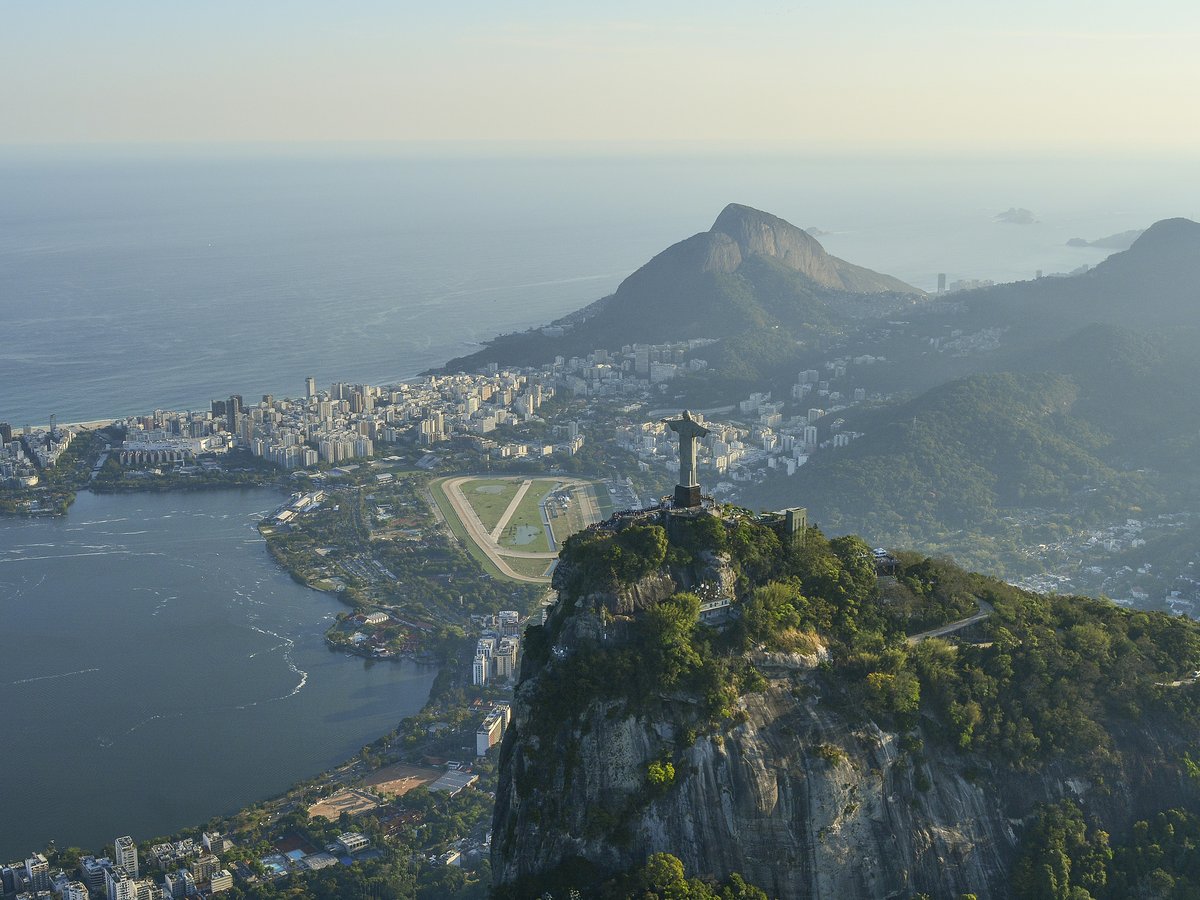
Where do locals actually go in Rio de Janeiro?
In Rio de Janeiro, cariocas drink at botecos in Botafogo and Humaitá, not Copacabana. Pedra do Sal in Saúde draws Monday and Friday samba crowds from 8pm. Cobal do Humaitá food hall fills with office workers at lunch. Bar Urca's seawall in the late afternoon is where locals sit with R$12 chopp and watch Guanabara Bay turn orange. Feira de São Cristóvão runs all weekend for Northeastern food and forró.
The tourist-to-local ratio in Rio de Janeiro flips hard once you cross south from Copacabana into Botafogo. Rua Nelson Mandela, a pedestrianized strip behind Botafogo Praia Shopping, has about 15 bars that fill with under-30 cariocas after 7pm on weeknights. The crowd is overwhelmingly Brazilian. You'll hear MPB leaking from speakers, smell charcoal from the espetinho carts parked at either end of the street, and pay R$14 for a 600ml chopp instead of the R$22 you'd spend on Rua Visconde de Pirajá in Ipanema. Humaitá, one neighborhood north, is even quieter. Cobal do Humaitá on Rua Voluntários da Pátria operates as a covered food hall where office workers from nearby Cosme Velho eat lunch between 12pm and 2pm on weekdays. The per-kilo restaurants there run R$65-80 per plate. After dark, the surrounding bars like Brewteco and Canastra tend to fill with couples and small groups who live within walking distance.
Pedra do Sal in Saúde might be the most important Monday-night destination in Rio de Janeiro. The stone steps at Largo João da Baiana fill with 200-300 people by 9pm for open-air samba and choro. R$8 caipirinhas from street vendors, warm concrete underfoot, the salt-and-lime smell thick in the humid air. Friday nights draw a bigger crowd, sometimes 500-plus, and get louder. Mind you, this is not a polished show. Musicians rotate in and out, the sound bounces off the colonial-era warehouse walls, and you're standing shoulder-to-shoulder with dockworkers, university students, and the occasional lost tourist. The surrounding Saúde and Gamboa neighborhoods have been slowly filling with small bars since the Porto Maravilha redevelopment started around 2012. Angu do Gomes on Rua da Saúde has been open since 1955 and still serves feijoada on Saturdays for R$45.
Weekends shift the gravity. Feira de São Cristóvão, a covered market in the pavilion at Campo de São Cristóvão, runs Friday evening through Sunday night. It's where Rio de Janeiro's Northeastern diaspora eats carne de sol, dances forró, and drinks cachaça at prices that would seem low even in Recife. Sunday afternoon between 2pm and 6pm is peak local energy. Bar Urca operates on the opposite end of the mood spectrum. The low seawall along Avenida João Luís Alves fills with locals from about 4pm. They sit on the concrete with R$12 chopps and pastel de camarão from the bar's counter window. The water of Guanabara Bay laps a meter below your feet. Sugarloaf rises directly across the inlet. No music, no hawkers, no noise beyond the water.
For remote workers who want to meet cariocas, the boteco is the entry point. These are neighborhood bars, not restaurants. Belmonte in Flamengo on Rua do Catete 460 has been open since 1952, and the regulars treat it like an extension of their living room. Show up at the same one 3 or 4 times in your first 2 weeks and the bartender will start introducing you around. That said, Portuguese matters here more than in Copacabana or Leblon. Even basic conversational Portuguese changes how locals respond to you. The Largo das Neves crowd in Santa Teresa, which skews 30-to-45 and creative-professional, tends to be the most patient with halting Portuguese.
Where they actually go
Pedra do Sal
Saúde: Open-air samba on stone steps Monday and Friday from 9pm. R$8 caipirinhas, humid salt air, 200-300 locals pressed together. Sound bounces off 19th-century warehouse facades. Not a performance, more a neighborhood gathering with live music.
Cobal do Humaitá
Humaitá: Covered food hall where Cosme Velho and Humaitá office workers eat per-kilo lunch from 12-2pm weekdays. R$65-80 per plate. Clattering trays, ceiling fans, the hum of midday conversation. Surrounding bars fill after 8pm with couples who live nearby.
Bar Urca
Urca: Locals sit on the low seawall with R$12 chopp and pastel de camarão from the counter window. Guanabara Bay laps below your feet, Sugarloaf across the inlet. Weekday afternoons from 4pm are the sweet spot before weekend tourists arrive.
Feira de São Cristóvão
São Cristóvão: Covered pavilion where Rio de Janeiro's Northeastern community eats carne de sol and dances forró. Friday evening through Sunday night. Cachaça from R$5, the thump of forró bass through the floor, smoke from grilled queijo coalho carts.
Rua Nelson Mandela bars
Botafogo: Pedestrianized strip behind Botafogo Praia Shopping. About 15 bars fill with under-30 cariocas after 7pm weeknights. R$14 for 600ml chopp. Charcoal smoke from espetinho carts at both ends, MPB from competing speakers.
Belmonte
Flamengo: Neighborhood boteco since 1952. Regulars treat it like a second living room. Cold chopp, empada de camarão at the glass counter, the clack of dominos from the back tables. Show up 3-4 times and the staff starts introductions.
Largo das Neves
Santa Teresa: Small sloping praça where Santa Teresa's 30-to-45 creative crowd drinks on weeknight evenings. Two or three small bars face the square. Slower pace, cooler hilltop air, the occasional stray cat threads between tables.
Angu do Gomes
Saúde: Open since 1955 on Rua da Saúde. Saturday feijoada for R$45. Tiled walls, ceiling fans, the thick black-bean smell from the kitchen. Dockworkers and port-area regulars at lunch, a younger spillover crowd Friday nights.
Best times to visit
Pedra do Sal fills Monday and Friday from 8pm. Cobal do Humaitá peaks weekday lunch 12-2pm. Bar Urca's seawall crowd arrives 4pm weekdays. Feira de São Cristóvão peaks Sunday 2-6pm.
Last verified by automated review (v1.7.2) on . What is automated review?