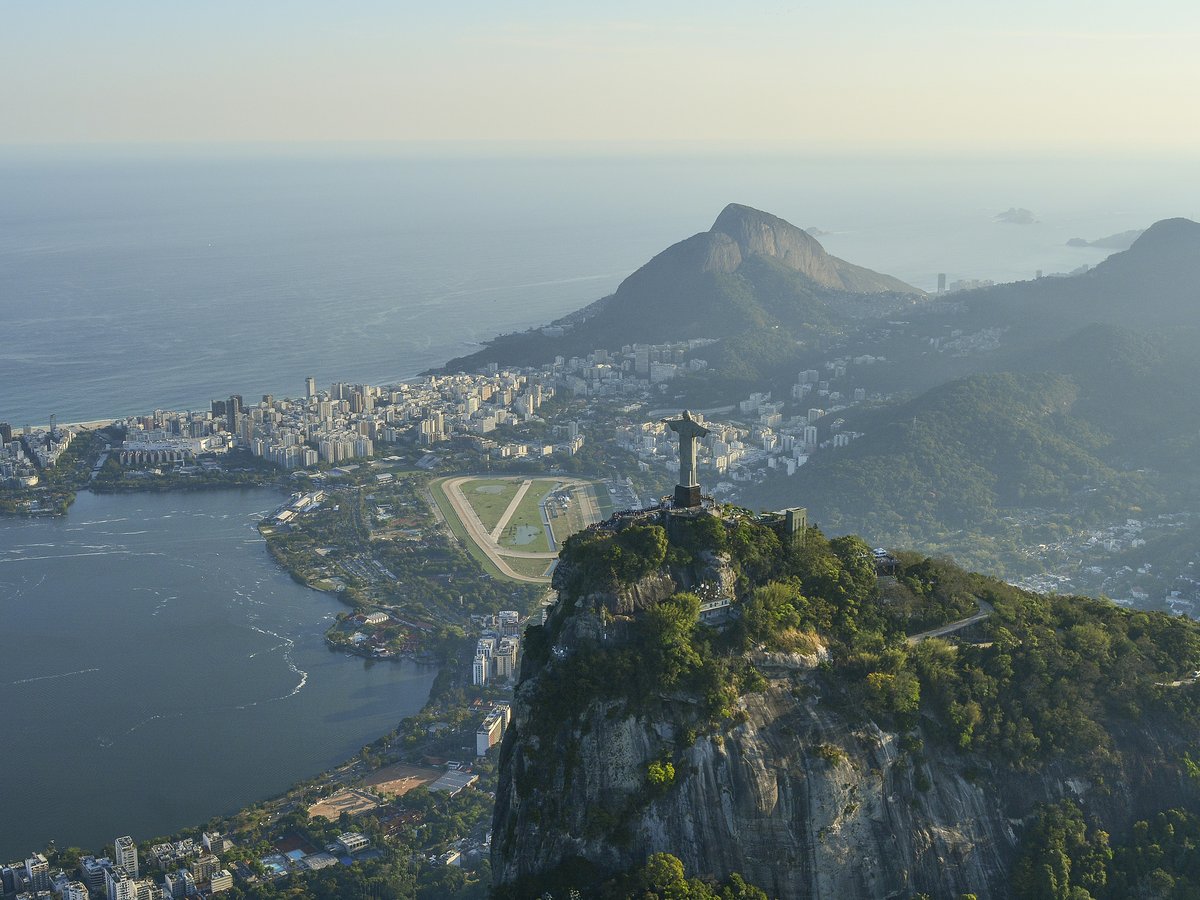
Is Rio de Janeiro safe?
Rio de Janeiro scores a 4.2 out of 10 for solo-traveler safety (see the TTDI Solo-Safety Index). Phone snatching, opportunistic mugging, and beach theft are daily risks beyond a few safe corridors. Leblon, Ipanema's beachfront blocks, and Urca are the reliable neighborhoods. Carry a decoy phone, skip visible jewelry, and use the 99 ride-hail app after dark. Emergency: 190.
Rio's crime risk hits solo travelers harder than pairs or groups. Phone snatching happens in broad daylight along Avenida Atlântica in Copacabana, on Metrô Line 1 between Botafogo and Carioca, and at any traffic light where you're visible with Google Maps. The snatcher is usually on a motorbike, gone in 3 seconds. The stretch of Copacabana beach past Posto 5 empties after 7pm, and that's when arrastão-style group robberies start. Lapa's bar district around Rua Mem de Sá gets rowdy after midnight, and solo travelers walking back toward Santa Teresa or Glória become targets on the quieter side streets. Centro, the financial district around Praça XV, stays busy until about 6:30pm on weekdays. By 8pm it's nearly deserted, and the walk to the nearest Metrô station feels very different. Military Police patrol Zona Sul's tourist strips, but response times run 15-40 minutes outside that area.
Safe neighborhoods for solo travelers form a narrow coastal strip through Zona Sul. Leblon is the safest. It's compact, roughly 8 blocks by 6, and feels residential even at night. The streets between Rua Dias Ferreira and the beach stay lit and populated until midnight. Ipanema runs from Posto 8 near Rua Farme de Amoedo through Posto 10, and the beachfront sidewalk is comfortable during daylight. Urca, the small residential neighborhood below Sugarloaf, has almost no street crime. The waterfront path along Mureta da Urca fills with locals drinking R$5 cans of beer at sunset. You can smell grilled queijo coalho from the vendors 20 meters away. Botafogo has improved since the Metrô extension, and the blocks between Rua Voluntários da Pátria and the waterfront are walkable after dark. Side streets climbing toward the hillside communities should be avoided. The warm, humid air sits heavy at night here, around 19°C in July, considerably warmer from December through March.
After dark, do not walk between Rio's neighborhoods. The 99 app, Brazil's dominant ride-hail and slightly ahead of Uber here, costs R$15-25 for most Zona Sul trips. That's about $3-5 at the current rate of 5.12 BRL to the dollar. The Metrô runs until midnight, 11pm on Sundays, and Line 1 from General Osório in Ipanema to Botafogo is safe and air-conditioned. Stations at Siqueira Campos and Cardeal Arcoverde in Copacabana tend to have more solicitation from vendors. Female solo travelers should know that the women-only Metrô car, the pink-marked first car, is enforced during rush hours but less reliably after 9pm. Rio's restaurant culture does not penalize singles. Sit at the bar counter at Belmonte in Leblon or at any boteco in the city. A prato feito at Bar do Mineiro in Santa Teresa runs about R$45, and the feijoada steams off clay pots, filling the narrow room with smoky, meaty warmth.
Solo travelers in Rio break isolation faster than in most South American cities. El Misti Hostel on Praia de Botafogo organizes group hang-gliding from Pedra Bonita, around R$450 per person with no single supplement. Rio currently rates well for digital-nomad suitability (see /research/digital-nomads/), and co-working spaces in Botafogo attract a rotating international crowd. Free walking tours leave from Cinelândia Metrô station most mornings at 10am. The Sunday Feira de São Cristóvão, a massive northeastern-culture market near the Maracanã (founded 1950), is where forró accordion and triangle cut through the crowd noise. Carne de sol with manteiga de garrafa costs R$35 at the stalls inside. That said, Carnival in February brings thousands of solo travelers together in the street blocos, but accommodation prices triple and petty crime rises with the crowd density. Outside Carnival, the beach is Rio's social infrastructure. Sit near Posto 9 in Ipanema on a Sunday and conversations start within the hour.
Buy a R$200 decoy phone from any Casas Bahia and carry it on Rio's streets instead of your real one. Keep your actual phone in an anti-theft crossbody bag. The salt air along Copacabana corrodes zippers, so check your gear weekly. Leave your passport in the hotel safe and carry a color photocopy. Brazilian law requires ID, and police in Zona Sul accept the copy. Travel insurance with medical evacuation matters in Rio. Public hospitals under the SUS system are overcrowded, and a private emergency visit at a Zona Sul clinic starts at R$800 without coverage. The Tourist Police (DEAT) have a post in Leblon and speak English. For emergencies, dial 190 for Military Police or 192 for SAMU ambulance. The Ipanema area around Posto 8 and Rua Farme de Amoedo is the established LGBTQ+ social center (see /research/lgbtq-friendly/ for the full city assessment). Violence against LGBTQ+ individuals does occur outside Zona Sul, so the same after-dark ride-hail rule applies.
Emergency number: 190
Official travel advisories
Exercise increased caution the most cautious of 3 government assessments
- Government of CanadaLevel 2Exercise a high degree of caution View advisory
- UK Foreign OfficeLevel 2FCDO advises against all but essential travel to parts View advisory
- US State DepartmentLevel 2Exercise Increased Caution View advisory
Verified from the issuing governments' own feeds.
Areas to avoid
- Copacabana beach past Posto 5 after dark
- Centro financial district after 7pm
- Lapa side streets after midnight
- Favela communities without a registered guide
- Santa Teresa hill streets after dark
- Praça Mauá surroundings at night
- Complexo do Alemão
- Cidade de Deus
- Maré complex
Common concerns
- Phone snatching from motorbikes, mainly along Copacabana and in Centro
- Arrastão group beach robberies after sunset on less-patrolled stretches
- Express kidnapping near isolated ATMs outside Zona Sul
- Taxi meter manipulation on airport-to-hotel runs
- Overcharging at beachside barracas for non-Portuguese speakers
- SUS hospital overcrowding making private care the only fast option
- Opportunistic mugging on quiet residential streets between neighborhoods
Last verified by automated review (v1.7.2) on . What is automated review?