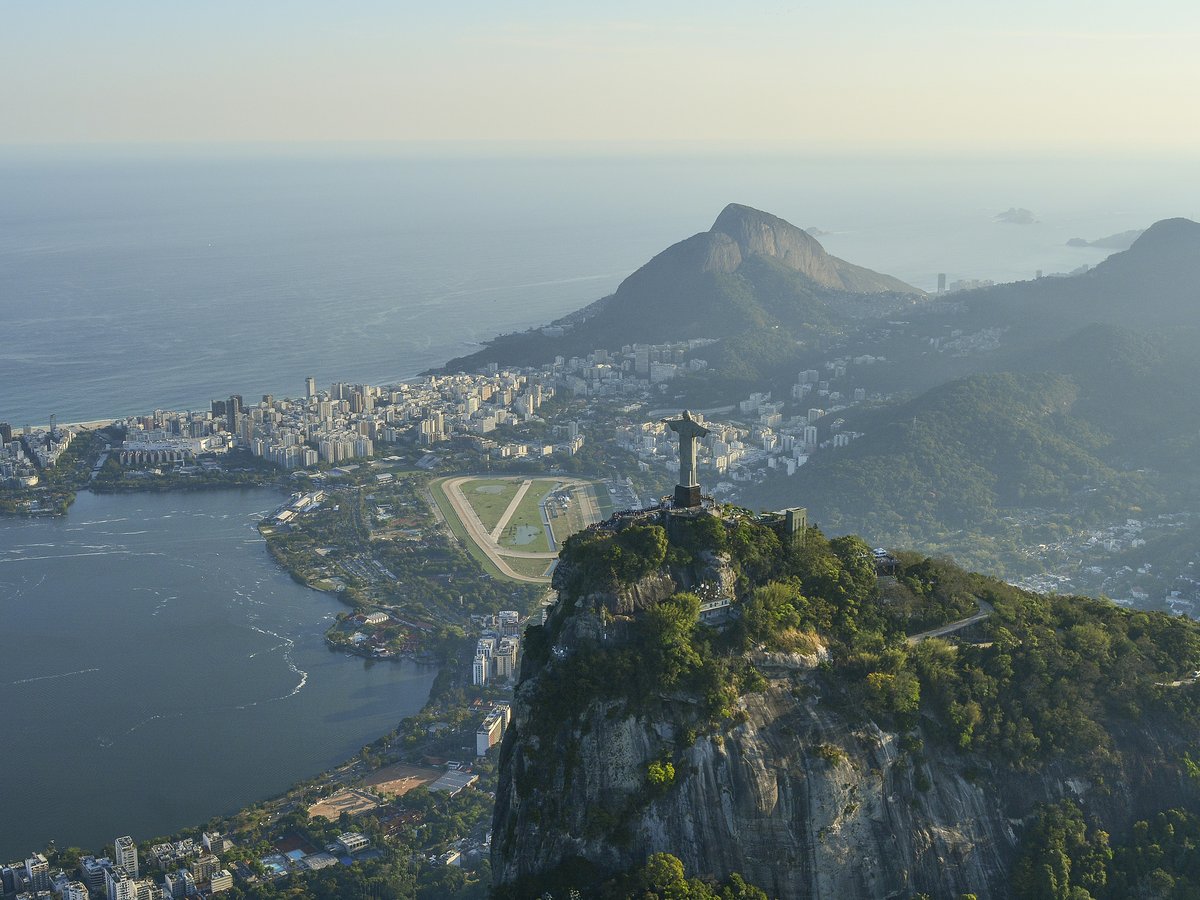
Is Rio de Janeiro good for solo travelers?
Rio de Janeiro scores 4.2/10 on TTDI's solo-traveler safety rubric (see the TTDI Solo-Safety Index), and the number is earned. Phone snatching on Copacabana's beachfront and unlit favela borders are constant realities. But the Zona Sul corridor from Leme to Leblon, a clean Metrô system, and boteco counter culture where dining alone draws no attention make Rio de Janeiro workable for street-smart solo travelers who prepare properly.
Rio de Janeiro's safety score tells the real story, and it would be dishonest to sugarcoat it. Phone snatching happens in daylight on Avenida Atlântica. The broad Copacabana promenade carries warm salt air and the constant crash of waves, the kind of setting that might lull you into forgetting this city has one of South America's higher petty-crime rates. To be fair, the Zona Sul beachfront from Leme to Leblon runs about 8 kilometers of well-patrolled sidewalk, the Metrô covers the stretch cleanly, and boteco culture means eating alone at a tile-topped counter with a chopp and a prato feito for R$25-35 is normal, not pitied. At roughly 5.1 reais to the dollar, daily spending for a comfortable solo traveler in Rio de Janeiro sits around R$250-350. Single-occupancy hotel rates in Zona Sul rarely carry a supplement.
Copacabana still has the highest concentration of solo-friendly stays. Selina Copacabana charges around R$90 for a dorm bed and R$280 for a private room, both with coworking space that fills by 9am with laptop workers who tend to share lunch plans. Books Hostel sits in Botafogo, a quieter residential neighborhood two Metrô stops south, and runs a free caipirinha night on Wednesdays that pulls 30-40 people. The lime-and-cachaça smell hits you in the Botafogo stairwell before you reach the terrace. If hostels aren't your speed, Airbnb studios in Flamengo go for R$120-180 per night with no single-occupancy penalty. Flamengo sits on Metrô Linha 1 and has the Aterro do Flamengo park for morning runs along the water. Mind you, avoid staying in Santa Teresa solo. The hillside neighborhood has the Escadaria Selarón steps and tile-fronted colonial houses, but street lighting disappears past Largo do Guimarães, and the steep cobbled walk home after dark is a gamble a solo traveler should not take.
Rio de Janeiro's social fabric leans toward outdoor activity, which works in a solo traveler's favor. The Pedra Bonita hang-gliding launch in São Conrado means a 45-minute to 1-hour wait for tandem flights, and nervous flyers in the queue swap phone numbers before the ground crew clips in the next pair. On Sundays, Avenida Atlântica closes to cars from 7am to 6pm, and the bike lane draws thousands at a pace slow enough for conversation. Free outdoor fitness stations line the Copacabana and Ipanema beachfronts, and the one near Posto 9 has morning regulars who have used the same pull-up bars for years and will wave you in. For something structured, Carioca Free Walking Tours meets at Praça XV de Novembro at 10am on weekdays. Groups tend toward 8-12 people, and the 2.5-hour route through Praça Mauá keeps conversation going long enough to exchange contacts.
The Metrô in Rio de Janeiro runs 5am to midnight, until 11pm on Sundays, and a single ride costs R$7.50. It covers Zona Sul and Centro well enough that you rarely need anything else after dark. The VLT light rail in Porto Maravilha connects at Carioca station and is worth riding to the Museu de Arte do Rio. Uber runs R$15-20 for a 15-minute ride and shows your driver's plate and route, which matters when navigating alone at night. Women traveling solo report Leblon and the Ipanema stretch near Posto 9 as the most comfortable areas for evening walks. The Lagoa Rodrigo de Freitas path stays well-lit until 10pm, with joggers on it year-round. Catcalling happens, most commonly in Centro during weekday lunch hours, and tends to be verbal rather than physical. Worth noting, Rio de Janeiro is one of the cities where the decoy-phone strategy earns its keep. A R$200 Motorola from any Casas Bahia rides in your pocket while your real phone stays in a running belt under your shirt.
Copacabana beach days have their own solo protocol. Rent a chair and umbrella from the nearest barraca for R$10-15, and the attendant watches your things while you swim. That arrangement is the unspoken contract of every Rio de Janeiro beach, and it works. For a day away from sand, Tijuca National Park, established in 1961, has well-marked trails through canopy thick enough to block the wind. The Floresta da Tijuca loop takes about 3 hours and is safe to hike solo during daylight. After the frequent winter drizzle, the air under Tijuca's canopy smells like wet earth and bromeliads, and the temperature drops 3-4°C below the coast.
Composite of safety, social options, and accommodation.
Safety notes
Phone snatching is the primary risk in Rio de Janeiro, worst on Copacabana beach and in Lapa after midnight. Women solo face catcalling in Centro at lunch, verbal not physical. Skip buses through Zona Norte after dark. The Metrô and Uber are reliable at night. Keep your real phone concealed.
Ways to meet people
- Carioca Free Walking Tours at Praça XV de Novembro, 10am weekdays, groups of 8-12 people
- Books Hostel in Botafogo free caipirinha night on Wednesdays, 30-40 people on the terrace
- Sunday bike lane on Avenida Atlântica, car-free 7am to 6pm, thousands of riders at conversation pace
- Pedra Bonita hang-gliding launch queue in São Conrado, 45-minute wait where nervous flyers swap phone numbers
- Posto 9 outdoor fitness station in Ipanema, morning regulars who wave newcomers into the routine
- Selina Copacabana coworking space, fills by 9am with remote workers who share lunch plans
- Friday and Saturday samba circles near Arcos da Lapa before midnight
Solo-friendly accommodation
- Hostel dorms in Copacabana from R$80-120 per night with strong social programming
- Hostel private rooms in Botafogo from R$250-300, quieter neighborhood on the Metrô line
- Airbnb studios in Flamengo from R$120-180 per night, no single-occupancy supplement
- Budget hotels in Leme from R$200-280, the calm northern end of Copacabana beach
- Coliving spaces in Botafogo with weekly rates and built-in community for stays over 2 weeks
Last verified by automated review (v1.7.2) on . What is automated review?