Is Innsbruck good for digital nomads in 2026?
Innsbruck is a niche pick for nomads. A university city of 130,000 with 100-300 Mbps fiber in most apartments, but limited coworking and alpine-tourism rents. Monthly all-in runs about $2,400. The 90-day Schengen limit is your ceiling without a residence permit. Best for nomads who ski or climb and treat work as the thing between mountains.
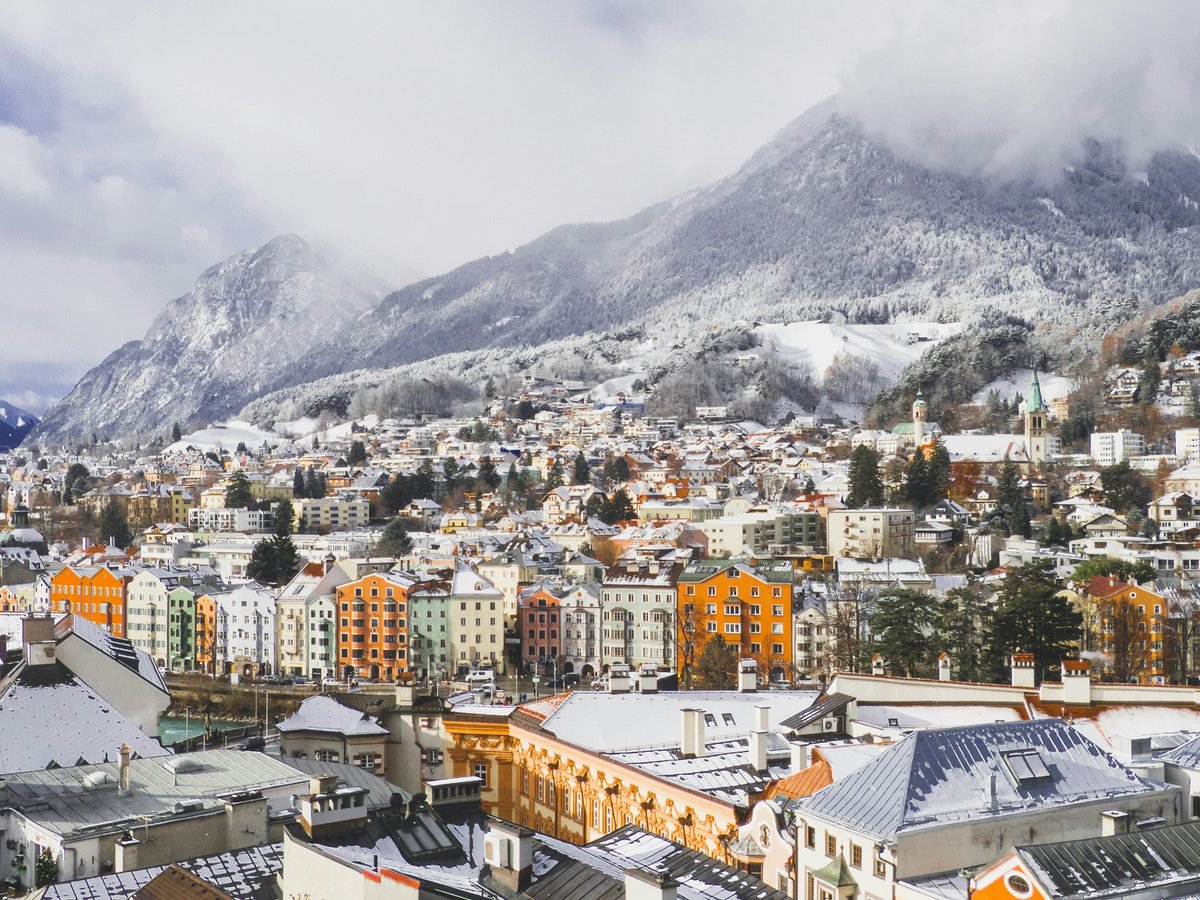
Innsbruck is a niche pick for nomads, not a hub. A compact alpine university city of about 130,000 people, and the infrastructure reflects that. A1 Telekom and Magenta deliver 100-300 Mbps fiber to most apartments in Wilten, Pradl, and Saggen. Altstadt listings on Airbnb tend to advertise 'fast wifi,' but many older buildings top out at 50 Mbps over copper. Verify speeds before committing to anything longer than two weeks. The IVB tram covers the valley floor well, and a monthly pass runs about €55. You can bike almost everywhere in under 15 minutes. The air carries pine resin and cold stone for roughly 8 months of the year, and late-June evenings still hover around 22°C. This is not Lisbon or Chiang Mai. The nomad community is small, mostly seasonal ski-workers and University of Innsbruck researchers. No Nomad List meetups. The Nordkette ridge fills north-facing windows at 2,334 meters of raw limestone.
Dedicated coworking in Innsbruck is thin on the ground. The startup scene clusters around the University of Innsbruck's incubator ecosystem near the Technik campus on Technikerstraße, but most desks go to portfolio companies rather than drop-in nomads. A few smaller coworking operations have appeared near the Hauptbahnhof in recent years, with hot-desk rates around €200-280 per month. Worth checking current availability before you arrive, as some run at 90% occupancy from the university crowd. The real workhorse is the Universitäts- und Landesbibliothek on Innrain 52. Free entry, strong wifi, open until 22:00 on weekdays, and dead silent. Nobody cares if you camp there for 8 hours with a laptop. Café Munding on Kiebachgasse is the reliable laptop-friendly spot in the Altstadt, though the tables wobble on old wooden floors and seating gets tight by noon.
Wilten, south of the Hauptbahnhof, is the best base for a month or longer. MPreis and SPAR supermarkets sit within walking distance, there's a coin laundry on Leopoldstraße, and furnished one-bedroom apartments on willhaben.at list in the €800-1,100 range. The tram runs down to the Altstadt in about 8 minutes. Pradl, east of the Inn river, is cheaper by roughly €100-150 a month but feels more like a commuter suburb. Groceries are covered at the Hofer on Pradler Straße, but the walk to anything interesting takes 20 minutes. Skip the Altstadt for anything past a weekend. Maria-Theresien-Straße gets tourist foot traffic that rattles windows, and the narrow Gassen amplify every passing conversation. The Golden Roof area is for photos, not for focused work. Saggen is quiet and close to the Hofgarten park, but the nearest supermarket is a 12-minute walk south into Wilten.
Monthly all-in for a single nomad runs about €2,100, roughly $2,400 at the current rate of 1 USD to 0.88 EUR. That splits to approximately €900 for a furnished apartment, €250 for a coworking desk or library rotation, €400 for groceries and eating out (a Wiener Schnitzel with that proper butter-crumbed crunch at Stiftskeller costs around €16, a bowl at Markthalle Innsbruck runs €9-12), €55 for the IVB pass, and €150 for weekend ski passes or the 2-hour ÖBB Railjet to Salzburg. Mind you, winter rents rise 20-30% between December and March because holiday rentals eat the long-term supply. Summer, late June through September, is the sweet spot for apartment availability and price.
Composite of cafe + coworking download speeds and reliability.
Apartment, coworking membership, food, and transit at a comfortable level.
Coworking spaces
- InnCubator (Technikerstraße, university Technik campus, startup-focused)
- Universitäts- und Landesbibliothek (Innrain 52, free wifi, open until 22:00)
- Café Munding (Kiebachgasse, laptop-tolerant, historic confectionery)
Visa options
Non-EU nationals get 90 days in the Schengen zone visa-free. Austria has no dedicated digital nomad visa as of 2026. Extending past 90 days requires an Aufenthaltstitel (residence permit), demanding proof of roughly €1,200/month income, Austrian health insurance, and registered housing. Processing takes 2-3 months. EU/EEA citizens register at the Meldeamt after 3 days and work freely.
Last verified by automated review (v1.7.2) on . What is automated review?