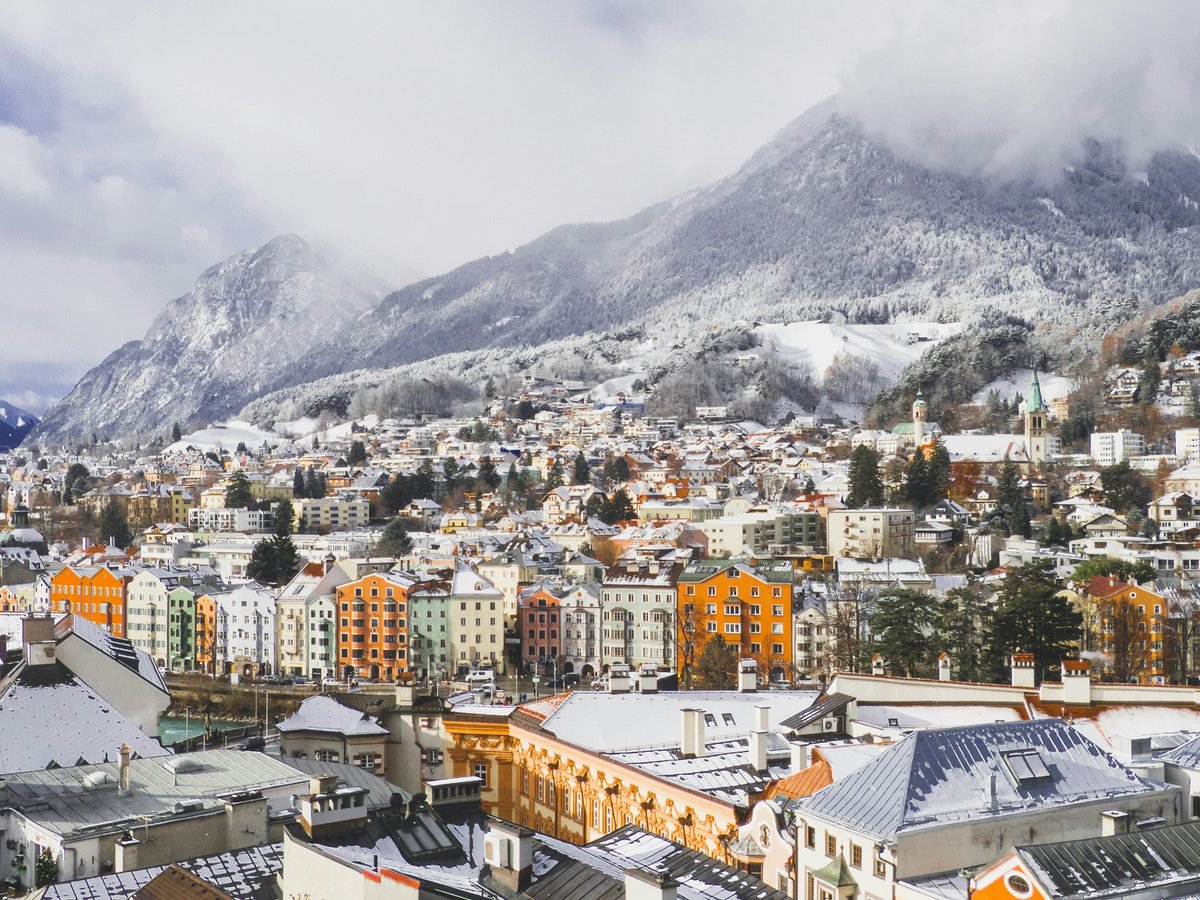
12 packing essentials every Innsbruck visitor brings in 2026
Waterproof hiking boots take the top spot for Innsbruck packing, and the tie-breaker is Nordkette. The 2,334-metre Seegrube station sits 20 minutes by Hungerburgbahn from the Altstadt, and afternoon storms roll in without warning above 1,800 metres. No other single item prevents as many ruined days. Merino base layers and a hardshell rain jacket round out the top three.
Scoring here weights Innsbruck-specific usefulness above all else. A city where you can step off Straßenbahn Line 1 at Mühlau and be on a 1,900-metre ridge within 90 minutes demands gear that bridges urban and alpine in the same afternoon. Waterproof hiking boots score highest because they cover the widest range of Innsbruck scenarios. The cobblestones of the Altstadt get slick after rain, the gravel paths above Hötting punish ankle-soft footwear, and the Nordkette cable car deposits you onto exposed terrain where a rolled ankle means a mountain rescue call. Quality per euro matters too. A solid pair of boots from Sportler on Maria-Theresien-Straße runs about €140 to €200 and lasts years. The frequency-of-regret factor is the clincher. Innsbruck's tourism board reports that foot injuries and blisters account for a disproportionate share of summer visitor complaints, and most trace back to trainers on mountain paths.
The mistake visitors make most often is packing for one version of Innsbruck. They arrive at INN airport in July, see 28°C on the terminal screen, and leave the fleece in the suitcase. By 3pm they are shivering on the Hafelekar summit at 2,256 metres, where temperatures regularly sit 12 to 15 degrees lower than the Inn valley floor. The reverse happens in shoulder season. October visitors pack heavy winter coats but find Pradl and Saggen sunny and mild at 15°C, then sweat through every tram ride on Straßenbahn Line 3 to Amras. Layering solves both problems. A merino base, a light fleece, and a packable hardshell weigh under 1.5 kg combined and handle the full range from a warm afternoon on the terrace at Stiftskeller to a wind-blasted afternoon on the Goetheweg trail. Another common error is skipping sun protection. At Innsbruck's latitude and altitude, UV intensity at the Seegrube mid-station is roughly 40% higher than at river level. Sunburn at altitude tends to catch hikers off guard even on overcast days.
Waterproof hiking boots are not the right call for every Innsbruck trip. If you are visiting strictly for the Christmas markets in the Altstadt and Marktplatz, spending your days between the Hofburg and the shops along Herzog-Friedrich-Straße, a sturdy pair of insulated winter boots with good tread will serve better. The Christmas market circuit is flat, urban, and icy. Hiking boots with aggressive lug soles can feel clumsy on polished stone. Similarly, if your itinerary is purely cultural, focused on the Tiroler Landesmuseum, the Grassmayr bell foundry, and the Bergisel ski jump museum, lightweight waterproof sneakers might be more comfortable for a full day on your feet. The hiking boot recommendation assumes you will spend at least 2 to 3 days on trails, which most summer and autumn visitors do. For winter sports visitors who plan to ski at Axamer Lizum or Patscherkofel, your ski boots handle the mountain and you will want something warm and flat for the walk from the STB tram stop to your accommodation in Wilten.
The full list
-
Waterproof hiking boots
The Nordkette trails above Hötting shift from gravel to wet rock within a single switchback, and the cobblestones along Herzog-Friedrich-Straße in the Altstadt turn slippery after afternoon rain. A waterproof pair with ankle support handles both the 2,300-metre Goetheweg and the walk from the Hungerburgbahn station.
Shop Waterproof hiking boots -
Packable hardshell rain jacket
Afternoon thunderstorms sweep down the Nordkette into the Inn valley with little warning between June and September. A sub-300g shell fits into a daypack side pocket and keeps you dry on the exposed Zirbenweg trail above Patscherkofel or during a sudden downpour in Pradl.
Shop Packable hardshell rain jacket -
Merino wool base layer
Temperature swings of 15°C between the Inn river promenade in Saggen and the Hafelekar summit at 2,256 metres are standard on any summer day. Merino regulates across that full range without clinging or smelling after a long day on the mountain.
Shop Merino wool base layer -
Lightweight fleece mid-layer
Even in July, the Seegrube terrace at 1,905 metres drops to single digits by late afternoon. A 200-weight fleece layers over merino and under a shell, and works on its own for evening walks along the Inn through St. Nikolaus.
Shop Lightweight fleece mid-layer -
SPF 50+ mountain sunscreen
UV intensity at Innsbruck's hiking altitudes is roughly 40% stronger than at the 574-metre valley floor. The Goetheweg and Pfeishütte trails offer almost no tree shade above 2,000 metres, and reflected glare off late-season snow patches compounds the exposure.
Shop SPF 50+ mountain sunscreen -
UV-blocking sunglasses (Category 3+)
Category 3 lenses are the minimum for snow glare above the Seegrube station from October through May. In summer, the bright limestone faces of the Karwendel range still demand proper UV protection on any trail above the tree line near Hötting.
Shop UV-blocking sunglasses (Category 3+) -
Compact 25L daypack
A day on the Nordkette starts with the Hungerburgbahn from Congress station and can stretch 8 hours if you walk the full Goetheweg ridge. You need room for layers, water, sunscreen, and lunch from one of the bakeries on Innstraße in Mariahilf. Too large and it catches on narrow trail sections.
Shop Compact 25L daypack -
Reusable 1-litre water bottle
Innsbruck's tap water comes directly from alpine springs and is safe to drink. Free refill fountains dot the Altstadt, and most mountain huts along the Nordkette and Patscherkofel trails offer tap refills. A 1-litre bottle saves €3 to €4 per refill at summit kiosks.
Shop Reusable 1-litre water bottle -
EU Type C/F power adapter
Austria uses the Type C and Type F socket standard at 230V. The older Gasthöfe around Wilten and the budget hostels near the Hauptbahnhof rarely have USB outlets in rooms. Bring a compact adapter with at least 2 USB ports to keep your phone charged for early-morning Nordkette starts.
Shop EU Type C/F power adapter -
Merino-blend hiking socks
Blisters are the most common complaint among summer visitors tackling the trails above Innsbruck, and cotton socks are usually the cause. A merino-nylon blend wicks moisture on the steep descent from Hafelekar to the Höttinger Alm and reduces friction on rocky switchbacks.
Shop Merino-blend hiking socks -
Warm beanie or brimmed sun hat
The summit platform at Hafelekar catches wind even on calm valley days, and temperatures at 2,256 metres can drop below 5°C in August mornings. A merino beanie weighs under 50g. In summer, swap for a brimmed hat for the exposed traverse between Seegrube and the Arzler Alm.
Shop Warm beanie or brimmed sun hat -
Blister prevention kit
The 800-metre elevation gain from the Hungerburgbahn top station to Hafelekar punishes unprepared feet. Moleskin patches and a few alcohol wipes weigh nothing and can save a day. Sportler on Maria-Theresien-Straße sells blister kits, but at twice the price you would pay at home.
Shop Blister prevention kit
Last verified by automated review (v1.7.2) on . What is automated review?