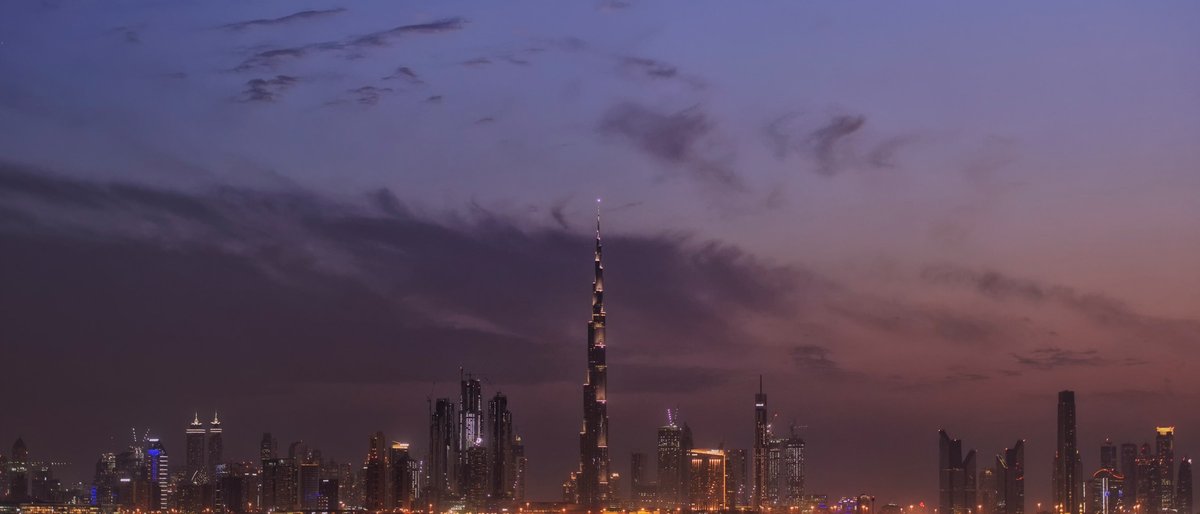
Stay in Dubai in March
139 hotels in the Trip.com pool for Dubai, from US$13 a night.
Opens Trip.com on Fri 5 Mar to Sun 7 Mar 2027; change the dates there.
March in Dubai is the last full month of comfortable outdoor weather before the city starts its slow surrender to summer. Daytime highs sit around 29°C (84°F): warm enough for the beach, cool enough to walk around without feeling like you're melting. Nights drop to a pleasant 19°C (67°F), which means you can eat dinner on a terrace without breaking a sweat. If you've been putting off a Dubai trip, this is arguably your final window before temperatures climb past the point of casual enjoyment.
That said, March comes with a caveat worth knowing about. Ramadan currently falls in this part of the calendar: it shifts roughly 11 days earlier each year, so check the dates for your specific travel year. During Ramadan, many restaurants close during daylight hours, alcohol service is restricted until after sunset, and the general rhythm of the city changes. It's not a reason to avoid Dubai. To be fair, experiencing iftar (the evening meal breaking the fast) can be one of the more memorable dining experiences you'll have anywhere. But it does reshape your daily plans, and showing up unaware would be jarring.
March also tends to bring the Dubai World Cup at Meydan Racecourse and Art Dubai at Madinat Jumeirah, which together pull in a particular crowd: horse racing enthusiasts, collectors, and the fashion-forward set who treat these events as social anchors. The city has a particular energy this month. Still full of tourists, still expensive, but with a subtle shift in mood as everyone collectively senses the comfortable season is winding down.
Why visit in March
- Warm days around 29°C (84°F) without the brutal summer heat: the last month you can comfortably spend a full day outdoors
- Virtually no rain, with just 10mm expected across the entire month, so outdoor plans rarely get disrupted
- The Dubai World Cup and Art Dubai bring excellent events that give the month a cultural pulse beyond the usual shopping-and-brunch circuit
- Sea temperatures have warmed enough for comfortable swimming but haven't yet brought the jellyfish that sometimes appear in summer months
- Desert excursions are at their best: warm days and cool nights around 19°C (67°F) make overnight camping pleasant rather than either freezing or sweltering
Worth knowing
- Ramadan currently overlaps with March (dates shift yearly): daytime dining options shrink and alcohol service is restricted until sunset, which catches unprepared visitors off guard
- Still firmly in high season pricing: hotel rates run 30-50% above the annual average, and popular restaurants still require advance booking
- Sandstorms from shamal winds can blow in with little warning, in the second half of March, turning the sky hazy and coating everything in fine dust
Best for
Think twice if
March sits in that sweet spot between Dubai's brief cool season and the onset of serious heat. Expect daytime highs averaging 28.9°C (84°F) and nighttime lows around 19.3°C (67°F). The air carries about 61% humidity: noticeable but not oppressive the way July feels. Rain is almost a non-event: roughly 10mm for the entire month, spread across maybe one day. Mornings tend to be the most pleasant time to be outside, with that dry warmth that feels good on your skin. By early afternoon the sun has real bite to it, and you'll understand why every outdoor café has shade structures. Evenings cool off enough that a light layer feels right if you're out past 10pm.
Seasonal caution
- Shamal wind events can occur in the second half of March, bringing sandstorms that reduce visibility and coat outdoor surfaces in fine dust. These typically last 1-3 days. If you have respiratory issues, carry a mask and check forecasts before planning desert trips.
- UV index reaches 8-9 by mid-March: sunburn happens faster than most visitors expect, near water where reflection amplifies exposure. Reapply sunscreen every 90 minutes if you're at the beach.
Year-round climate
Averages from the last 5 years.
| Month | Avg high (°C) | Avg low (°C) | Rainfall (mm) |
|---|---|---|---|
| Jan | 24 | 16 | 17 |
| Feb | 25 | 17 | 17 |
| Mar | 29 | 19 | 10 |
| Apr | 32 | 22 | 24 |
| May | 36 | 25 | 3 |
| Jun | 39 | 28 | 0 |
| Jul | 41 | 31 | 5 |
| Aug | 41 | 31 | 0 |
| Sep | 39 | 29 | 0 |
| Oct | 35 | 26 | 2 |
| Nov | 31 | 22 | 5 |
| Dec | 27 | 18 | 13 |
Headline events
Dubai World Cup
Last Saturday of March
The world's richest horse race, held at Meydan Racecourse, draws international racing fans, celebrities, and spectators who come as much for the fashion and atmosphere as the sport itself. The main card features several Group 1 races capped by the Dubai World Cup with its enormous purse. Even if horse racing isn't your thing, the spectacle of Meydan lit up at night with the Dubai skyline behind it is something. Dress codes apply: this is very much a see-and-be-seen affair.
Art Dubai
Early to mid-March
The Middle East's leading contemporary art fair takes over Madinat Jumeirah for several days, showing galleries from across the Gulf, South Asia, Africa, and beyond. What sets it apart from other art fairs is the focus on regions that Basel and Frieze tend to overlook. Gallery talks, installations scattered around the venue, and a programme of commissioned works give it more depth than a typical trade fair. Worth noting: the peripheral events, pop-up exhibitions, and gallery openings across Alserkal Avenue during the same week are often more interesting than the main fair itself.
Best things to do in March
Desert overnight camping in the Empty Quarter fringe
outdoorDrive out past Al Ain toward the Liwa Oasis area for overnight desert camping where the dunes are enormous and the silence at night is absolute. March nighttime temperatures around 19°C (67°F) make sleeping under the stars comfortable without either freezing or sweating through your sleeping bag. The sand is cool enough in the morning to walk on barefoot.
Night temperatures of 19°C are good for camping: too hot from May onward, too cool in December-January for many visitors. March hits the perfect balance.Booking tipBook a guided overnight trip at least a week in advance: operators fill weekend slots quickly during high season.
Kayaking through Al Qudra mangroves
outdoorPaddle through the protected mangrove waterways near Al Qudra, where flamingos and herons wade in the shallows. The water is calm, the air is warm but not brutal, and the contrast between the green mangroves and the desert beyond is surreal. Early morning trips catch the best bird activity and the flattest water.
March morning temperatures around 22-24°C are comfortable for sustained paddling. By May, even morning trips become uncomfortably hot. Bird activity is also high as migratory species are still present.Booking tipWeekday morning slots are significantly less crowded than weekends.
Rooftop dining and bar hopping
diningDubai's rooftop scene comes alive when the weather cooperates, and March is one of the last months where sitting outdoors at elevation is pleasant. Places along the JBR strip, in DIFC, and around Downtown all open their terraces fully. The warm evening air, the city lights reflecting off the Creek or the Gulf: it's the version of Dubai that looks like the brochure photos.
Evening temperatures around 19-22°C make outdoor terraces comfortable. These same venues move indoors or close their terraces entirely from May through October.Booking tipReserve rooftop tables 3-5 days ahead for Thursday and Friday evenings: walk-ins rarely work at popular spots.
Beach days at JBR and Kite Beach
outdoorThe public beaches along Jumeirah Beach Residence and Kite Beach are at their best in March. Sea temperature has climbed to about 23-24°C: refreshing without the shock of winter dips. The sand is warm but you can still walk on it at noon without burning your feet, which absolutely cannot be said of summer.
Water temperature is comfortable for swimming, air temperature is warm without being dangerous, and the beaches haven't emptied out the way they do when residents flee summer heat.Booking tipArrive before 9am on Fridays for a good spot: Kite Beach fills up fast on weekends.
Hatta mountain hiking
outdoorThe trails around Hatta, about 90 minutes east of Dubai proper, wind through the Hajar Mountains with surprisingly dramatic scenery: craggy peaks, wadis with residual water pools, and the turquoise Hatta Dam reservoir. March temperatures up in the mountains are several degrees cooler than the city, making midday hiking feasible.
Mountain temperatures are 3-5°C cooler than Dubai city, and March is the last month where midday hiking is reasonable. By April, even Hatta gets too warm for comfortable afternoon exertion.Booking tipThe Hatta Wadi Hub for kayaking and adventure activities fills up on weekends: book online in advance.
Alserkal Avenue gallery walks during Art Dubai week
cultureThe warehouse-turned-gallery district in Al Quoz becomes the center of Dubai's art world during Art Dubai week. Galleries stay open late, host openings, and there's a collective energy that the district only hits once or twice a year. Wander between contemporary art spaces, stop for specialty coffee, and catch artist talks that happen in a more intimate setting than the main fair.
Art Dubai week catalyzes the entire gallery district: special exhibitions, extended hours, and opening events cluster in March specifically. The rest of the year, the district is quieter.Booking tipNo booking needed for galleries, just show up. Thursday evenings during Art Week are the liveliest for openings.
Dhow cruise along Dubai Creek at sunset
cultureThe traditional wooden dhow boats that cruise up and down the Creek offer a perspective of old Dubai that the Marina developments can't replicate. The warm March evening air, the smell of spices drifting from the Deira souks, the sound of the call to prayer echoing across the water at sunset during Ramadan: these sensory layers make a Creek cruise in March different from any other month.
Evening temperatures are good for open-air boat trips, and during Ramadan the iftar atmosphere along the Creek adds a cultural dimension you won't get at other times of year.Booking tipOpt for a traditional abra (water taxi) crossing for the real feel at a fraction of the cost of touristy dinner cruises.
What to eat in March
In season: fruit
Fresh Dates
March falls during the tail end of the stored date season, and high-quality Emirati varieties like Lulu and Khalas are still available at souks and supermarkets. During Ramadan, dates take on extra significance as the traditional food for breaking the fast. The Date Souk in Deira has the widest selection, sold loose by weight.
On menus now
Harees
A slow-cooked porridge of wheat and meat that's been simmered for hours until everything breaks down into a smooth, savory comfort food. It's associated with Ramadan and appears on nearly every iftar menu. The texture takes some getting used to: it looks plain but the depth of flavor from hours of slow cooking is notable.
Grilled Hammour
Hammour (orange-spotted grouper) is the fish most associated with Emirati cuisine, and March water temperatures keep the catch quality high before summer warming affects availability. You'll find it grilled whole at seafood restaurants along the Creek, often served with rice and a tangy tomato-based sauce. The flesh is firm, white, and mild: nothing like farmed fish.
What to drink
Vimto Cocktail (non-alcoholic)
This sweet berry-flavored drink made from Vimto cordial mixed with soda and sometimes rose water is the unofficial drink of Ramadan across the Gulf. You'll see it at every iftar table and in every supermarket display. It's intensely sweet and nostalgic for locals: a taste that signals the holy month as clearly as any call to prayer.
Festival food
Luqaimat
Small, golden fried dough balls drizzled with date syrup or honey: crispy on the outside, soft and pillowy inside. These are a traditional Emirati sweet that appears everywhere during Ramadan, from hotel iftar spreads to street vendors. The warm, sticky sweetness of fresh luqaimat right out of the fryer is hard to beat.
Regular events in March
Dubai Jazz Festival
A multi-day music festival at Dubai Media City Amphitheatre that pulls in international headliners spanning jazz, pop, rock, and R&B. Despite the name, the lineup tends to lean more toward mainstream acts than pure jazz: think Sting or Alicia Keys rather than Wynton Marsalis.
Late February to early MarchSikka Art and Design FestivalFree
A neighborhood art festival in the Al Fahidi Historical District that fills the narrow lanes between wind-tower houses with installations, performances, and workshops. It's smaller and more accessible than Art Dubai, and the setting in one of Dubai's oldest districts gives it genuine character.
Mid-March (typically coincides with Art Dubai week)Emirates Airline Festival of Literature
The region's largest literary festival brings authors from around the world for panels, readings, and workshops. Held at the InterContinental Dubai Festival City, it draws a mix of established names and emerging regional voices writing in Arabic and English.
Early MarchDubai International Boat Show
Superyachts, fishing boats, and marine equipment take over Dubai Harbour for several days. Even if you aren't in the market for a yacht, the sheer scale of what's on display is worth a look, and the waterfront location with March weather makes it a pleasant way to spend an afternoon.
Early to mid-MarchBest places this March
Al Fahidi Historical District
neighborhoodThe narrow lanes between restored wind-tower houses feel like a different planet from the Marina towers. In March, the temperature is right for wandering these alleys without overheating. The courtyard cafes here are some of the most atmospheric spots in the city for an afternoon Arabic coffee. During Sikka Art Festival, the whole district comes alive with installations.
Bur DubaiRas Al Khor Wildlife Sanctuary
natureA wetland reserve right in the middle of the city where flamingos congregate in large numbers. March is still within the peak flamingo season, and the mild temperatures make the viewing hides comfortable. The surreal sight of hundreds of pink flamingos against the backdrop of Dubai's skyline is striking.
Ras Al KhorMadinat Jumeirah waterways
attractionDuring Art Dubai week, the resort complex's winding waterways and courtyards become extensions of the art fair. But even outside the event, the abra rides through the channels with views of Burj Al Arab are pleasant in March when you can enjoy the outdoor sections without the summer humidity pressing down on you.
Umm SuqeimDubai Creek and Deira Souks
marketThe Gold Souk, Spice Souk, and Textile Souk are worth exploring year-round, but in March you can walk between them along the Creek without the heat driving you into air-conditioned refuges every ten minutes. The smell of frankincense and saffron in the Spice Souk is more present when the air isn't furnace-hot. During Ramadan evenings, the area around the souks takes on a festive, communal atmosphere.
DeiraKite Beach
beachThe stretch of beach south of Jumeirah is Dubai's most active public beach, with kite surfers, volleyball nets, and food trucks. March wind conditions are often good for kite surfing: consistent breeze without the summer's occasional sandstorm gusts. The water is warming up and the beach has a laid-back energy that contrasts with the polished hotel beaches.
JumeirahAlserkal Avenue
arts districtThis industrial district-turned-arts hub in Al Quoz reaches its annual peak of energy during Art Dubai week, but March in general sees more exhibitions and openings than quieter months. The warehouses house galleries, a cinema, specialty coffee roasters, and a chocolate factory. The spaces stay cool inside, making it a good midday option when the sun is strongest.
Al QuozHatta Dam and Heritage Village
day tripThe drive to Hatta takes you through increasingly dramatic mountain scenery, and March is the last comfortable month for the hike down to the turquoise dam reservoir. The heritage village nearby shows what life in the mountains looked like before the oil boom. Pack a picnic: the dam-side views are worth lingering over.
Hatta
Your packing checklist
Tick items off as you pack. Your progress saves in this browser.
All packed — have a great trip.
Insider tips
The iftar experience during Ramadan is one of the most generous dining traditions you'll encounter anywhere: many hotels offer elaborate buffets at sunset that are worth booking even if you haven't been fasting. The communal atmosphere at places along the Creek is more authentic than the five-star versions, and often half the price.
Alserkal Avenue on a Thursday evening during Art Dubai week is where the actual art community gathers, not the main fair. Gallery openings are free, coffee is strong, and the conversations are more interesting than anything you'll overhear at the ticketed event.
Take the one-dirham abra (water taxi) across Dubai Creek instead of paying for a touristy dhow dinner cruise. The crossing takes five minutes, costs almost nothing, and gives you the same waterfront perspective. Do it at sunset for the best light.
The Gold Souk vendors expect negotiation: start at roughly half the quoted price and work from there. March is still high tourist season, so initial asking prices tend to be inflated. Morning visits before the tour groups arrive get you less pressure and better attention.
Hatta is dramatically less crowded on weekdays. The weekend rush to the dam and adventure hub means queues and parking chaos. Take a Tuesday trip and you might have entire hiking trails to yourself.
Avoid these mistakes
- Assuming all restaurants operate normally during Ramadan: many close entirely during daylight hours, and those that remain open often screen off dining areas. Hotel restaurants are the most reliable option for daytime eating, but even some of those adjust their hours. Check before making the trip.
- Spending every day in Dubai Marina and Downtown while ignoring the Creek side: Deira and Bur Dubai have more character, better food, lower prices, and an atmosphere that feels like you're in the Gulf rather than a generic luxury resort. March weather makes walking these older neighborhoods enjoyable.
- Booking a midday desert safari expecting comfortable conditions, even at 29°C, the open desert with no shade and reflected heat off the sand feels considerably hotter. Morning departures or late afternoon trips that run into sunset are significantly more pleasant in March.
- Not booking Dubai World Cup or Art Dubai tickets in advance: both events sell out or reach capacity, and showing up hoping to buy tickets at the door often ends in disappointment. The Dubai World Cup in particular requires advance registration even for free general admission areas.
Practical tips for March
Check whether Ramadan falls during your March visit: the dates shift each year, and it changes the rhythm of daily life in Dubai. During Ramadan, expect most restaurants to close from sunrise to sunset, with iftar (the evening meal) becoming the main social event. Alcohol is served only after sunset at licensed venues. Dress more conservatively than you might otherwise. That said, Dubai is practiced at hosting tourists during Ramadan and most hotels operate close to normal.
Book restaurants for Thursday and Friday evenings at least a few days ahead: these are the weekend nights in Dubai, and popular rooftop spots and beachfront restaurants fill up fast in March. Many venues require smart-casual dress; men in shorts and flip-flops will be turned away from higher-end spots.
The Dubai Metro is efficient and air-conditioned, covering the main tourist corridor from the Creek to the Marina. Buy a Nol card at any station: it's cheaper than individual tickets and works on buses and trams too. Taxis are metered and reasonable, but ride-hailing apps like Careem tend to be slightly cheaper and eliminate the language barrier with drivers.
If you're planning desert excursions, Hatta trips, or the Dubai World Cup, book at least a week ahead. March is still peak season and tour operators and events fill up. Friday brunch (Dubai's signature social institution) should also be reserved in advance at popular venues.
FAQ
Is March a good time to visit Dubai?
March is one of the best months to visit Dubai. Temperatures average 29°C (84°F) during the day and 19°C (67°F) at night: warm enough for the beach and outdoor dining, but not the punishing heat that arrives from May onward. It's still high season, so expect crowds and elevated prices, but the weather alone makes it a strong choice. The main variable is whether Ramadan falls in March during your travel year, which changes the dining and nightlife landscape significantly.
What is the weather like in Dubai in March?
Warm and dry. Average highs of 28.9°C (84°F), average lows of 19.3°C (67°F), with about 10mm of rainfall across the entire month, so rain is essentially a non-issue. Humidity sits around 61%, which is noticeable but nowhere near the 80-90% that makes July and August feel unbearable. Evenings are pleasant enough for outdoor dining without a jacket, though heavily air-conditioned indoor spaces might have you wishing for a light layer.
Is Dubai crowded in March?
Yes. March falls within the high season that runs roughly from November through April. Tourist numbers are significant, popular attractions like the Burj Khalifa observation deck and Dubai Frame have long queues, and restaurants at peak times require reservations. That said, crowds thin noticeably compared to the December-January holiday rush. Late March sees a slight drop-off as the season winds down, so the last two weeks tend to be marginally less hectic.
Does Ramadan affect tourists visiting Dubai in March?
It can, depending on the year. Ramadan moves roughly 11 days earlier each year on the Gregorian calendar, so check whether it overlaps with your dates. During Ramadan, eating, drinking, and smoking in public during daylight hours is prohibited out of respect. Most hotel restaurants stay open behind screens, but standalone restaurants largely close until iftar at sunset. Alcohol is served only after sundown. The upside is that iftar feasts are extraordinary, and the city takes on a unique communal atmosphere in the evenings.
Is March too hot for outdoor activities in Dubai?
Not at all: March is one of the last months where full-day outdoor activities are comfortable. At 29°C (84°F), you can hike in Hatta, spend a full day at the beach, or explore the old souks on foot without the kind of heat stress that makes summer months dangerous. Midday sun still has real intensity and sunburn happens fast, but with sunscreen and hydration, you can stay out all day. By May, that calculus changes dramatically.
Things to Do in Dubai in March
 Free cancellation
 Dubai Red Dunes ATV, Camels, Stargazing & 5* BBQ Al Khayma Camp
Outdoor experience: 6 hours, free cancellation.
via Viator Free cancellation
 Dubai Premium Red Dunes Safari, Camels & 5* BBQ at Al Khayma Camp
Outdoor experience: 7 hours, free cancellation.
via Viator Free cancellation
 Dubai Desert Safari Dune Bashing, 60min ATV Quad, Camel Ride, BBQ
Outdoor experience: 7.5 hours, free cancellation.
via Viator Free cancellation
 Dubai To Abu Dhabi: Grand Mosque, Royal Palace & Etihad Tower
Day trip: free cancellation.
via Viator Free cancellation
 Dubai Marina Luxury Yacht Tour with Optional Breakfast or BBQ
Cruise: free cancellation.
via Viator Free cancellation
 Dubai Desert Safari - Sandboarding, Quad Bike & BBQ Options
Outdoor experience: free cancellation.
via ViatorFind a flight to Dubai
Live fares to Dubai appear here once cookies are accepted.
Last verified by automated review (v1.7.1) on . What is automated review?