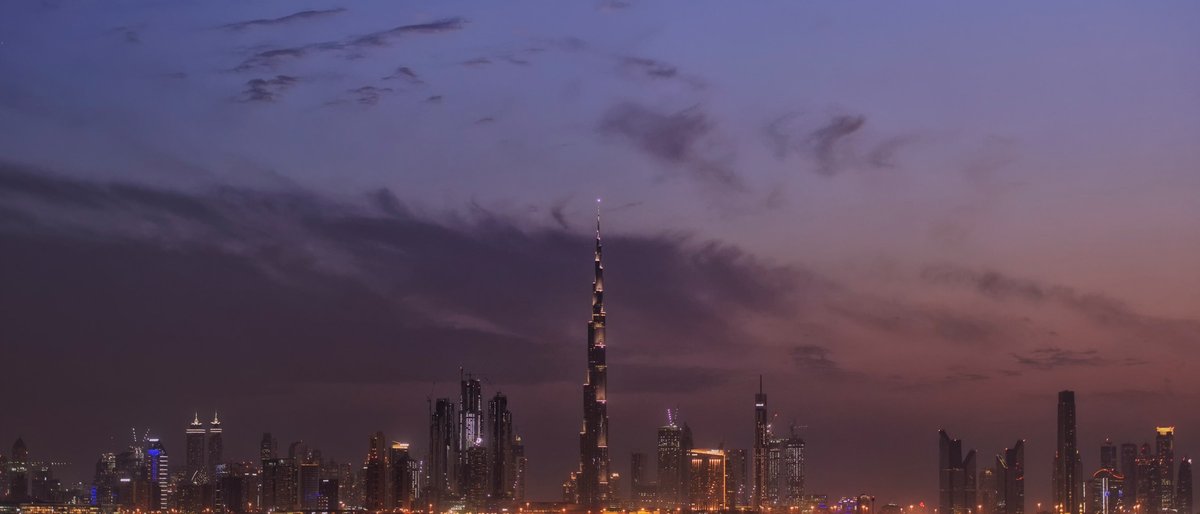
Stay in Dubai in August
139 hotels in the Trip.com pool for Dubai, from US$13 a night.
Opens Trip.com on Fri 6 Aug to Sun 8 Aug 2027; change the dates there.
August in Dubai is brutally, dangerously hot. That is the single most important thing you need to know. Daytime temperatures sit around 41°C (106°F), and they barely dip below 31°C (87°F) at night. The humidity (hovering around 54%) makes it feel worse than the numbers suggest, along the coast where the air can turn thick and soupy by mid-morning. Step outside at 2pm and the heat radiates off every surface. The pavement, the buildings, the sand. It hits you like opening an oven door.
To be fair, Dubai has engineered itself around this reality better than almost any city on earth. The malls are enormous and connected. The metro is air-conditioned. Hotels keep their pools chilled. You can technically spend a week here without meaningful outdoor exposure. But that raises an honest question: why visit a beach-and-desert destination when you can't comfortably use either? Most residents who can afford to leave have already gone to Europe or Southeast Asia for the summer. The city feels noticeably emptier.
That said, there is a genuine case for August if you're the right kind of traveler. Hotel rates crater: we're talking 50-60% below the December peak at some properties. Dubai Summer Surprises runs retail promotions across the city. And indoor attractions like the aquarium, ski slope, and restaurant scene operate at full capacity with shorter queues. You're trading comfort for value, and for some people that math works out.
Why visit in August
- Hotel rates drop 50-60% from peak season: five-star properties that run 2,000+ AED per night in January can dip below 800 AED
- Major indoor attractions like Dubai Aquarium, Ski Dubai, and IMG Worlds of Adventure have noticeably shorter queues and wait times
- Dubai Summer Surprises typically runs through August with genuine retail discounts of 25-75% at malls across the city
- Restaurant reservations that require weeks of advance booking in winter are often available same-day, including high-end spots at DIFC and Downtown
Worth knowing
- Sustained heat above 40°C (104°F) makes outdoor activities dangerous between roughly 10am and 5pm: heatstroke is a real medical risk, not just discomfort
- The combination of high humidity and extreme heat creates a wet-bulb temperature that limits the body's ability to cool itself through sweating
- Desert excursions, dhow cruises, beach days, and outdoor souks (the activities that make Dubai distinctive) are either miserable or ill-advised
- The city runs on reduced energy. Many residents are away, some smaller restaurants close for the summer, and the general atmosphere is quieter than peak months
Best for
Think twice if
August shares the title of hottest month with July. Expect relentless heat that barely lets up after dark. The average high of 41.1°C (106°F) tells part of the story, but the overnight low of 30.7°C (87°F) tells the rest: there is no real cool-down period. Humidity averages 54% but can spike higher along the coast, in the early morning, creating a heavy, sticky atmosphere. Rainfall is essentially zero. The sky tends to be hazy rather than the crisp blue you'd see in winter, partly from dust and partly from the moisture in the air. Wind, when it comes, feels like a hairdryer pointed at your face.
Seasonal caution
- Extreme heat advisory: sustained temperatures above 40°C (104°F) create serious risk of heat exhaustion and heatstroke, for those unaccustomed to desert climates. Outdoor labor is legally restricted during peak afternoon hours for good reason.
- High humidity combined with extreme heat produces dangerous wet-bulb conditions. Your body's natural cooling system becomes less effective: drink water constantly, even if you don't feel thirsty.
- UV index regularly reaches 11+ (extreme). Sunburn can occur in under 15 minutes of unprotected exposure, even through light cloud cover or haze.
- Sand and dust haze can reduce visibility and irritate respiratory conditions. Those with asthma should carry inhalers and consider limiting outdoor time.
Year-round climate
Averages from the last 5 years.
| Month | Avg high (°C) | Avg low (°C) | Rainfall (mm) |
|---|---|---|---|
| Jan | 24 | 16 | 17 |
| Feb | 25 | 17 | 17 |
| Mar | 29 | 19 | 10 |
| Apr | 32 | 22 | 24 |
| May | 36 | 25 | 3 |
| Jun | 39 | 28 | 0 |
| Jul | 41 | 31 | 5 |
| Aug | 41 | 31 | 0 |
| Sep | 39 | 29 | 0 |
| Oct | 35 | 26 | 2 |
| Nov | 31 | 22 | 5 |
| Dec | 27 | 18 | 13 |
Best things to do in August
Mall of the Emirates and Ski Dubai
indoor attractionThe irony of skiing in the desert hits differently when it's 41°C outside. Ski Dubai maintains real snow at -1°C inside an enormous indoor slope. Beyond the novelty, the adjacent Mall of the Emirates is one of the city's best for retail and dining, and you'll find it quieter than winter months. The penguin encounter is worth the detour if you're traveling with kids.
The temperature contrast between outside (41°C) and inside (-1°C) is at its most dramatic, and summer crowds are far lighter than the December-January rush.Booking tipBook the penguin encounter or slope time online a day ahead: walk-ups are possible in summer but online prices tend to be lower.
Aquaventure Waterpark
waterparkAtlantis's waterpark on the Palm is one of the largest in the region. The slides, the lazy river, the private beach: all of it feels purpose-built for a month like this. The water is warm (almost bath-temperature by August), but the slides create enough wind and splash to cool you down. Go early in the morning when the slides are walk-on.
Summer pricing packages at Atlantis often include waterpark access. The park is open year-round but August's low tourist volume means minimal queuing for major slides.Booking tipHotel-waterpark bundles at Atlantis drop sharply in summer: check their site directly for packages that include multi-day park access.
Dubai Aquarium and Underwater Zoo
indoor attractionHoused inside the Dubai Mall, the aquarium's 10-million-liter tank and walk-through tunnel are impressive regardless of the month. But in August, the appeal sharpens: it's cool, it's indoors, and the crowds thin out enough that you can linger at the shark exhibits without being shoulder-to-shoulder with tour groups.
Summer means fewer tour groups and shorter queues for the glass-bottom boat ride and cage snorkeling experience. The air-conditioned Dubai Mall surrounding it makes for easy half-day planning.Booking tipThe basic tunnel walk is free with Dubai Mall entry. Paid experiences (cage snorkel, glass-bottom boat) are best booked online for a small discount.
Evening desert safari
outdoor adventureIf you're set on a desert experience, the late-afternoon-to-evening safaris are the way to do it. Operators pick up around 3:30-4pm, and by the time you're doing dune bashing the sun is lower. The BBQ dinner happens after sunset when temperatures drop to a more bearable 33-35°C. Mind you, 'bearable' is relative: it's still hot. But the desert sky after dark, away from the city lights, is striking.
Operators offer significant summer discounts. The post-sunset desert is quieter and the sky is typically clear with zero rain risk. You'll share the camp with far fewer tourists than in winter.Booking tipBook through your hotel concierge for negotiated summer rates, or use a reputable operator: prices can drop 30-40% from peak season.
Dubai Frame at sunset
sightseeingThe 150-meter picture frame on the Zabeel Park border offers views across old and new Dubai. In August, aim for the last entry slot before sunset. The observation deck is fully enclosed and air-conditioned, and watching the city light up as the sun drops behind Sheikh Zayed Road is one of those quiet moments that sticks with you. The glass-floor walkway at the top adds a jolt of adrenaline.
Summer sunsets paint the hazy sky in deep oranges and pinks that you rarely see in the clearer winter months. Fewer visitors mean you can get space at the glass walls for photos.Booking tipBook the sunset time slot online: it sells out even in summer. Arrive 20 minutes early to clear security.
Friday brunch crawl
food and drinkDubai's Friday brunch culture is one of the city's genuine social institutions. In summer, hotels compete aggressively on price to fill seats. What costs 500-700 AED per person in January might drop to 250-350 AED. The quality stays high: these are the same kitchens, same chefs, same spreads. Zuma, La Petite Maison, Nobu: the restaurant scene doesn't dim just because the temperature rises.
Summer brunch packages are the best value of the year. Restaurants and hotels slash prices to attract the residents who stayed, creating a more local, less tourist-heavy atmosphere.Booking tipMany brunches still fill up by Thursday night even in summer. Book by Wednesday for popular spots.
IMG Worlds of Adventure
indoor attractionThe world's largest indoor theme park sits in City of Arabia, south of the main tourist strip. Marvel and Cartoon Network zones keep kids occupied for a full day, and the air conditioning is industrial-strength. It's not going to rival a Disney park, but for an August day when outdoor options are limited, it fills the gap.
Summer promotions often include discounted family bundles. Lines for major rides drop to 5-10 minutes compared to 30+ in winter peak.Booking tipBuy tickets online for a 10-15% discount. The park is large enough for a full day but can feel stretched: arrive at opening to hit the headline rides first.
Spa day at a five-star hotel
wellnessThis might sound indulgent, but in August it's practically practical. The major hotel spas (Talise at Madinat Jumeirah, ShuiQi at Atlantis, the Armani Spa downtown) run summer packages that bundle treatments, pool access, and sometimes lunch. The facilities are excellent, the environment is well climate-controlled, and it is likely the most pleasant way to spend a midday in August.
Summer spa packages drop to 40-50% of winter pricing. Hotels are eager to drive day-visitor revenue during the slow season, so the deals are genuine and often include extras.Booking tipCall the spa directly rather than booking through third-party sites: hotel spas often have unadvertised summer deals they'll offer over the phone.
What to eat in August
In season: fruit
Dates (fresh, peak harvest)
August falls during the late date harvest season. You'll find fresh rutab (soft, ripe dates) at markets and supermarkets: a completely different experience from the dried dates most visitors know. The khalas and barhi varieties are prized. Try them chilled.
On menus now
Chilled Arabian mezze
August pushes Dubai's restaurants toward cold dishes. Expect to see more fattoush, tabbouleh, labneh, and hummus platters featured as mains rather than sides. The herbs are bright, the portions generous, and the cold yogurt-based dishes feel like exactly what your body wants after stepping out of 41°C heat.
Street food peaks
Luqaimat
These sweet dumplings, drizzled with date syrup or honey, are a year-round Emirati staple but appear more frequently on summer menus and at iftar-style gatherings. The crispy exterior and soft, doughy center pair well with Arabic coffee. The warmth of the dish might seem counterintuitive in August, but the air-conditioned interiors make it work.
What to drink
Mango lassi and fresh mango juice
South Asian mangoes (Alphonso, Chaunsa, Langra) flood the Dubai markets in summer, imported from India and Pakistan at their absolute peak. The mango lassi you'll get at a Karama or Satwa juice shop in August is leagues beyond the off-season version. Rich, fragrant, almost creamy without any added thickener.
Tender coconut water
Sold at juice stands across Deira and Bur Dubai, fresh tender coconuts are sliced open on the spot. The water inside is cool and mildly sweet: a far cry from the packaged versions. Street vendors do brisk business in August because the demand is obvious.
Regular events in August
Dubai Summer SurprisesFree
A city-wide retail and entertainment festival running through most of the summer, typically ending in early September. Malls across Dubai participate with discounts, raffles, and entertainment acts. It's partly a commercial exercise, partly a genuine attempt to give residents and visitors something to do during the quiet months. The deals at electronics retailers and fashion outlets can be legitimately good.
Ongoing through late August to early SeptemberDubai Summer Sports Tournament
Organized indoor sports tournaments for residents and visitors, including futsal, basketball, and badminton at various sports complexes across the city. It's more of a community participation event than a spectator sport, but if you're looking to stay active without melting, this is an option.
Various dates throughout AugustModhesh World
An indoor family entertainment destination typically set up in a convention center, aimed squarely at kids. Rides, games, workshops, and character appearances. It's not going to wow adults, but for families with children under 10, it's a solid air-conditioned option that fills a half-day. Usually part of the Dubai Summer Surprises umbrella.
Throughout the summer months, check specific dates annuallyBest places this August
Dubai Mall and Downtown Dubai
mall and entertainment districtThe world's largest mall by total area is the obvious anchor for an August visit. Beyond shopping, there's the aquarium, the ice rink, the VR park, a cinema complex, and dozens of restaurants. The Dubai Fountain show outside runs in the evenings when the heat becomes slightly more tolerable: watching it from a restaurant terrace after 9pm, with the Burj Khalifa lit up behind it, is still a genuine moment even if you've seen photos a hundred times.
Downtown DubaiAl Fahidi Historical Neighbourhood
historic neighborhoodDubai's oldest standing neighborhood, with narrow lanes, wind towers, and courtyard houses dating to the late 1800s. The architecture itself provided pre-AC cooling: the wind towers funnel breeze into the rooms below. Visit early morning (before 9am) or after sunset. The coffee museum and several small galleries are air-conditioned. It's one of the few spots in Dubai that feels like it has genuine age and texture.
Bur DubaiAlserkal Avenue
arts and cultureDubai's contemporary art district, housed in converted industrial warehouses in Al Quoz. Galleries, a cinema, coffee shops, and occasional evening events. Everything is indoors. The programming tends to be more interesting than the mainstream tourist attractions, and in August you'll often have galleries nearly to yourself. Check what's showing before you go: some galleries reduce summer hours.
Al QuozKite Beach (after sunset only)
beachDuring winter, Kite Beach is one of the most popular stretches of sand in the city. In August, it's deserted by day for obvious reasons. But after 8pm, a handful of food trucks set up and the temperature drops to something approaching pleasant: still warm, but the sea breeze helps. Walking barefoot on sand that's finally cooled down, with the Burj Al Arab lit up down the coast, is a quiet pleasure.
Umm SuqeimGold Souk and Spice Souk
marketThe traditional souks in Deira are partially covered and somewhat air-cooled, though calling them comfortable in August would be a stretch. Go early morning or late evening. The gold souk's prices are based on daily gold rates plus a making charge: the making charge is often more negotiable in summer when foot traffic drops. The spice souk next door smells of saffron, cardamom, and dried rose petals: the scent intensity seems to double in the heat.
DeiraMadinat Jumeirah
resort and dining complexA resort complex built to resemble a traditional Arabian market, complete with waterways and abra boats. The indoor souk has shops and restaurants in air-conditioned comfort, and the views toward the Burj Al Arab from the outdoor walkways are photogenic even in hazy August light. The complex's restaurants are a strong lunch or dinner option: Pierchic, Pai Thai, and Folly all operate year-round.
Umm Suqeim
Your packing checklist
Tick items off as you pack. Your progress saves in this browser.
All packed — have a great trip.
Insider tips
The metro's Gold Class carriage costs only marginally more than standard and is noticeably less crowded and cooler. In August, the temperature difference between a packed standard car and a half-empty Gold Class car is worth the upgrade: a few extra dirhams buys genuine comfort.
Many hotel pools are heated in winter but actively chilled in summer. Call ahead and ask if the pool is temperature-controlled. A chilled pool at a five-star property can be the highlight of an August day. Some hotels (on the Palm) also maintain private beach access with misting fans and shaded cabanas.
The Careem and Uber apps work well in Dubai, but in August your wait time at peak hours ( around 5-6pm when offices let out) can spike. Schedule rides 10-15 minutes before you need them. Standing outside waiting for a car in this heat, even for five minutes, is unpleasant.
The indoor Dubai Ice Rink at Dubai Mall offers public skating sessions that are a genuine respite, not just a novelty. It's Olympic-sized, well maintained, and skate rental is included. On weekday mornings in summer, you might have a quarter of the rink to yourself.
If you want to see the Burj Khalifa observation deck, August is the month to do it. During peak season, 'At the Top' tickets sell out days in advance and the deck is shoulder-to-shoulder. In summer, you can often book same-day, and the experience of being 555 meters up with actual breathing room is markedly better, even if the haze slightly softens the distant views.
Avoid these mistakes
- Scheduling outdoor sightseeing between 10am and 4pm. This is not a matter of comfort: it's a matter of safety. Tourists underestimate how quickly 41°C heat with 54% humidity can cause heat exhaustion. The headache, nausea, and dizziness can onset within 30 minutes of sustained exposure. Plan outdoor activities for early morning or after sunset.
- Packing only summer clothes and forgetting layers for indoors. The air conditioning in Dubai malls, restaurants, and the metro runs so aggressively cold that you will shiver. People who packed for a desert trip find themselves buying emergency sweaters at Zara on day one.
- Booking a traditional dhow dinner cruise expecting a pleasant evening on the water. The Creek and Marina dhow cruises run year-round, but in August the open upper deck is still uncomfortably warm even after dark, and the enclosed lower deck can feel claustrophobic. If you must do one, choose a late departure (9pm+) and sit near the open windows.
- Assuming 'it's a dry heat' because it's a desert. Dubai sits on the coast of the Arabian Gulf. August humidity averages 54% and can spike above 70% in the early morning. The coastal location means it's nothing like, say, Riyadh's drier heat. The muggy air catches first-time visitors off guard.
Practical tips for August
Book hotels and flights at least 2-3 weeks ahead to lock in the best summer deals, while August is low season, the deepest discounts go to early bookers, not last-minute arrivals. Ramadan does not fall in August in 2026, but always check the Islamic calendar before your trip, as it shifts roughly 11 days earlier each year and affects restaurant hours and public behavior during daylight hours. The Dubai Metro runs from 5am to midnight Saturday through Wednesday, extending to 1am on Thursday and Friday: plan your evening activities around the last train if you're not using taxis. Many restaurants outside of hotels reduce their hours or close entirely for summer maintenance, so check ahead rather than walking to a spot and finding it shuttered. Dress modestly in public spaces, while Dubai is cosmopolitan, the UAE has decency laws and you'll see signs in malls reminding visitors to cover shoulders and knees. Tipping is not obligatory but 10-15% at restaurants is appreciated; many places add a service charge automatically. Keep your metro Nol card loaded: it works on buses and trams too, and the system is the most comfortable way to move around the city. Consider booking a day trip to Abu Dhabi for the Louvre Abu Dhabi or Sheikh Zayed Grand Mosque: both are fully air-conditioned and roughly 90 minutes by car.
FAQ
Is August a good time to visit Dubai?
Honestly, no: it's the joint-hottest month of the year alongside July, with temperatures around 41°C (106°F) and humidity that makes it feel worse. Most residents leave for the summer. That said, if you're specifically looking for rock-bottom prices on luxury hotels, near-empty attractions, and you're content spending most of your time in air-conditioned spaces, August can work. Just go in with clear expectations: this is not beach weather, it's not desert safari weather, and the city is running at maybe 60% of its winter energy.
What is the weather like in Dubai in August?
Extreme heat. Average highs of 41°C (106°F) with overnight lows around 31°C (87°F): the temperature barely drops at night. Humidity averages 54%, making it feel hotter than the number suggests. Rainfall is essentially zero. The sky tends toward hazy rather than clear blue. The sea temperature reaches about 34°C (93°F), which is warm enough that swimming doesn't cool you down much. Wind offers no relief: it feels like a hot fan.
Is Dubai crowded in August?
Not at all. August is one of the quietest months in Dubai. Many expatriate residents (who make up roughly 85% of the population) leave for their home countries or cooler destinations during the summer. Tourist numbers drop sharply. Malls still have activity (they're the primary gathering place in summer), but attractions, beaches, restaurants, and hotels are noticeably emptier than the November-March peak season.
How cheap are hotels in Dubai in August?
Significantly cheaper than peak season. Five-star hotels that charge 2,000-3,000 AED per night in December and January often drop to 700-1,200 AED in August. Mid-range hotels see similar proportional drops. Many properties sweeten the deal with included breakfast, spa credits, late checkout, and waterpark access. It's arguably the best month of the year for luxury-on-a-budget travelers who can handle the trade-off of extreme heat.
Can you still enjoy the beach in Dubai in August?
Technically, yes, but practically it's tough. The sand is hot enough to burn bare feet during the day, the air temperature makes sustained sun exposure dangerous, and the sea water reaches about 34°C (93°F): closer to a warm bath than a refreshing swim. If you're determined, go at dawn before 8am or after sunset around 7:30pm. Many beachgoers shift to hotel pool decks instead, where chilled pools, misting fans, and shade structures make the heat more manageable.
Things to Do in Dubai in August
 Free cancellation
 Dubai Red Dunes ATV, Camels, Stargazing & 5* BBQ Al Khayma Camp
Outdoor experience: 6 hours, free cancellation.
via Viator Free cancellation
 Dubai Premium Red Dunes Safari, Camels & 5* BBQ at Al Khayma Camp
Outdoor experience: 7 hours, free cancellation.
via Viator Free cancellation
 Dubai Desert Safari Dune Bashing, 60min ATV Quad, Camel Ride, BBQ
Outdoor experience: 7.5 hours, free cancellation.
via Viator Free cancellation
 Dubai To Abu Dhabi: Grand Mosque, Royal Palace & Etihad Tower
Day trip: free cancellation.
via Viator Free cancellation
 Dubai Marina Luxury Yacht Tour with Optional Breakfast or BBQ
Cruise: free cancellation.
via Viator Free cancellation
 Dubai Desert Safari - Sandboarding, Quad Bike & BBQ Options
Outdoor experience: free cancellation.
via ViatorFind a flight to Dubai
Live fares to Dubai appear here once cookies are accepted.
Last verified by automated review (v1.7.1) on . What is automated review?