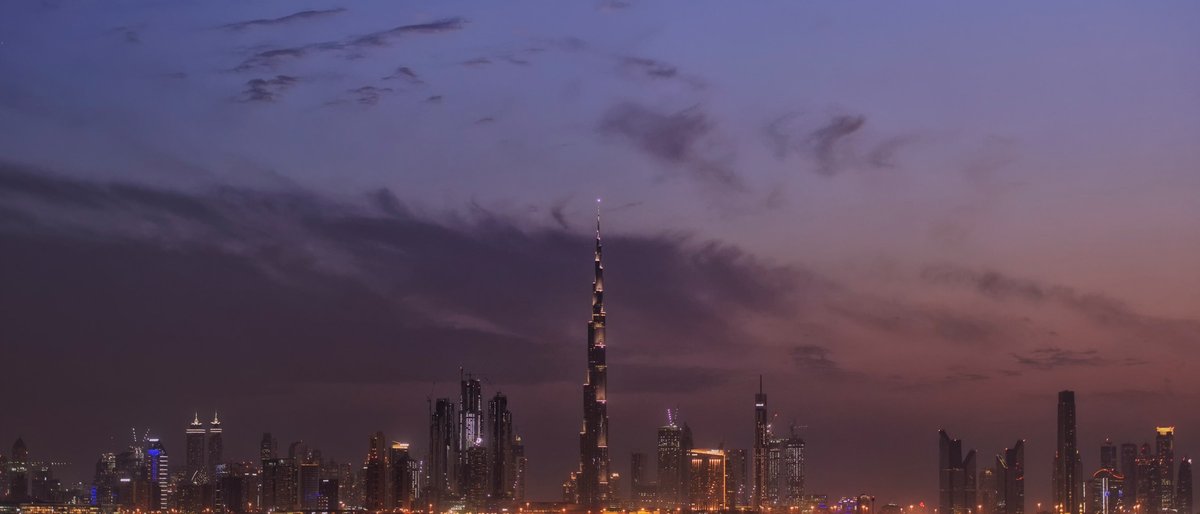
Stay in Dubai in January
139 hotels in the Trip.com pool for Dubai, from US$13 a night.
Opens Trip.com on Fri 1 Jan to Sun 3 Jan 2027; change the dates there.
January is when Dubai makes sense as a destination. After months of heat that keeps residents indoors from May through October, the city finally exhales into its best weather window: daytime highs around 24°C (75°F) with lows dipping to a pleasant 16°C (60°F) at night. The air is dry, the sky tends to stay clear, and you can spend an entire day outdoors without feeling like you're slowly being cooked. That said, you're not the only one who figured this out. January is firmly peak season, and Dubai prices (already not shy) climb accordingly. Hotels in Downtown and along the Marina waterfront charge their highest rates of the year, through the first two weeks as New Year's crowds linger. The Dubai Shopping Festival is still running, which draws enormous numbers of visitors from South Asia and the Gulf states.
To be fair, the crowds are manageable if you know where to go. Dubai is built for volume: the malls are absurdly large, the beaches stretch for kilometers, and the newer neighborhoods like Al Seef and Bluewaters have spread the tourist load beyond the old Downtown-Marina corridor. The vibe in January feels energetic without being suffocating. Outdoor dining is everywhere, desert excursions are comfortable instead of suicidal, and you can walk along the Creek without melting. If you're going to spend money on Dubai (and you will spend money) January is when you get the most out of it.
Why visit in January
- The best outdoor weather of the year: 24°C (75°F) highs with minimal humidity at 63%, comfortable enough for full days outside without heat exhaustion
- Dubai Shopping Festival runs through late January with genuine markdowns at Gold Souk, Mall of the Emirates, and Dubai Mall, plus nightly entertainment and fireworks
- Desert conditions are good for dune camping, camel treks, and morning hot-air balloon rides: cool nights around 16°C (60°F) make overnight stays in the Empty Quarter fringe enjoyable
- The full lineup of outdoor brunch spots, beach clubs, and rooftop restaurants is operating at peak capacity, which is when Dubai's food scene is at its strongest
- Water sports season: the Gulf is calm with water temperatures around 22°C (72°F), clear enough for diving at Fujairah and comfortable for kayaking around Palm Jumeirah
Worth knowing
- Peak-season pricing is real: expect hotel rates well above the annual average, with five-star properties along Sheikh Zayed Road commanding their highest nightly rates of the year
- Popular attractions like the Burj Khalifa At the Top, Dubai Frame, and desert safari operators book out days in advance, on weekends (Friday-Saturday)
- The post-New Year's hangover lingers through the first week: traffic around Downtown is worse than usual, and brunch reservations at places like Zuma or La Petite Maison require planning
- Evenings get cool by Dubai standards: 15-16°C (59-60°F) catches visitors off guard who packed only shorts and sandals
Best for
Think twice if
January weather in Dubai is about as good as desert climate gets. Days are warm and dry with highs around 24°C (75°F): the kind of warmth where a t-shirt is fine by noon but you might want a layer in the shade. Nights cool down noticeably to about 16°C (60°F), which feels chilly after months of 40°C-plus summers. Rain is unlikely but not impossible: you might get a couple of brief showers across the whole month, totaling around 17mm. The humidity sits at roughly 63%, which is noticeable in the morning near the coast but nothing like the oppressive soup of August. Wind is generally light, though the occasional shamal breeze can kick up a bit of sand in the desert outskirts. The Gulf water is cool but swimmable at around 22°C (72°F).
Year-round climate
Averages from the last 5 years.
| Month | Avg high (°C) | Avg low (°C) | Rainfall (mm) |
|---|---|---|---|
| Jan | 24 | 16 | 17 |
| Feb | 25 | 17 | 17 |
| Mar | 29 | 19 | 10 |
| Apr | 32 | 22 | 24 |
| May | 36 | 25 | 3 |
| Jun | 39 | 28 | 0 |
| Jul | 41 | 31 | 5 |
| Aug | 41 | 31 | 0 |
| Sep | 39 | 29 | 0 |
| Oct | 35 | 26 | 2 |
| Nov | 31 | 22 | 5 |
| Dec | 27 | 18 | 13 |
Headline events
Dubai Shopping Festival
Late December through late January (dates shift yearly)
The region's largest retail event transforms the city for roughly six weeks spanning late December through late January. It goes well beyond mall discounts: there are nightly fireworks at various locations, outdoor concerts, drone shows over the Marina, raffles for luxury cars and gold, and pop-up markets along the Creek. The Gold Souk and textile merchants in Deira offer some of the steepest markdowns. It pulls millions of visitors, from India, Pakistan, Saudi Arabia, and other Gulf states.
Best things to do in January
Desert overnight camping
outdoorJanuary nights in the desert hover around 14-16°C, which makes sleeping under the stars comfortable rather than the sweaty ordeal it would be most of the year. Operators run camps in the Lahbab desert area south of the city, and the silence out there (once the dune buggies stop) is striking. You get a sky full of stars that the city's light pollution normally hides.
Cool nighttime temperatures make overnight desert stays comfortable. The rest of the year, desert camping ranges from unpleasant to dangerous.Booking tipBook at least a week ahead, for weekend departures. Friday-Saturday camps fill up fast during peak season.
Hot-air balloon rides over the desert
outdoorEarly morning flights launch from the desert conservation reserve outside the city, drifting over the dunes as the sun comes up. You can spot oryx and gazelles below, and the light at dawn paints the sand in orange and pink tones that look almost unreal. The flight itself is calm: January mornings tend to be still.
January's cool, stable morning air provides the best flying conditions of the year. Summer heat creates thermals that ground most flights entirely.Booking tipMorning departures mean very early pickup times from the city: expect a 4:30-5:00 AM collection. Book several days ahead.
Kayaking through Al Qudra mangroves
outdoorPaddling through the mangrove channels near Al Qudra feels oddly remote for being so close to a megacity. Herons and flamingos wade through the shallow water, and the tangled root systems create quiet green tunnels. The water is calm, the air is cool, and you might forget you're within an hour of the world's tallest building.
Comfortable temperatures mean you can paddle for a couple of hours without overheating. The winter migratory birds, the flamingos, are present through January.Booking tipEarly morning sessions tend to have the best wildlife sightings and the calmest water.
Al Fahidi Historical Neighbourhood walking tour
cultureThe wind-tower architecture of old Dubai is best appreciated on foot, and January is one of the few months when that's pleasant. The narrow lanes between the sand-colored buildings create natural shade, and the whole area smells faintly of oud and cardamom from the nearby spice stalls. Several galleries and small museums are tucked into the restored buildings.
Walking tours in Dubai are essentially a winter-only activity. The compact layout of Al Fahidi means you'll be outdoors for an hour or more: tolerable in January, punishing in July.Creek dhow cruise at sunset
cultureThe traditional wooden dhows still ply Dubai Creek, and a sunset cruise gives you a view of both old Deira and the Bur Dubai side as the light goes golden. The breeze off the water feels crisp in January, and the call to prayer from the mosques along the banks adds an atmospheric layer that's hard to replicate elsewhere.
January evenings are cool and clear, and the earlier sunset means you don't have to wait until 7 PM for the golden-hour views. The breeze on the water is refreshing rather than furnace-like.Hiking Jebel Jais
outdoorThe UAE's highest peak sits about 90 minutes from Dubai in Ras Al Khaimah, and the trails up there offer surprising mountain scenery: terraced rock faces, scrubby vegetation, and views that stretch to the Gulf of Oman. January temperatures at elevation can dip below 10°C in the morning, so bring layers. The air feels completely different from the coast.
January is firmly within the narrow hiking window. By March the lower trails start getting warm, and by May the entire mountain is uncomfortably hot during the day.Booking tipStart early to beat the midday sun on exposed sections. The via ferrata experience requires advance booking.
Global Village
cultureA large open-air cultural marketplace where dozens of countries have pavilions selling their food, crafts, and goods. It's enormous: you could easily spend four or five hours and not see everything. The food is the real draw: you can eat Palestinian knafeh, then walk to a Japanese takoyaki stand, then grab Afghan bolani. The whole thing operates only during the cooler months.
Global Village runs from roughly October through April, and January is when the full roster of pavilions and entertainment acts is in place. The evening temperatures make it comfortable to wander for hours.Booking tipGo on a weekday evening if possible. Weekend crowds can be intense, with long queues at the more popular food stalls.
Beach day at Kite Beach or JBR
outdoorThe Gulf water in January sits around 22°C: cool enough to be refreshing but warm enough for a proper swim. Kite Beach lives up to its name with consistent light winds, and the stretch of sand near JBR is backed by food trucks and casual restaurants. You can lie on the sand without it burning your skin, which is not a given in this city.
Air temperatures around 24°C and water at 22°C make January one of the only months where a beach day doesn't require heat-survival planning. UV levels are still strong but manageable with sunscreen.What to eat in January
In season: fruit
UAE-grown strawberries
The Emirates has a short winter growing season, and local strawberries show up at farmers' markets and fruit stands from around December through February. They tend to be smaller than imported ones but noticeably sweeter. You'll spot them at the Waterfront Market in Deira and various organic markets that pop up on weekends.
On menus now
Harees
Slow-cooked wheat and lamb porridge that's a traditional Emirati winter comfort dish. The consistency is thick and savory, almost like a warm savory pudding. You'll find it at heritage restaurants in Al Fahidi and Deira, and it tends to appear on more menus during the cooler months.
Balaleet
Sweet vermicelli noodles topped with a thin savory omelette: a classic Emirati breakfast that heritage cafés in Al Fahidi and Al Shindagha serve fresh in the mornings. The contrast of the cardamom-and-saffron sweetened noodles against the egg is oddly satisfying. More places feature it on winter menus when the breakfast crowd lingers outdoors.
Street food peaks
Luqaimat
Crispy Emirati dumplings drizzled with date syrup: these are everywhere during the cooler months when outdoor food stalls set up along the Heritage Village and Al Seef. The texture should be crunchy outside, soft and slightly chewy within. Best eaten warm.
What to drink
Karak chai
Dubai's unofficial national drink: strong black tea simmered with evaporated milk, cardamom, and sugar. It's available year-round at every cafeteria, but January is when drinking it outdoors at a streetside stand feels right instead of adding to your heat exhaustion. The best spots are the no-name cafeterias in Satwa and Karama.
Regular events in January
Dubai Marathon
One of the fastest marathon courses in the world thanks to the flat terrain and cool January temperatures. The route runs along the coast, and the elite field regularly attracts top East African distance runners. There's also a shorter fun run for casual participants.
Late January (usually the last Friday)Global Village season
The massive multicultural outdoor market and entertainment complex is in full swing during January, with pavilions representing over 80 countries. Live entertainment, carnival rides, and a staggering variety of street food from around the world.
Open nightly throughout January (October through April season)Art Dubai preparations and gallery openingsFree
While Art Dubai itself typically falls in March, the gallery scene heats up in January with pre-fair exhibitions at Alserkal Avenue and DIFC galleries. Many international galleries use January to debut new shows aimed at the winter visitor crowd.
Throughout JanuaryDubai World Cup Carnival race nightsFree
The horse racing season is in full stride at Meydan Racecourse, with the Dubai World Cup Carnival running a series of prestigious international race nights through January and February. The evening atmosphere at the racecourse is lively.
Thursday evenings throughout JanuaryBest places this January
Al Seef Heritage District
neighborhoodA quieter alternative to the tourist-heavy Downtown area, Al Seef stretches along Dubai Creek with a mix of restored heritage buildings and new construction designed to look old. The waterfront promenade is pleasant for evening walks in January, and the restaurants here tend to be less crowded than their Marina counterparts.
Bur DubaiAlserkal Avenue
artsDubai's main contemporary art district, housed in converted industrial warehouses in Al Quoz. The galleries rotate exhibitions frequently, and January typically sees fresh shows timed to the winter season. There are also independent cinemas, specialty coffee roasters, and a few excellent restaurants tucked in between the galleries.
Al QuozDubai Creek and Deira Souks
marketThe old commercial heart of the city. Take an abra water taxi across the Creek for a couple of dirhams, then wander through the Gold Souk, Spice Souk, and Perfume Souk in Deira. The smell of frankincense and saffron hangs in the air. January means the DSF brings extra activity and markdowns to these markets.
DeiraHatta Mountain Reserve
natureAbout 90 minutes inland from Dubai, Hatta has a completely different landscape: rocky mountains, a turquoise dam lake, and mountain bike trails. January temperatures here are cooler than the coast, sometimes dipping into single digits at night. The kayaking on Hatta Dam is serene, with the Hajar Mountains reflected in the still water.
HattaPalm Jumeirah boardwalk
waterfrontThe 11-kilometer boardwalk circling the Palm's crescent is best tackled in January when you can walk it without heatstroke risk. Views of the Atlantis resort on one side and the Marina skyline on the other, with the Gulf breeze keeping things comfortable. Sunset walks here are good.
Palm JumeirahDubai Frame
landmarkThe 150-meter-tall picture-frame structure in Zabeel Park offers views of old Dubai on one side and new Dubai on the other: a neat visual metaphor. January means clear skies for photography and shorter queues on weekday mornings compared to the holiday-week chaos.
ZabeelLa Mer beachfront
beachA more relaxed, design-forward beach district with murals, indie cafés, and a stretch of public beach. Less hectic than JBR, and the cooler January weather makes it good for long afternoons drifting between the sand and the waterfront restaurants.
JumeirahRas Al Khor Wildlife Sanctuary
natureA wetland reserve right at the edge of the city where hundreds of greater flamingos gather during winter. Free to visit, with observation hides set up for birdwatching. January is peak flamingo season, and seeing them against the backdrop of Dubai's skyscrapers is surreal.
Ras Al Khor
Your packing checklist
Tick items off as you pack. Your progress saves in this browser.
All packed — have a great trip.
Insider tips
The abra boats across Dubai Creek cost next to nothing and are one of the most authentic experiences in the city: skip the luxury yacht tours and take the wooden water taxi that locals use
Friday brunch is a Dubai institution, but in January the popular spots book out a week or more ahead. Lesser-known restaurants in DIFC and Business Bay run equally good brunches with far less competition for tables
The Waterfront Market in Deira replaced the old fish market and is where locals shop: the seafood section is worth visiting just for the spectacle, and several stalls will cook your purchase on the spot
If you're heading to the Burj Khalifa observation deck, the sunset slot is the most sought-after. Booking the slightly later evening slot often gets you similar views with fewer people and the added bonus of the city lit up
Al Quoz industrial area around Alserkal Avenue has some of the best specialty coffee in the city: places that roast their own beans and take it seriously, tucked between art galleries and warehouses
Avoid these mistakes
- Underestimating how cold evenings feel: 15°C doesn't sound dramatic, but after months of extreme heat, locals and visitors alike feel it. Bring a proper layer for after dark.
- Trying to do everything in Downtown and the Marina while ignoring Deira, Al Fahidi, and the Creek area. Old Dubai has the texture and character that the glass-tower districts lack.
- Not booking attraction tickets in advance: the Burj Khalifa, Dubai Frame, and popular desert safari operators sell out during peak January weekends. Walk-up availability is unreliable.
- Assuming the Dubai Shopping Festival discounts apply to everything: the retail markdowns are real at certain stores and in the souks, but hotel and dining prices go up during DSF.
- Skipping the desert because it seems too touristy. Yes, the big safari operators can feel commercial, but an early-morning balloon ride or an overnight camp in the quieter Lahbab dunes is a different experience entirely.
Practical tips for January
January is Dubai's busiest month, so advance planning pays off more than usual. Book attraction tickets, restaurant reservations, and desert excursions at least several days ahead: for weekends, which in Dubai means Friday and Saturday. The metro covers Downtown, the Marina, and several key areas efficiently, and it's considerably less stressful than driving during peak-season traffic. Dress in light layers: mornings and midday are warm enough for a t-shirt, but evenings and the relentless air conditioning indoors mean you'll want a jacket on hand. The Dubai Shopping Festival means extended mall hours and various entertainment events scattered around the city: check the DSF schedule for fireworks and concert locations. If you're visiting mosques, women should carry a scarf and both men and women should wear clothing that covers shoulders and knees. Tipping is not obligatory but is appreciated in restaurants: service charges are sometimes included on the bill, so check before adding extra. The tap water is technically safe but most people drink bottled or filtered water.
FAQ
Is January a good time to visit Dubai?
January is widely considered one of the two best months to visit Dubai, along with February. The weather is at its most comfortable (warm days, cool evenings, minimal rain) and virtually every outdoor activity, restaurant, and attraction is fully operational. The tradeoff is that it's peak season with corresponding crowd levels and pricing.
How crowded is Dubai in January?
Very crowded by Dubai standards, around Downtown, the Marina, and major malls during the Dubai Shopping Festival. That said, the city is designed for large volumes of visitors, so it rarely feels unmanageable. Weekdays are noticeably calmer than weekends, and neighborhoods like Al Seef, Jumeirah, and Al Quoz see far fewer tourists.
What should I wear in Dubai in January?
Light layers work best. Daytime temperatures around 24°C call for a t-shirt or light long sleeves, but you'll want a jacket or sweater for evenings when it drops to 15-16°C. For mosque visits, bring modest clothing that covers shoulders and knees. Nicer restaurants often have dress codes requiring smart-casual attire.
Can you swim in the sea in Dubai in January?
Yes, though the water is noticeably cooler than in summer: around 22°C. Most people find it refreshing and well swimmable, though it might feel brisk for the first minute. Beach clubs and public beaches are all open and busy during January.
Is the Dubai Shopping Festival worth planning a trip around?
If shopping is a significant part of your trip, then yes: the retail discounts at the souks, malls, and electronics stores are genuine, for gold, textiles, and fashion. The festival also adds entertainment value with fireworks, concerts, and pop-up markets. However, it also drives up hotel and flight costs considerably, so the overall trip may not feel like a bargain.
Things to Do in Dubai in January
 Free cancellation
 Dubai Red Dunes ATV, Camels, Stargazing & 5* BBQ Al Khayma Camp
Outdoor experience: 6 hours, free cancellation.
via Viator Free cancellation
 Dubai Premium Red Dunes Safari, Camels & 5* BBQ at Al Khayma Camp
Outdoor experience: 7 hours, free cancellation.
via Viator Free cancellation
 Dubai Desert Safari Dune Bashing, 60min ATV Quad, Camel Ride, BBQ
Outdoor experience: 7.5 hours, free cancellation.
via Viator Free cancellation
 Dubai To Abu Dhabi: Grand Mosque, Royal Palace & Etihad Tower
Day trip: free cancellation.
via Viator Free cancellation
 Dubai Marina Luxury Yacht Tour with Optional Breakfast or BBQ
Cruise: free cancellation.
via Viator Free cancellation
 Dubai Desert Safari - Sandboarding, Quad Bike & BBQ Options
Outdoor experience: free cancellation.
via ViatorFind a flight to Dubai
Live fares to Dubai appear here once cookies are accepted.
Last verified by automated review (v1.7.1) on . What is automated review?