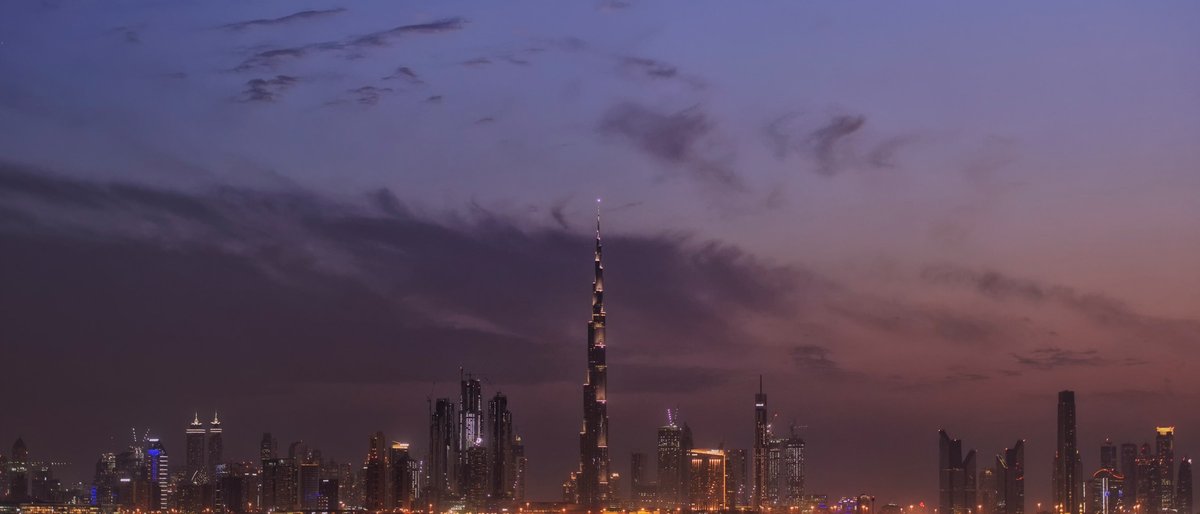
Stay in Dubai in February
139 hotels in the Trip.com pool for Dubai, from US$13 a night.
Opens Trip.com on Fri 5 Feb to Sun 7 Feb 2027; change the dates there.
February might be the single best month to experience Dubai outdoors. Daytime temperatures hover around 25°C (77°F) with lows near 17°C (63°F) at night: warm enough for the beach, cool enough to walk between attractions without feeling like you're slowly cooking. Compare that to the 41°C (106°F) that July delivers, and you start to understand why half of Northern Europe seems to relocate here each winter.
You're far from the only person who's figured this out, though. February sits squarely in peak tourist season, and the city feels it. JBR Beach is claimed by mid-morning, brunch reservations at popular spots in DIFC and Downtown need to be secured days in advance, and hotel rates reflect the demand. The Dubai Food Festival typically launches in the final week of February, layering in pop-up dining events and special menus across the city. Mind you, even with the crowds, Dubai is built for volume: the infrastructure absorbs tourists better than most cities this popular.
The weather is close to good for this part of the world. Rain is rare: roughly 17mm across the entire month, maybe one or two brief showers. Humidity sits around 66%, which you'll notice in the mornings along the Creek but which burns off by midday. You might catch the occasional sandy wind, but most afternoons are clear and dry. It's the kind of weather where you can spend a full day outside without once retreating to air conditioning, and that's something you simply cannot say about Dubai for roughly seven months of the year.
Why visit in February
- Temperatures between 17–25°C (63–77°F) make outdoor exploration comfortable all day: desert excursions, beach time, and walking tours are all pleasant rather than something you endure
- Rain is almost nonexistent, with roughly 17mm total: you can plan outdoor activities with near-certainty they won't be rained out
- The Dubai Food Festival launching in late February brings city-wide special menus, food truck gatherings, and pop-up dining experiences that give you a reason to eat beyond the hotel
- Water temperatures in the Gulf hover around 22°C (72°F), which is cool enough to be refreshing but warm enough for extended swimming: a sweet spot you don't get in December or January
Worth knowing
- This is peak season pricing: expect hotel rates well above the annual average, and popular experiences like desert safaris and dhow cruises charge premium rates
- Beaches and major attractions like the Dubai Mall, Burj Khalifa observation deck, and the Gold Souk are noticeably crowded, on weekends (Friday–Saturday)
- The comfortable weather attracts large tour groups, and you'll feel their presence at heritage sites like Al Fahidi and at popular brunches
- Evening temperatures can drop below 17°C (63°F), which catches visitors off guard if they've only packed for warm weather: a light jacket is not optional for dinner on an open-air terrace
Best for
Think twice if
February in Dubai delivers what most people picture when they imagine ideal winter-sun weather. Expect clear skies for the vast majority of the month, with daytime highs around 25°C (77°F) that feel pleasantly warm without the oppressive weight of summer. Nights cool to about 17°C (63°F), which is comfortable for sleeping with windows open. Humidity averages 66%: you'll feel a slight stickiness in the early morning, near the water, but it tends to lift as the sun climbs. Rain is barely worth mentioning: around 17mm total, typically arriving as a single brief shower that clears within an hour. The occasional shamal wind can blow in from the northwest, carrying fine desert dust, but these rarely last more than a day.
Year-round climate
Averages from the last 5 years.
| Month | Avg high (°C) | Avg low (°C) | Rainfall (mm) |
|---|---|---|---|
| Jan | 24 | 16 | 17 |
| Feb | 25 | 17 | 17 |
| Mar | 29 | 19 | 10 |
| Apr | 32 | 22 | 24 |
| May | 36 | 25 | 3 |
| Jun | 39 | 28 | 0 |
| Jul | 41 | 31 | 5 |
| Aug | 41 | 31 | 0 |
| Sep | 39 | 29 | 0 |
| Oct | 35 | 26 | 2 |
| Nov | 31 | 22 | 5 |
| Dec | 27 | 18 | 13 |
Headline events
Dubai Food Festival
Late February through mid-March
A city-wide celebration of Dubai's dining scene that runs for roughly two weeks, featuring special prix-fixe menus at restaurants across every price range, street food pop-ups, food truck gatherings at designated parks, and chef-led events. The festival has grown significantly and now draws food-focused visitors who time their trips specifically around it. Beach Canteen (an outdoor food market) tends to be the most popular public-facing component.
Best things to do in February
Desert safari and dune bashing
adventureFebruary's temperatures make the desert enjoyable rather than survivable. You'll ride across the red dunes of Lahbab or the broader Margham desert in a 4x4, with stops for sandboarding, camel rides, and a barbecue dinner under the stars at a Bedouin-style camp. The sand still holds warmth from the day but the air is cool enough that you're comfortable sitting outside well past sunset.
Temperatures in the mid-20s mean the desert is pleasant from late afternoon through the evening: in summer, the sand radiates heat that makes the whole experience miserableBooking tipBook at least a few days ahead during February, as operators run at capacity. Morning safaris are less crowded than sunset departures.
Al Qudra cycling
outdoorThe Al Qudra cycling track stretches over 80 kilometres through flat desert landscape, passing Al Qudra Lakes where you might spot flamingos and oryx. The track is paved and well-maintained, with several loops of varying length. In February, you can ride comfortably from early morning into early afternoon: something that's only possible maybe four months of the year.
Cool morning temperatures and low humidity make sustained outdoor exercise safe and pleasant, unlike the dangerous heat of May through OctoberBooking tipSeveral rental shops near the trailhead offer bikes by the hour. Weekday mornings are quietest.
Kayaking through the Dubai Marina
water sportsPaddle between the towers of Dubai Marina as the sun drops behind the skyline. The water is calm, the evening air sits around 20°C, and the buildings light up one by one as you paddle. It's a perspective of the Marina you cannot get any other way: looking up at those towers from water level shifts the entire scale of the place.
Calm seas, mild temperatures, and longer evening light hours make February one of the best months for water activities in the MarinaBooking tipSunset sessions fill up fast on weekends: book early in the week if you want a Friday or Saturday slot.
Walking tour of Al Fahidi Historical Neighbourhood
cultureThe narrow lanes of Al Fahidi are lined with restored wind-tower houses built from coral and gypsum, and the neighbourhood contains several small museums, galleries, and the excellent Coffee Museum. February's temperatures mean you can wander for a couple of hours without the heat forcing you indoors. The texture of the old walls, the smell of oud drifting from a shop, the call to prayer echoing between the buildings: it all registers differently when you're not desperately seeking shade.
The mild weather makes walking between attractions pleasant. In summer months, the same walk would require constant stops for water and air conditioning.Booking tipFree to wander on your own, but guided tours run most mornings and add useful context about the architecture and trading history.
Beach day at Kite Beach or JBR
beachKite Beach lives up to its name: you'll see kites, volleyballs, and runners sharing the stretch of sand with a view across to the Burj Al Arab. JBR Beach is the more developed option with loungers and dining steps from the sand. The water temperature sits around 22°C, which is brisk enough to wake you up but warm enough that you'll stay in. The sand feels warm underfoot by mid-morning without being hot enough to burn.
This is the narrow window where both air and water temperatures align for comfortable beach days: too cool in December, too hot by AprilBooking tipArrive before 10am on weekends to claim a good spot, at JBR. Kite Beach is less contested but has fewer facilities.
Dubai Fountain and Burj Khalifa observation deck
sightseeingThe evening fountain show at the base of the Burj Khalifa remains one of the city's great free spectacles: jets of water choreographed to music against the backdrop of the world's tallest building. In February, you can watch from the lakeside promenade without the stifling heat that makes standing outside unbearable in summer. The observation deck on the 148th floor offers views that stretch clear to the coast on February's typically cloudless evenings.
Clear skies mean visibility from the observation deck is at its best, and the evening temperatures make watching the fountain show from the promenade comfortable rather than swelteringBooking tipPre-book observation deck tickets online: walk-up queues in February can exceed an hour. The sunset time slot is most popular but also most expensive.
Dhow cruise on Dubai Creek
cruiseA wooden dhow drifts along the Creek as Deira's spice souk and the old textile merchants' buildings slide past on one side, with the newer towers of Bur Dubai rising on the other. Most cruises include dinner, and the February evening air (cool, dry, carrying traces of frankincense from the souk stalls) makes sitting on the open deck the obvious choice over the enclosed cabin.
February evenings are good for open-air deck dining. The same cruise in July means retreating to the air-conditioned interior and missing the entire point.Booking tipThe Creek cruises tend to offer a more real feel than the Marina versions. Book through your hotel or a reputable operator: quality varies significantly.
What to eat in February
In season: fruit
Local UAE strawberries
Farms in Al Ain and Ras Al Khaimah produce surprisingly good strawberries during the winter months, and February is peak harvest. You'll find them at farmers' markets and in desserts across the city: noticeably sweeter than the imported alternatives that dominate the rest of the year.
On menus now
Harees
A slow-cooked porridge of cracked wheat and lamb or chicken, simmered until the grains break down into a silky, almost savoury custard. It's traditionally an Emirati comfort dish served during cooler months and Ramadan. February's mild evenings make it satisfying. Look for it at heritage restaurants in Al Fahidi or Bastakiya.
Fresh dates with Arabic coffee
Winter is still within the window for quality locally sourced dates, and February is when many cafés pair them with gahwa: lightly roasted Arabic coffee flavoured with cardamom and saffron. The bitterness of the coffee against the caramel sweetness of a good Khalas date is one of those combinations that just works. You'll find this pairing at nearly every traditional Emirati restaurant and many hotel lobbies.
What to drink
Karak chai from street vendors
Dubai's unofficial national drink: strong black tea boiled with evaporated milk, cardamom, and sugar until it turns deep amber. It's sold from tiny cafeterias and window counters all over Deira and Bur Dubai. The cooler February evenings make standing on a kerb with a paper cup of karak feel exactly right. A few dirhams gets you one of the best drinks in the city.
Regular events in February
Dubai Duty Free Tennis Championships
A combined ATP 500 and WTA 1000 tournament held at the Aviation Club in Garhoud, drawing top-ranked players. The stadium is intimate enough that you're close to the action, and the February weather means the outdoor courts are comfortable for spectators. The event typically runs across two weeks.
Mid to late FebruaryEmirates Airline Festival of Literature
The region's largest literary festival, held at the InterContinental Festival City, featuring author talks, panel discussions, poetry readings, and workshops. The lineup mixes international names with regional voices, and the sessions tend to be more conversational than formal. Several events are free and open to the public.
Late January through early FebruaryAl Marmoom Heritage FestivalFree
A celebration of traditional Emirati culture held in the desert outside the city, featuring camel races, falconry displays, and heritage crafts. It's one of the more genuine windows into Bedouin traditions and tends to draw more locals than tourists, which is part of its appeal.
Throughout FebruaryGlobal Village final weeks
This large open-air cultural marketplace in Dubailand features pavilions representing dozens of countries, each selling food, crafts, and goods from that nation. It's part theme park, part souk, part food court. February is the tail end of the season, and the cooler evenings make wandering between pavilions comfortable. It's loud, crowded, and oddly charming.
Open through early April, but February crowds are peakBest places this February
Al Fahidi Historical Neighbourhood
heritageA cluster of restored wind-tower houses from the late 19th century, now housing galleries, cafés, and the Dubai Museum. The narrow lanes keep things shaded even at midday, and February's temperatures let you linger. The XVA Gallery and Arabian Tea House are both worth stopping at.
Bur DubaiDubai Creek and the Abra crossing
transport and cultureThe one-dirham abra ride across the Creek remains one of the city's best experiences per dirham spent. The wooden boats chug between Bur Dubai and Deira in about five minutes, dropping you near either the Spice Souk or the Textile Souk depending on direction. In February, the crossing is pleasant at any hour.
Deira / Bur DubaiAlserkal Avenue
arts and cultureA converted warehouse district in Al Quoz that's become the centre of Dubai's contemporary art scene. Galleries rotate exhibitions regularly, and there's a good independent cinema and several coffee roasters tucked between the spaces. February typically sees strong programming as the art season is in full swing.
Al QuozDubai Marina Walk
waterfrontThe pedestrian promenade that wraps around the Marina channel, lined with restaurants, cafés, and moored yachts. It's best in the evening when the towers light up and the temperature drops into the low 20s. February is when this walk is at its most comfortable: warm enough for a T-shirt, cool enough that you'll want to keep walking.
Dubai MarinaLa Mer
beach and diningA beachfront development in Jumeirah with a deliberately laid-back vibe: murals, independent food stalls, a small water park, and a stretch of public beach. It's less polished than JBR and attracts a slightly younger, more local crowd. February weekends here have good energy without being overwhelming.
JumeirahRas Al Khor Wildlife Sanctuary
natureA wetland reserve at the inland end of the Creek where flamingos gather in impressive numbers during winter. Free viewing hides are set up along the edge, and February is peak flamingo season. Seeing hundreds of pink birds against the backdrop of Dubai's skyline is one of those jarring contrasts that makes the city interesting.
Ras Al KhorThe Gold Souk
shoppingDeira's famous gold market is a covered lane of shops displaying more gold per square metre than anywhere you've likely been. February crowds mean it's busy, but the sheer density of jewellery on display (and the willingness of shopkeepers to negotiate) makes it worth navigating the foot traffic. The smell of saffron and spices drifts in from the adjacent Spice Souk.
Deira
Your packing checklist
Tick items off as you pack. Your progress saves in this browser.
All packed — have a great trip.
Insider tips
The abra across Dubai Creek costs one dirham and takes five minutes: it's not a tourist gimmick, it's how locals cross. Take it instead of the metro for getting between Deira and Bur Dubai.
Friday brunch is a Dubai institution, but the popular spots in DIFC and Downtown book out days ahead in February. If you want a specific venue, reserve by Wednesday at the latest. Otherwise, try the less publicised options in Jumeirah or Al Quoz.
The Dubai Tram connects the Marina to JBR and the Palm monorail for a fraction of taxi prices. A Nol card loaded with a day pass covers metro, tram, and buses: far cheaper than ride-hailing for a full day of sightseeing.
Karak chai from a Deira cafeteria window costs a few dirhams and is better than most hotel tea. Ask for it 'zaffran' if you want the saffron version: it's worth trying at least once.
The viewing hides at Ras Al Khor Wildlife Sanctuary are free but close early: arrive by 3pm for the best flamingo viewing light. The Flamingo Hide near the main road offers the widest vantage point.
If you're visiting the Burj Khalifa observation deck, the 124th-floor ticket is significantly cheaper than the 148th-floor 'At The Top SKY' experience, and the view is nearly identical to most eyes. The real difference is the lounge access, not the altitude.
Avoid these mistakes
- Only packing for warm weather and getting caught out by 17°C evenings, on rooftop terraces and dhow cruises where wind chill drops the perceived temperature further
- Not pre-booking Burj Khalifa observation deck tickets and facing queues that can exceed an hour: walk-up availability in February is limited
- Underestimating distances between attractions and trying to walk in areas that are designed for cars, not pedestrians. The Marina to Downtown is a 30-minute metro ride, not a walk.
- Assuming Dubai is uniformly expensive: the souks, street food in Deira, and local cafeterias offer excellent value, but you have to venture beyond the tourist corridor to find them
- Scheduling a desert safari on your last evening and being too exhausted to enjoy it. The drive out takes 45 minutes to an hour, and you won't be back at your hotel until late. Plan it for earlier in your trip.
Practical tips for February
February is peak season, so booking accommodation and major experiences well in advance (at least four to six weeks) is not just recommended, it's close to necessary for popular hotels and restaurants. The Dubai metro runs from 5am to midnight on weekdays and until 1am on weekends, covering most tourist areas along the Red and Green lines. A Nol card is essential for public transport and can be bought at any metro station. Dress modestly when visiting heritage sites and mosques: the Jumeirah Mosque requires women to wear a headscarf and both genders to cover shoulders and knees. Most of the city is highly walkable within individual districts, but getting between districts almost always requires transport. Ride-hailing apps work well and are reasonably priced for short trips. The UAE weekend is Friday–Saturday, so plan accordingly: some smaller shops in Deira and Bur Dubai may have reduced hours on Friday mornings. Tap water is safe to drink but tastes heavily desalinated; most visitors prefer bottled. If you're attending the Dubai Food Festival, check the event schedule online before arriving, as the best chef-led events and Beach Canteen sessions tend to sell out in advance.
FAQ
Is February a good time to visit Dubai for beach weather?
February is one of the best months for the beach in Dubai. Air temperatures around 25°C and water temperatures near 22°C hit a comfortable sweet spot: warm enough for extended swimming, cool enough that you won't overheat sitting in the sun. That said, the water is noticeably cooler than summer months, so it might feel brisk when you first wade in.
How far in advance should I book hotels for a February trip to Dubai?
At least four to six weeks ahead, for hotels in Downtown, the Marina, or on Palm Jumeirah. February is peak season and popular properties fill up well in advance. Last-minute availability exists but tends to be at the higher end of the price spectrum or in less central locations.
Is the Dubai Food Festival worth planning a trip around?
If food is a significant part of how you travel, yes. The festival brings special menus to restaurants across every price range, and Beach Canteen is a fun outdoor food market. That said, Dubai's dining scene is strong year-round: the festival adds flavour to February but isn't the only reason to visit.
What should I wear in Dubai in February?
Light, breathable clothing for daytime: cotton or linen works well. Bring a light jacket for evenings and for heavily air-conditioned restaurants. If you're visiting mosques or heritage sites, you'll need to cover shoulders and knees. Swimwear is fine at beaches and pools but not away from them.
Can I visit the desert comfortably in February?
February is arguably the best month for desert excursions. Afternoon and evening temperatures are mild enough that sitting outside at a desert camp is pleasant. By contrast, summer desert trips are limited to brief sunrise visits because the heat becomes dangerous by mid-morning.
How crowded is Dubai in February compared to other months?
February is one of the busiest months, sitting just below the December–January holiday peak. You'll notice crowds at major attractions, beaches, and popular restaurants, on weekends. That said, Dubai's infrastructure is built to handle volume, and most attractions move people through efficiently if you've pre-booked tickets.
Things to Do in Dubai in February
 Free cancellation
 Dubai Red Dunes ATV, Camels, Stargazing & 5* BBQ Al Khayma Camp
Outdoor experience: 6 hours, free cancellation.
via Viator Free cancellation
 Dubai Premium Red Dunes Safari, Camels & 5* BBQ at Al Khayma Camp
Outdoor experience: 7 hours, free cancellation.
via Viator Free cancellation
 Dubai Desert Safari Dune Bashing, 60min ATV Quad, Camel Ride, BBQ
Outdoor experience: 7.5 hours, free cancellation.
via Viator Free cancellation
 Dubai To Abu Dhabi: Grand Mosque, Royal Palace & Etihad Tower
Day trip: free cancellation.
via Viator Free cancellation
 Dubai Marina Luxury Yacht Tour with Optional Breakfast or BBQ
Cruise: free cancellation.
via Viator Free cancellation
 Dubai Desert Safari - Sandboarding, Quad Bike & BBQ Options
Outdoor experience: free cancellation.
via ViatorFind a flight to Dubai
Live fares to Dubai appear here once cookies are accepted.
Last verified by automated review (v1.7.1) on . What is automated review?