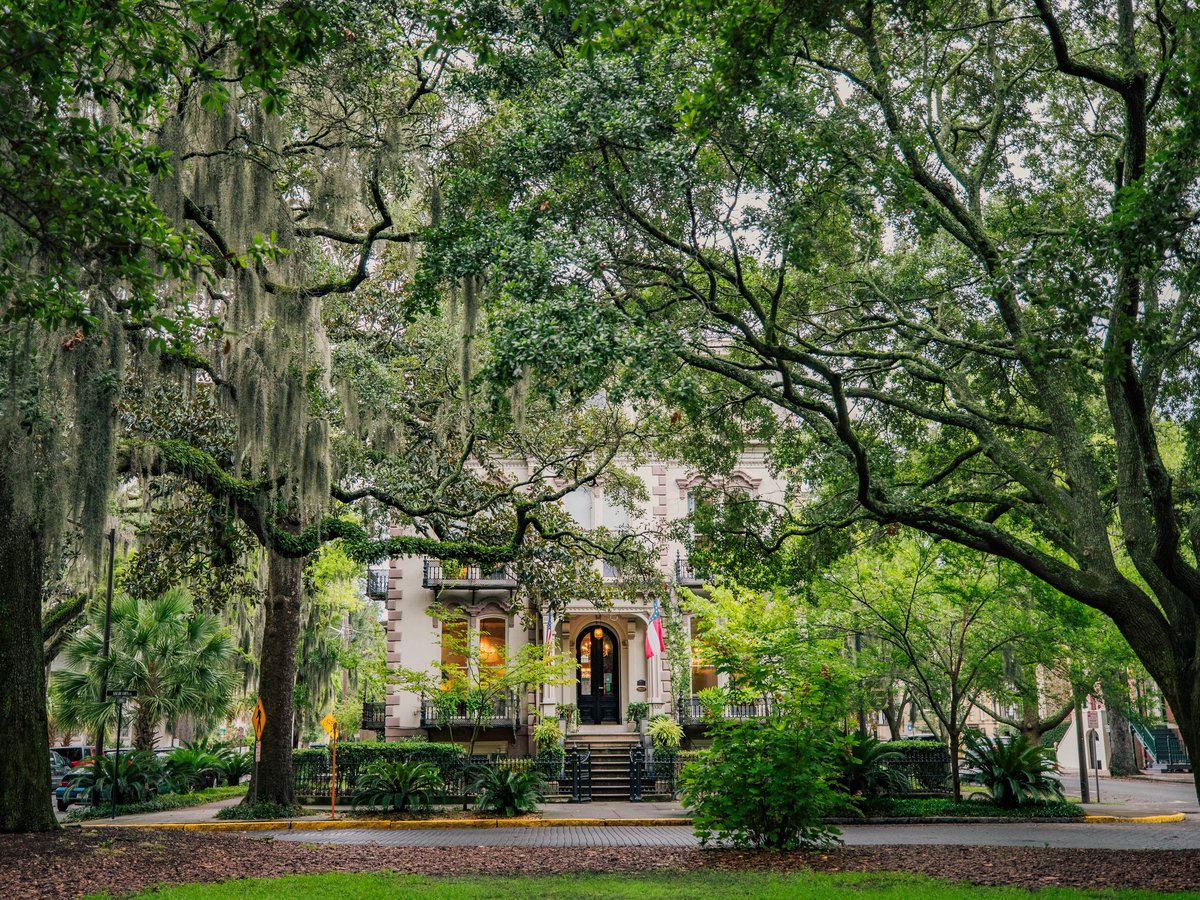
Savannah's shopping scene leans heavily on local craft, Southern food goods, and the kind of independent boutiques that tend to cluster in walkable historic districts. The city's 22 public squares, laid out in James Oglethorpe's 1733 grid, create natural pockets where small shops settle into ground-floor storefronts of restored 18th- and 19th-century buildings. You'll find pralines, hot sauce, and handmade pottery more often than luxury fashion. SCAD (the Savannah College of Art and Design, whose museum opened in 2002) feeds a steady current of young designers into the local retail ecosystem, so student-made jewelry, prints, and ceramics show up in shops across the Historic District. The city scores 8.2/10 for family friendliness (see the TTDI Family-Friendliness Index), and that relaxed, stroller-friendly atmosphere carries into its shopping streets, where most storefronts welcome browsing without pressure.
Shopping districts
-
Broughton Street
mid-range to moderate-highSavannah's main commercial corridor runs east-west through the Historic District for roughly 12 blocks. The strip mixes national chains like H&M and J.Crew with locally owned boutiques, bookshops, and candy stores selling pralines by the box. The western end still has some older, quieter storefronts, while the blocks between Bull Street and Drayton Street tend to draw the most foot traffic. Weekend afternoons get crowded, especially near the Trustees Theater block. SCAD's presence on the street brings a younger, art-school energy to certain storefronts.
Best for: Browsing a mix of local boutiques and familiar chains in one walkable stretch
-
City Market district
mixed, budget to mid-rangeFour blocks of restored warehouse buildings between Ellis Square and Franklin Square hold a rotating cast of galleries, souvenir shops, and open-air artist stalls. The ground-level shops lean toward gifts and Savannah-branded goods. Upper floors and side alleys house working artist studios where painters and jewelry-makers sell direct. Prices for original art start lower than gallery rates on nearby streets. The area stays open later than Broughton Street most nights, with live music from the restaurants pulling foot traffic past 9 PM.
Best for: Original local art, gifts, and evening browsing with live music nearby
-
Bull Street corridor
moderate-high to highBull Street runs north-south through five of the city's most photographed squares, including Monterey Square near Mercer House (built in 1868). The shops along here tend toward antiques, fine home goods, and curated vintage. Several antique dealers cluster between Madison Square and Monterey Square. Prices reflect the address. Worth noting, the SCAD student galleries and pop-up spaces on this stretch rotate their inventory frequently, so repeat visits within the same week can turn up different work.
Best for: Antiques, curated vintage, home goods, and SCAD student art
-
Starland District
budget to mid-rangeSouth of Forsyth Park (established 1840), the Starland District along Bull Street and Habersham Street has become Savannah's creative-class neighborhood over the past decade. Independent coffee roasters, vinyl record shops, and small-batch ceramics studios sit alongside tattoo parlors and thrift stores. The vibe skews younger and less polished than the Historic District. Prices tend to run 20-40% lower than comparable goods on Broughton Street. The district's First Friday art walks pull local crowds each month.
Best for: Independent makers, thrift finds, vinyl, and the First Friday art walk
-
Whitaker Street galleries
highA quieter stretch of Whitaker Street between Gaston Street and Jones Street holds a small concentration of fine art galleries and home design shops. The clientele tends to skew older and more affluent. Several galleries specialize in lowcountry landscape painting and Gullah-inspired textwork. This is where you might find a one-of-a-kind piece if you're looking for investment-level local art.
Best for: Fine art, lowcountry paintings, and high-end home design
-
Tybee Island shops
budget to mid-rangeAbout 20 minutes east of downtown, Tybee Island's small commercial strip along Tybrisa Street and Butler Avenue carries the expected beach-town inventory. Surf shops, shell jewelry, and sun-faded T-shirt racks. A few stands sell locally caught shrimp and seasonal produce. Prices sit at typical coastal-tourist levels. The selection is thin compared to downtown, but the salt air and lack of crowds on weekday mornings make the drive worthwhile if you're heading to the beach anyway.
Best for: Beach souvenirs, shell jewelry, and locally caught seafood
Markets
-
Forsyth Farmers' Market
food and farmSavannah's best-attended weekly market sets up on the south end of Forsyth Park. Roughly 50-70 vendors sell Georgia-grown produce, local honey, Sea Island red peas, fresh-baked sourdough, goat cheese from farms in Effingham County, and cut flowers. The crowd is a genuine mix of locals filling their weekly produce bags and visitors picking up a pastry. Arrive before 10 AM for the best selection of heirloom tomatoes in summer. Several hot-food vendors serve breakfast sandwiches and crepes.
Saturdays, 9 AM to 1 PM, year-round
-
City Market open-air stalls
artisanThe covered stalls in City Market's central courtyard host local artists selling watercolors of Savannah's squares, handmade silver jewelry, woven sweetgrass baskets, and small-batch candles. Vendor turnover is moderate, so you might see different makers on different weekends. The setting is pleasant after sunset when string lights go up. Quality varies, so take your time comparing before buying.
Most days from late morning through evening, with the fullest vendor lineup on Fridays and Saturdays
-
Savannah Flea at Starland Yard
flea and vintageStarland Yard hosts a periodic flea market in its open-air lot on Desoto Avenue. Vendors bring vintage clothing, mid-century furniture, old records, and estate-sale finds. The crowd trends young. Prices are generally negotiable, unlike most fixed-price shops downtown. Check local event listings for exact dates, as the schedule has been irregular.
Periodic weekends, typically monthly; check local event pages for confirmed dates
-
Keller's Flea Market
fleaLocated on the outskirts of town along Highway 80, Keller's is a large open-air flea market with hundreds of vendor stalls. The inventory runs from used tools and secondhand clothing to discount household goods and bootleg DVDs. This is not a curated vintage market. It is closer to a Southern swap meet, and the prices reflect that. Locals come here for cheap produce and bulk spices alongside the miscellany. Mind you, the facilities are basic.
Weekends, Saturday and Sunday, typically 8 AM to 6 PM
Souvenirs worth bringing home
The most genuinely Savannah souvenir is a box of pralines, the pecan-and-sugar candy that local shops sell by weight or in gift boxes. River Street's candy kitchens let you watch the cooking process through plate-glass windows. Sweetgrass baskets woven by Gullah-Geechee artisans remain one of the most culturally significant crafts in the lowcountry, though authentic handmade baskets carry a premium that reflects the hours of labor involved. Small pieces are the most affordable entry point, while larger work commands considerably more. Hot sauce made with local peppers, particularly Vidalia onion-based varieties, packs well and is one of the cheaper souvenir options at most shops. SCAD student prints and ceramics offer something you won't find outside the city, and prices vary widely depending on the artist and medium. Bee pollen and raw honey from coastal Georgia apiaries appear at the Forsyth farmers' market and in select Broughton Street shops. Savannah Bee Company products, while now nationally distributed, originated here. Grits, specifically stone-ground varieties from Georgia mills, make a practical gift that travels well. Avoid the mass-produced Spanish moss ornaments and anything stamped with a generic 'Southern Belle' logo.
Practical tips
- Sales tax
- Georgia charges a combined state and local sales tax of about 7% in Chatham County. There is no tax-free shopping program for international visitors. Groceries are exempt from the state portion but still carry the local levy. Factor the tax into your budget when comparing sticker prices.
- Bargaining
- Fixed prices are the norm in Savannah's shops and boutiques. The exception is flea markets like Keller's and the Starland Yard flea, where polite negotiation is expected on most items. At City Market's artisan stalls, makers sometimes offer a small discount if you buy multiple pieces. Never haggle in a retail store on Broughton Street.
- Opening hours
- Most Historic District shops open between 10 AM and 11 AM and close by 6 PM Monday through Saturday. Sunday hours tend to run 12 PM to 5 PM, though some smaller boutiques stay closed. River Street tourist shops keep longer hours, often until 9 PM in summer. The Forsyth Farmers' Market wraps up by 1 PM sharp on Saturdays.
- Payment methods
- Credit and debit cards are accepted nearly everywhere downtown. A few flea market vendors and farmers' market stands remain cash-only, so carry some small bills if you plan to browse those. Apple Pay and contactless payments work at most Broughton Street retailers. ATMs cluster around River Street and Bay Street.
- Heat and hydration
- Savannah's summers run hot and humid. September temperatures still sit around 25°C with humidity above 90%, and the heat index can push the felt temperature past 30°C. Carry water if you plan an afternoon of walking between districts, and duck into an air-conditioned shop when you need a break. Early morning shopping is more comfortable from June through September.
- Parking
- Street parking in the Historic District is metered, typically with a 2-hour limit. The Bryan Street and Whitaker Street garages offer day rates that are cheaper than feeding meters all afternoon. On weekends the meters are less strictly enforced, but the garages still fill by midday during peak tourist season. Starland District has free street parking on most blocks.
FAQ
What are the best locally made products to buy in Savannah?
Pralines, sweetgrass baskets from Gullah-Geechee weavers, stone-ground Georgia grits, local hot sauces (especially Vidalia onion varieties), and SCAD student artwork are the most distinctive Savannah purchases. Raw coastal Georgia honey from the Saturday farmers' market also travels well.
Is River Street good for shopping or mainly for tourists?
River Street's cobblestone stretch along the Savannah River is heavily tourist-oriented, with candy shops, T-shirt stores, and gift boutiques occupying the old cotton warehouses. The praline kitchens there are legitimate and fun to watch. That said, locals rarely shop on River Street. You'll find better quality and lower prices for comparable goods on Broughton Street or in the Starland District, about 15 minutes' walk south.
Are Savannah's shops walkable from one district to another?
The Historic District is compact and flat. Broughton Street, City Market, Bull Street, and River Street all sit within a 10-15 minute walk of each other. Starland District is about a 20-minute walk south of Forsyth Park. Tybee Island and Keller's Flea Market require a car or rideshare. More detail on getting around is available at the Wikivoyage Savannah guide (https://en.wikivoyage.org/wiki/Savannah#Get_around).
When is the best time to go shopping in Savannah?
Weekday mornings between 10 AM and noon offer the least crowded browsing in the Historic District. The Forsyth Farmers' Market on Saturday mornings is best before 10 AM. Avoid River Street on Saturday afternoons during spring and fall tourist season, when cruise ship passengers flood the area. Summer heat makes early morning or late afternoon shopping more comfortable.
Can I find antiques in Savannah?
Savannah has a solid antiques scene concentrated along Bull Street between Madison Square and Monterey Square, and scattered through side streets in the Historic District. Inventory tends toward Civil War memorabilia, Victorian furniture, estate silver, and lowcountry folk art. Prices are generally lower than comparable antique districts in Charleston, about 100 miles north.
Last verified by automated review (v1.7.2) on . What is automated review?