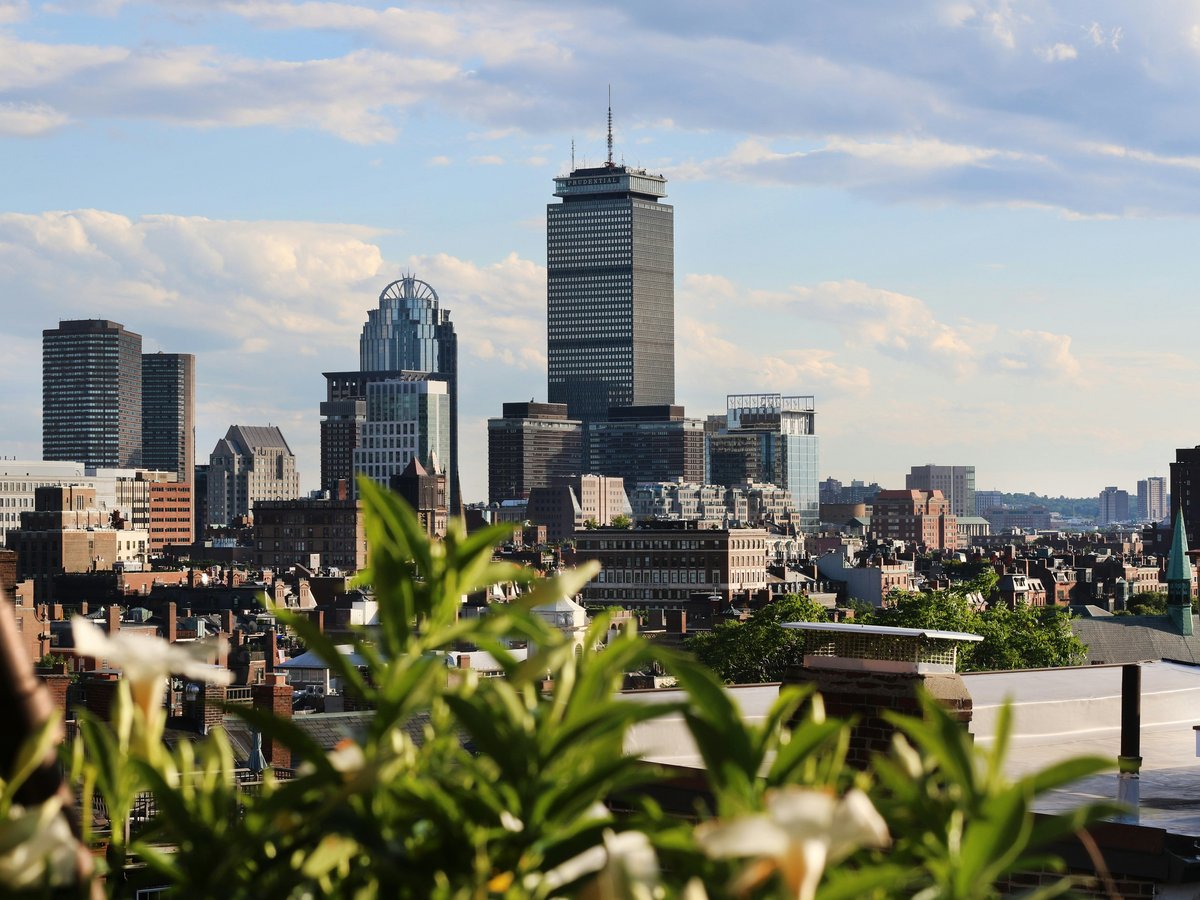
Boston tends to reward the patient shopper more than the impulse buyer. The city's retail identity leans toward independent bookstores, university-town thrift shops, and New England heritage brands rather than sprawling mall culture. You'll find Red Sox gear on every other corner in the Fenway area, but the more interesting purchases are things like hand-bound journals from small North End leather shops, locally roasted coffee beans from Somerville, or a proper peacoat from a waterfront outfitter. Massachusetts charges a 6.25% sales tax, though clothing under a certain per-item threshold is tax-free, which tends to surprise visitors from states with higher rates. The city's shopping districts cluster around walkable neighborhoods, and most sit within reach of the T. Worth noting, Boston's college population of roughly 150,000 students keeps the vintage and secondhand market unusually strong for a city this size.
Shopping districts
-
Newbury Street, Back Bay
luxury to mid-range (shifts by block)Eight blocks of brownstone-lined retail running from the Public Garden to Massachusetts Avenue, with prices and personalities shifting noticeably block by block. The Arlington Street end near the garden is the high-end stretch. Chanel and Valentino sit at street level in converted 19th-century townhouses. By the time you reach the Hereford Street blocks, the feel loosens up considerably. You'll find consignment shops, local jewelry designers, and affordable ramen spots wedged between tattoo parlors. The brownstone stoops give even the luxury end a residential warmth you won't find on Fifth Avenue or Rodeo Drive. On warm Saturdays between April and October, the sidewalk cafe tables fill by noon.
Best for: Designer fashion at the east end, independent boutiques and consignment toward Mass Ave
-
Charles Street, Beacon Hill
mid-range to highA narrow cobblestoned street at the base of Beacon Hill, roughly 5 blocks long, lined with antique dealers, small galleries, and independent shops in old brick buildings. The gas lamps still flicker at dusk here. It's the kind of street where you might spend 40 minutes in a single antiques shop, sorting through Federal-period silverware and vintage nautical charts. Several of the antique dealers have operated on this stretch for 30 or 40 years. The restaurants lean bistro-casual, and the foot traffic stays manageable even on weekends compared to Newbury Street.
Best for: Antiques, home goods, small galleries, and vintage curiosities
-
Harvard Square, Cambridge
mixedHarvard Square sits across the Charles River in Cambridge, accessible via the Red Line. The square has changed over the decades. Chain stores replaced some of the old independents during the 2000s, and longtime locals still grumble about it. That said, the Harvard Book Store on Plympton Street remains one of the best independent bookshops in New England, and the Harvard Coop has sold university merchandise since 1882. The surrounding side streets still hold vinyl shops, international newsstands, and a few surviving head shops from the 1960s counterculture era. You'll hear 4 or 5 languages on any given afternoon.
Best for: Books, vinyl records, university merchandise, and browsing with strong coffee
-
Downtown Crossing
budget to mid-rangeThe pedestrianized blocks around Washington Street between the Park Street and Downtown Crossing T stops function as Boston's most accessible mainstream shopping zone. Macy's anchors one end. Primark occupies the old Filene's Basement building. The foot traffic density here is probably the highest in the city on weekday lunch hours. Street performers set up near the intersection of Summer and Washington. The vibe is utilitarian and urban rather than charming, but for visitors staying downtown, it puts mid-range retail within a 5-minute walk of most hotels on the Freedom Trail. TJ Maxx and Marshalls locations nearby keep the discount shoppers covered.
Best for: Everyday retail, discount department stores, quick purchases near downtown hotels
-
South End, Tremont and Washington Streets
mid-range to highThe South End's Victorian rowhouses, painted in muted grays and warm reds, host a growing stretch of independent boutiques, home design shops, and small galleries along Tremont Street and the lower blocks of Washington Street. The SoWa Art + Design District anchors the creative end of the neighborhood. The clientele skews toward young professionals and design-minded locals. You'll smell roasting garlic drifting from the restaurant patios on warm evenings. Foot traffic is lighter than Newbury Street, which seems to be part of the appeal. Several local designers sell clothing and accessories from storefronts that double as studios.
Best for: Local designers, home decor, art galleries, and the SoWa market scene
-
Faneuil Hall Marketplace and Quincy Market
mid-range (tourist premium)The 3-building marketplace complex near the waterfront dates to 1826 and draws roughly 18 million visitors per year. Locals tend to avoid it, to be fair. The ground floor of Quincy Market is a food hall, and the North and South Market buildings hold a mix of chain retailers and tourist-oriented shops. The cobblestone promenade fills with street performers in summer. It's undeniably touristy, but the building itself is genuinely handsome Georgian Revival architecture, and the pushcart vendors along the corridors sometimes carry locally made items worth a look. Best treated as a 30-minute stop on a Freedom Trail walk rather than a shopping destination.
Best for: Tourist gifts, quick bites at the food hall, Freedom Trail convenience
Markets
-
SoWa Open Market
artisan and vintageThe South End's weekly outdoor market runs Sundays from May through October in the lot along Harrison Avenue near the SoWa Art + Design District. Local artisans sell ceramics, letterpress prints, handmade candles, and small-batch skincare. A separate vintage market section has curated secondhand clothing and mid-century furniture. The food truck row typically has 10 to 15 vendors. The crowd is mostly South End residents and Brookline families. It has a relaxed, slightly art-school feel. Indoor galleries in the surrounding warehouse buildings open their doors on market days.
Sundays, May through October, typically 10am to 4pm
-
Boston Public Market
foodYear-round indoor market at 100 Hanover Street near the Haymarket T stop. Around 30 vendors sell New England-sourced food. You'll find Massachusetts-grown produce, fresh lobster, local cheeses from farms in the Berkshires, and specialty items like maple syrup from Vermont and cranberry products from the Cape Cod bogs. The emphasis on regional sourcing means almost everything in the building comes from the 6 New England states. The smell of fresh bread and smoked fish tends to hit you at the entrance. It opened in 2015 as the first year-round public market in the city.
Year-round. Wednesday through Sunday, typically 8am to 6pm. Closed Monday and Tuesday.
-
Haymarket
produceBoston's oldest open-air produce market has operated on Fridays and Saturdays near the intersection of Blackstone and Hanover Streets since the 1830s. Vendors sell fruits, vegetables, and sometimes fish at prices well below supermarket rates. The stalls are loud and a little chaotic. Sellers shout out deals, boxes of produce stack on the pavement, and you might get jostled navigating the narrow gaps between stands. The quality varies, so inspect before buying. Mind you, this is not a curated farmers' market. It's a working market, and the energy reflects that. Arrive early on Friday mornings for the best selection. Late Saturday afternoons sometimes bring steeper discounts as vendors clear remaining stock.
Fridays and Saturdays, year-round, roughly 7am to early evening
-
Cambridge Antique Market
antiques and vintageA 5-floor antiques warehouse on O'Brien Highway in East Cambridge, about a 10-minute walk from the Lechmere Green Line stop. Over 100 dealers spread across the building sell furniture, vintage jewelry, old maps, vinyl records, mid-century kitchenware, and the sort of oddities that resist easy categorization. The basement level tends to have the most eclectic stock. You could spend an hour or 3 here depending on your tolerance for browsing. The building itself has a worn, industrial feel that suits the inventory.
Tuesday through Sunday, typically 11am to 6pm. Closed Mondays.
Souvenirs worth bringing home
New England heritage items make the most distinctive gifts from Boston. Locally roasted coffee from small-batch roasters in Somerville and Jamaica Plain travels well. Maple syrup and cranberry preserves from the Boston Public Market carry genuine regional provenance. Red Sox merchandise is everywhere near Fenway Park, and the official team store on Yawkey Way stocks items you won't find at generic sports retailers. The Harvard Coop in Cambridge sells university-branded goods that range from tasteful to kitschy. Hand-poured candles and letterpress cards from SoWa Market vendors tend to feel more personal than mass-produced options. For food gifts, cannoli shells from North End bakeries like Mike's Pastry on Hanover Street or Modern Pastry a few doors down are a classic Boston pick, though they don't last more than a day or two. Nautical-themed prints and vintage harbor maps from Charles Street antique shops carry a sense of the city's maritime past. Clam chowder seasoning packets from specialty food shops let recipients recreate the dish at home.
Practical tips
- Sales tax on clothing
- Massachusetts charges 6.25% sales tax on most goods, but individual clothing items under a certain price threshold are entirely tax-exempt. This applies per item, not per transaction, so a pair of shoes and a jacket each under the threshold would both be tax-free. Items above the threshold are taxed only on the amount exceeding it. This makes Boston genuinely competitive for clothing purchases compared to most American cities.
- Store hours
- Most retail shops in Boston open between 10am and 11am and close by 6pm or 7pm. Newbury Street and Harvard Square boutiques sometimes stay open until 8pm on Thursdays and Fridays. Sunday hours tend to be shorter, typically noon to 5pm or 6pm. Downtown Crossing stores generally follow standard department store hours. During the holiday season from late November through December, many shops extend to 9pm.
- Getting around shopping districts
- The T subway system connects most major shopping areas. Green Line to Arlington or Copley for Newbury Street, Red Line to Park Street for Charles Street and Downtown Crossing, Red Line to Harvard for Harvard Square. The Orange Line reaches the South End at Back Bay station, about a 10-minute walk to SoWa. Most shopping districts are compact enough to cover on foot once you arrive. Parking in Back Bay and Beacon Hill is difficult and expensive.
- Payment methods
- Credit and debit cards are accepted nearly everywhere in Boston, and many shops have moved to contactless payment. Smaller vendors at Haymarket and some SoWa Market stalls still prefer cash. The Boston Public Market vendors are split, with most accepting cards but a few produce sellers operating cash-only. ATMs are common near all major T stops.
- Best shopping seasons
- Post-holiday sales in January bring steep markdowns along Newbury Street and at Downtown Crossing department stores. The SoWa Open Market's opening weekend in May and closing weekend in October tend to draw the largest vendor turnout. Back-to-school season in August and September fills Harvard Square and the Allston thrift shops with students unloading and acquiring furniture and clothing. Boston's weather means outdoor shopping is most comfortable from mid-April through October.
FAQ
What can I buy in Boston that I cannot easily find elsewhere?
New England-specific food products tend to be the most distinctive. Fresh cranberry goods from Cape Cod, Vermont maple syrup, and Massachusetts-roasted coffee from small local roasters are genuinely regional. The concentration of independent bookstores, particularly Harvard Book Store in Cambridge, carries curated selections and used editions you might not encounter in chain shops. Nautical antiques on Charles Street reflect Boston's harbor history in ways that feel specific to this city rather than generically coastal.
Is Boston a good city for vintage and secondhand shopping?
Boston's roughly 150,000 college students cycle through enormous volumes of clothing, furniture, and books every semester, which keeps the secondhand market well-stocked. The Allston and Somerville neighborhoods near Boston University and Tufts have particularly dense clusters of thrift stores. The Cambridge Antique Market holds over 100 dealers under one roof. SoWa's vintage section on Sundays curates a more selective offering. Move-out season in late May and early September floods the Goodwill and Salvation Army locations near the universities with barely-used items.
Are there any tax-free shopping benefits for visitors to Boston?
Massachusetts exempts individual clothing items under a set price threshold from the state's 6.25% sales tax. This applies to all buyers, not only tourists, and the exemption is automatic at the register. There is no separate tourist tax refund program like the VAT reclaim systems in European countries. For non-clothing purchases, the full 6.25% applies. Compared to cities like New York or Chicago, Boston's clothing exemption can make a noticeable difference on a shopping trip focused on apparel.
What are the best areas for budget shopping in Boston?
Downtown Crossing offers Primark, TJ Maxx, and Marshalls within a few blocks of each other. Haymarket's open-air produce stalls sell fruits and vegetables at well below supermarket prices on Fridays and Saturdays. The Allston neighborhood, along Harvard Avenue and Brighton Avenue, has a concentration of thrift stores, discount clothing shops, and international grocery stores catering to the student population. The western blocks of Newbury Street near Massachusetts Avenue are noticeably cheaper than the luxury Arlington Street end, with consignment shops and affordable local boutiques.
Last verified by automated review (v1.7.2) on . What is automated review?