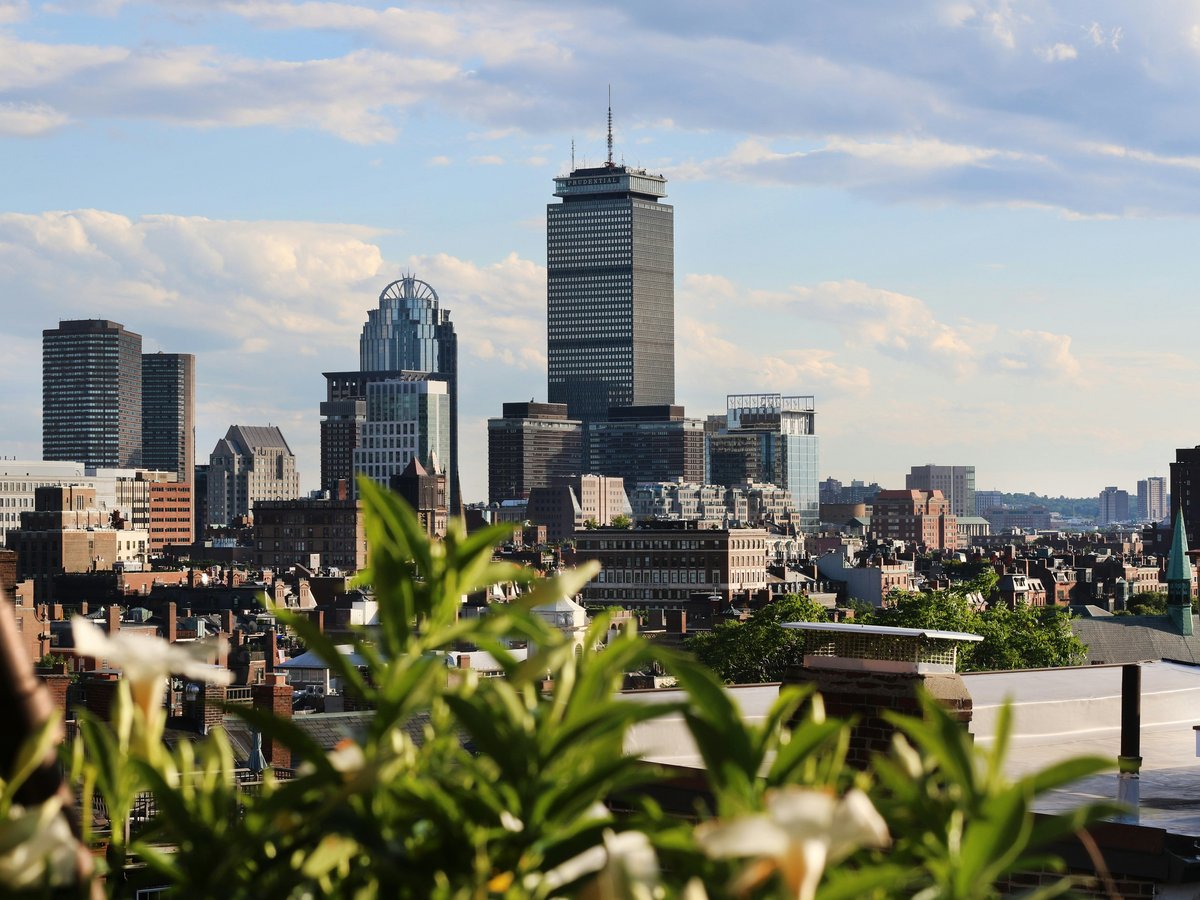
Boston's museum map is wider than its reputation. The big encyclopedic house on Huntington Avenue dates from 1870, and a palazzo-style art museum founded in 1903 now carries Boston Landmark status. Across the river, Harvard runs its own cluster of collections, from art to archaeology to zoology. The civic history sits just as close at hand: a state house dating from 1713, a battle monument from 1843, and a presidential library dedicated to John F. Kennedy. Then there are the outliers: a museum of bad art that hangs in a brewery and a children's museum dating from 1913. This list is for visitors who want to choose their hours well rather than tick boxes. Each entry gives you a reason to go to that one, the hours where we have them, and a steer away from the obvious move. Read it before you buy a pass that bundles places you will never reach.
-
1 Museum of Fine Arts Boston
Huntington Avenue 465Thursday and Friday evening opening to 22:00
Until 22:00 on Thursdays and Fridays, the Museum of Fine Arts Boston keeps its doors open at 465 Huntington Avenue, while on Wednesdays and from Saturday through Monday the day closes at 17:00, so plan around the late nights. Skip the weekend scrum at the ticket desk: the locals know the evening hours are when the galleries feel like yours. This is an art museum dating from 1870, and a collection of that age rewards a route chosen in advance over an aimless wander. Check current exhibitions at mfa.org before you set out, and call +1 (617) 267-9300 for anything the site leaves unclear. Pick two wings, give them the evening, and leave the rest for a second visit.
Dates from 1870
Hours: We, Sa-Mo 10:00-17:00; Th-Fr 10:00-22:00
-
2 Isabella Stewart Gardner Museum
25 Evans Way, Boston, MA 02115A 1903 art museum with Boston Landmark status
Founded in 1903, the Isabella Stewart Gardner Museum at 25 Evans Way, Boston, MA 02115 is an art museum that now holds Boston Landmark status. Don't squeeze it into the same afternoon as a big survey museum; this place deserves a visit of its own, taken slowly. The listed schedule runs Wednesday through Monday, so Tuesday is the day not to plan on it. Confirm timed entry and current hours at gardnermuseum.org, or ring +1 (617) 566-1401. Go with an open morning and no checklist, because the pleasure here is in lingering, not in counting rooms.
Dates from 1903 · Boston Landmark
-
3 Museum of Bad Art
Dorchester Brewing Company, 1250 Massachusetts Avenue, Boston, MA 02125Deliberately bad art shown inside a brewery
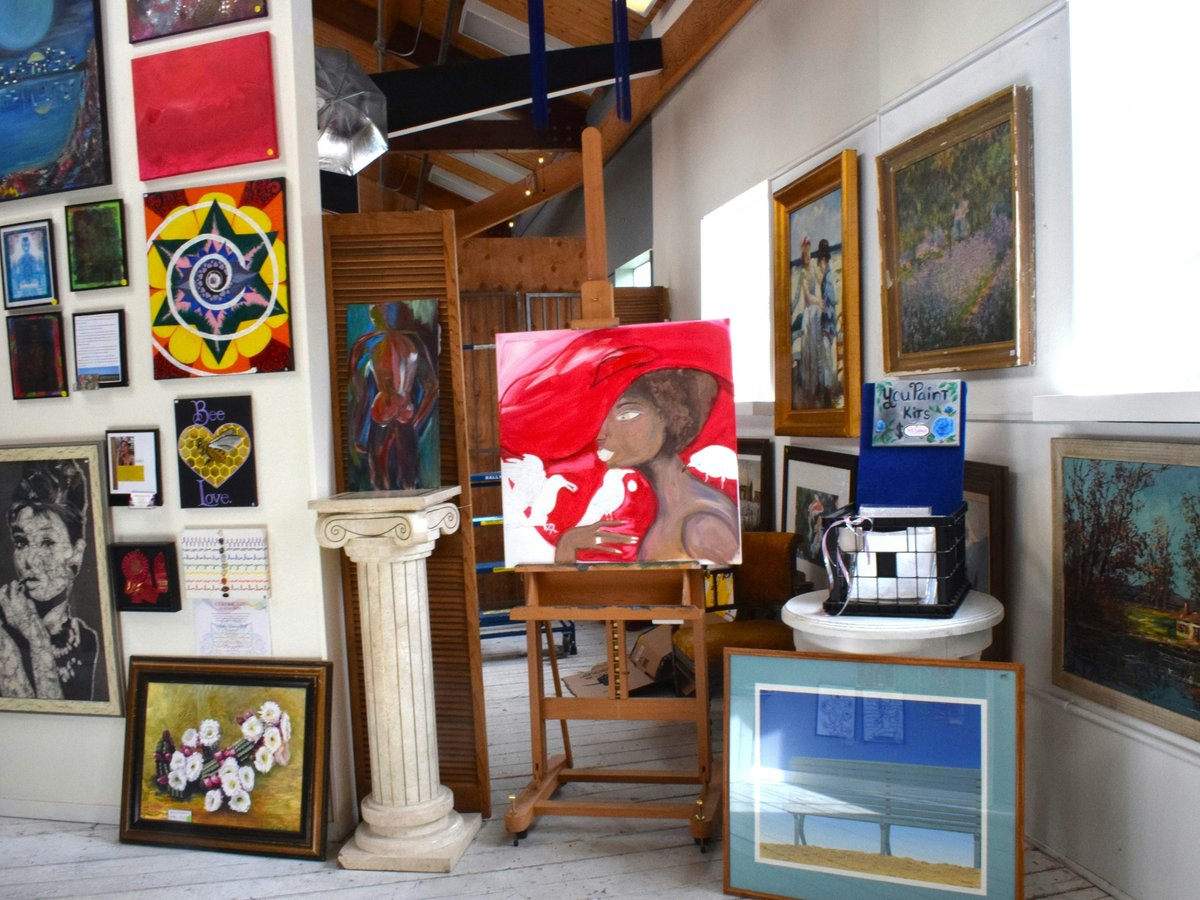
The Museum of Bad Art has been at home inside Dorchester Brewing Company at 1250 Massachusetts Avenue, Boston, MA 02125 since 1994, with branches spread across Massachusetts and Quebec, which tells you something: the joke has outlasted plenty of serious institutions. Skip the selfie-wall pop-ups selling irony by the hour. This is the real thing, and the beer is a short walk from the canvases. Come with a friend who has opinions, because half the fun is arguing over which painting is worst. Check museumofbadart.org for current access before you go, budget an hour, and do not expect to leave without a favourite.
Dates from 1994
-
4 John F. Kennedy Presidential Library and Museum
The presidential library and museum for John F. Kennedy
The John F. Kennedy Presidential Library and Museum is Boston's presidential library and museum for President Kennedy, open since 1979 and welcoming visitors from 10:00 to 17:00, seven days a week. Do not squeeze it into the last hour before closing. The story it tells needs time, and you will want to sit with the later rooms rather than hurry through them. Arrive at opening, take the exhibits in order, and leave the afternoon free for whatever conversation the visit starts. Check jfklibrary.org for current exhibitions and any special closures. History buffs will want the full day; everyone else should plan on at least half of one.
Dates from 1979
Hours: Mo-Su 10:00-17:00
-
5 Harvard Art Museums
32 Quincy StreetHarvard University's art museums at one address
The Harvard Art Museums at 32 Quincy Street are Harvard University's art museums gathered at one address, with a history running back to 1895, which gives the collection more depth than a campus museum usually earns. A university museum on a quiet weekday can beat the city's ticketed blockbusters for sheer attention per painting, and the locals know it: fewer crowds, labels written for students, room to step back. We do not hold verified hours for this address, so check harvardartmuseums.org before you make the trip. Pair it with a coffee nearby, give it an unhurried hour, and do not try to see every floor.
Dates from 1895
-
6 Peabody Museum of Archaeology and Ethnology
11 Divinity Ave. Cambridge, MA 02138Archaeology and ethnology collections dating from 1866
The Peabody Museum of Archaeology and Ethnology at 11 Divinity Ave, Cambridge, MA 02138 has been at this since 1866, a museum in Cambridge, Massachusetts whose name tells you its two subjects: what people made, and how they lived. The souvenir-shop version of world cultures on the tourist trail is a different kind of place; this one is scholarly and slow, and it asks you to read. We hold no verified hours for this address, so confirm before you set out. When you go, give it a focused hour and pick one region or era to follow rather than trying to cover all of them. It suits the traveller who likes a label as much as an object.
Dates from 1866
-
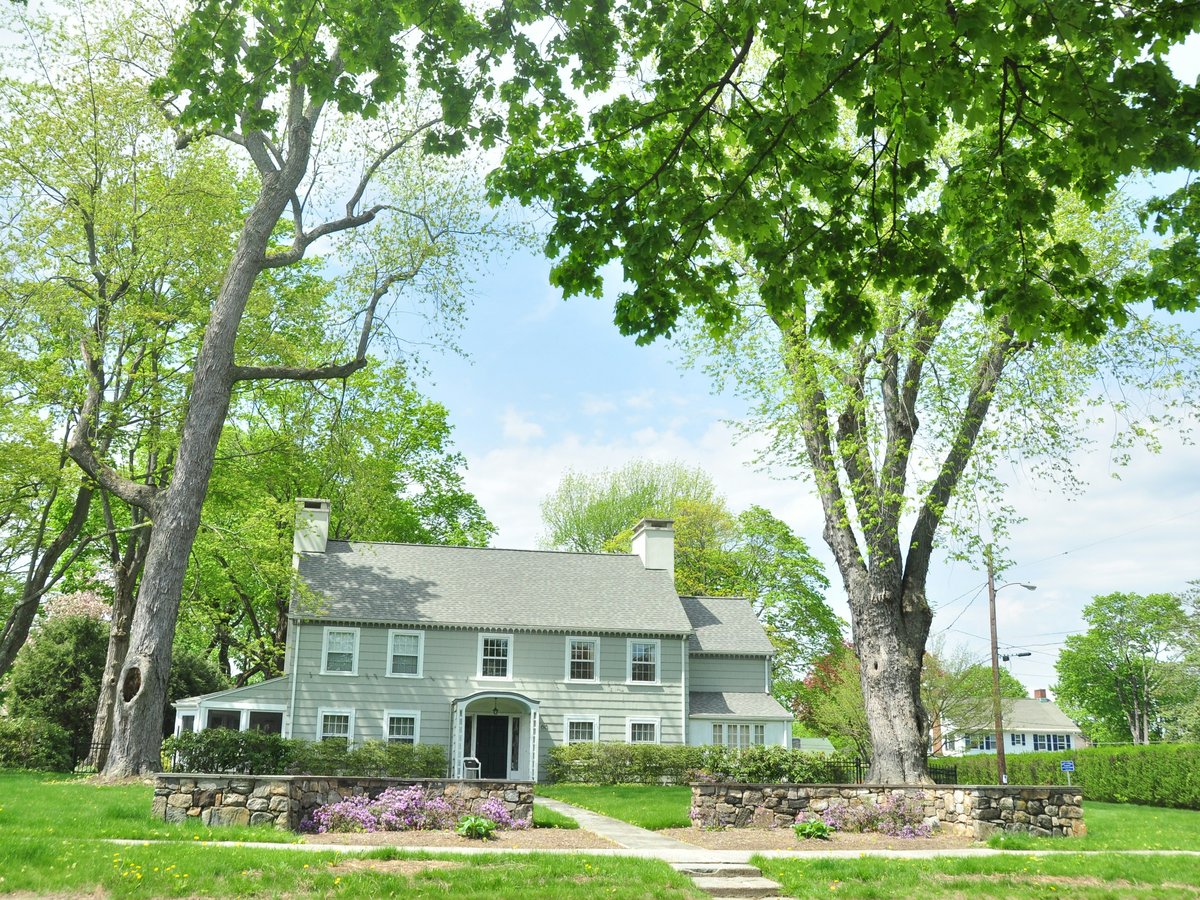
7 Old State House
206 Washington Street, Boston, MA 02109A state house dating from 1713, now a Boston Landmark
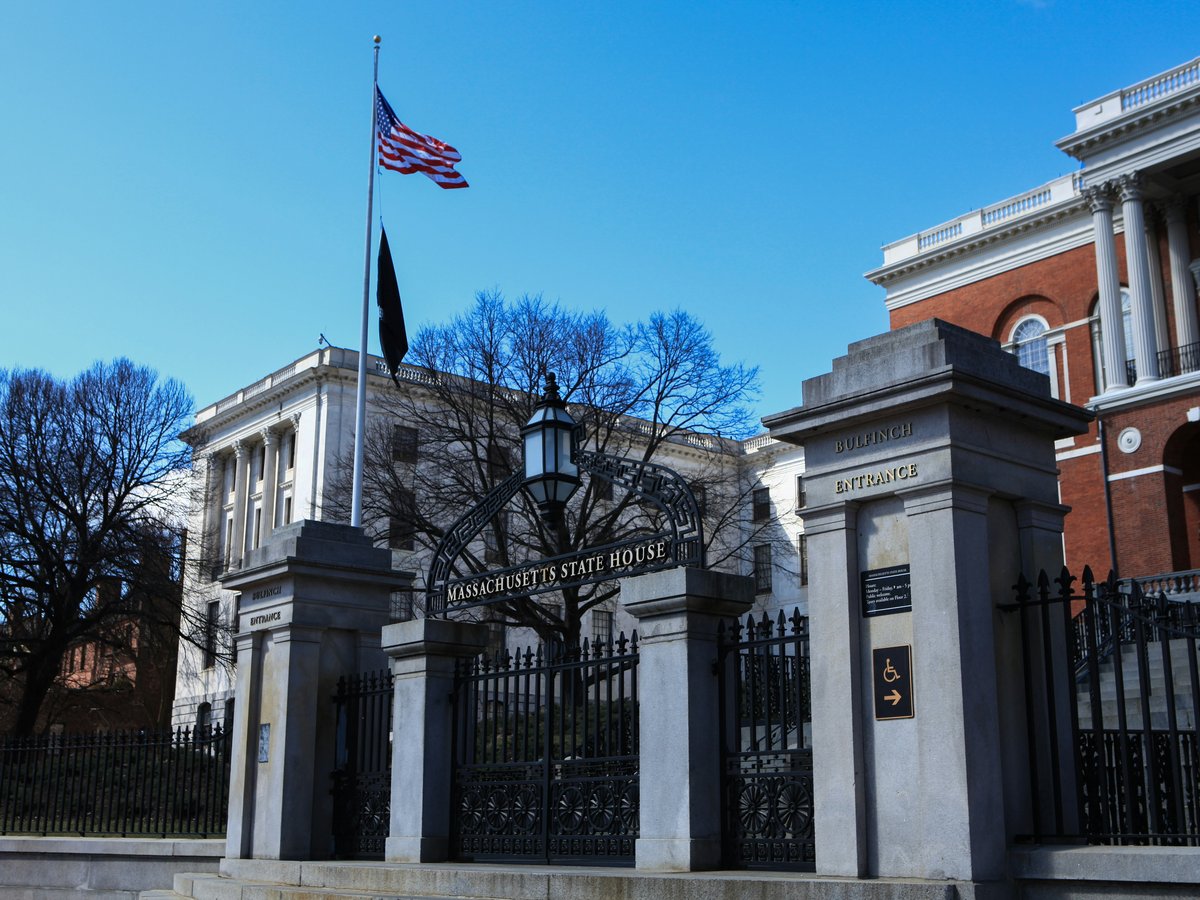
The Old State House at 206 Washington Street, Boston, MA 02109 dates from 1713, a state house and a designated Boston Landmark that you visit for what happened inside it as much as for what hangs on its walls. Ignore the costumed walking-tour pitches outside; the building makes its own case better. Doors open 10:00 to 17:00 every day, except New Year's Day, the fourth Thursday in November, and Christmas Day. Go early, before the street fills, and give the rooms forty unhurried minutes. A small visit with an outsized story.
Dates from 1713 · Boston Landmark
-
8 Boston Children's Museum
316 Congress Street, Boston, MA 02210Early 09:00 opening, built for families with young children
If you're planning an early start, the Boston Children's Museum at 316 Congress Street, Boston, MA 02210 opens at 09:00 daily, with one exception: the first Saturday of each month, when doors open at 10:00; closing is 16:00 throughout. Dating from 1913, it has had generations of practice at keeping small people occupied. We'd skip the soft-play chains at the mall; this is the better use of a rainy morning with toddlers. Arrive at opening, leave before the post-nap crowd, and check bostonchildrensmuseum.org for current exhibits.
Dates from 1913
-
9 Bunker Hill Monument
A National Historic Landmark dating from 1843
The Bunker Hill Monument, listed as a National Historic Landmark and dating from 1843, is catalogued as a military museum, and that framing tells you exactly how to approach it: come to understand a battle, not to take a photograph from a bus window. Walk up to it, stand at the base, and read what the site lays out. We hold no verified address or hours, so check the National Park Service page for access and times before you go. Treat it as a short, focused stop, and give the history the attention it earned.
Dates from 1843 · National Historic Landmark
-
10 Harvard Museum of Natural History
Oxford Street, Cambridge, MA 02138Natural history galleries open daily 09:00 to 17:00
The Harvard Museum of Natural History on Oxford Street, Cambridge, MA 02138 opens daily 09:00 to 17:00. A natural history museum in Massachusetts dating from 1998, it runs seven days a week, which means it fits almost any itinerary without scheduling gymnastics. A grey weekday morning is when the galleries are quietest and the school groups have yet to arrive, and that is when we'd go. Walk past the gift shop on the way in and circle back at the end, once you know what caught your attention. Check hmnh.harvard.edu for current exhibitions and admission details.
Dates from 1998
Hours: Mo-Su 09:00-17:00
-
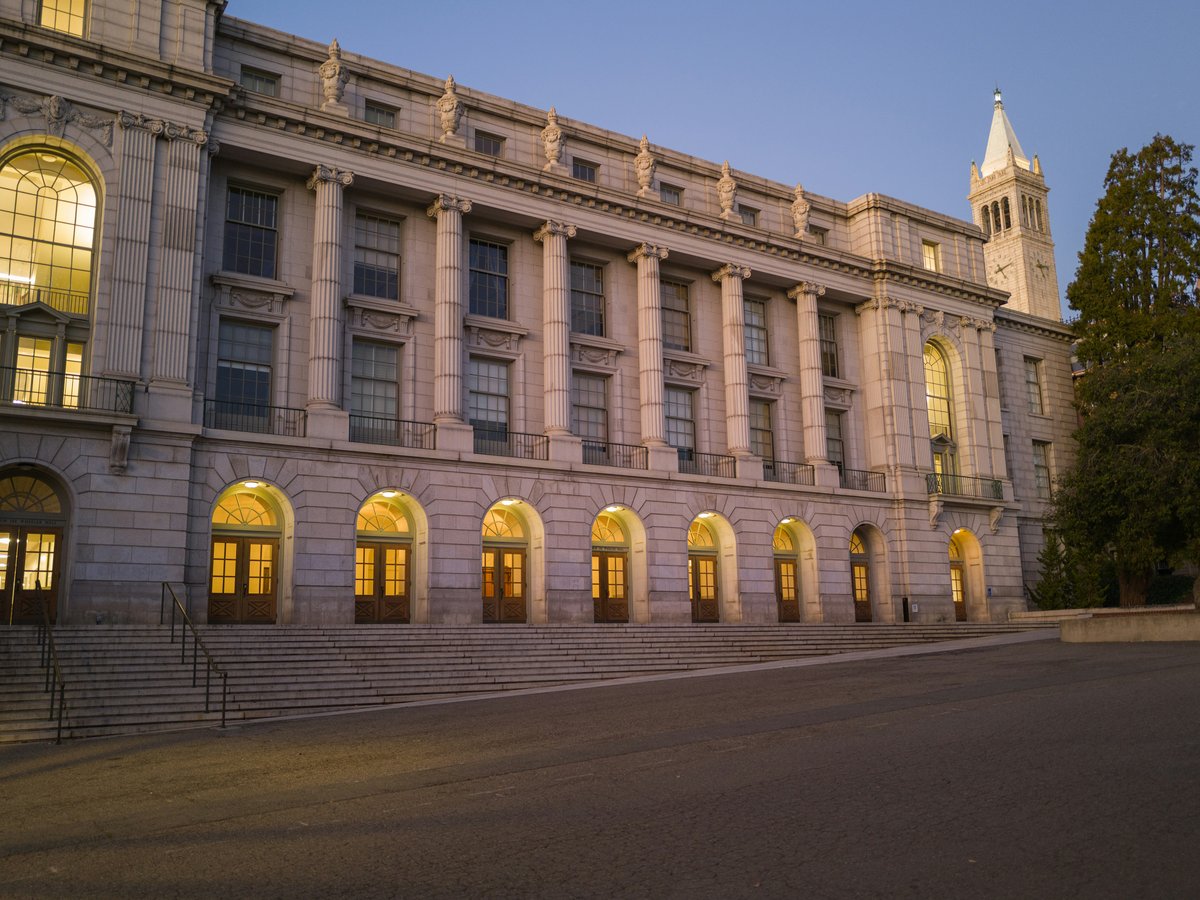
11 Museum of Comparative Zoology
26 Oxford StreetHarvard University's natural history museum dating from 1859
The Museum of Comparative Zoology sits at 26 Oxford Street as Harvard University's natural history museum, dating from 1859. The name is the brief: comparison, one species set against another, not spectacle dressed up as education. If you want animatronics and a gift-shop finale, look elsewhere; this collection is for visitors who want the science unadorned. We hold no verified hours or website for this address, so confirm access before making the trip. Arrive with a question in mind, how one family of animals diverges across continents, say, and let the collection work through it with you. It rewards patience far more than a quick lap of the halls.
Dates from 1859
-
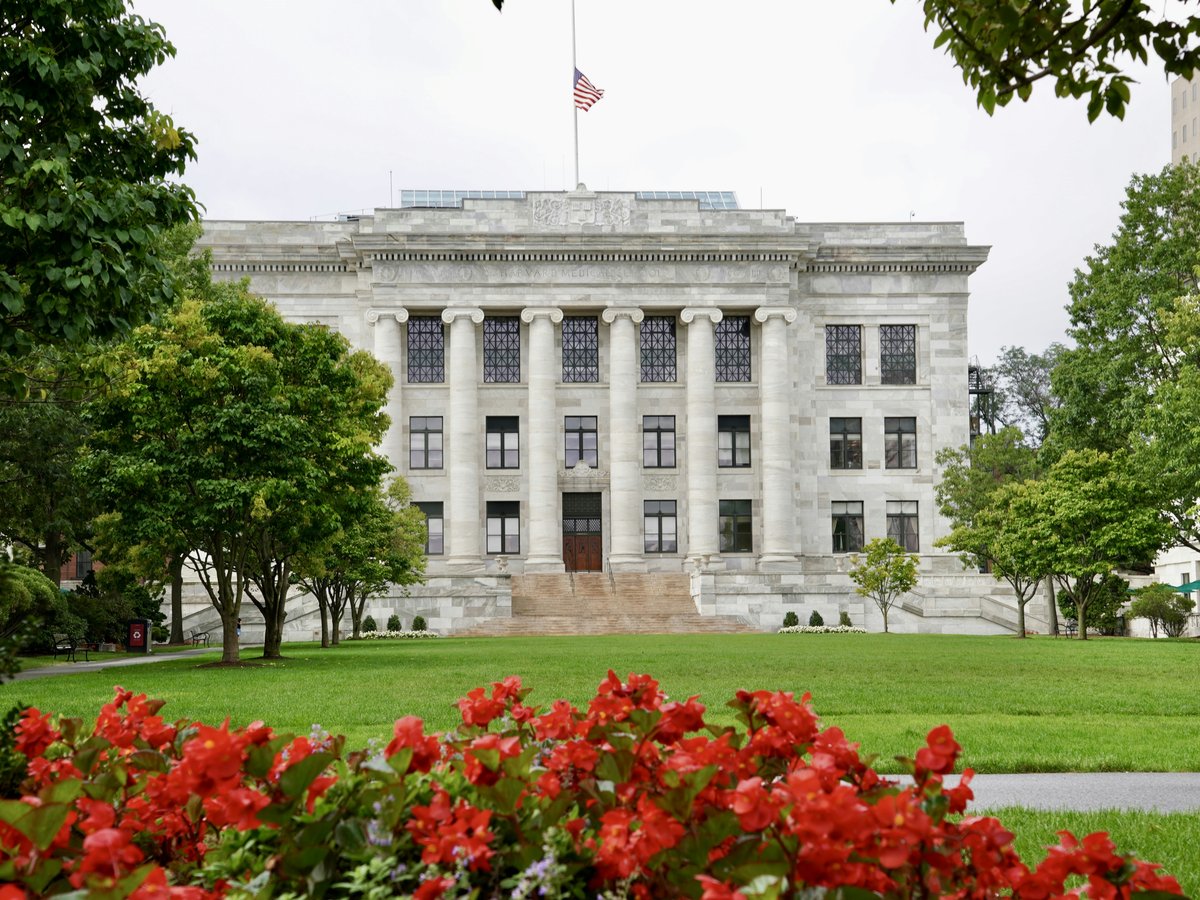
12 Institute of Contemporary Art, Boston
25 Harbor Shore Drive, Boston, MA 02210Boston's contemporary art institute, dating from 1936
The Institute of Contemporary Art, Boston, at 25 Harbor Shore Drive, Boston, MA 02210, makes the case for the art of now. It dates from 1936, so contemporary here carries real weight rather than a season's trend. Resist the reflex to save it for the end of the trip as an afterthought; the shows deserve a fresh head, not tired feet. Check icaboston.org for current exhibitions and hours before you go, because what is on the walls changes the whole visit. Come ready to disagree with something, because that is half the point of a museum like this, and the conversation afterwards is the other half.
Dates from 1936
Last verified by automated review (v1.7.2_fame1017d-1015-1644-20261017151303) on . What is automated review?