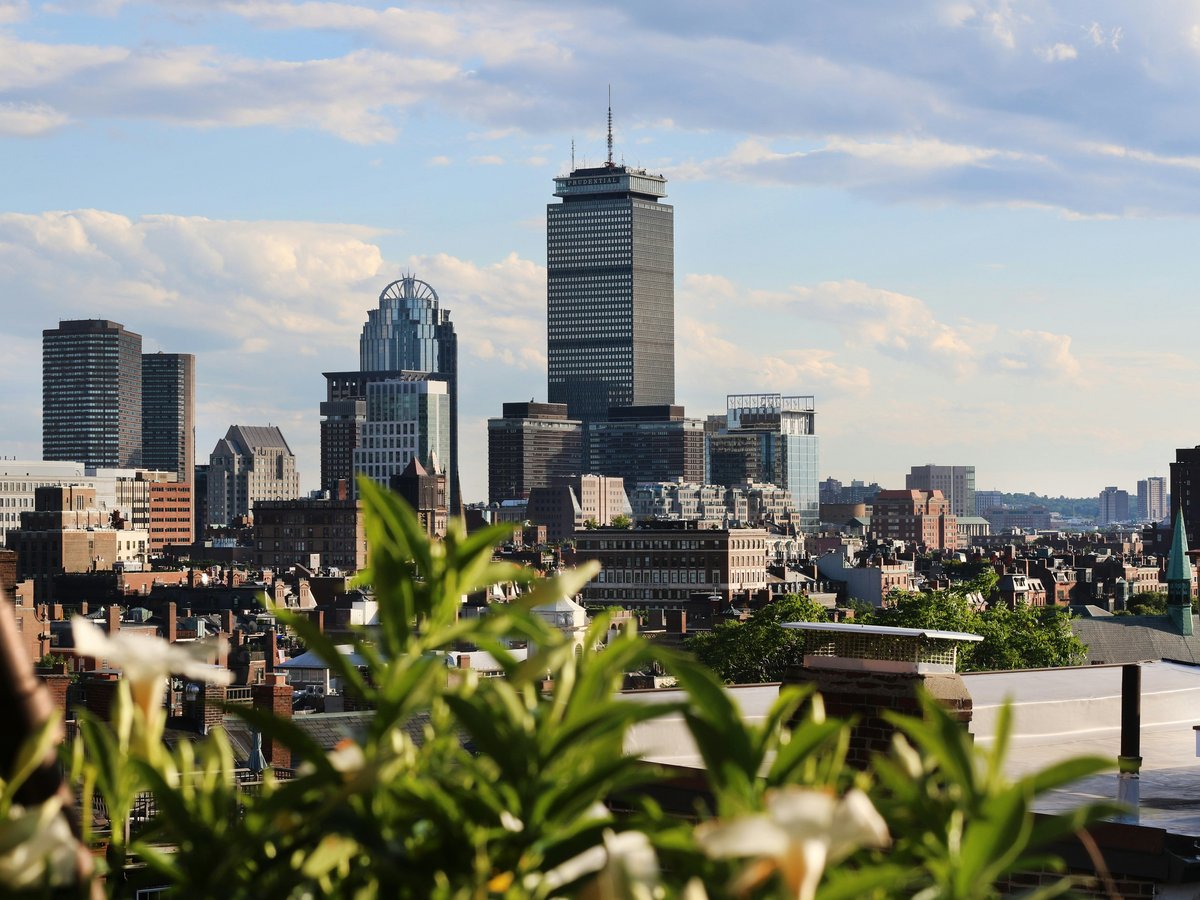
Boston for families
TD Garden is the city's multi-purpose arena and its loudest civic room on a game night. Faneuil Hall is the historic meeting hall at the head of the marketplace. Freedom Trail is a painted walking line that stitches the colonial city together on foot.
Boston for families with kids, in numbers
- Score for families
- 8.2 out of 10
- Picks on this page
- 36 places across 3 lists, led by TD Garden, Faneuil Hall, Freedom Trail
Questions families with kids ask about Boston
-
Family-friendly
Boston is family-friendly. 8/10, with the aging T subway as the main caveat. The city is compact enough that a 4-year-old can walk the 2.5-mile Freedom Trail in morning halves. The New England Aquarium, Boston Children's Museum, and Museum of Science sit within 15 minutes of each other near the waterfront. Pack a carrier for subway days.
Read the full answer → -
Is it safe?
Boston is safe for most visitors, and TTDI rates solo-traveler safety at 6.8/10 (see the TTDI Solo-Safety Index). The practical concerns are narrow: an open drug scene at Mass and Cass, pickpockets at Faneuil Hall on weekends, and a subway that stops running well before the city does. Back Bay, Beacon Hill, and the North End stay busy and well-lit late. Dial 911 for any emergency.
Read the full answer → -
What to pack
Broken-in walking shoes are non-negotiable. The Freedom Trail covers 2.5 miles of uneven brick, and Beacon Hill's sidewalks are actual cobblestone. Pack layers year-round because Boston can swing 15°C in a single day. Summer visitors need a packable rain shell for sudden thunderstorms. Sunscreen matters more than you'd expect at 42°N latitude.
Read the full answer → -
Getting around
Walk and ride the T. Boston's MBTA subway, the oldest in the US since 1897, has 4 color-coded lines covering Downtown, Back Bay, Cambridge, and Logan Airport. A CharlieCard costs $2.40 per ride. Walk anything under 20 minutes. Use Uber or Lyft after midnight when the T stops running around 12:30 AM.
Read the full answer → -
Best time to visit
Mid-September to late October is the right window for Boston. The summer humidity is gone, the maples in the Public Garden and the Arnold Arboretum turn red by the second week of October, and the Freedom Trail is comfortable to walk at midday. The trade-off is hotel prices, which run high, so book early. Late May and June are the second-best window.
Read the full answer →
Curated for families with kids
-
Must-see attractions
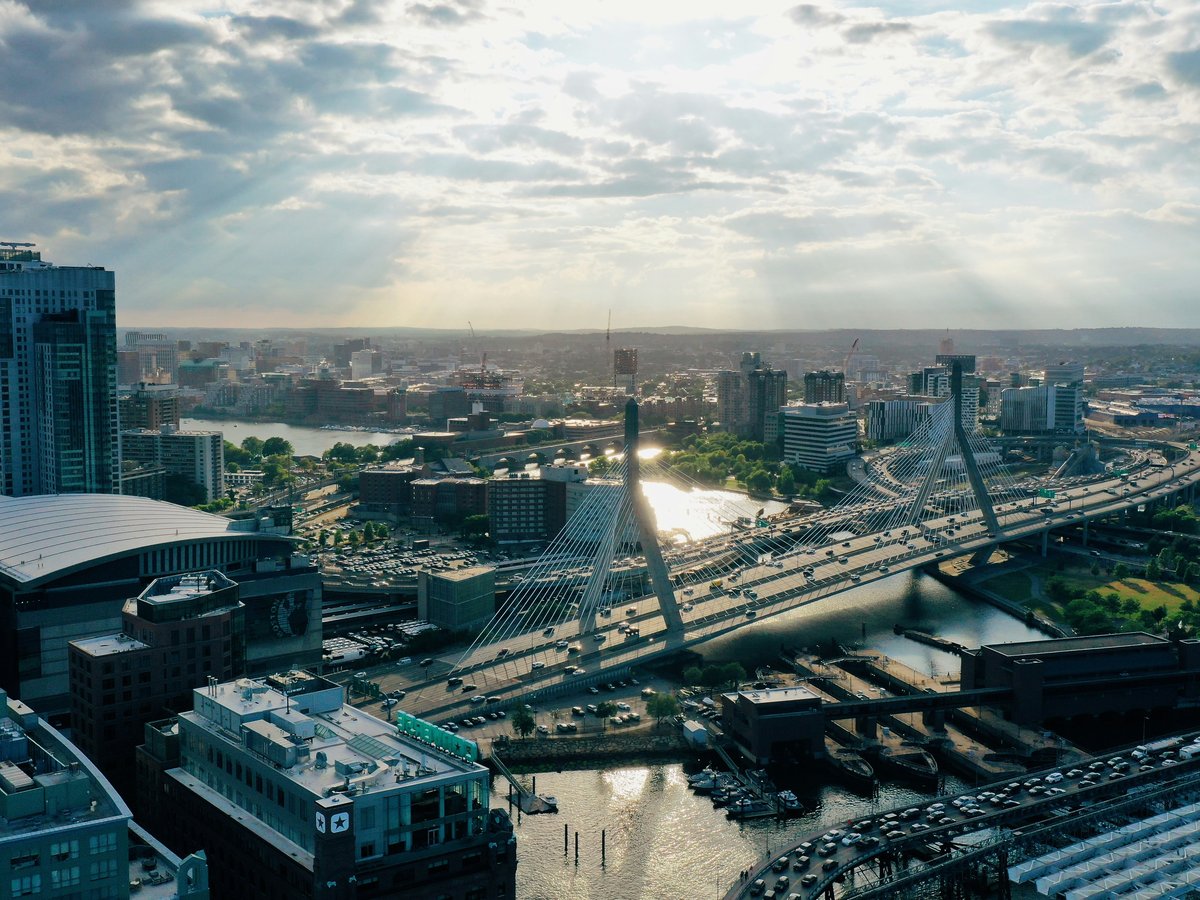
Boston keeps its history close to the pavement, and most of what deserves your attention here is about time rather than spectacle. The span runs from a burying ground dating from 1660 to an arena dating from 1995, with churches, a hall, and a monument in between, many of them National Historic Landmarks. The list holds up best when you take the dates seriously: a church from 1723 and a church from 1877 belong to two different cities that happen to share a name, and walking between them is the real lesson. We put this together for the visitor who would rather stand still in front of one building for twenty minutes than tick off ten, and for anyone who suspects that a city's oldest addresses explain its newest ones. Bring comfortable shoes, leave the souvenir budget at the hotel, and let the street numbers below do the navigating.
See the picks → -
Best free attractions
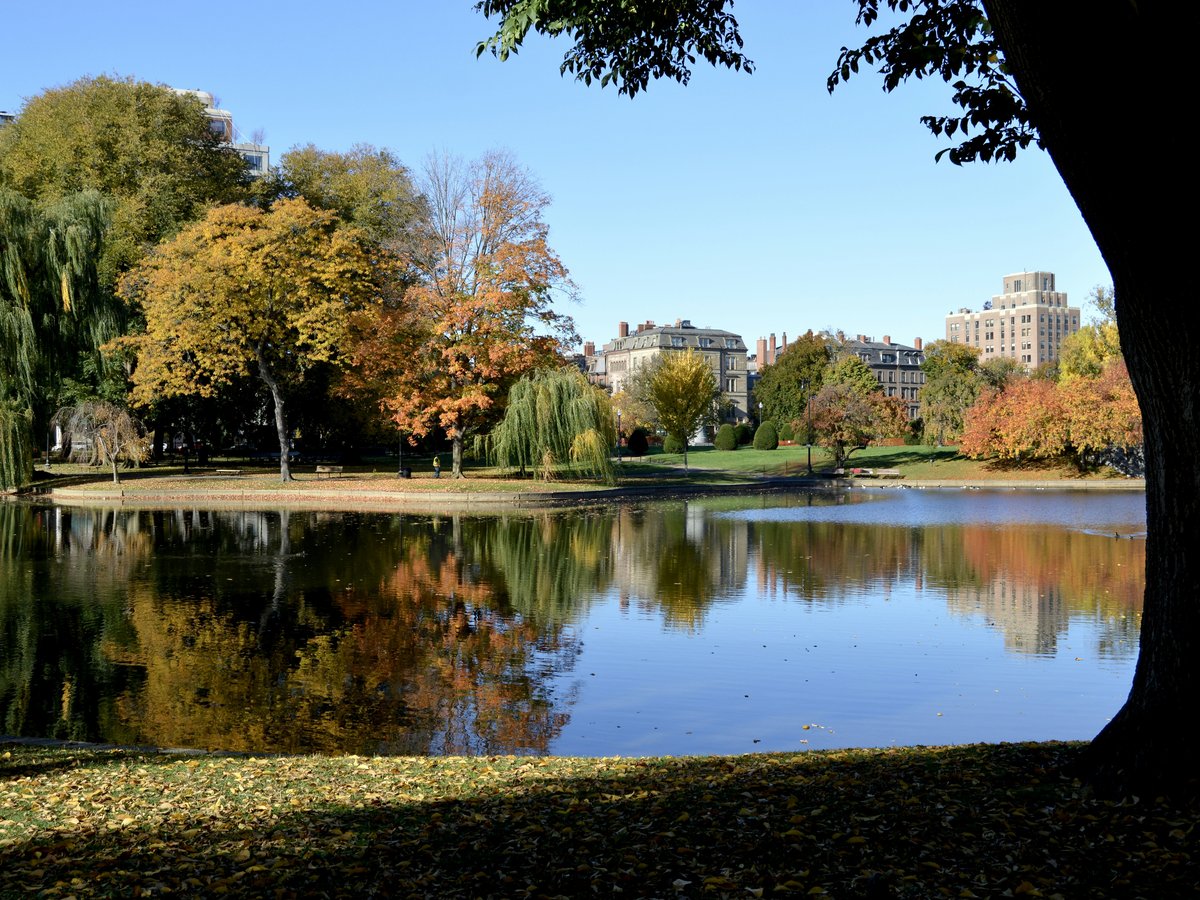
Boston's best free hours are spent outdoors, and the city has been setting land aside for that longer than most American cities have existed. Boston Common dates from 1634, the Arnold Arboretum from 1872, and the Rose Fitzgerald Kennedy Greenway, a linear park laid along a former expressway, is the newcomer from 2008. Three of these grounds carry National Historic Landmark status, and Harvard Square is on the National Register of Historic Places. None of them asks for a ticket, and that is why they are here. This list is for the visitor with a pair of good shoes and a free afternoon, who would rather see how Boston lives in its public spaces than queue for the paid version. It is ranked by how much a stop gives back for the time you spend there. The big lawns come first. The small squares come last, and they work best as places you pass through on the way somewhere else.
See the picks → -
Best museums
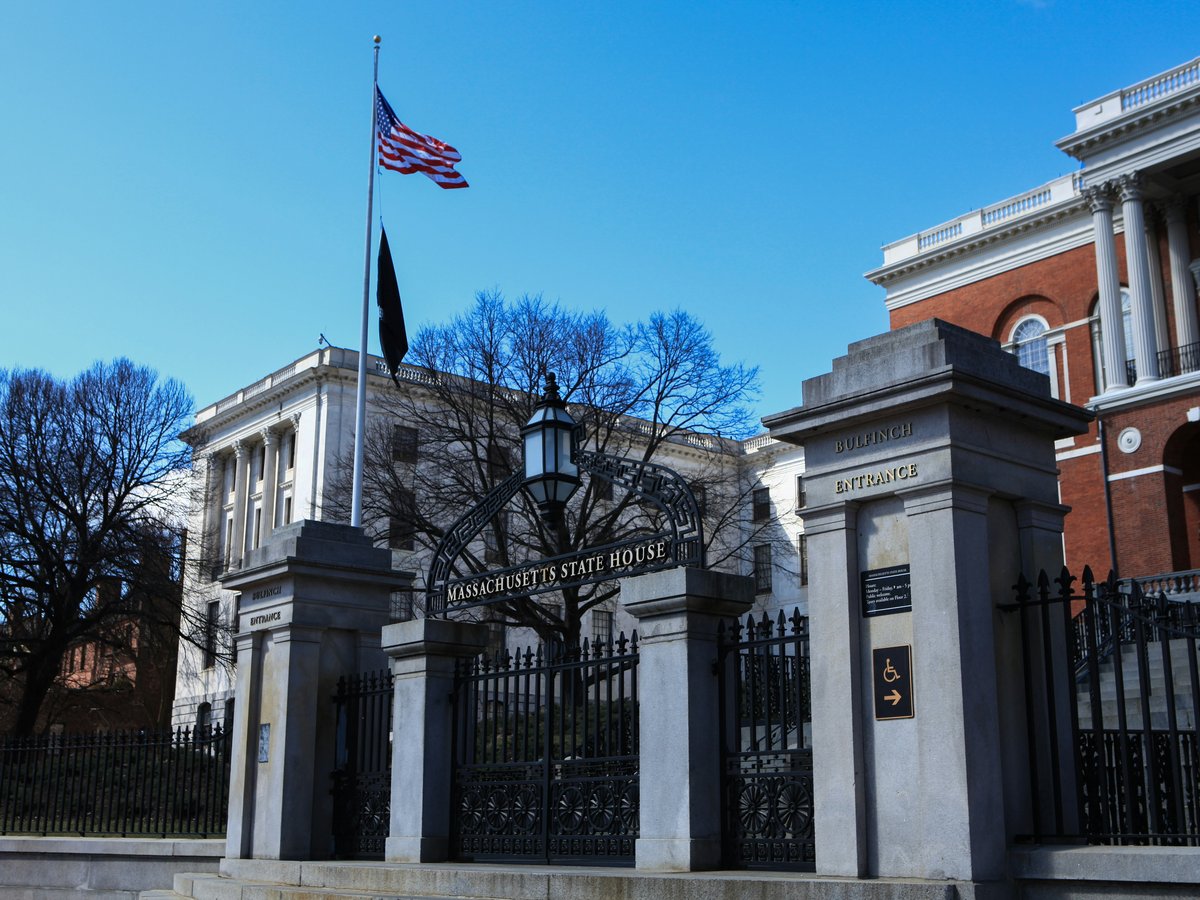
Boston's museum map is wider than its reputation. The big encyclopedic house on Huntington Avenue dates from 1870, and a palazzo-style art museum founded in 1903 now carries Boston Landmark status. Across the river, Harvard runs its own cluster of collections, from art to archaeology to zoology. The civic history sits just as close at hand: a state house dating from 1713, a battle monument from 1843, and a presidential library dedicated to John F. Kennedy. Then there are the outliers: a museum of bad art that hangs in a brewery and a children's museum dating from 1913. This list is for visitors who want to choose their hours well rather than tick boxes. Each entry gives you a reason to go to that one, the hours where we have them, and a steer away from the obvious move. Read it before you buy a pass that bundles places you will never reach.
See the picks →