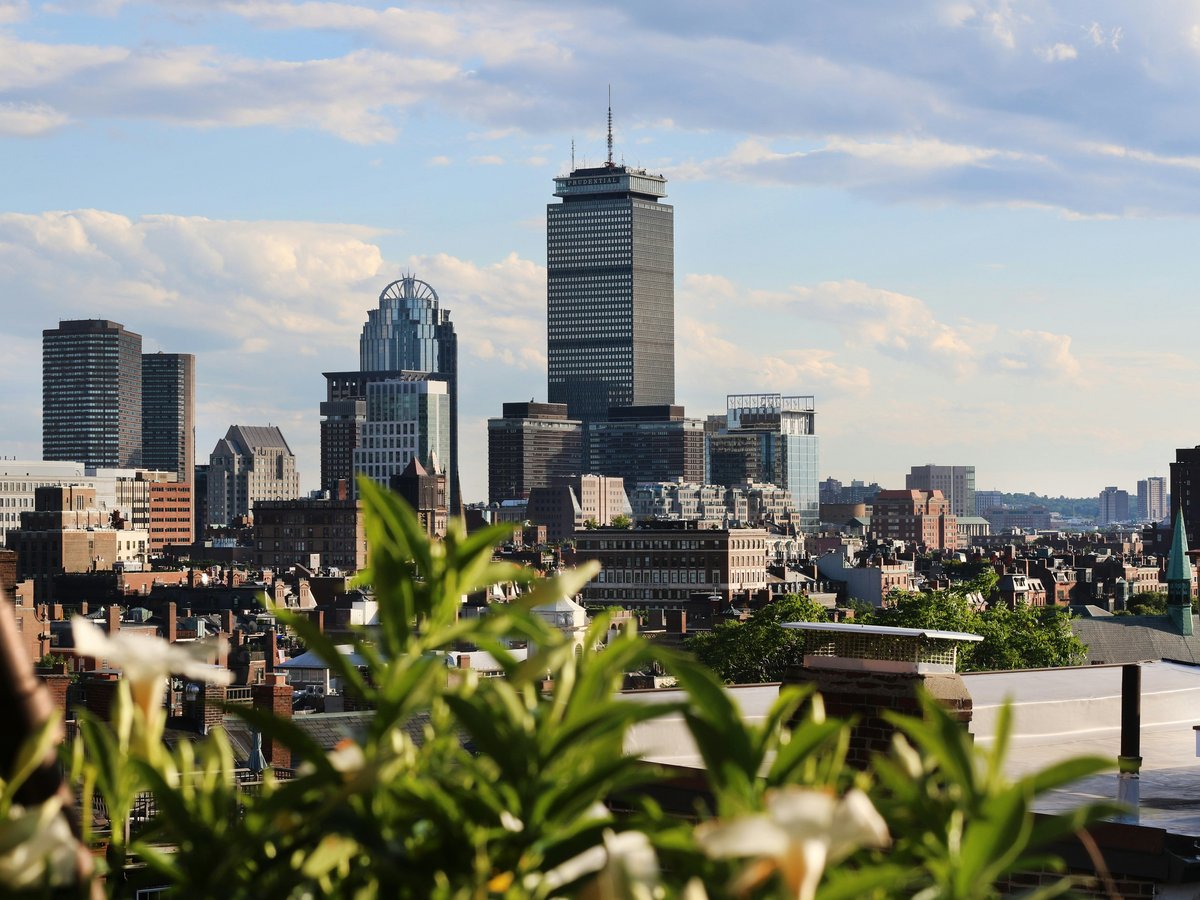
Boston's nightlife runs on a clock that confuses visitors from New York or Miami. Last call hits at 2 AM across Massachusetts, and most bartenders start their final rounds closer to 1:30. That early cutoff shapes everything about how Bostonians go out. People start earlier, drink with more intention, and tend to pick one or two spots rather than bar-hopping across 5 neighborhoods. The city's 35-plus colleges and universities flood certain districts with a younger crowd, but step a few blocks in any direction and you'll find 30-somethings nursing an Old Fashioned in a dimly lit room with exposed brick. Boston is a beer town at its core. Sam Adams was born here, and the craft brewery count in the metro area sits north of 40. That said, the cocktail scene has been quietly getting sharper since the early 2010s, and a handful of bars now compete with anything in Brooklyn or Chicago. The overall feel tends toward neighborhood loyalty. People have their spots. They might try somewhere new on a Saturday, but Thursdays belong to the regular place around the corner.
Boston's Bar Scene, From Dive Stools to Rooftop Terraces
The dive bar tradition runs deep here. Southie and Dorchester still have no-frills Irish pubs where the beer is cheap and the jukebox hasn't been updated since 2009. These places fill up with construction workers and nurses after shift changes, and the conversation is loud, easy, and occasionally about the Red Sox regardless of season. You might find a pool table in the back, sticky floors, and zero pretension. Worth it. The cocktail scene clusters mainly around the Back Bay, South End, and Cambridge. Boston's craft cocktail bars tend to favor darker, wood-paneled interiors over the bright-white minimalism you see in LA. Drinks in the more serious spots cost noticeably more than a standard bar pour, and bartenders here seem to genuinely care about the build. You'll notice a local preference for whiskey-forward drinks and seasonal ingredients pulled from New England farms. The South End in particular has been accumulating small, reservation-recommended cocktail rooms along Tremont and Washington Streets over the past few years. Rooftop bars are limited by Boston's weather. The season runs roughly from late May through September, and even then a chilly harbor breeze can cut through a June evening. The Seaport District has the densest concentration of rooftop and patio drinking, with views across Fort Point Channel and toward the harbor. Cocktails at elevation carry a steep markup over street-level bars. Mind you, the views at golden hour over the waterfront are difficult to argue with. Wine bars have been growing steadily in the South End and Jamaica Plain. The natural wine movement landed in Boston a bit later than in New York, but it's taken root. Expect small plates, low lighting, and by-the-glass pours priced above what you'd pay at a standard restaurant wine list. These spots tend to fill up on weeknights more than weekends, which gives them a different energy from the cocktail bars.
Clubbing in Boston, or the Art of Working Around 2 AM
Boston is not a clubbing city in the way that Miami, Berlin, or even Montreal might be. The 2 AM closing time compresses the energy into a narrow window, and the city's licensing board has historically been conservative about granting new late-night permits. That said, a club scene does exist, and it rewards people who understand its rhythms. The Theater District and the blocks around Boylston Street hold the largest concentration of proper nightclubs. Most open their doors between 10 PM and 10:30, but the floor stays thin until around 11:30. Peak density hits between midnight and 1:15 AM, which gives you roughly 90 minutes of full-throttle energy before the lights come up. DJs tend to lean toward top-40 remixes, hip-hop, and EDM on weekends. Dedicated house and techno nights are less common but have been gaining ground, often on Thursday or Sunday evenings at smaller venues. Dress codes vary by venue. The larger clubs around the Theater District enforce a no-sneakers, no-athletic-wear policy on Friday and Saturday nights, though enforcement can be inconsistent. Collared shirts and clean shoes will get you through most doors. Cover charges at the bigger spots range on weekend nights, with Thursday covers often lower or waived entirely before 11 PM. The college crowd dominates certain clubs near Fenway and in Allston on Thursday and Friday nights. Saturday tends to skew slightly older. Guest-list culture exists but feels less gatekeep-heavy than in New York. Promoters are active on Instagram, and getting on a list can sometimes eliminate or reduce the cover. One thing worth noting. Boston cracked down hard on after-hours spots in the early 2000s, so the night genuinely ends at 2. There's no secret 4 AM spot. People spill onto the sidewalks, grab late-night pizza, and head for the T or a rideshare.
Live Music Across Boston and Cambridge
Boston's live music identity has deep roots in folk, punk, and indie rock. The city and neighboring Cambridge have launched careers for decades, from the Pixies and the Cars in earlier eras to more recent acts that cut their teeth in Allston basements and Somerville bars. The infrastructure for live music remains strong, with venues scattered across several neighborhoods at different scales. Cambridge and Somerville anchor the more intimate end of the spectrum. Harvard Square and Central Square have hosted small-room shows since the 1960s, and you'll still find 150-to-400 capacity rooms booking indie, folk, jazz, and experimental acts most nights of the week. Tuesday and Wednesday shows in these rooms tend to be quite affordable, and the sound is surprisingly good for the size. Allston has long served as the DIY and punk hub, with house shows and small-bar bookings that lean toward noise rock, hardcore, and experimental electronic. The scene is scrappier and younger, and cover at the door tends to be minimal. Things start earlier here, sometimes by 8 PM, which means you can catch a show and still make it to a bar afterward. For larger acts, the Seaport and the areas around Fenway host bigger concert halls and arena-scale venues that pull national and international tours. The Bowery Presents has expanded into Boston, and Live Nation controls several of the larger rooms. Ticket prices at this scale follow national trends and vary widely depending on the act and the night. Jazz has a quieter but real presence, particularly in Cambridge and the South End. You'll find jazz nights scattered across the week, often in restaurants or hotel bars that don't charge a cover but expect you to order. Sunday and Monday jazz sets are a local tradition in a few spots. Bluegrass and Americana acts pop up regularly in Somerville's Davis Square and Union Square bars, usually on weeknights. The local folk and Americana community tends to be tight-knit and welcoming to newcomers who show up and listen.
Nightlife neighborhoods
-
Back Bay and the Theater District
Polished and loud on weekends, with upscale cocktail bars along Newbury Street giving way to larger nightclubs as you move toward Boylston and Tremont. The after-work crowd fills the bar seats by 5:30 PM on Thursdays.
- Best for
- Groups looking for cocktail-to-club progression on Friday and Saturday nights, and professionals grabbing drinks after work mid-week.
- Standouts
- The stretch of Boylston and Tremont near the Theater District holds the highest concentration of nightclubs. Newbury Street skews toward wine and cocktails.
-
South End
Intimate, candlelit, and slightly older. The South End draws a 28-to-45 crowd into narrow cocktail bars and wine rooms along Tremont Street. The energy is conversational rather than performative, with the smell of small-plate kitchens drifting onto the sidewalk on warm evenings.
- Best for
- Date nights, quieter mid-week drinks, and anyone who prefers a well-made cocktail over a loud dance floor.
- Standouts
- Tremont and Washington Streets have the densest cluster of cocktail and wine bars. The SoWa area draws a creative crowd on First Fridays.
-
Allston and Brighton
Loud, cheap, and young. Allston is Boston's college-party nerve center, where the bass leaks out of basement windows and the sidewalks get sticky after midnight. Brighton runs a touch calmer, with neighborhood pubs that feel like someone's living room.
- Best for
- Students and 20-somethings looking for cheap drinks, live punk and indie shows, and a night that starts early and ends on someone's porch.
- Standouts
- Harvard Avenue in Allston is the main strip for bars and small music venues. Brighton Center has a handful of reliable neighborhood pubs.
-
Cambridge (Harvard and Central Square)
Bookish energy mixed with genuine grit. Harvard Square leans polished, with cocktail bars tucked into brick-lined side streets. Central Square is looser, more eclectic, and home to some of the best small music venues in the metro area. The crowd skews toward grad students, academics, and local musicians.
- Best for
- Live music lovers, people who want good conversation over good drinks, and anyone drawn to a slightly intellectual bar atmosphere.
- Standouts
- Central Square has the highest density of live music rooms in the Boston area. Harvard Square's bars tend to be more cocktail-focused.
-
Seaport District
New-build glass and steel, waterfront patios, and a crowd that skews toward young professionals in finance and tech. The Seaport feels different from the rest of Boston, more polished and corporate. On warm nights the outdoor terraces fill fast, with the salt smell off the harbor mixing with grilled food from nearby restaurants.
- Best for
- Rooftop and patio drinking from late May through September, after-work groups, and visitors staying at the waterfront hotels.
- Standouts
- The cluster of bars and restaurants along Seaport Boulevard and Northern Avenue offers the most outdoor drinking space in the city.
-
Somerville (Davis and Union Square)
Laid-back and community-driven, with a neighborhood-bar feel that rewards repeat visits. Davis Square has a handful of bars that have been open for decades, while Union Square currently leans toward newer craft beer and natural wine spots. The Green Line extension has made both more accessible since 2022.
- Best for
- Craft beer enthusiasts, bluegrass and Americana fans, and people who prefer a mellow night in a neighborhood that still feels local.
- Standouts
- Davis Square clusters bars and music venues within a 5-minute walk of the T station. Union Square's newer spots tend toward beer halls and wine bars.
Safety after dark
Boston is generally safe for a night out, but a few things are worth keeping in mind. The T stops running around 12:30 AM on most lines, which catches visitors off guard since bars stay open until 2. Plan your ride home before your third drink. Rideshare prices rise sharply between 1:45 and 2:15 AM on weekends, particularly around the Theater District and Fenway. Walking between neighborhoods at night is mostly fine in well-trafficked areas like Back Bay, the South End, and Cambridge, though quieter stretches near the waterfront and under highway overpasses can feel isolated after midnight. Keep an eye on your drink at crowded bars and clubs. Boston PD increased patrols around the Theater District and Lansdowne Street on weekend nights starting in 2023. If you're heading to Allston, note that the streets get dark quickly once you leave Harvard Avenue.
Practical tips
- Last call timing
- Massachusetts enforces a 2 AM last call statewide. Most bartenders start closing tabs by 1:30 AM. If you want a full night, arrive at your final destination by 11 PM at the latest.
- Cover charges
- Cover charges are common at clubs and some live music venues on Friday and Saturday nights. Thursday nights tend to have reduced or no cover at many spots. Arriving before 11 PM can sometimes get you in free or at a lower rate.
- The T (MBTA)
- The subway and bus system stops running around 12:30 AM. The Green Line and Red Line are the most useful for nightlife areas. After the T shuts down, rideshares are the main option, and wait times grow after 1:30 AM.
- Tipping
- Standard tipping at Boston bars is at least 18-20% or a minimum per drink. Bartenders here remember faces, and tipping well on your first round tends to get you faster service for the rest of the night.
- Reservations
- Cocktail bars in the South End and Back Bay frequently fill up on Friday and Saturday nights. Booking ahead through the bar's website or app is worth the effort, especially for groups of 4 or more.
- College calendar
- Boston's nightlife energy shifts noticeably with the academic calendar. September through May brings the full student population, and areas like Allston and Fenway get louder and more crowded. Summer months feel calmer in those neighborhoods but busier in the Seaport and waterfront areas.
FAQ
What time do bars close in Boston?
Last call in Boston is 2 AM, enforced statewide across Massachusetts. Most bartenders begin their final rounds around 1:30 AM, so plan to have your last order in well before 2. The T subway system stops running around 12:30 AM, which means you'll likely need a rideshare if you stay out until close.
Is Boston good for nightlife compared to other US cities?
Boston's nightlife is strong but different from cities like New York or Miami. The 2 AM cutoff and stricter licensing mean fewer all-night options, but the trade-off is a more concentrated, neighborhood-driven scene. The cocktail bars compete with any major US city, the live music infrastructure is deep, and the beer culture is among the best in the country with over 40 craft breweries in the metro area.
What neighborhoods are best for going out in Boston?
Back Bay and the Theater District have the highest concentration of clubs and upscale bars. The South End is the spot for cocktail and wine bars. Allston draws the college crowd with cheap drinks and live music. Cambridge's Central Square has the best small music venues. The Seaport offers waterfront patio drinking from late May through September.
Do you need to dress up for Boston nightlife?
It depends on where you're going. Clubs in the Theater District enforce dress codes on weekend nights, typically requiring collared shirts and prohibiting sneakers or athletic wear. Cocktail bars in the South End and Back Bay lean smart-casual. Dive bars in Southie, Allston, and Dorchester have no dress code whatsoever. When in doubt, dark jeans and clean shoes will get you into most places.
Is Boston safe at night?
Boston is considered one of the safer major US cities for nightlife. The main areas for going out, including Back Bay, the South End, Cambridge, and the Seaport, are well-lit and well-trafficked. The biggest practical concern is transportation after the T stops running around 12:30 AM, which means planning a rideshare home. Standard drink-awareness practices apply at crowded clubs and bars.
Last verified by automated review (v1.7.2) on . What is automated review?