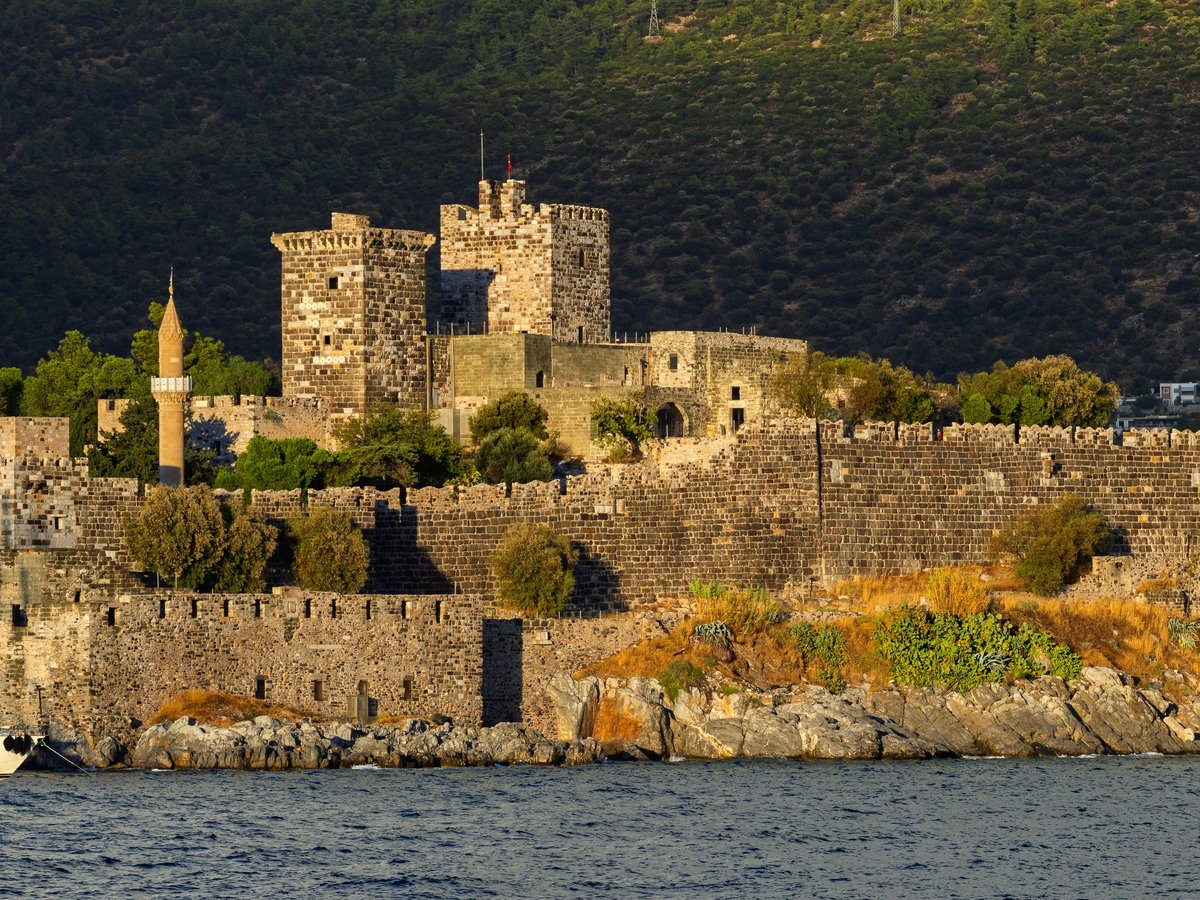
Bodrum sits on the Aegean coast of Muğla Province, a peninsula town built over the ruins of ancient Halicarnassus, founded around 1099 BC. The shopping here tends to split along two lines. Locals head to the weekly open-air pazars for produce, clothing, and household goods at prices that reflect Turkish lira reality, currently around 48.6 TRY to the dollar. Visitors gravitate toward the marina-front boutiques and the old bazaar quarter near Bodrum Castle, completed in 1522 by the Knights of St. John. What makes Bodrum's commercial life distinctive is how closely tied it remains to the surrounding landscape. Pine honey from the hills above Milas, hand-harvested sea sponges from Aegean divers, leather sandals stitched in workshops that have likely been operating since before the tourism wave of the 1980s. The town still smells like cured leather and dried oregano in the right streets. Worth noting, the summer population can swell past 300,000, and the shopping infrastructure reflects that seasonal pulse. Between October and April, you'll find a quieter town where the remaining shops price for residents, not yachters.
Shopping districts
-
Çarşı (Old Town Bazaar Quarter)
mid-range to upper-midThe narrow lanes between Bodrum Castle and the western harbor form the oldest commercial district. Stone walls hold the warmth of the afternoon sun long into the evening here. Shops sell leather goods, silver jewelry, hand-painted ceramics, and Turkish textiles. Some of these lanes have been trading streets since the Ottoman period. Carpet sellers still lay kilims across the cobblestones to catch foot traffic from the castle visitors. The feel is compact, a little humid in summer, with jasmine climbing the walls between storefronts. Locals still buy everyday goods on the edges of this quarter, though the center skews tourist-facing. Prices sit higher than the weekly markets but lower than the marina strip.
Best for: Ceramics, leather sandals, silver, and browsing without a plan
-
Neyzen Tevfik Caddesi (Marina Strip)
luxury to upper-midThis waterfront road runs along the eastern harbor beneath the castle walls. It tends to attract the yacht crowd during summer, and the boutiques reflect that clientele. Turkish designer labels, high-end resort wear, and jewelry stores with Aegean turquoise sit alongside gelato shops and cocktail bars. The salt air and engine oil from the marina mix with perfume samples from the storefronts. You might find a linen shirt here for 2,000 TRY or more, roughly 40 USD. After dark in July and August, this strip fills with strolling crowds and the clinking sound of ice in glasses from the waterfront restaurants.
Best for: Designer clothing, fine jewelry, and resort-season browsing
-
Dr. Alim Bey Caddesi
budget to mid-rangeThe main inland commercial street runs perpendicular to the harbor. This is where Bodrum residents go for practical shopping: pharmacies, phone shops, banks, Turkish chain clothing stores like LC Waikiki and DeFacto. The mood feels more workday than holiday. Prices track national Turkish retail norms, which means substantially cheaper than the waterfront. A pair of jeans from a Turkish brand might run 800 to 1,200 TRY here. The street gets loud with minibus traffic during business hours, and the shade from shop awnings is welcome when the afternoon heat sits above 30 degrees.
Best for: Everyday clothing, electronics, and supplies at local prices
-
Türkkuyusu Caddesi
budget to mid-rangeRunning roughly parallel to the old bazaar, Türkkuyusu connects the market area with residential neighborhoods to the west. Antique dealers, secondhand bookshops, and a few remaining traditional craftsmen set up here. It has a quieter pace than the main commercial streets. You'll smell roasting coffee from a few kahvehane that still cater to older locals playing backgammon in the afternoons. The selection is eclectic. Handmade kilim pillows sit next to used Turkish novels and brass coffee pots with visible patina.
Best for: Antiques, secondhand finds, and artisan crafts away from crowds
-
Midtown Bodrum (Shopping Center)
mid-rangeBodrum's modern mall sits on the D330 highway east of the town center, opened in 2012. It houses international and Turkish chain retailers, a cinema, and air-conditioned food courts. The experience is indistinguishable from any other Turkish AVM, which is precisely the point for residents who want Koton, Mavi, or Boyner without the peninsula markup. During Ramadan or winter months when the bazaar quarter goes quiet, this is where commercial life concentrates. Parking is free and abundant, which matters in a town where summer street parking approaches impossible.
Best for: Chain retail, rainy-day shopping, and cinema
Markets
-
Bodrum Salı Pazarı (Tuesday Market)
food and general goodsThe largest weekly market on the peninsula sprawls across an open lot near the bus station. Vendors set up by 7 AM, and the best produce goes early. Tomatoes still warm from the Muğla sun, white cheese from village dairies, bins of dried mulberries and apricots, bolts of cotton fabric, cheap plastic housewares, and piles of secondhand clothing. The smell is overwhelming in summer, a wall of ripe melon and roasting corn from the snack carts at the periphery. Locals haggle here without hesitation, and vendors expect it. A kilo of Bodrum mandalina (tangerines) in season runs a fraction of what the same fruit costs at a supermarket. This is where the peninsula feeds itself.
Every Tuesday, roughly 7 AM to 5 PM year-round
-
Turgutreis Çarşamba Pazarı (Wednesday Market)
food and general goodsAbout 20 km west of Bodrum center, the Turgutreis Wednesday market draws shoppers from across the western peninsula. It tends to carry more textiles and household goods than the Tuesday market, with long rows of curtain fabric, bedding, and inexpensive clothing. The produce section rivals Bodrum's in size. Turgutreis has a less touristy feel overall. The bus ride from Bodrum takes about 40 minutes via dolmuş. Stall holders here seem more accustomed to selling to Turkish families than to visitors, and prices often reflect that. Pine honey vendors from the inland hills are a regular fixture.
Every Wednesday, roughly 7 AM to 5 PM
-
Bodrum Castle Artisan Courtyard
artisanInside the castle grounds, the Museum of Underwater Archaeology hosts rotating craft displays and occasional artisan sales. The setting alone makes it worthwhile. Stone walls, views across both harbors, and the faint echo of footsteps on medieval flagstone. Vendors here lean toward higher-end handcraft: hand-thrown pottery, Aegean sponge products, olive wood carvings, and silver work. Prices sit above the street markets, partly because of the setting and partly because the craftsmanship tends to be genuine. Mind you, this is seasonal and not always active outside summer months.
Seasonal, typically June through September, tied to castle exhibition hours
-
Gümbet Night Market
night marketIn the resort district of Gümbet, roughly 3 km west of Bodrum center, a small night market sets up along the beachfront strip during peak summer. Knockoff sunglasses, beach wraps, souvenir magnets, and leather belts dominate the stalls. The quality varies enormously. The air smells like sunscreen and grilled corn. To be fair, this is firmly tourist territory, but the atmosphere on a warm August evening has its own energy, with Turkish pop playing from nearby bars and families eating ice cream between the stalls. Bargaining is expected and prices start high.
Nightly during July and August, typically 7 PM to midnight
Souvenirs worth bringing home
Bodrum's most distinctive local product is probably the handmade leather sandal. Cobblers on the peninsula have been making these flat-soled, lace-up designs for decades, and the better ones use vegetable-tanned cowhide that softens over the first week of wear. You can smell the tanning oils in workshops near the old bazaar. Natural Aegean sea sponges make another genuinely local gift. Divers still harvest them from the waters around the Bodrum peninsula, though the industry is smaller than it once was. Look for sponges at the Tuesday market or the castle artisan area, and avoid the dyed synthetic versions. Muğla Province pine honey (çam balı) has a dark amber color and a resinous, almost savory flavor that tastes nothing like clover honey. Small glass jars travel well. Handmade evil eye beads (nazar boncuğu) come from workshops across western Turkey, but the glass ones sold around the bazaar tend to be better crafted than mass-produced versions. Olive oil soap, sometimes scented with lavender from the Bodrum hills, weighs almost nothing and lasts for months. Ceramics painted in the Iznik style appear everywhere, though Bodrum-specific designs often feature Aegean blue tones and nautical motifs tied to the town's maritime heritage. A hand-painted bowl from a reputable artisan might cost between 200 and 600 TRY depending on size and detail.
Practical tips
- Bargaining
- Haggling is standard at weekly pazars, night markets, and most bazaar shops in Bodrum. Start at around 60 percent of the asking price and work toward a middle ground. Fixed-price stores, chain retailers, and supermarkets like Migros and BIM do not negotiate. In the old bazaar, a friendly conversation and genuine interest in the product tend to move the price more than aggressive tactics. Accepting a glass of çay from a shopkeeper is normal and does not obligate you to buy.
- Tax refunds (KDV İadesi)
- Non-Turkish residents can claim a VAT refund on purchases above a per-store minimum (currently around 100 TRY). Ask the merchant for a tax-free form at the time of purchase. You'll need your passport. Process the refund at the airport customs desk before checking luggage on departure. Not every shop participates, so confirm before you buy if the refund matters to your decision.
- Opening hours
- Bazaar shops in Bodrum typically open around 9 or 10 AM and stay open until 10 PM or later during summer months (June through September). Winter hours tend to shorten, with many closing by 6 PM or shuttering entirely until spring. Weekly markets run from early morning to late afternoon. Midtown Bodrum mall keeps standard Turkish AVM hours, roughly 10 AM to 10 PM daily. Friday afternoon closures for prayer are uncommon in this secular resort town.
- Payment methods
- Credit cards are widely accepted along the marina strip, in the mall, and at established bazaar shops. Contactless payment via Turkish bank terminals works at most retailers. Weekly market vendors and smaller artisan stalls often prefer cash in Turkish lira. ATMs from İş Bankası, Garanti, and Ziraat sit along Dr. Alim Bey Caddesi and near the harbor. Some tourist-facing shops accept euros, though the exchange rate they apply tends to be unfavorable.
- Seasonal timing
- The best shopping variety runs from late May through early October, when seasonal boutiques open and the full range of artisan vendors appears. The Tuesday and Wednesday markets operate year-round, but summer stall counts can double or triple. September offers a sweet spot, still warm enough for full market activity but with thinner crowds after the August peak. That said, winter visitors get the advantage of lower prices and less pressure to buy quickly.
FAQ
Is Bodrum a good place to buy Turkish carpets and kilims?
Carpet shops operate in the bazaar quarter near the castle, and some carry genuine hand-knotted pieces from villages in the Muğla and Denizli provinces. Quality varies, so look for tight weave, natural dye consistency, and a certificate of origin if the seller offers one. Prices for a small kilim can start around 1,500 TRY for a simpler village piece and reach several thousand for larger or antique items. The Tuesday market sometimes has secondhand rugs at lower prices, though authentication is harder there.
What are typical Bodrum shopping scams to watch for?
The most common issue involves marked-up leather goods sold as handmade when they are factory-produced. Check stitching quality and leather smell before paying premium prices. Fake branded goods appear at night markets and beachfront stalls. Some jewelry shops along the waterfront sell silver-plated items at solid silver prices, so ask for hallmark stamps (925 for sterling). Bodrum scores 7.2 out of 10 for solo-traveler safety (see the TTDI Solo-Safety Index), and serious crime targeting shoppers is uncommon, but basic alertness around crowded markets helps.
Can I ship purchases home from Bodrum?
PTT, the Turkish postal service, has a branch near the town center. Cargo shipping through private carriers like Yurtiçi Kargo is available for larger items like carpets. Some established carpet and ceramic dealers offer their own international shipping and will handle customs paperwork, though this usually costs extra. For fragile ceramics, asking the seller to pack the item properly before you leave the shop saves considerable headaches later.
Are Bodrum's shops open on Sundays?
Most bazaar-quarter shops and mall retailers open on Sundays during the summer season, roughly June through September. The weekly markets follow their fixed schedule regardless of the day. In winter, Sunday hours become less reliable, especially for smaller independent stores. Supermarket chains like Migros and A101 tend to operate 7 days a week year-round.
Last verified by automated review (v1.7.2) on . What is automated review?