Compare every Japan city in July →
Stay in Sapporo in July
95 hotels in the Trip.com pool for Sapporo, from US$12 a night.
Opens Trip.com on Fri 2 Jul to Sun 4 Jul 2027; change the dates there.
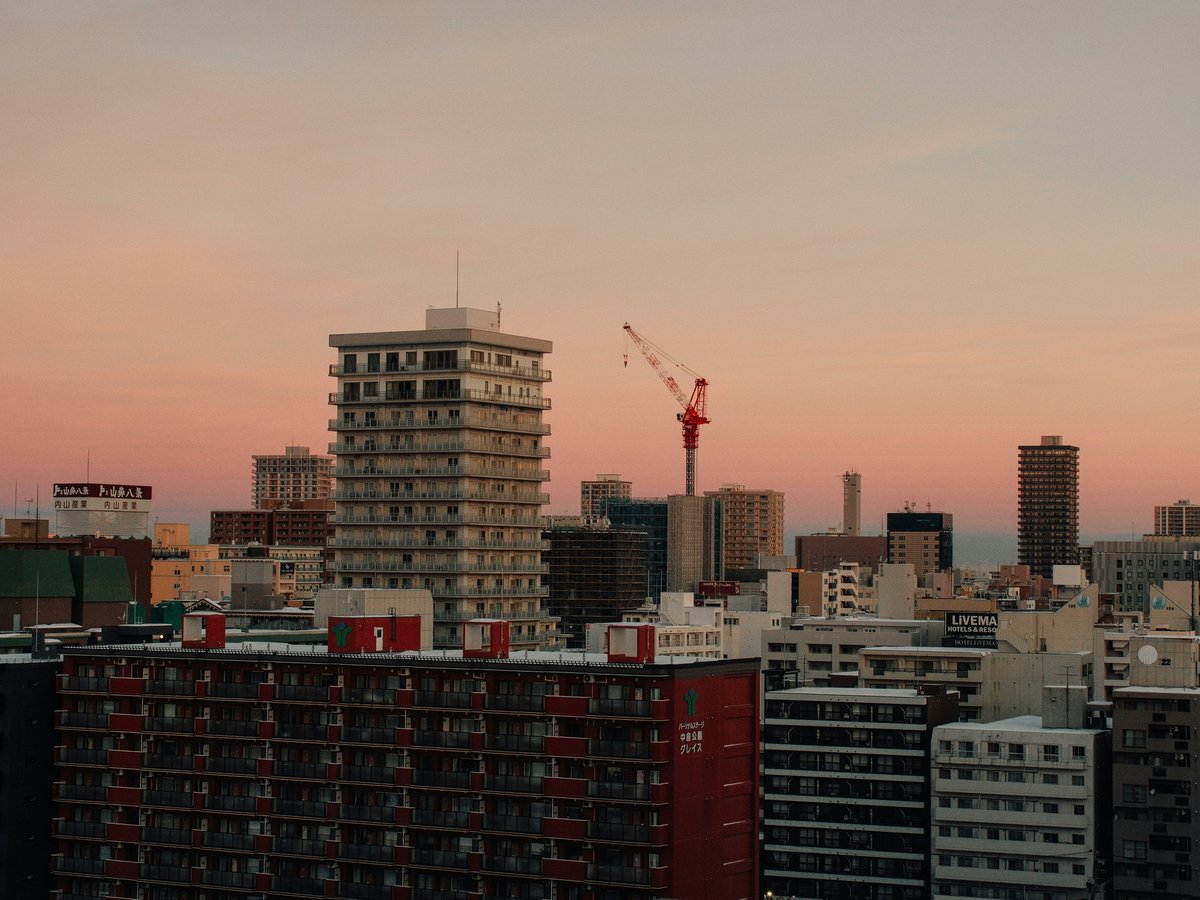
July is when the rest of Japan melts (Tokyo and Osaka sit in a thick 35°C (95°F) soup) and Sapporo becomes the country's great escape. Daytime temperatures hover around 27°C (80°F), which by Hokkaido standards is genuinely warm, but the difference from the mainland is the kind of thing you feel in your shoulders the moment you step outside New Chitose Airport. You can breathe. The humidity is there, sitting at about 82%, but it lacks that suffocating weight you get further south. Sapporo in July is a city leaning fully into its short summer: the Odori Park beer gardens open, lavender fields in nearby Furano hit peak bloom, and the sidewalk cafe culture along Minami-Ichijo-dori comes alive in a way that feels almost European.
That said, this is not some dry Mediterranean summer. July brings about 131mm of rain spread across a dozen or so days, usually in the form of afternoon showers that roll in, dump for twenty minutes, and move on. You learn to carry a compact umbrella and stop worrying about it. The real tension in July is crowds: domestic tourists from Honshu flood Hokkaido starting mid-month, and hotel prices reflect it. Sapporo is not exactly packed the way Kyoto gets in cherry blossom season, but the days of wandering into any hotel and finding a room are over by the second week of July.
The trade-off is worth it for most people. This is Sapporo at its most open, its most walkable, its most alive. The daylight stretches past 7pm, the parks are green and loud with cicadas, and the food (uni, corn, Yubari melon, lamb on the grill) is at a seasonal peak that the winter months simply cannot match.
Why visit in July
- Sapporo's warmest weather without the punishing heat of mainland Japan: 27°C (80°F) highs feel genuinely pleasant compared to Tokyo's 35°C
- Hokkaido's seasonal ingredients peak simultaneously: Yubari melon, fresh uni from Shakotan, Furano corn, and Hokkaido dairy are all at their best
- The Odori Park Beer Garden (one of the longest in Japan) opens in late July, pairing Sapporo's brewery heritage with long summer evenings
- Lavender fields in Furano and Kamifurano reach full bloom, a 90-minute drive that turns into an easy day trip
- Long daylight hours (sunrise before 4:30am, sunset after 7pm) give you a full day of exploring without rushing
Worth knowing
- Domestic tourism high season: Japanese families escaping Honshu's heat fill hotels and push rates up significantly from mid-July
- Rain on roughly 12 days of the month; afternoon showers are common and occasionally a front parks over the city for a full day
- The 82% humidity, while manageable by mainland standards, still means you will sweat through a T-shirt by midday
- Popular day trips to Furano and Otaru get noticeably congested on weekends, with tour buses lining up along Route 237
Best for
Think twice if
July is Sapporo's joint-warmest month. Daytime highs average 26.8°C (80°F), dropping to a comfortable 18.7°C (66°F) at night: cool enough that you might want a light layer for evening walks along the Toyohira River. Rain totals about 131mm across roughly 12 days, mostly falling as brief afternoon showers rather than all-day downpours. Humidity sits around 82%, which sounds high on paper but feels noticeably lighter than the 90%+ you would encounter in Tokyo or Osaka the same week. Mornings tend to be the clearest part of the day, and the occasional foggy start burns off fast.
Seasonal caution
- Occasional heavy rain events when Pacific fronts stall over Hokkaido: these can dump 50mm+ in a single day and cause localized transit delays, though they are infrequent
- Thunderstorms are possible in late July afternoons, particularly inland toward Furano; check forecasts before committing to exposed hiking trails
Year-round climate
Averages from the last 5 years.
| Month | Avg high (°C) | Avg low (°C) | Rainfall (mm) |
|---|---|---|---|
| Jan | -3 | -11 | 80 |
| Feb | -1 | -9 | 79 |
| Mar | 4 | -5 | 82 |
| Apr | 12 | 2 | 102 |
| May | 17 | 8 | 106 |
| Jun | 22 | 13 | 119 |
| Jul | 27 | 19 | 131 |
| Aug | 27 | 19 | 163 |
| Sep | 23 | 14 | 131 |
| Oct | 16 | 7 | 115 |
| Nov | 9 | 0 | 123 |
| Dec | 0 | -7 | 69 |
Holidays and festivals in July
Public holidays
- Marine Day(海の日)19 July 2027
Headline events
Sapporo Summer Festival (Sapporo Natsu Matsuri)
Late July through mid-August (beer garden opens around July 20)
A month-long celebration anchored at Odori Park that opens with Japan's longest beer garden: over a kilometer of outdoor tables stretching from Nishi 5-chome to Nishi 11-chome. The festival includes Bon Odori dancing, live music stages, and food stalls representing Hokkaido's regional specialties. For many domestic visitors, the beer garden alone is the reason to come to Sapporo in summer.
Furano Lavender Season
Peak bloom typically mid-July to late July, varies slightly by year and elevation
The lavender fields of Furano and Kamifurano, centered around Farm Tomita, hit peak bloom in mid-to-late July. Rolling purple hillsides against the Tokachi mountain range draw photographers and day-trippers from across Japan. The JR Furano Lavender Express runs special seasonal service from Sapporo. It is less a single event than a natural phenomenon, but people absolutely plan entire Hokkaido trips around catching it at peak.
Best things to do in July
Odori Park Beer Garden
food and drinkOver a kilometer of outdoor beer garden tables stretching through the heart of Sapporo, with different brewery zones (Sapporo, Kirin, Asahi, and craft options) each offering their own food pairings. The atmosphere on a warm July evening, with office workers loosening ties and families spreading out on the grass, is Sapporo at its most relaxed. Jingisukan lamb, edamame, and draft beer under the trees.
The beer garden opens in late July as part of the Summer Festival: it is a strictly seasonal setup that does not exist outside of summerBooking tipNo reservations for the outdoor sections, just show up. Weekday evenings are significantly less crowded than weekends. Arrive before 6pm to claim a good spot.
Day Trip to Farm Tomita, Furano
natureThe most photographed lavender farm in Hokkaido sits about 90 minutes from Sapporo by car or the seasonal JR Furano Lavender Express. Rows of purple, white, and pink lavender cascade down gentle hillsides with the Tokachi mountains as backdrop. The farm is free to enter and includes a small shop selling lavender oils, soaps, and the famous lavender soft serve. The scale of the color is something photographs genuinely undersell.
Lavender peaks in mid-to-late July: arrive in June and the fields are green; wait until August and the purple is fadingBooking tipThe JR Furano Lavender Express runs only during peak bloom season. Reserve seats early: the train is popular and often sells out on weekends. Alternatively, rent a car for flexibility to visit nearby Shikisai-no-Oka and Ningle Terrace.
Sunset from Mount Moiwa Ropeway
sightseeingThe ropeway and mini cable car to the summit of Mount Moiwa offers a 360-degree panorama of Sapporo, the surrounding mountains, and the Ishikari Plain. On a clear July evening the city lights spread out below as the sun drops behind the Shakotan Peninsula. July's long twilight means the transition from golden hour to city lights is gradual and worth lingering through.
July's extended daylight pushes sunset past 7pm, letting you ride up in daylight and watch the transition to night: winter runs are dark both waysBooking tipGo on a weekday if possible. Weekend sunset slots see queues of 30-45 minutes for the ropeway. Last ascent is typically around 9pm in summer.
Cycling the Toyohira River Greenway
outdoorA paved cycling path follows the Toyohira River from Makomanai in the south through Nakajima Park and past Susukino, with mountain views and riverside greenery the whole way. Rental bikes are available at several stations along the route. July's warm mornings (before the humidity builds) are the sweet spot, and the path is flat enough for anyone.
July is the only month where morning temperatures, daylight, and dry stretches reliably align for comfortable cycling: spring is too cold, August too rainyBooking tipSapporo's bike-share system (Porocle) has stations throughout the city. Register at any station; early morning availability is best.
Exploring Nijo Market
food and drinkSapporo's covered fish and produce market, running several blocks near Sosei River, is where the July seasonal overlap becomes tangible. Uni, crab, Yubari melon, corn, and Hokkaido dairy are all at peak at the same time. Vendors offer small portions (a bowl of uni-don, a half melon, a grilled crab leg) so you can graze rather than commit to one meal. The market is working and unpretentious; it smells like brine and charcoal.
July brings the simultaneous peak of uni, melon, and corn: the three signature Hokkaido ingredients rarely overlap this perfectly outside of a few summer weeksBooking tipArrive before 9am for the best selection and the smallest crowds. Most stalls close by early afternoon.
Sapporo Beer Museum and Tasting
food and drinkHoused in a handsome red-brick former brewery in the Kita ward, the museum traces Hokkaido's brewing history from the Meiji era through the present. The real draw is the tasting hall at the end, where you can sample limited-release brews and the Sapporo Classic: a Hokkaido-only lager you genuinely cannot buy elsewhere in Japan. The adjacent Sapporo Beer Garden serves jingisukan paired with the house pour.
Beer garden season is in full swing, the outdoor terrace is open, and summer-limited brews are on tap only from July through AugustBooking tipThe museum tour is free; tastings cost a few hundred yen per glass. The beer garden restaurant next door takes reservations and fills up by 6pm on weekends: book a day or two ahead.
Hiking in Maruyama Park and Maruyama Primeval Forest
outdoorA 226-meter hill tucked into Sapporo's western edge, Maruyama offers a forested trail that feels surprisingly wild for being inside a city of two million. The primeval forest on its slopes is a designated natural monument: old-growth beech and Mongolian oak with a dense understory. July's canopy is fully leafed out, and the shade keeps temperatures several degrees cooler than the city center. You might hear an Ezo squirrel before you see one.
The forest canopy is at maximum density, providing shade and cooler temperatures; wildflowers along the lower trail are in bloom through mid-JulyBooking tipNo booking needed. The trail takes 45-60 minutes to the summit. Start early to beat both the heat and the families who arrive mid-morning.
Pacific Music Festival (PMF) Concerts
cultureFounded by Leonard Bernstein in 1990, PMF brings young classical musicians from around the world to Sapporo for orchestral training and a public concert series. Performances happen at Sapporo Concert Hall Kitara and the Sapporo Art Park, with both ticketed evening concerts and free outdoor daytime performances. The quality is genuinely high: this is not background music at a beer hall.
PMF runs exclusively from early July through late July. It is Sapporo's single most prestigious cultural event and does not exist outside this window.Booking tipTicketed concerts at Kitara sell out for popular programs. Free performances at Art Park are first-come, first-served: bring a blanket.
What to eat in July
In season: fruit
Yubari Melon
Hokkaido's most famous fruit hits peak season in July. The orange-fleshed cantaloupe from the town of Yubari is intensely sweet and fragrant: you will find it sliced at Nijo Market, blended into soft serve at shops along Tanukikoji, and served as dessert at restaurants across the city. The first-of-season auction melons sell for absurd prices, but a good half-melon at the market is reasonable.
On menus now
Jingisukan (Genghis Khan Lamb BBQ)
Sapporo's signature dish: thin-sliced lamb grilled on a dome-shaped iron plate, the fat dripping down into a moat of vegetables. It is available year-round, but July's beer garden season at Odori Park and the Sapporo Beer Garden in Kita-ku makes this the peak month for eating it outdoors with a cold Sapporo Classic in hand. The smell of charring lamb fat drifts across the park on warm evenings.
Soup Curry
Not strictly seasonal, but Sapporo's signature curry style: a thin, spiced broth poured over rice with large cuts of Hokkaido vegetables and chicken: pairs particularly well with July's weather. The warmth of the spice clears sinuses on humid days, and the summer vegetable versions use fresh local produce that is noticeably better than the winter root-vegetable iterations.
Street food peaks
Lavender Soft Serve
A seasonal specialty that appears across Sapporo and peaks in July with the Furano bloom: soft serve ice cream flavored (and colored) with Hokkaido lavender. The best versions have a floral, slightly herbal sweetness that cuts through the humidity. Farm Tomita's original is the benchmark, but good versions appear at convenience stores and Tanukikoji shops throughout the month.
In markets
Shakotan Uni (Sea Urchin)
Summer is peak uni season on the Shakotan Peninsula west of Sapporo, and July brings some of the richest, creamiest bafun uni of the year. Nijo Market and the sushi counters around Susukino serve it still quivering. The texture is custard-like, briny but sweet, and the color is a deep gold that fades within hours of being opened: freshness matters here more than almost any other ingredient.
Furano Corn (Raiden variety)
Hokkaido corn starts coming in during July, and the local Raiden variety is shockingly sweet: some farmers claim a sugar content that rivals fruit. You will find it roasted at festival stalls, boiled at roadside stands on the drive to Furano, and served as tempura at izakayas. The kernels burst with a sweetness that doesn't need butter, though nobody will stop you.
Regular events in July
Tanabata Festival (Star Festival)Free
Sapporo's local Tanabata celebration features colorful paper streamers and wish-writing stations at Tanukikoji Shopping Arcade and other covered arcades around the city. More intimate than the massive Sendai version but charming: children write wishes on tanzaku strips and hang them from bamboo branches. Some shops along Tanukikoji offer special Tanabata-themed sweets.
July 7 (some displays remain through mid-July)PMF LinkUp Concert
A family-oriented offshoot of the Pacific Music Festival where audience members bring recorders and sing along with the orchestra. Held at Sapporo Concert Hall Kitara, it is a surprisingly moving experience: several hundred people playing simple melodies in unison with a full professional orchestra. Less formal than the evening concerts.
Mid-July (single performance, date varies by year)Hokkaido Shrine Summer Festival RemnantsFree
The main Hokkaido Shrine Festival (Sapporo Matsuri) wraps up in mid-June, but lingering festival stalls and yatai food vendors sometimes operate into early July along the approach to Hokkaido Shrine through Maruyama Park. Worth checking dates: when it overlaps, the fried food and festival atmosphere extend the season.
Early July (spillover from late June)Susukino Night Market StallsFree
Informal summer night food stalls pop up in the Susukino entertainment district during July weekends, offering yakitori, grilled corn, draft beer, and Hokkaido-style fried chicken (zangi). Less organized than the Odori beer garden but grittier and more local in character: the kind of thing you stumble into rather than plan for.
Weekends throughout July, typically 6pm to midnightBest places this July
Odori Park
parkThe long, narrow park that bisects central Sapporo east-to-west becomes the social spine of the city in July. The beer garden occupies the western blocks, while the eastern end stays quieter: good for a morning walk under the elm trees. The TV Tower at the east end offers a modest but satisfying view down the park's full length, particularly at dusk when the beer garden lights come on.
OdoriTanukikoji Shopping Arcade
shoppingA covered shopping arcade running seven blocks parallel to Odori Park, Tanukikoji has been operating since the 1870s and still feels like a living neighborhood rather than a tourist attraction. In July, Tanabata decorations hang from the ceiling, and the air conditioning makes it a natural refuge from afternoon humidity. Good for picking up Hokkaido souvenirs, snacking on croquettes, and browsing without a plan.
TanukikojiNakajima Park
parkA quieter, more Japanese-feeling park south of Susukino centered around a lake with rental boats. The Hasso-an teahouse (a relocated Meiji-era structure) offers matcha in a tatami room overlooking the water. In July, the park's Japanese garden is deep green and shaded, and the crowds that pack Odori rarely make it this far south. Lotus flowers bloom on the lake's surface in late July.
NakajimaMoerenuma Park
parkIsamu Noguchi's last major work: a sprawling sculpture park on the city's northeast edge built on a reclaimed landfill. The Glass Pyramid, the artificial Mount Moere, and the geometric play fountains are striking in any season, but July's green grass and blue sky give the sculptural landforms their best contrast. The Sea Fountain runs its full 40-minute water-and-light show on summer evenings. Worth the bus ride from central Sapporo.
Higashi-kuNijo Market (Nijo Ichiba)
marketSeveral blocks of covered fish market, produce vendors, and small restaurants near Sosei River in central Sapporo. Not a tourist market in the Tsukiji sense: locals still shop here. July mornings are the best time: fresh uni, live crab, stacks of Yubari melon, and vendors who will slice a melon for you on the spot. The smell of charcoal-grilled seafood drifts through the narrow lanes.
Chuo-kuSapporo Beer Museum
museumThe red-brick former brewery in Kita-ku tells the story of beer in Hokkaido from the 1870s onward. The building itself (a remnant of Sapporo's industrial Meiji architecture) is worth seeing even if you skip the tasting hall, though you should not skip the tasting hall. The adjacent garden fills with jingisukan smoke on July evenings. Sapporo Classic on draft here tastes noticeably different from the canned version.
Kita-kuMount Moiwa Summit
viewpointThe ropeway-accessible peak south of the city center offers Sapporo's best panorama. On clear July evenings, you can see the Ishikari Bay to the north and the mountains ringing the Jozankei valley to the south. The summit has a small restaurant and an observation deck. July's long twilight means you get both the golden-hour city view and the night skyline in a single trip up.
Minami-kuHokkaido University Campus
campusThe sprawling campus north of Sapporo Station has a famous ginkgo-lined avenue (best in autumn, but the summer canopy is thick and shady), a historic agricultural museum, and long walking paths through birch groves. In July, the campus is quiet between terms and feels like a public park. The old Clark statue and the Poplar Avenue are gentle, unpressured stops. The campus elm forest is one of the last urban old-growth stands in the city.
Kita-ku
Your packing checklist
Tick items off as you pack. Your progress saves in this browser.
All packed — have a great trip.
Insider tips
Sapporo Classic (the Hokkaido-only lager) is available at every convenience store and supermarket in the city but genuinely cannot be bought outside Hokkaido. Stock up before you leave; it is a better souvenir than most things in the airport gift shops.
The JR Furano Lavender Express runs only during peak bloom season. If you are relying on the train rather than a rental car, check JR Hokkaido's seasonal schedule the week before your trip: the exact start and end dates shift slightly each year based on bloom forecasts.
Nijo Market prices drop noticeably in the last hour before closing (around 2-3pm for most stalls). The uni and melon vendors would rather sell at a discount than pack unsold inventory. Morning has the best selection; afternoon has the best deals.
The Susukino entertainment district looks intimidating at street level (bright signs, touts, a general sensory overload) but the upper-floor izakayas on the side streets are where locals eat and drink. Look for places with Japanese-only menus on the third or fourth floor; the elevator ride filters out most tourists.
For the best jingisukan experience outside the tourist-heavy Beer Garden, look for the local-style tabletop places in the blocks between Susukino and Nakajima Park. The lamb is the same quality, the beer is colder, and you will likely be the only non-Japanese person in the room.
Avoid these mistakes
- Booking Furano lavender day trips for early July or late July without checking bloom forecasts first. Peak bloom varies by a week or more depending on spring temperatures. The tourism board publishes weekly bloom updates: check them rather than assuming a fixed date. Arriving to green fields when you expected purple is a common disappointment.
- Underestimating Sapporo's distances on foot. The city grid is logical but spread out: walking from Sapporo Station to Susukino takes 25-30 minutes, and adding Maruyama or Moerenuma Park makes a car or subway essential. The one-day subway pass pays for itself quickly.
- Skipping sunscreen because 27°C does not feel dangerously hot. Hokkaido's July sun is deceptive: you are outdoors for long hours in the extended daylight, and sunburn accumulates without the heat cue that reminds you in tropical climates.
- Planning every meal around Sapporo ramen and missing the seasonal seafood window. Ramen is available year-round and tastes the same in December. July's fresh uni, corn, and melon are available for about six weeks total: prioritize what is fleeting over what is permanent.
Practical tips for July
Book accommodation at least three to four weeks ahead for mid-to-late July stays near Odori or Susukino: domestic tourism peaks during the school holiday period starting around July 20, and central hotels fill fast. The Sapporo subway system is clean, efficient, and covers the main areas; a one-day pass (Donichika Kippu, available on weekends and holidays) is good value if you are hitting multiple neighborhoods. Most restaurants do not require reservations except popular jingisukan spots on weekend evenings: call a day ahead for those. Convenience stores (Seicomart is Hokkaido's local chain and often has better regional products than 7-Eleven) stock everything from sunscreen to onigiri to Sapporo Classic. Dress is casual in summer; no restaurant in the neighborhoods covered here requires anything beyond clean, dry clothes. ATMs at 7-Eleven and Japan Post accept international cards. If you are renting a car for Furano, book early: summer rental cars in Hokkaido are a known bottleneck, and availability drops sharply after June.
FAQ
Is July a good time to visit Sapporo?
July is one of the best months to visit Sapporo, likely second only to February (for the Snow Festival) in terms of the city operating at its peak. The weather is warm without being oppressive (highs around 27°C (80°F)) the seasonal food is at a simultaneous peak, the beer gardens are open, and day trips to Furano's lavender fields are possible. The trade-off is higher prices and more domestic tourists than spring or autumn, but for most travelers, the quality of the experience outweighs the crowds.
What is the weather like in Sapporo in July?
Expect average highs of 26.8°C (80°F) and lows of 18.7°C (66°F), with 131mm of rainfall across about 12 days. Humidity sits around 82%, which sounds high but feels significantly lighter than Tokyo or Osaka in the same month. Rain typically comes as brief afternoon showers rather than all-day downpours, though the occasional front can stall for a full day. Mornings tend to be clear and are the best time for outdoor activities.
Is Sapporo crowded in July?
Moderately to heavily crowded, particularly from mid-July onward when Japanese school holidays begin. Central hotels fill up, the Odori Beer Garden draws large evening crowds, and day trips to Furano get congested on weekends. That said, it is not Kyoto-in-April levels of overwhelming: Sapporo is a spread-out city with good public transit, and you can find quieter pockets in Nakajima Park, Moerenuma Park, or the Hokkaido University campus even on busy weekends.
How far is Furano from Sapporo and is a day trip realistic?
Furano is roughly 115km (70 miles) from Sapporo, about 90 minutes by car or just over two hours by the seasonal JR Furano Lavender Express train. A day trip is entirely realistic and is how most visitors do it. By car, you can combine Farm Tomita with nearby Shikisai-no-Oka and still be back in Sapporo for dinner. By train, you are more limited but the route itself passes through pretty countryside. Start early either way: the lavender fields get crowded by late morning.
What food should I prioritize in Sapporo in July?
Fresh uni (sea urchin) from the Shakotan Peninsula, Yubari melon, Hokkaido corn, and jingisukan lamb BBQ at the beer gardens. These four overlap for only a few weeks in summer, and all are noticeably better fresh in Sapporo than anything you would find elsewhere in Japan. Sapporo ramen and soup curry are year-round staples: good anytime but not seasonal. If you have to pick one splurge, a bowl of fresh uni-don at Nijo Market in the morning is the thing you will remember longest.
Things to Do in Sapporo in July
 Free cancellation
 Mondo's most popular No.1!Private experienceThe king of buckwheat noodles making and Japanese food in Sapporo!A plan to enjoy tempura!
Cooking class: 1.2 hours, free cancellation.
via Viator Free cancellation
 Taste freshly made soba noodles made by yourself at a real local soba shop!Private plan for 1 group only.
Cooking class: 1 hour, free cancellation.
via Viator Free cancellation
 Wagashi traditional japanese sweets class
Cooking class: 2 hours, free cancellation.
via ViatorFind a flight to Sapporo
Live fares to Sapporo appear here once cookies are accepted.
Last verified by automated review (v1.7.2) on . What is automated review?