Compare every Japan city in January →
Stay in Sapporo in January
95 hotels in the Trip.com pool for Sapporo, from US$12 a night.
Opens Trip.com on Fri 1 Jan to Sun 3 Jan 2027; change the dates there.
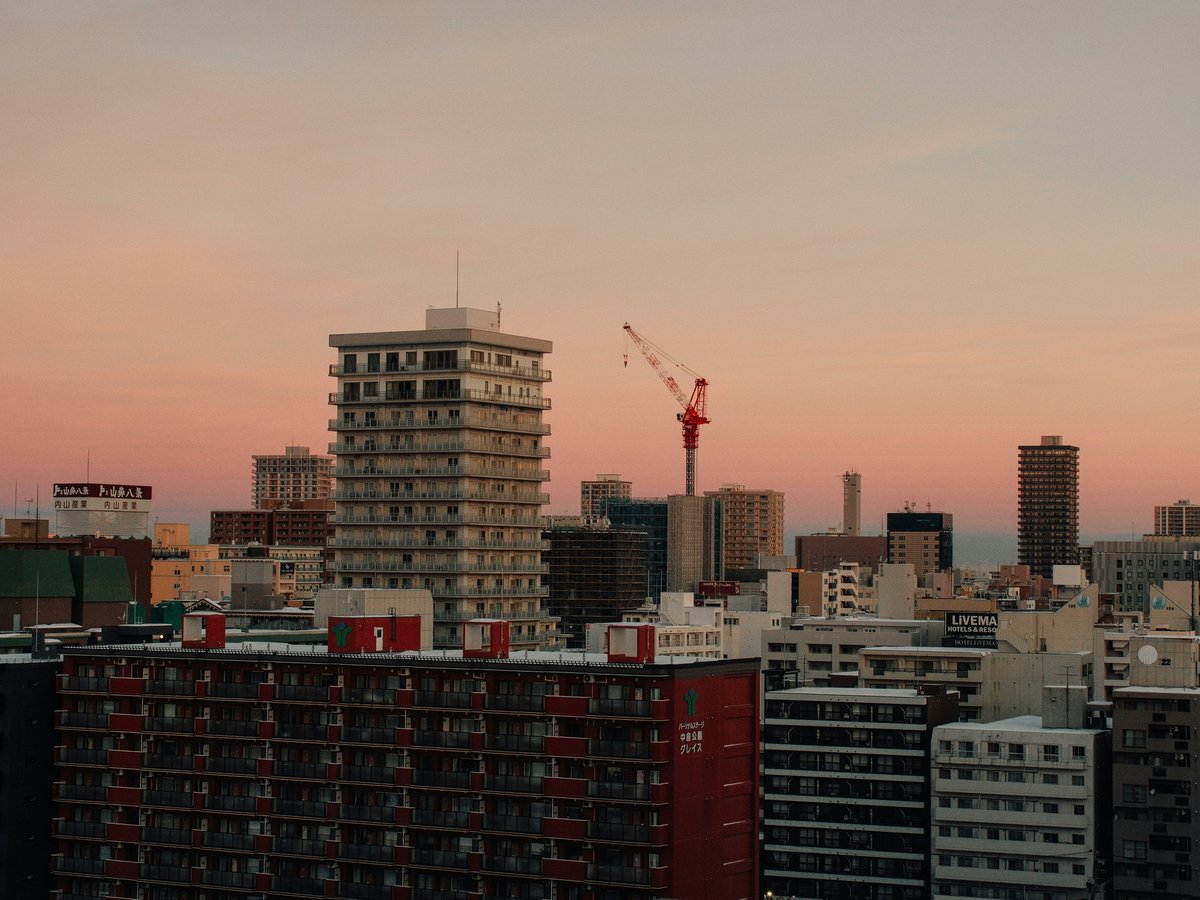
January in Sapporo is, first and foremost, cold. Not the kind of cold where you throw on a jacket and carry on: this is proper, bone-deep winter, with average highs around -3°C (27°F) and lows dipping to -11°C (13°F). Snow piles up along every sidewalk. The city sits under a steady grey sky for much of the month, and the sun sets before five. That said, if you came here expecting a tropical getaway, something went wrong with your travel planning. Sapporo in January is for people who want winter done right: serious skiing within city limits, ramen shops steaming at every corner in Susukino, and the kind of dry powder snow that makes Hokkaido a pilgrimage destination for skiers worldwide.
The month falls in a sweet spot between the holiday rush of late December and the February frenzy of the Sapporo Snow Festival. Crowds are manageable. Hotel rates, while not cheap, haven't yet spiked to Snow Festival levels. You'll find Odori Park relatively quiet, though by late January the Self-Defense Forces start building the massive snow sculptures: watching a 15-meter ice wall take shape is its own strange spectacle. New Year celebrations (Shogatsu) fill the first few days with hatsumode shrine visits at Hokkaido Jingu and Nijo Market doing brisk trade in winter crab.
To be fair, January here is not for everyone. If you hate cold weather, genuinely hate it, Sapporo in January will test your patience. The sidewalks are icy despite the city's heated walkways downtown. You'll spend real mental energy on layering and footwear. But for winter sports travelers, comfort food devotees, or anyone who finds deep snowscapes genuinely beautiful rather than merely tolerable, this is one of the better times to be in Hokkaido's capital.
Why visit in January
- World-class powder skiing at Sapporo Teine, Bankei, and nearby resorts: January tends to deliver the most consistent snowpack of the season
- Peak winter comfort food season: horsehair crab at Nijo Market, miso ramen in Susukino, soup curry shops running at full capacity, and ishikari nabe served at izakayas across Tanukikoji
- Manageable crowds between the New Year rush and the February Snow Festival: you can walk into popular ramen shops like Ramen Alley without the 45-minute waits that February brings
- Late January lets you watch the Snow Festival construction in Odori Park, which is oddly compelling: massive snow blocks being carved by military engineers, without the tourist crush of the finished event
- Clear, dry cold (not the damp, bone-chilling variety) and a cityscape transformed by heavy snowfall that makes even ordinary neighborhoods look striking
Worth knowing
- The cold is real and relentless: sustained temperatures below freezing for the entire month, with wind chill pushing perceived temps well below -15°C (5°F) on exposed days
- Daylight is limited to roughly 9 hours, with sunset around 4:15 PM in early January, which compresses your sightseeing window significantly
- Sidewalks and roads are icy despite Sapporo's heated pavement system in central Odori: once you leave the downtown core, footing gets treacherous without proper winter boots
- Some outdoor attractions like the Sapporo Beer Garden's outdoor spaces and rooftop venues are closed or reduced for the season, and Jozankei Onsen access can be disrupted by heavy snowfall on Route 230
Best for
Think twice if
Deep winter. January is Sapporo at its coldest, with the city under persistent snow cover and temperatures that rarely climb above freezing. The 80mm of precipitation falls almost entirely as snow: expect roughly 15 days of snowfall through the month. The cold tends to be dry rather than damp, which makes -10°C feel more bearable than you might expect, though wind chill along the grid streets can bite. Humidity sits around 79%, mostly from the snow. Skies are predominantly overcast, with occasional clear days that are strikingly beautiful against the snow. Mornings are the harshest: stepping outside at dawn when it's -11°C feels like the air itself has a texture, sharp and still.
Seasonal caution
- Sustained temperatures below 0°C (32°F) for the entire month: frostbite risk on exposed skin when wind chill pushes below -20°C (-4°F), which happens several times in January
- Heavy snowfall can disrupt transit: JR Hokkaido trains between Sapporo and Otaru or Asahikawa occasionally face delays or cancellations during blizzard conditions
- Black ice is a constant hazard on sidewalks outside the heated pavement zones in central Odori and Sapporo Station: winter boots with proper grip are not optional
Year-round climate
Averages from the last 5 years.
| Month | Avg high (°C) | Avg low (°C) | Rainfall (mm) |
|---|---|---|---|
| Jan | -3 | -11 | 80 |
| Feb | -1 | -9 | 79 |
| Mar | 4 | -5 | 82 |
| Apr | 12 | 2 | 102 |
| May | 17 | 8 | 106 |
| Jun | 22 | 13 | 119 |
| Jul | 27 | 19 | 131 |
| Aug | 27 | 19 | 163 |
| Sep | 23 | 14 | 131 |
| Oct | 16 | 7 | 115 |
| Nov | 9 | 0 | 123 |
| Dec | 0 | -7 | 69 |
Holidays and festivals in January
Public holidays
- New Year's Day(元日)1 January 2027
- Coming of Age Day(成人の日)11 January 2027
Headline events
Shogatsu (Japanese New Year)
January 1-3
The first three days of January bring hatsumode: the year's first shrine visit. Hokkaido Jingu in Maruyama draws tens of thousands of Sapporo residents bundled in winter coats, queuing through snow-lined paths to pray for the new year. Food stalls sell amazake and mochi along the approach. It's one of the few times you'll see this normally reserved city in a collective, almost festive mood, though 'festive' in Hokkaido still means quiet and orderly.
Best things to do in January
Powder skiing at Sapporo Teine
winter_sportsTwo zones: Highland for advanced runs with steep, ungroomed terrain, and Olympia (the 1972 Olympic venue) for intermediate and beginner slopes. The mountain sits inside Sapporo's city limits, reachable by bus in about 40 minutes from downtown. The snow is the dry Hokkaido powder that skiers travel from across Asia and Australia to experience: light enough that it sprays up around your knees in fresh conditions.
January typically delivers the deepest and driest snowpack of the season, with frequent overnight dumps refreshing the slopes.Booking tipWeekday mornings see the shortest lift lines. Weekend crowds pick up after 10 AM, especially on Highland.
Ramen crawl through Susukino
foodSapporo's entertainment district is also its ramen heartland. Beyond the famous Ramen Yokocho alley, the surrounding blocks hold dozens of independent shops, each with a slightly different take on the miso base. Some lean heavy on garlic and butter; others go light with a clear miso. The ritual is the same everywhere: stamp the snow off your boots, slide open the door, and order from the ticket machine. Steam fogs your glasses immediately.
The cold makes ramen feel less like a meal and more like survival: the contrast between the frozen streets and a scalding bowl of broth is January at its most Sapporo.Booking tipNo reservations: most shops are first-come, first-served with counter seating only. Lunch rush is 11:30-1:00; going at 2 PM usually means no wait.
Hatsumode at Hokkaido Jingu
culturalThe first shrine visit of the year. Hokkaido Jingu sits in Maruyama Park, surrounded by old-growth forest now buried under snow. The path from the torii gate to the main hall is lined with food stalls selling amazake (sweet fermented rice drink) and yakitori. You queue in the cold, breath visible, surrounded by families in their winter best. The shrine itself is modest by Kyoto standards, but the setting (snow on every branch, lanterns glowing through falling flakes) is distinctly Hokkaido.
Hatsumode is specifically a January 1-3 tradition. The atmosphere only exists in these first days of the year.Booking tipGo early morning on January 2nd or 3rd to avoid the longest queues. January 1st draws the biggest crowds.
Nijo Market winter crab
foodThe covered market has operated since 1903 and January brings peak crab season. Vendors display horsehair crab, snow crab, and king crab on beds of crushed ice, and most will steam or grill your selection on the spot. The market is small enough to walk end-to-end in fifteen minutes, but you'll move slowly: the smell of grilling scallops and the sight of sea urchin being cracked open tend to stop people mid-step.
Horsehair crab peaks in winter, and January's pre-festival calm means the market isn't overrun with tour groups the way it gets in February.Booking tipArrive before 9 AM for the best selection. Most stalls close by late afternoon.
Jozankei Onsen day trip
relaxationA hot spring town tucked into a narrow valley about 45 minutes south of central Sapporo. In January the gorge is buried in snow, and the outdoor rotenburo baths steam dramatically in the cold air. The sensation of sitting in near-scalding water while snow falls on your head is hard to describe: it's simultaneously relaxing and slightly absurd. Several ryokan offer day-use bathing for visitors who aren't staying overnight.
The temperature contrast between the frigid air and the hot spring water is at its most dramatic in January, and the snow-covered gorge scenery peaks this month.Booking tipCheck road conditions on Route 230 before departing: heavy snowfall occasionally causes temporary closures. The bus from Sapporo Station runs regularly but can be delayed.
Snow Festival construction viewing in Odori Park
culturalStarting in late January, the Japan Self-Defense Forces and civilian teams begin building the massive snow and ice sculptures for the Sapporo Snow Festival. Watching a 15-meter block of packed snow slowly transform into a detailed replica of a castle or temple is a peculiar thrill. The park is open, the work is visible from the paths, and there are almost no tourists, just construction crews and the occasional photographer.
Construction happens exclusively in late January. By February the sculptures are finished and the festival crowds arrive: this is the only window to see the process.Booking tipNo booking needed. Walk through Odori Park any afternoon in the last week of January.
Night skiing at Bankei
winter_sportsOne of the few ski areas in Sapporo offering night runs, with the slopes lit up until 10 PM on certain nights. The runs are modest (this is a local hill, not a resort) but skiing under floodlights with the city glowing in the valley below has a specific appeal. The snow surface tends to firm up after sunset, giving a different feel than the soft powder of daytime runs.
January's early sunset means night skiing starts by 5 PM, giving you five hours of lit runs. The cold also keeps the snow surface in better condition under the lights.Booking tipWeeknight sessions are quiet. Rentals are available on-site but selection is limited: bring your own gear if possible.
Walking the underground passages
explorationSapporo's Chikaho underground walkway stretches nearly a kilometer between Sapporo Station and Susukino, lined with shops and connecting to department stores and malls along the way. In January, this becomes less a convenience and more a survival strategy: you can cover a surprising amount of the city center without stepping outside. The walkway also hosts rotating art installations and pop-up markets.
January's sustained cold makes the underground passages essential rather than optional. You'll see the full cross-section of Sapporo life down here (commuters, shoppers, students) in a way that summer visitors never experience.What to eat in January
On menus now
Kegani (horsehair crab)
January is peak season for Hokkaido's horsehair crab. The meat is sweeter and more delicate than king crab, and the kani miso (crab innards served in the shell) is rich and briny. Nijo Market is the classic place to eat it, with vendors steaming whole crabs to order. The flavor is subtle enough that locals often eat it with nothing more than a squeeze of lemon. Worth noting: horsehair crab is a splurge even by Hokkaido standards, but January pricing tends to be better than the tourist-heavy months.
Miso ramen
Sapporo's signature dish hits differently in January. The rich, fermented miso broth (thick with butter and corn in the local style) feels almost medicinal when you've been walking through sub-zero streets. Susukino's Ramen Yokocho (Ramen Alley) is the famous spot, but the real finds tend to be neighborhood shops in Nishi and Kita wards where the broth has been simmering since morning. The warmth lingers in your chest for a good twenty minutes after you step back into the cold.
Soup curry
A Sapporo original that the rest of Japan still hasn't quite adopted. Thin, spice-forward curry broth (more Southeast Asian than Japanese) served with large chunks of Hokkaido vegetables, chicken leg, or pork. January is when you crave it most, and shops like Suage and Garaku typically have shorter waits than during tourist season. The turmeric-heavy varieties turn the broth almost gold under the shop lights.
Ishikari nabe
Hokkaido's regional hot pot, built around salmon and miso. The dish originates from the Ishikari River area just north of Sapporo and uses sake-kasu (sake lees) to give the broth a slightly sweet, almost creamy depth. Winter vegetables (napa cabbage, daikon, potatoes) go soft in the broth. It's a communal, slow-eating dish, the kind of thing you order at an izakaya and hover over for an hour while the snow piles up outside.
In markets
Yubari melon products
Fresh Yubari melons are a summer thing, but January brings the preserved versions (melon-flavored Kit Kats, melon jelly, melon caramels) that Hokkaido packages as omiyage (souvenir gifts). The New Year period is prime gifting season, so you'll see elaborate melon gift boxes stacked high at Tanukikoji shopping arcade and the airport.
Regular events in January
Sapporo New Year Sales (Hatsu-uri)
Department stores and shops across the city kick off the year with fukubukuro (lucky bags): sealed grab bags of merchandise sold at a steep discount. Tanukikoji shopping arcade and the underground malls near Sapporo Station are the main hunting grounds. Lines form early on January 2nd.
January 2-5Coming of Age Day (Seijin no Hi)Free
The second Monday of January marks the national celebration for people turning twenty. You'll see young women in furisode kimono and men in hakama or suits navigating the snowy streets: the contrast of formal dress and heavy winter boots is distinctly Sapporo. Ceremonies are held at community centers across the city.
Second Monday of JanuarySnow Light Fantasy (Odori Park illumination tail end)Free
The winter illumination in Odori Park, running since November, continues through mid-January. Trees wrapped in white and blue lights glow against the snowbanks. It's quieter than the December peak and the snow accumulation by January makes the light displays feel more embedded in the landscape than perched on top of it.
Through mid-JanuaryBest places this January
Odori Park
parkThe long central park that bisects Sapporo's grid. In January it's a snowfield bookended by the TV Tower on the east and the mountains visible to the west. Late January brings the Snow Festival construction. The heated rest areas along the park edges are a welcome refuge.
Chuo-kuNijo Market
marketSapporo's historic seafood market: compact, covered, and fragrant with grilling scallops and crab. January means peak horsehair crab season and fewer tourist crowds than the festival months.
Chuo-kuTanukikoji Shopping Arcade
shoppingA covered shopping street stretching seven blocks through downtown. The roof keeps the snow off and the mix of old-school shops, izakayas, and modern boutiques makes it a natural January refuge when the cold gets too aggressive outside.
Chuo-kuHokkaido Jingu
shrineThe main Shinto shrine of Hokkaido, set in a forested section of Maruyama Park. January brings hatsumode crowds for the first few days, then the shrine settles into a snow-hushed quiet that's worth the visit on its own.
Chuo-kuSapporo Beer Museum
museumThe red-brick former brewery is one of the few Sapporo attractions that's fully indoors and comfortable in January. The museum covers the history of beer in Hokkaido, and the tasting hall lets you sample limited-release beers. The building itself (Meiji-era industrial architecture) looks striking with snow on the roofline.
Higashi-kuMount Moiwa Ropeway
viewpointThe ropeway and cable car to the summit offer a nighttime panorama of Sapporo's grid lit up against the snow. January's clear, cold nights (when they happen) give the sharpest visibility. The observation deck is heated, but the outdoor viewing platform is bracing.
Chuo-kuMaruyama Park
parkThe park surrounding Hokkaido Jingu is a different world in January: the hiking trails become snowshoe routes through old-growth forest. The silence under heavy snow cover, broken only by the occasional crow, is the kind of quiet that city parks rarely offer.
Chuo-kuSapporo Station area and Stellar Place
shoppingThe station complex and its attached shopping mall become a social hub in January when outdoor activity contracts. The rooftop observation deck gives views of the snow-covered city, and the basement food halls are a warm, bustling contrast to the empty streets above.
Kita-ku
Your packing checklist
Tick items off as you pack. Your progress saves in this browser.
All packed — have a great trip.
Insider tips
The heated pavement in central Sapporo only covers the main streets around Odori and Sapporo Station: once you're a block or two off the main grid, the ice is unmanaged and treacherous. Walk like a penguin: short steps, flat-footed, weight forward.
Convenience stores (Seicomart is the Hokkaido-specific chain) stock surprisingly good hot food in winter: nikuman (steamed buns), oden, and hot canned coffee. Seicomart's in-store hot food is a step above the national chains and locals rely on it.
The Chikaho underground walkway between Sapporo Station and Susukino is the real transit spine in January: learn its layout early and you'll cut your outdoor exposure dramatically.
If you're skiing Teine, buy your lift pass at a convenience store beforehand rather than at the resort window: the discount is meaningful and you skip the morning queue.
Jozankei Onsen is the default day-trip onsen, but Hoheikyo Onsen is less visited and the forest setting in deep snow is more dramatic. The access road is the catch: check conditions before committing.
January 2nd is the busiest shopping day of the year (hatsu-uri sales). If you want fukubukuro, arrive before store opening. If you want to avoid crowds entirely, skip the 2nd.
Avoid these mistakes
- Wearing fashion boots or sneakers: Sapporo's ice doesn't care about your outfit. Proper winter boots with grip soles are the single most important gear decision for January.
- Underestimating the short daylight: sunset at 4:15 PM means outdoor sightseeing needs to happen before mid-afternoon. Plan indoor activities (museums, markets, ramen) for the dark hours.
- Booking Jozankei Onsen without checking Route 230 conditions: heavy snow closes the road periodically, and a cancelled day trip wastes your limited daylight hours.
- Expecting the Snow Festival in January: it's a February event. You'll see construction in late January, which has its own appeal, but the finished sculptures and crowds are weeks away.
- Packing too little and assuming you'll buy layers in Sapporo, while you can find winter gear locally, sizes for non-Japanese frames can be limited, and shopping eats into short daylight hours.
Practical tips for January
Layer strategically: thermal base, insulating mid-layer, windproof and waterproof outer shell. You'll move between heated interiors (often quite warm) and the frozen outdoors constantly, so layers that are easy to shed and reapply matter more than one heavy coat. IC cards (Kitaca or any compatible IC card) work on Sapporo's subway and buses: load one at the station and avoid fumbling for change with gloved hands. The subway closes around midnight, and taxis are the backup but can be scarce on weekend nights in Susukino. Book ski rentals in advance if you wear larger sizes: Hokkaido rental shops cater primarily to Japanese and Asian sizing, and boots above size 28cm (US 10) can run out. Restaurant reservations are generally not needed in January except for high-end crab restaurants, which fill up on weekends. Most ramen shops are walk-in only. Keep your phone battery warm: lithium batteries drain fast in sub-zero temperatures. An inside pocket close to your body extends battery life significantly.
FAQ
How cold does Sapporo get in January?
Average highs hover around -3°C (27°F), with lows dropping to about -11°C (13°F). Wind chill can push the felt temperature well below -15°C on exposed days. The cold is dry rather than damp, which makes it somewhat more bearable than the same temperature in a humid climate, but it's still serious cold that demands proper gear.
Is January a good time to visit Sapporo for skiing?
January is arguably the best month for Hokkaido powder. The snowpack is typically at its deepest and driest, with frequent overnight snowfall refreshing the slopes. Sapporo Teine is reachable in about 40 minutes from downtown, and nearby Niseko and Kiroro are day-trip options. Weekdays see shorter lift lines than weekends.
Can I see the Sapporo Snow Festival in January?
The festival itself runs in early February, so January visitors miss the finished event. However, if you're in Sapporo during the last week of January, you can watch the construction process in Odori Park: Self-Defense Forces and civilian teams building the massive snow sculptures from raw blocks. It's a different experience, but genuinely interesting and crowd-free.
Do I need special footwear for Sapporo in January?
Yes, without qualification. Insulated, waterproof boots with aggressive rubber treads or built-in studs are necessary. Sapporo's sidewalks are icy and slippery, even in the heated pavement zones downtown. Regular shoes or fashion boots will lead to falls: this is the single most common mistake January visitors make. Slip-on traction devices are sold locally if your boots lack grip.
Is Sapporo expensive to visit in January?
It's moderate: more than summer rates due to ski season, with hotels running roughly 20-30% above warm-weather pricing. Still significantly cheaper than February, when the Snow Festival inflates everything. Eating out remains reasonable year-round by Japanese city standards, and transit costs are modest. The main premium is accommodation, especially near ski access points on weekends.
Things to Do in Sapporo in January
 Free cancellation
 Mondo's most popular No.1!Private experienceThe king of buckwheat noodles making and Japanese food in Sapporo!A plan to enjoy tempura!
Cooking class: 1.2 hours, free cancellation.
via Viator Free cancellation
 Taste freshly made soba noodles made by yourself at a real local soba shop!Private plan for 1 group only.
Cooking class: 1 hour, free cancellation.
via Viator Free cancellation
 Wagashi traditional japanese sweets class
Cooking class: 2 hours, free cancellation.
via ViatorFind a flight to Sapporo
Live fares to Sapporo appear here once cookies are accepted.
Last verified by automated review (v1.7.2) on . What is automated review?