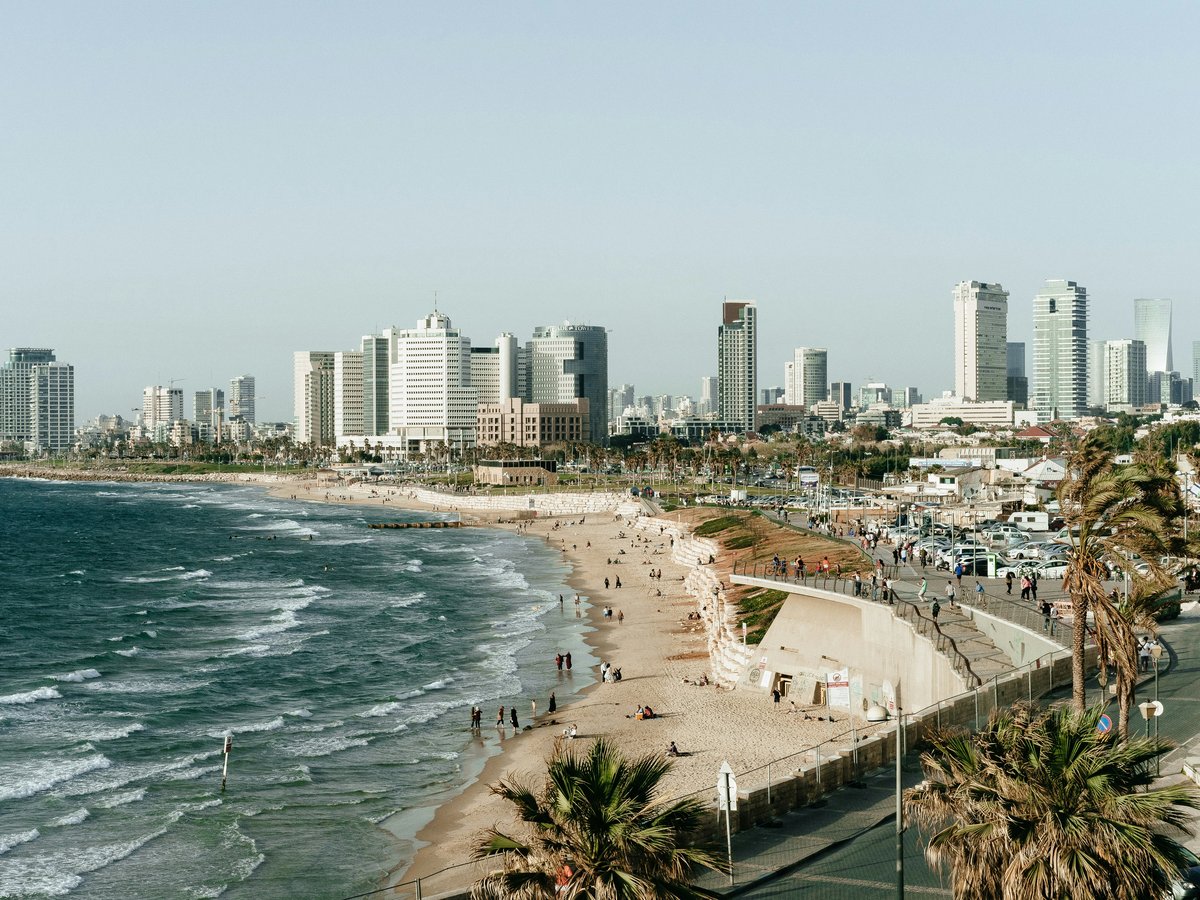
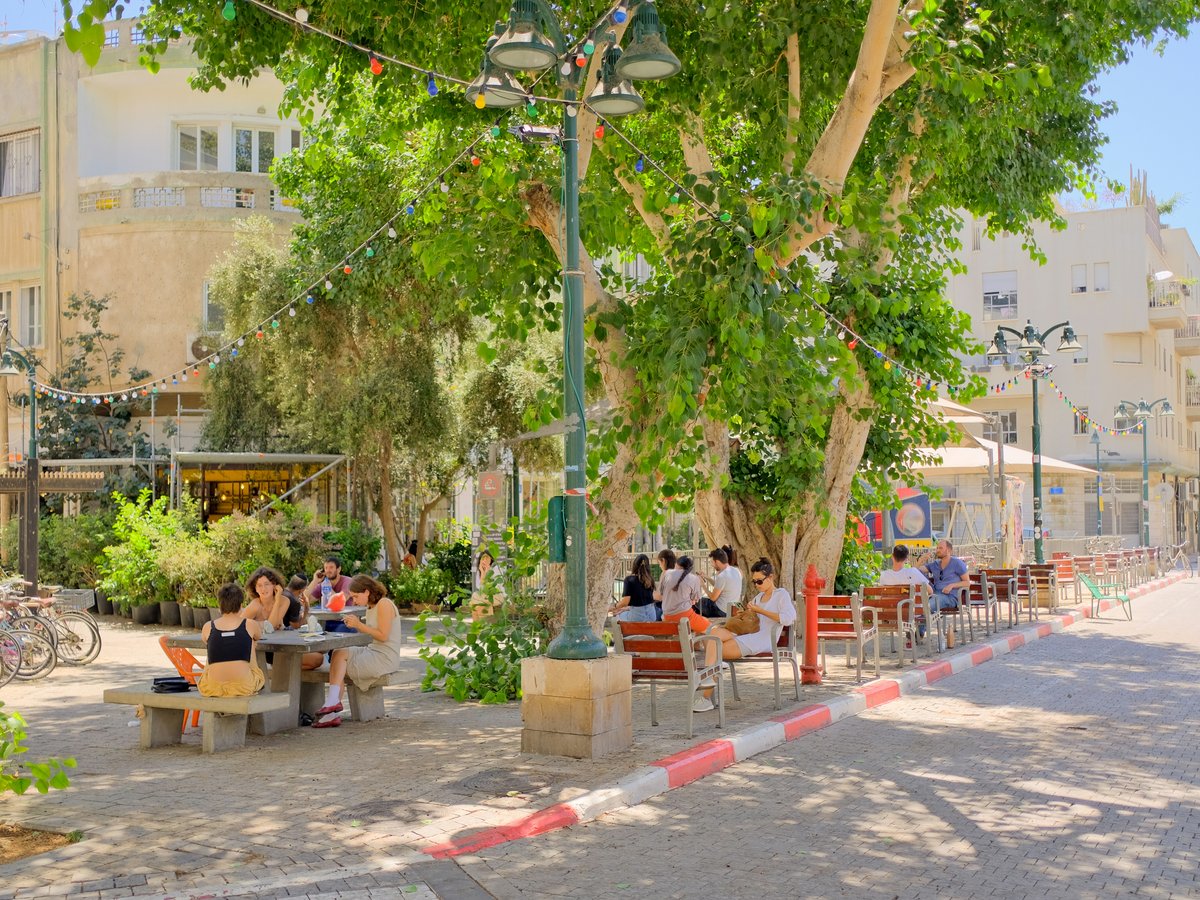
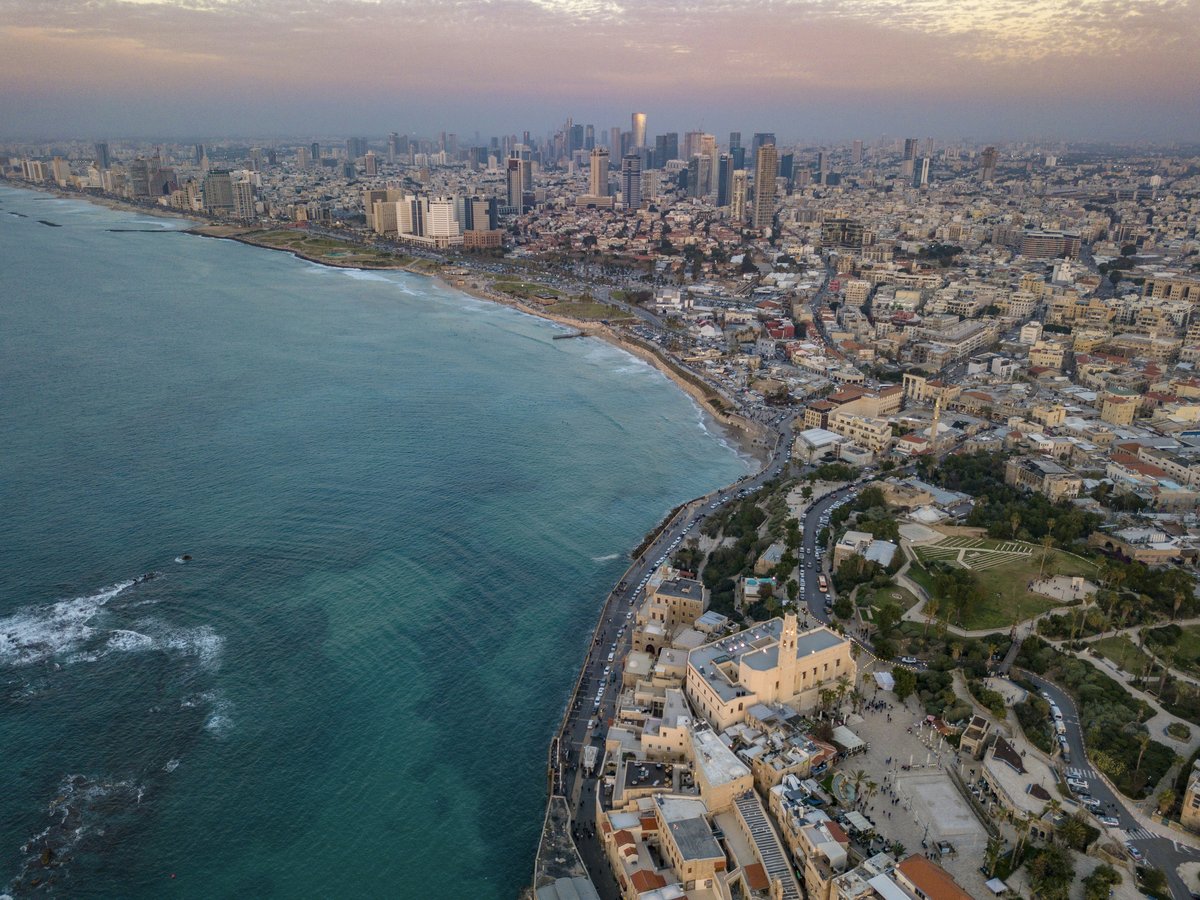
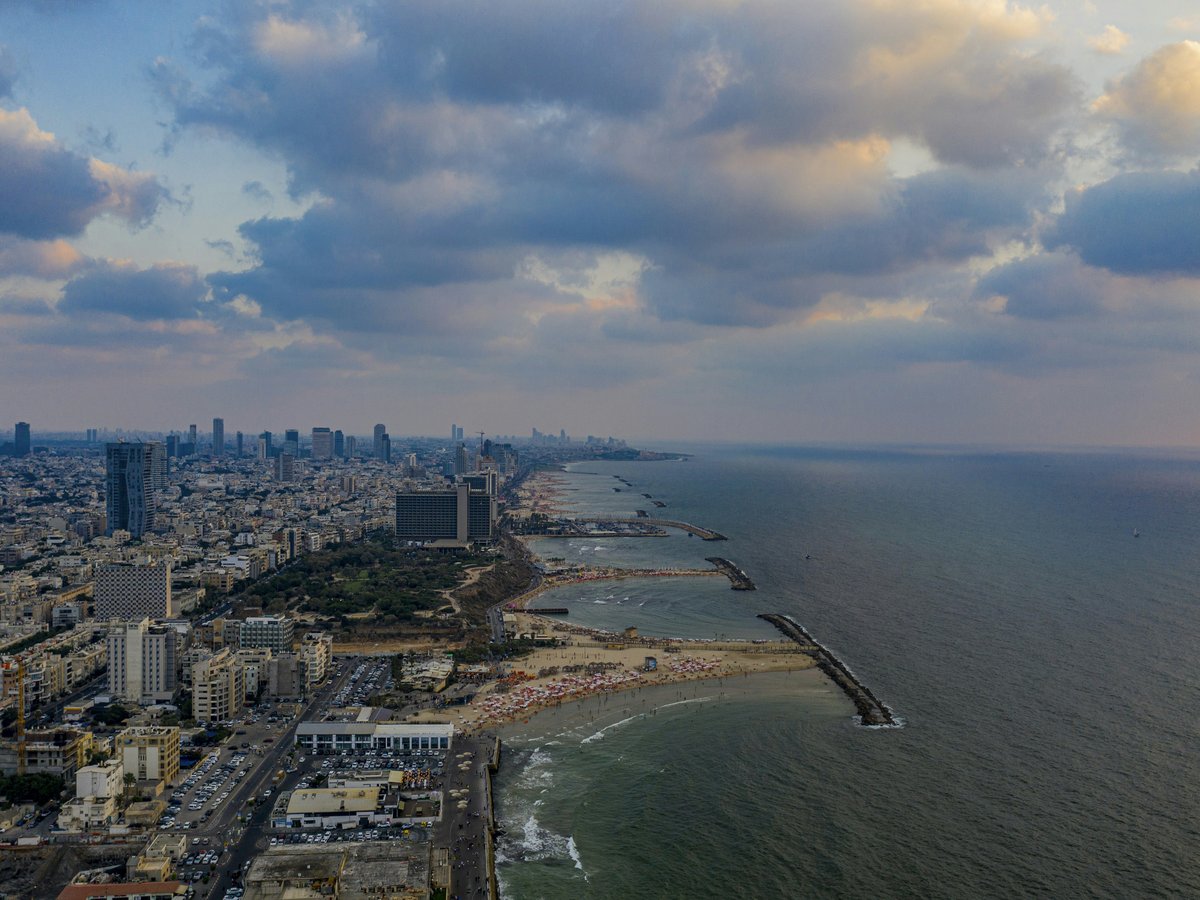
Tel Aviv sits on a 14-kilometre strip of Mediterranean coastline, a city that didn't exist before 1909 and now holds 460,000 residents in a density that makes every neighbourhood feel like it's pressing against the next. The Bauhaus buildings of the White City, the largest collection of International Style architecture anywhere on earth and a UNESCO World Heritage site since 2003, give the centre its particular low-slung, balconied character: peeling plaster and bougainvillea spilling over railings along Rothschild Boulevard, where the independence of the state was declared in 1948. A first visit tends to follow the water: the tayelet, the boardwalk that runs from the old port at the northern end south past Gordon Beach and Frishman Beach toward the ancient stone city of Jaffa, where the flea market spills through Ottoman-era alleyways and the fishing port still operates. Inland, the neighbourhoods sort themselves by mood. Florentin is tight streets and street art and cheap sabich from the window counters that stay open past midnight. Neve Tzedek, the oldest Jewish neighbourhood, predating Tel Aviv itself, is now the one with the galleries and boutique hotels. The Carmel Market (locals just say "the shuk") is where the city does its daily shopping: stacked towers of halva, bins of spices sold by weight, produce that reflects the climate, pomegranates and persimmons and dates depending on the season. The rhythm of the week here is shaped by Shabbat: the city mostly shuts down from Friday afternoon to Saturday evening, restaurants and public transport included, then reopens with a particular Saturday-night energy that is as close to a citywide tradition as anything. The heat matters. Between May and October, mornings start early and afternoons slow to a crawl, and the beaches fill by mid-morning because everyone who can be outside is outside before noon.
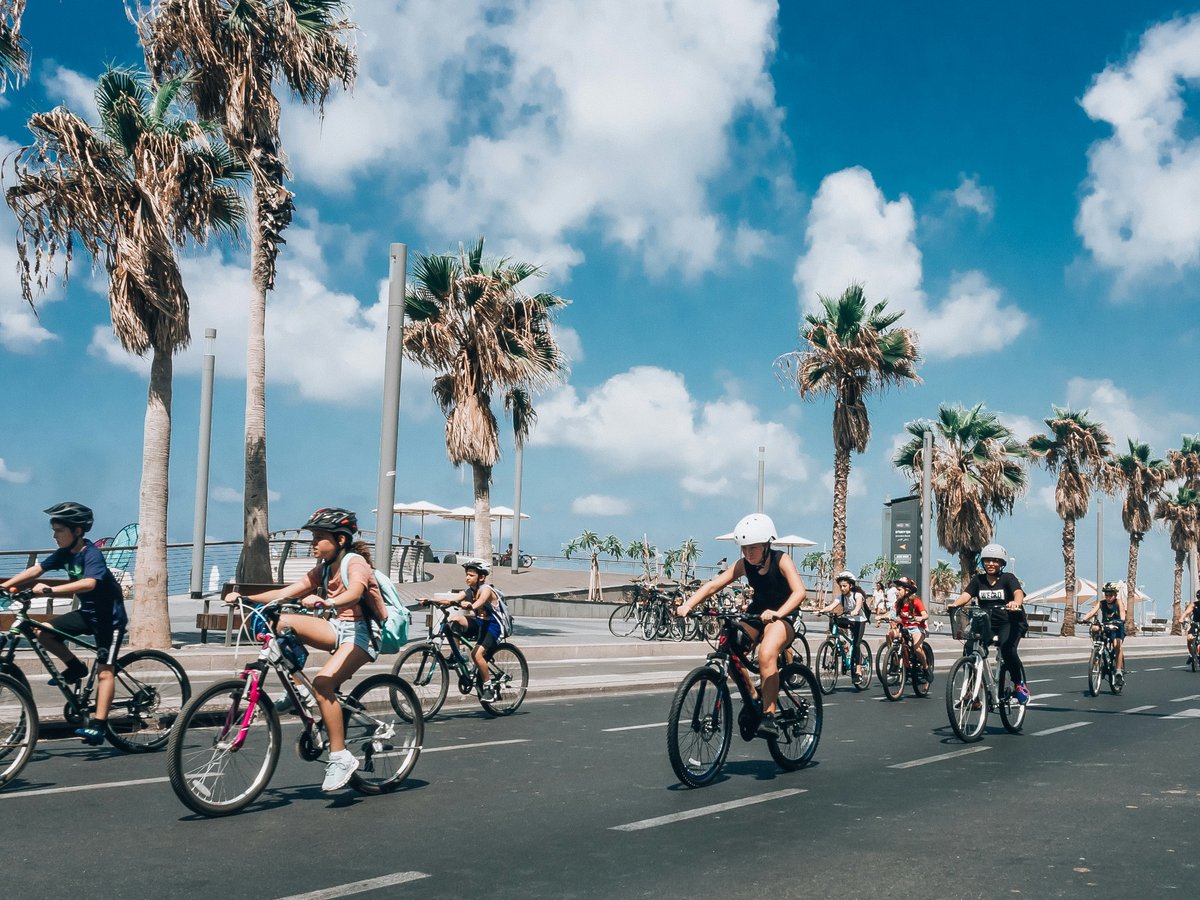
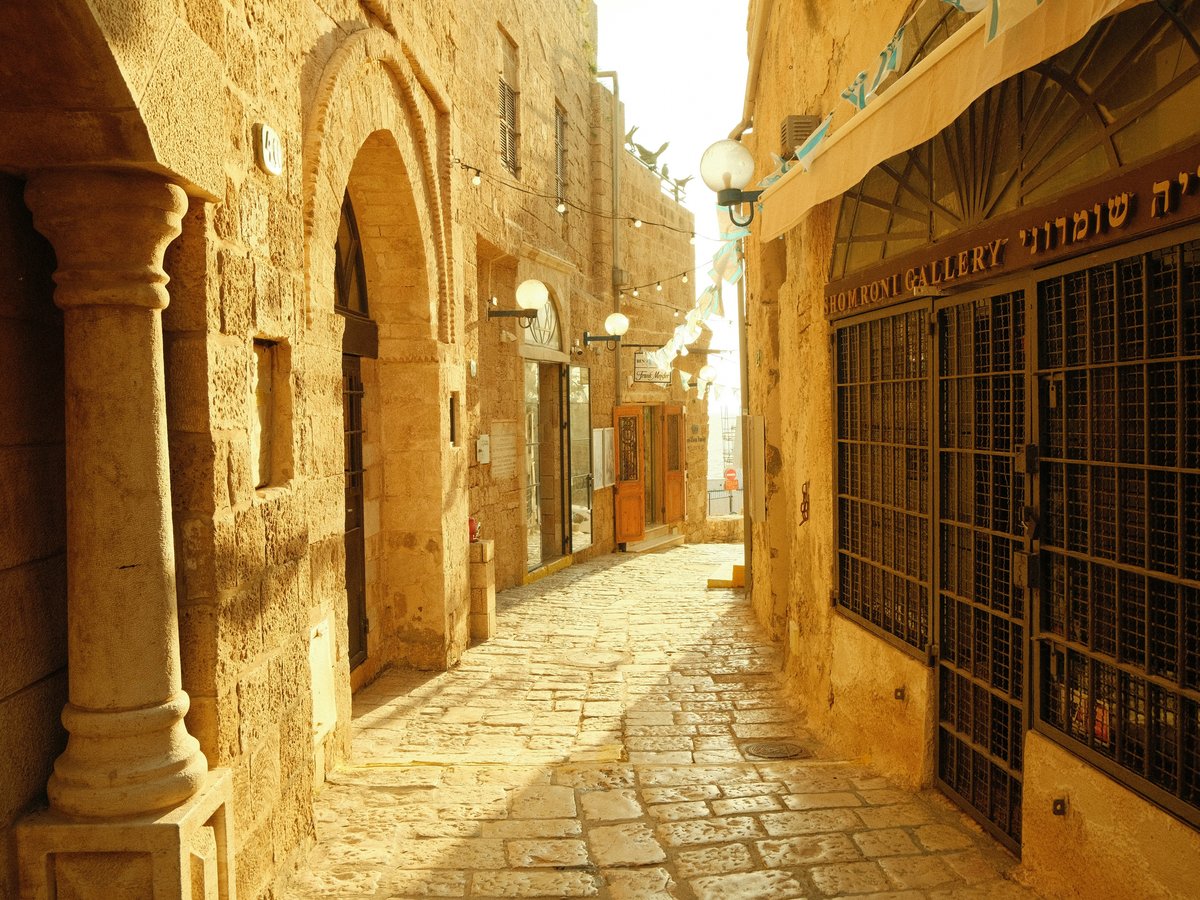
Tel Aviv in photos
Tel Aviv right now
Answers about Tel Aviv
-
Airport to city
Take the Israel Railways train from Ben Gurion (TLV) to Tel Aviv HaHagana station, 12 minutes, 13.5 ILS ($4.60). Trains run every 20 minutes but stop for Shabbat from Friday afternoon through Saturday evening. During Shabbat, a regulated taxi from Terminal 3 costs about 160 ILS ($54) to central Tel Aviv.
Read the full answer → -
Best time to visit
March through May and October through November. Spring highs sit around 24-27°C with almost no rain, and Tel Aviv's Mediterranean beaches are swimmable but not yet packed. Autumn brings similar temperatures after the Jewish holidays clear out. July and August reach 32-35°C with 75% humidity. A walk through Neve Tzedek or Jaffa's flea market feels punishing by noon.
Read the full answer → -
Cost per day
Tel Aviv runs ₪200-220 ($68-75) per day at the budget floor, covering a hostel dorm in Florentin, falafel and sabich lunches at ₪20-25, and Rav-Kav bus rides. Midrange spending lands near $170 with a boutique hotel and sit-down dinners. Luxury starts at $400. The city prices closer to Barcelona than to its Middle Eastern neighbors.
Read the full answer → -
Cultural etiquette
Tel Aviv is Israel's most secular city, but Shabbat still reshapes Friday afternoons. Buses stop, shops close early, and taxis carry surcharges. Security bag checks at malls and concert halls are routine. Israelis communicate with a directness that visitors from indirect cultures misread as rudeness. Tipping is expected at sit-down restaurants but not at street food counters.
Read the full answer → -
Best day trips
Jerusalem is the strongest single-day trip from Tel Aviv, 34 minutes by fast train from HaHagana to Yitzhak Navon station for 24 ILS each way. Caesarea (50 km north, 45 minutes by car) and Haifa (95 km, 1-hour train) both work comfortably without an overnight. The Dead Sea is doable but demands a 7am departure and a rental car for the 170 km drive south.
Read the full answer → -
Digital nomads
Tel Aviv scores 7.2/10 for digital-nomad suitability (sourced from TTDI's editorial rubric), pulled down by high living costs despite strong infrastructure. Fiber internet runs 100-500 Mbps in most apartments, and the startup ecosystem keeps coworking options plentiful across the city. Monthly all-in budget for a single nomad lands near $3,200, making Tel Aviv the priciest nomad base in the eastern Mediterranean.
Read the full answer → -
Family-friendly
Tel Aviv scores 8.2/10 for family friendliness (see the TTDI Family-Friendliness Index). The flat coastal grid is stroller-friendly, beaches have lifeguards from April through October, and Israeli cuisine like hummus, fresh pita, and bourekas tends to win over selective eaters. August humidity and Friday-to-Saturday Shabbat closures are the main planning factors.
Read the full answer → -
Food culture
Tel Aviv's food operates on a late schedule, with breakfast at 9:30am, dinner after 9pm, and a hard Shabbat shutdown Friday afternoon through Saturday evening. The best eating happens at Carmel Market and Levinsky Market before noon, in Jaffa's hummusiyot by early afternoon, and at street-food counters in Florentin after dark. Expect 25-55 ILS per dish at market level.
Read the full answer → -
Getting around
Walk and Gett ridehail cover most of central Tel Aviv. The Red Line light rail handles the north-south corridor from Petah Tikva into the city center, and Dan buses fill the gaps on a Rav-Kav smart card. Public transit stops Friday afternoon for Shabbat and resumes Saturday night. Budget about 50 ILS per day for mixed transport.
Read the full answer → -
How to get there
Ben Gurion International Airport (TLV), 19 km southeast of central Tel Aviv, handles all international traffic. Nonstop flights run from New York (11 hours on El Al and United), London (4.5 hours on BA), and 70+ European cities. The airport train reaches Tel Aviv HaHagana station in 12 minutes for about 14 ILS, under $5.
Read the full answer → -
Is it safe?
Tel Aviv scores 5.8/10 for solo-traveler safety (see the TTDI Solo-Safety Index). Street crime sits below most Western European capitals, but the geopolitical security situation, including periodic rocket sirens, pulls the rating down. Download the Pikud HaOref app before landing at Ben Gurion. Police emergency is 100, ambulance (Magen David Adom) 101.
Read the full answer → -
Language basics
Hebrew (Ivrit), written right-to-left in its own script. English proficiency in Tel Aviv's tourist zones runs about 8/10, the highest you'll find in the Middle East. Most restaurant menus, street signs along the beachfront, and transit apps include English. Learn 'toda' (thank you) and 'slicha' (excuse me). Those two cover 80% of daily interactions.
Read the full answer → -
Layover guide
Yes, on 7 hours or more. Ben Gurion Airport connects to central Tel Aviv by direct rail in under 20 minutes, but Israeli departure security requires a 3-hour pre-flight buffer. Most Western passports enter visa-free. Jaffa and Carmel Market fit a tight window. Trains stop for Shabbat on Friday afternoons.
Read the full answer → -
Where locals go
Tel Avivians eat behind Carmel Market on HaKovshim Street, not along the beachfront promenade. Florentin south of Allenby draws the under-35 tech crowd to cafes that tolerate laptops past noon. Thursday nights on the Dizengoff corridor between Frishman and Gordon fill sidewalk tables by 9pm. Friday mornings at Levinsky Market are the pre-Shabbat local peak.
Read the full answer → -
Must-see
Old Jaffa, the 4,000-year-old port at Tel Aviv's southern tip. The limestone alleys, the fishing harbor, and the view back across the coastline toward the modern city give you the single image that makes Tel Aviv make sense. Come after 4pm when the afternoon heat drops and the light hits the stone walls at a warm angle. No reservation needed.
Read the full answer → -
Solo travel
Tel Aviv scores a 6/10 for solo travelers. The TTDI solo-traveler safety score sits at 5.8/10 (see the TTDI Solo-Safety Index), weighted by regional security volatility, but the social infrastructure overperforms. No-reservation dining norms, free hostel events, and a bar culture where sitting alone draws conversation mean isolation takes effort. The security dimension needs honest planning, not dismissal.
Read the full answer → -
This week
Tel Aviv's week revolves around Shabbat, when Friday-to-Saturday transit and shops shut down. Sunday is a normal workday. Carmel Market runs daily except Saturday. Thursday and Saturday nights are the main going-out nights, with Florentin and Rothschild bars open past 2am. Heat and humidity make mornings before 9am the best walking window.
Read the full answer → -
3-day itinerary
Day 1 in Jaffa on foot, starting with hummus at Abu Hassan by 10 AM and ending at sunset on the port. Day 2 walks central Tel Aviv from Shuk HaCarmel through the Bauhaus White City to the Tel Aviv Museum of Art. Day 3 heads north to the Eretz Israel Museum, Beit Hatfutsot, and the beaches near the old port. About 25 km of walking across three days.
Read the full answer → -
What to avoid
Skip the tourist restaurants at Old Jaffa's port, taxis without the meter from Ben Gurion Airport, and beachfront eateries along the tayelet charging double what you'd pay two streets inland. Don't drive in Tel Aviv. August heat and humidity make midday walking between Florentin and Neve Tzedek feel like wading through warm soup. Save outdoor sightseeing for early morning or after 5pm.
Read the full answer → -
What to pack
Pack walking shoes that grip on stone (Jaffa's alleys are polished smooth), a Type H plug adapter (Israel's 3-pin socket fits nothing else), a wide-brim sun hat, and modest clothing if you plan to day-trip to Jerusalem. Tel Aviv itself is sandals-and-shorts casual. Buy sunscreen and Dead Sea skincare at Super-Pharm for less than Western prices.
Read the full answer → -
Where to stay
Stay on or near Rothschild Boulevard in Lev Ha'Ir for a first visit. You're a 10-minute walk from Frishman Beach, 8 minutes from Carmel Market, and on top of the city's best restaurant density. Budget $120-200 for a mid-range hotel. Neve Tzedek runs pricier at $200-350 but puts you closer to Jaffa's port.
Read the full answer →
Deep guides for Tel Aviv
-
Best Time to Visit Tel Aviv, by Season
Five-year daily-observation averages show Tel Aviv swinging from February's 17.6°C high to August's 31.8°C peak, a 14-degree range that creates two different cities depending on when you book.
Read the guide → -
Tel Aviv Restaurants: What's Worth It
Tel Aviv eats late, eats often, and argues about all of it. Twelve restaurants from a 24/7 French brasserie on Ibn Gvirol to a 6-hour hummus kitchen on Ben Yehuda, sorted into two tiers with a verdict on each standout. Skip the beachfront terraces. These addresses are where the city actually eats.
Read the guide →
Curated lists for Tel Aviv
accommodation
-
Best boutique hotels
Tel Aviv stretches along the Mediterranean coast in a thin band of neighborhoods that shift character block by block, and where you stay shapes the trip more than which hotel you choose. The beachfront promenade runs from the old port in the north through the high-rise core and down past the flea market quarter into ancient Jaffa, with most boutique inventory clustered within a few streets of that shoreline. Inland, tree-lined boulevards like Rothschild and Ibn Gabirol cut through quieter residential pockets where Bauhaus facades sit above ground-floor cafes. The city's light-rail and bus grid connects the center to outlying quarters, but the walkable core is compact enough that many visitors never board transit at all. Neighborhoods carry real price gradients: the same walking radius to restaurants and bars costs meaningfully less a few blocks inland than on the beachfront. The densest hotel clusters sit at the center, thinning toward the residential and historic edges, where inventory drops but the street-level character sharpens.
See the picks → -
Best hostels
Tel Aviv splits into coastal strips and inland grids, and the hostel inventory follows the same line. The beachfront neighborhoods south of the old port concentrate budget beds within earshot of the Mediterranean, while the city center trades sea breeze for transit connections and market access. Three neighborhoods carry nearly all the hostel stock worth booking: Neve Tzedek along the southern waterfront, the downtown grid near the central bus station, and the port district at the city's northern edge. Price floors run from $30 a night in the port to $61 near Neve Tzedek's beach, which says less about quality than about which stretch of coastline you wake up on. The gap between the cheapest and most expensive hostel bed in the city is roughly one good dinner, so the real decision is not budget: it is whether you want market noise or surf noise outside the window. Hostels here lean toward the pod and capsule model rather than the party-dorm style common in Southeast Asia, and even the lowest-rated option on this list scores a 7.8 on Trip.com. Pick your neighborhood by what you plan to do before noon, not by where you plan to sleep.
See the picks → -
Best luxury hotels
Tel Aviv's luxury hotels line the waterfront and the streets just behind it, concentrated in a city where the beach is not a backdrop but the infrastructure. The corridor is competitive: a dozen properties at the luxury tier, all targeting the same traveler who wants sand, a pool, and a lobby bar that stays open past midnight. What separates them is specific. One has tennis courts and windsurfing storage. Another offers butler service and an indoor pool. A third sits off the waterfront entirely, on a different boulevard with a different rhythm. Rates and guest scores vary enough that choosing the wrong property means paying more for less, and the right choice depends on whether you came for the surf, the spa, or the breakfast. These 12 are the ones worth knowing.
See the picks → -
Where to stay
Tel Aviv spreads its hotel inventory along a narrow coastal strip, and the neighborhood you book determines whether you wake to the muezzin echoing from Jaffa's clock tower or the construction cranes of the Sarona redevelopment. Most first-time visitors default to the beachfront high-rises, which stack rooms above the Tayelet promenade but strand you a long cab ride from the flea markets and Bauhaus courts that define the city's character. The smarter question is walking radius: what do you reach on foot, and what needs a bus or scooter? The density sits in two clusters. The city center and its near-south neighborhoods, from Neve Tzedek to the American-German Colony, hold the deepest inventory across budget, mid-range, and luxury tiers. North of the Yarkon River, Herzliya B pulls business travelers and conference traffic away from the noise. Between them, areas like Manshiya and the Promenade give you the waterfront without the center's taxi-horn soundtrack. Prices run wider than most Mediterranean cities. A pod bed near the Carmel Market starts at $60 a night; a suite overlooking the marina runs to $766. The mid-range sits between $110 and $200, and that band holds the best value if you pick the right street. What follows ranks 10 neighborhoods by hotel density, names the strongest pick at each tier, and tells you what the area trades for what it keeps.
See the picks →
attractions
-
Best free attractions
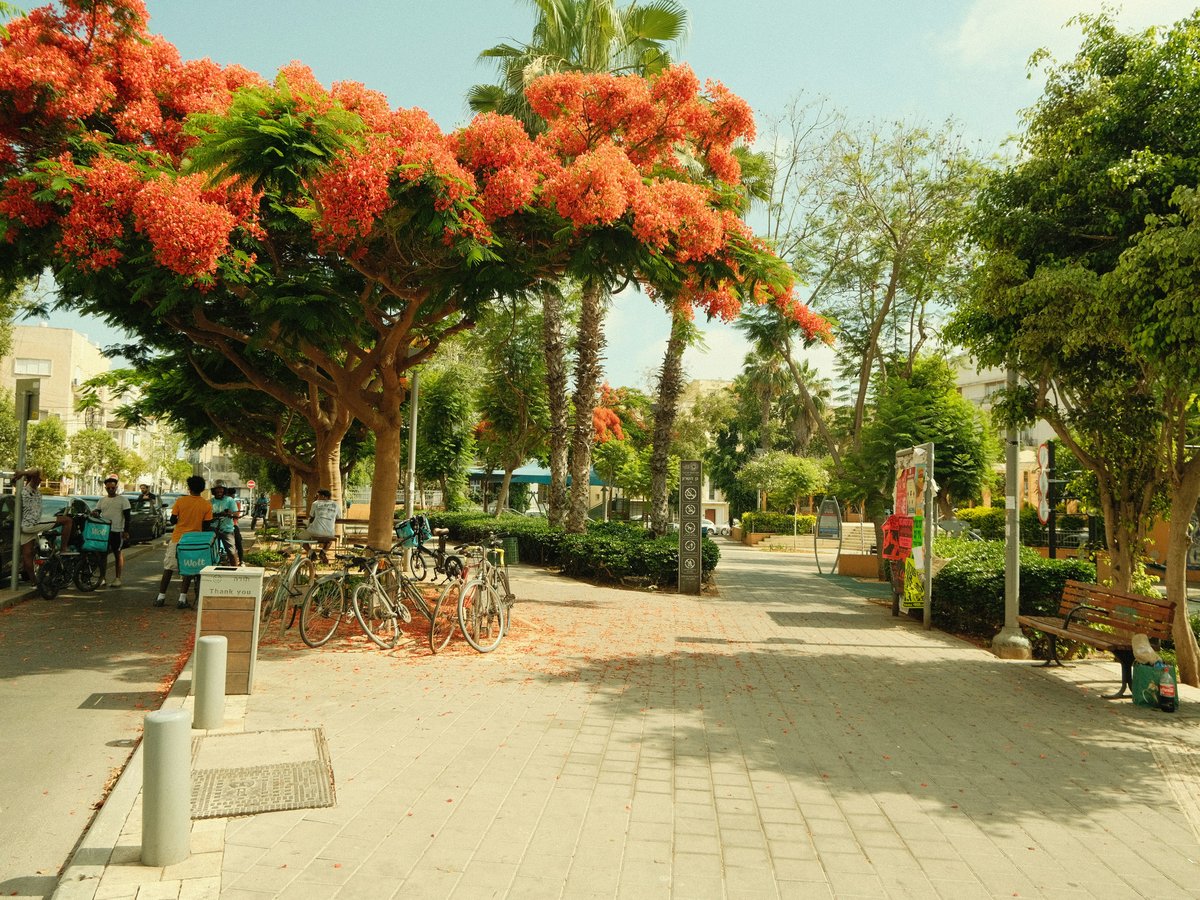
Free in Tel Aviv means the city's public rooms: the squares where the arguments happen, the parks where the weekends unspool, the plazas that carry a date on the calendar. This is a coast that lives outdoors, and much of what makes the place itself costs nothing: a bench at a fountain, a lawn along a river, a paved circle where a protest becomes a concert becomes a memorial. The 12 below are the public spaces that reward a visitor's hour without a ticket, mapped from Jaffa's edge up to the university's northern gardens. Some are civic: the squares where the country talks to itself. Some are horticultural or riverine, the green lungs a dense Mediterranean city needs to keep breathing. A few carry recent grief on their pavements; one is a reclaimed dump; several are just a good place to stand at dusk and watch Tel Aviv be Tel Aviv. Skip the tourist-strip cafés looking for atmosphere and go to where the city already keeps its own: outdoors, at street level, for free.
See the picks → -
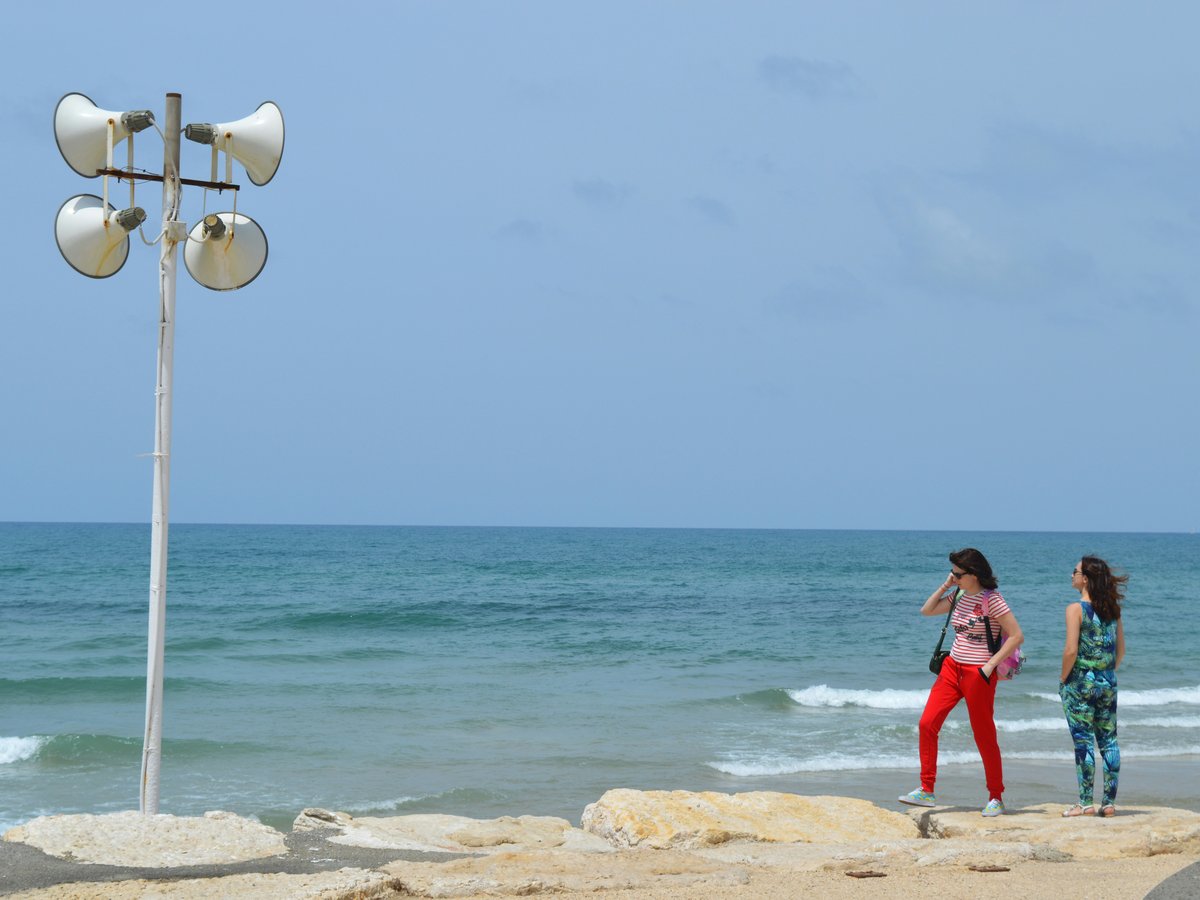
Best museums
Tel Aviv's museum culture is packaged for the walker, not the tour bus. The city holds a full-spectrum programme inside a compact grid: a flagship art museum, an archaeological campus, a working cinematheque, a dedicated design museum, a small private Bauhaus collection, and a run of house museums pinned to the streets whose named subjects gave them their identity. Two of the 12 venues below step out beyond the central grid; both are worth the taxi. Between them the list covers art, archaeology, cinema, design, Bauhaus, and a Babylonian Jewish archive. This is a working city's museum list, not a curator's greatest-hits reel. Skip the packaged tour itineraries; the 12 entries below read best as a neighbourhood map: by address, hour and reason to go, one paragraph at a time.
See the picks → -
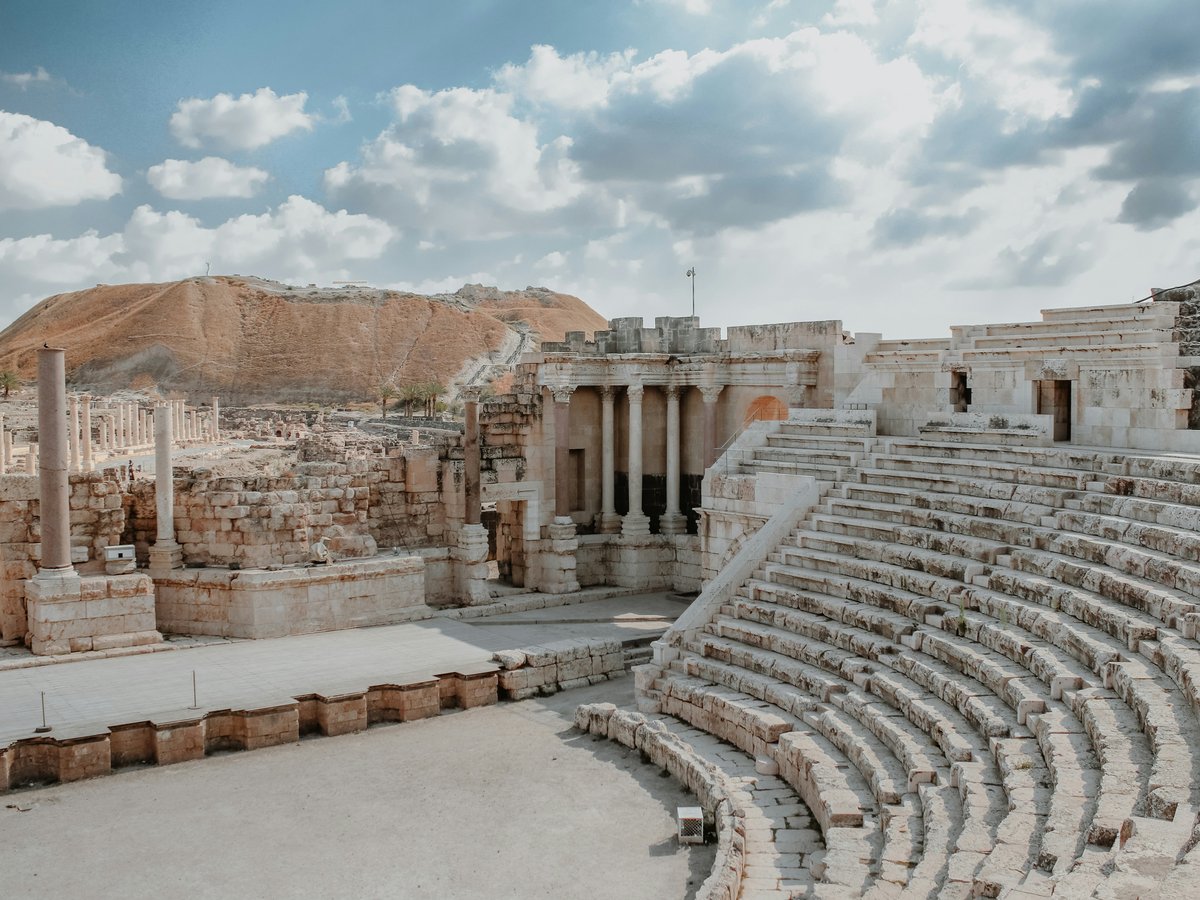
Must-see attractions
Tel Aviv's must-see list is not a monument crawl. The city is barely older than its grandparents, and what it asks a visitor to see is the seam between an old port that predates the Bible and a Bauhaus grid drawn up in a hurry: a Franciscan sanctuary in Jaffa, a Lutheran church a few streets uphill, a national theatre and an opera house within a short walk of each other, a cemetery on a residential street where the country's early poets and mayors are buried under the same white stones. The twelve below are chosen for that seam: places where the city argues with itself. Some are stages, some are sanctuaries, one is an arena, one is a clock tower you have already seen in a photograph. Treat the list as a route through the argument, not a checklist of attractions.
See the picks →
food
-
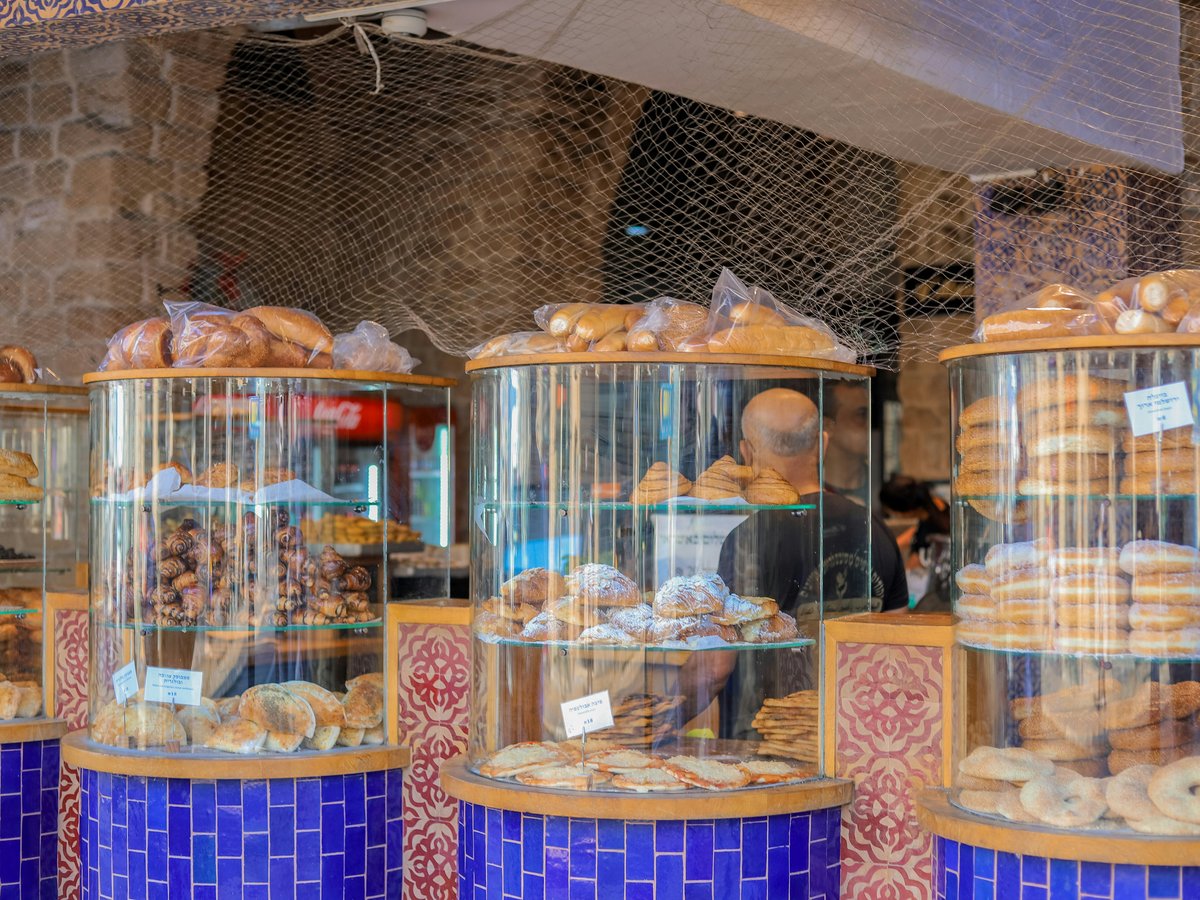
Best cafes
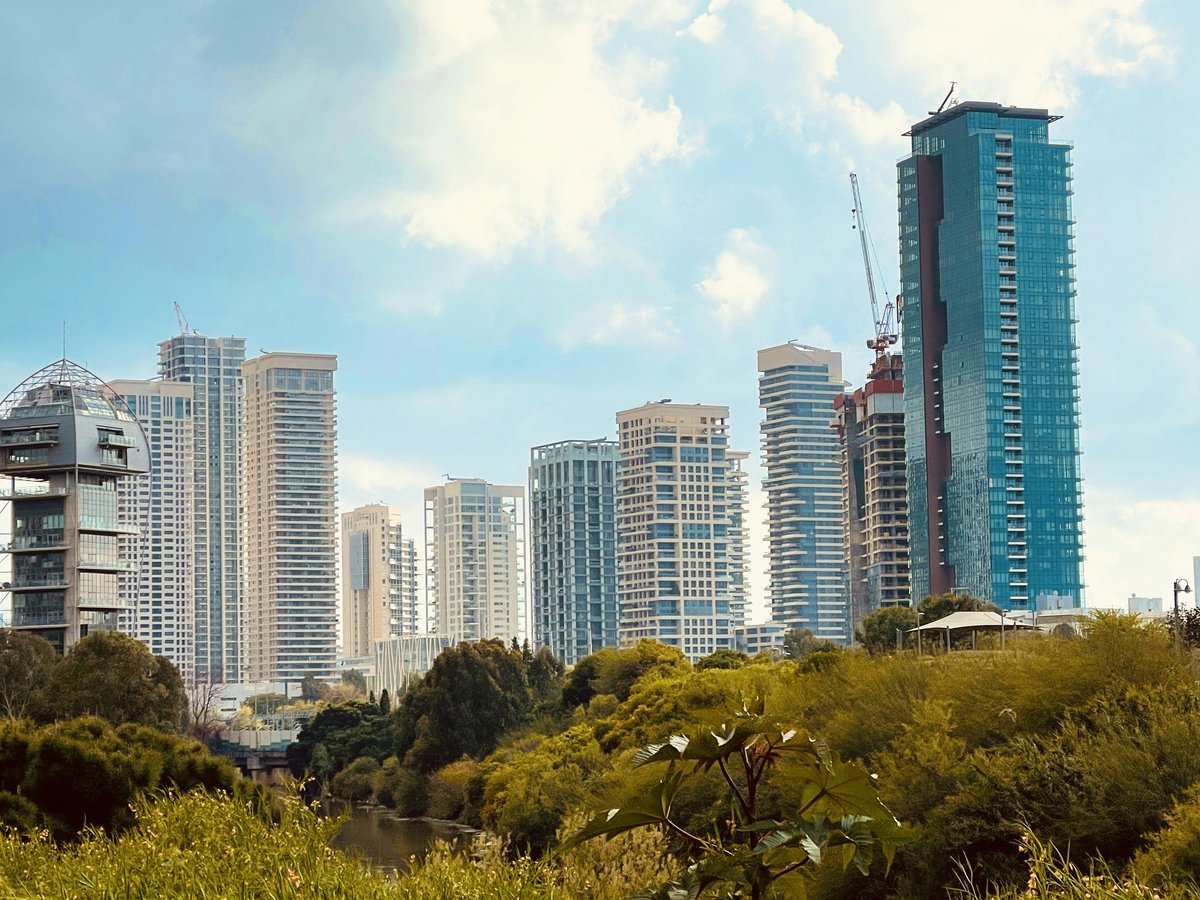
Tel Aviv drinks coffee the way it does everything else: early, loudly, and without much patience for ceremony. The cafes below are not curated for latte-art tourists: they are the addresses a local editor would send you to if you asked where to eat a bagel before the beach, where to sit with a laptop until the light changes on Dizengoff, and where a Rothschild breakfast is still worth the queue. Some are one-off kitchens with a single street number; others carry a name you will see on more than one corner in this city, and earn their slot here on what happens at THIS address, not the logo above the door. The list runs north from the Yarkon down to Florentin and east across Ibn Gvirol to the Alon towers, so read it as a map as much as a menu. Hours are OSM-clean and worth trusting; phone numbers are for reservations you probably do not need but might want on a Friday. Twelve rooms, twelve reasons to sit down.
See the picks → -
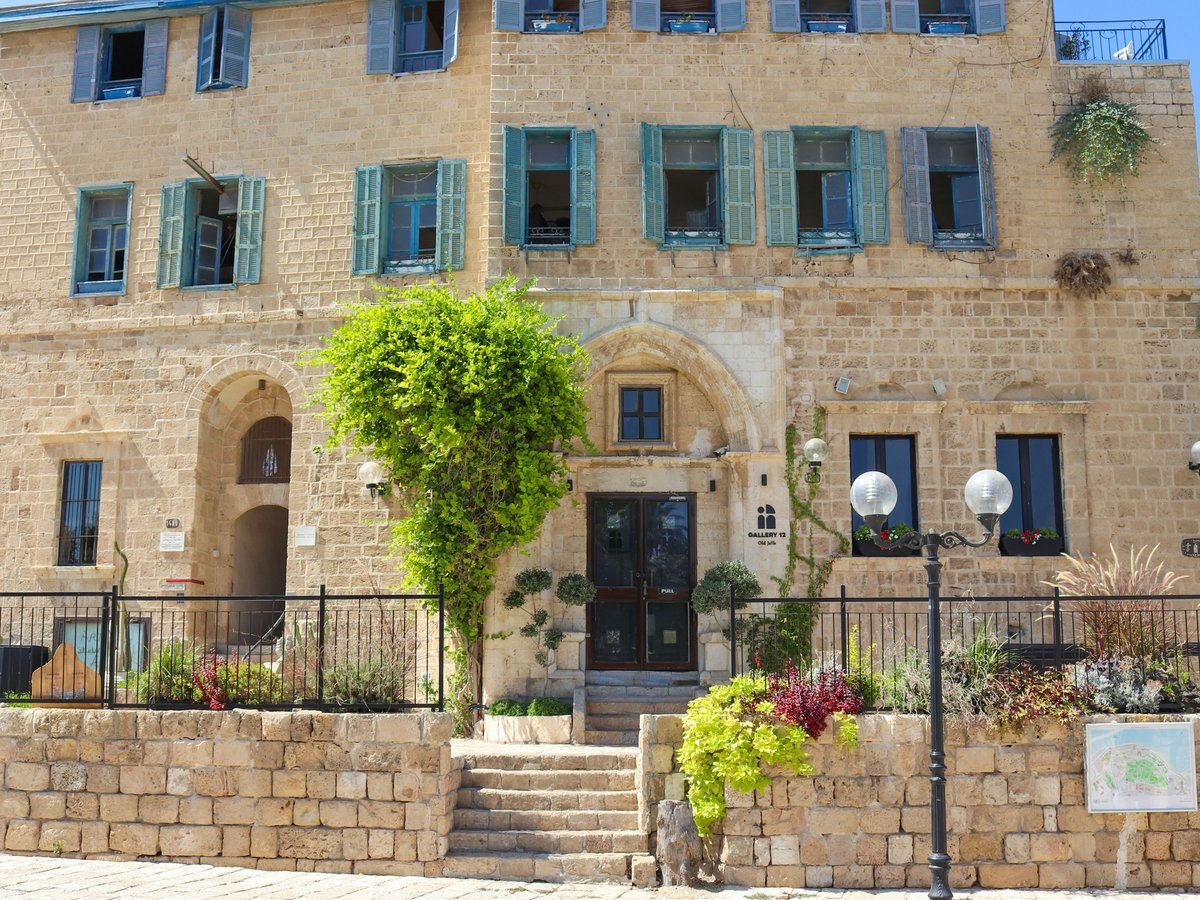
Best restaurants
Tel Aviv eats late and eats often. The city does not have one cuisine; it has a coastline, a Levantine pantry, waves of immigration, and a long argument about what to do with all of it. What follows is twelve restaurants worth planning a day around: a French brasserie that never closes, a fish counter that runs on ice and lemon, a sushi room off a boulevard, a hummus kitchen that shuts at 17:00, a pasta room that splits its day at King George, a burger grill at the north end of Dizengoff, an Italian bistro on Bograshov, a burger service that never goes dark, an Italian dining room on Kaplan that closes cleanly at 22:00, an all-day breakfast kitchen on Kalman Magen, a Mediterranean room on Ha'Arba'a that runs to 02:00, and a serious grill on a quiet Jaffa-side block. Skip the beachfront terraces built for cruise passengers; the addresses below are where the city eats.
See the picks →
Browse by traveler type
- For foodies
Tel Aviv for foodies
- For families with kids
Tel Aviv for families
- For digital nomads
Tel Aviv for digital nomads
- For solo travelers
Tel Aviv for solo travelers
- For couples
Tel Aviv for couples
- For budget travelers
Tel Aviv on a budget
- For luxury travelers
Tel Aviv for luxury travelers
- For first-timers
Tel Aviv for first-time visitors
Book experiences in Tel Aviv
 Free cancellation
 Masada and the Dead Sea Day Trip from Tel Aviv
Day trip: 12 hours, free cancellation.
via Viator Free cancellation
 Nazareth and the Sea of Galilee Day Trip from Tel Aviv
Day trip: 10 hours, free cancellation.
via Viator
Jerusalem Private Tour | Official Licensed Guide
Day trip: 8 hours.
via Viator Free cancellation
 Best of Tel Aviv, Jaffa & Carmel Market Tour
Day trip: 6 hours, free cancellation.
via Viator Free cancellation
 Best of the West Bank Tour from Tel Aviv
Day trip: 12 hours, free cancellation.
via ViatorBrowse by interest
Find a flight to Tel Aviv
Live fares to Tel Aviv appear here once cookies are accepted.
Last verified by automated review (v1.7.2) on . What is automated review?