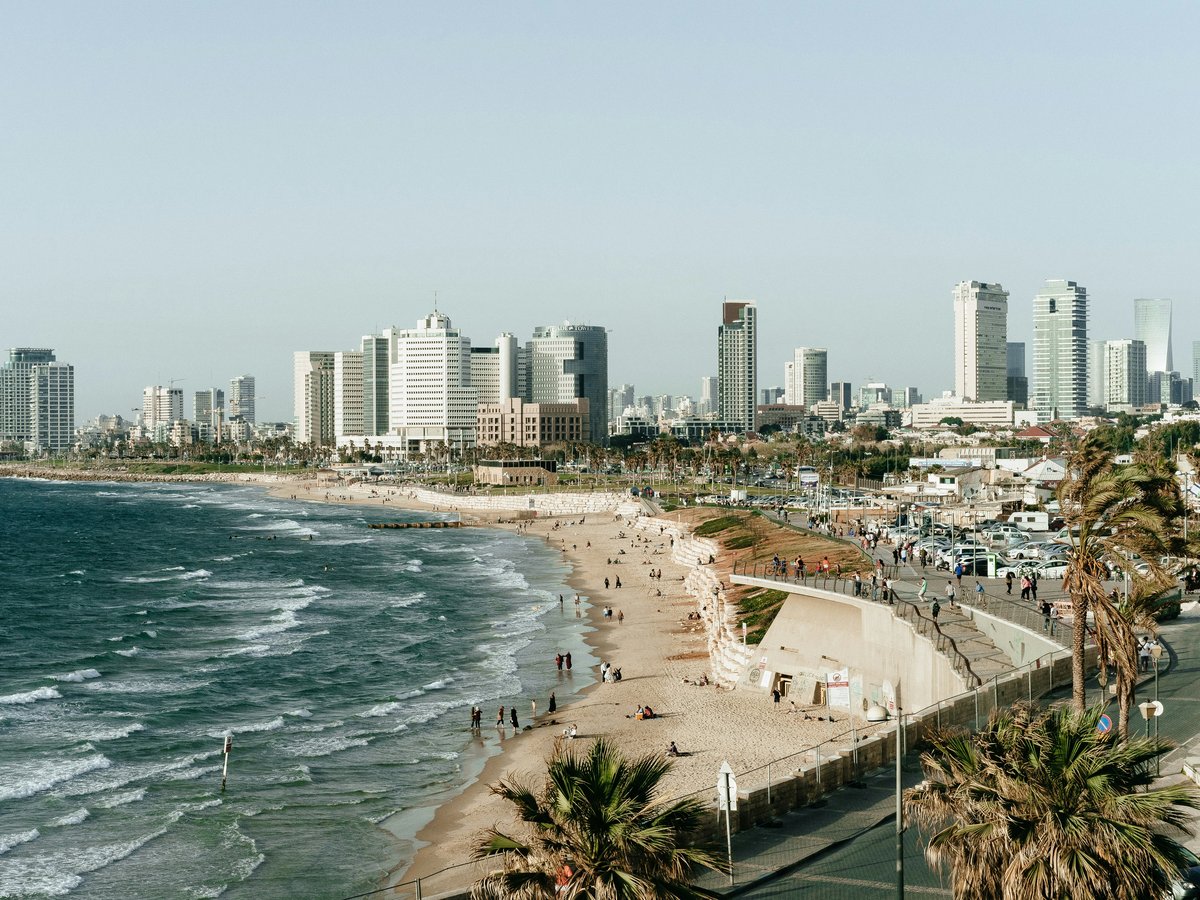
Tel Aviv for first-time visitors
Trumpeldor cemetery is the founders' cemetery, kept as a working plot on a residential street. The earliest of the picks for first-time visitors in Tel Aviv opens at midnight and the latest closes at 02:00.
Tel Aviv for first-timers, in numbers
- Picks on this page
- 24 places across 2 lists, led by Trumpeldor cemetery, ZOA House, Habima Theatre
- Posted hours
- 10 picks post hours earliest 00:00, latest 02:00; 3 open by 09:00, 10 past 21:00
Questions first-timers ask about Tel Aviv
-
Must-see
Old Jaffa, the 4,000-year-old port at Tel Aviv's southern tip. The limestone alleys, the fishing harbor, and the view back across the coastline toward the modern city give you the single image that makes Tel Aviv make sense. Come after 4pm when the afternoon heat drops and the light hits the stone walls at a warm angle. No reservation needed.
Read the full answer → -
Best time to visit
March through May and October through November. Spring highs sit around 24-27°C with almost no rain, and Tel Aviv's Mediterranean beaches are swimmable but not yet packed. Autumn brings similar temperatures after the Jewish holidays clear out. July and August reach 32-35°C with 75% humidity. A walk through Neve Tzedek or Jaffa's flea market feels punishing by noon.
Read the full answer → -
Airport to city
Take the Israel Railways train from Ben Gurion (TLV) to Tel Aviv HaHagana station, 12 minutes, 13.5 ILS ($4.60). Trains run every 20 minutes but stop for Shabbat from Friday afternoon through Saturday evening. During Shabbat, a regulated taxi from Terminal 3 costs about 160 ILS ($54) to central Tel Aviv.
Read the full answer → -
How to get there
Ben Gurion International Airport (TLV), 19 km southeast of central Tel Aviv, handles all international traffic. Nonstop flights run from New York (11 hours on El Al and United), London (4.5 hours on BA), and 70+ European cities. The airport train reaches Tel Aviv HaHagana station in 12 minutes for about 14 ILS, under $5.
Read the full answer → -
Getting around
Walk and Gett ridehail cover most of central Tel Aviv. The Red Line light rail handles the north-south corridor from Petah Tikva into the city center, and Dan buses fill the gaps on a Rav-Kav smart card. Public transit stops Friday afternoon for Shabbat and resumes Saturday night. Budget about 50 ILS per day for mixed transport.
Read the full answer →
Curated for first-timers
-
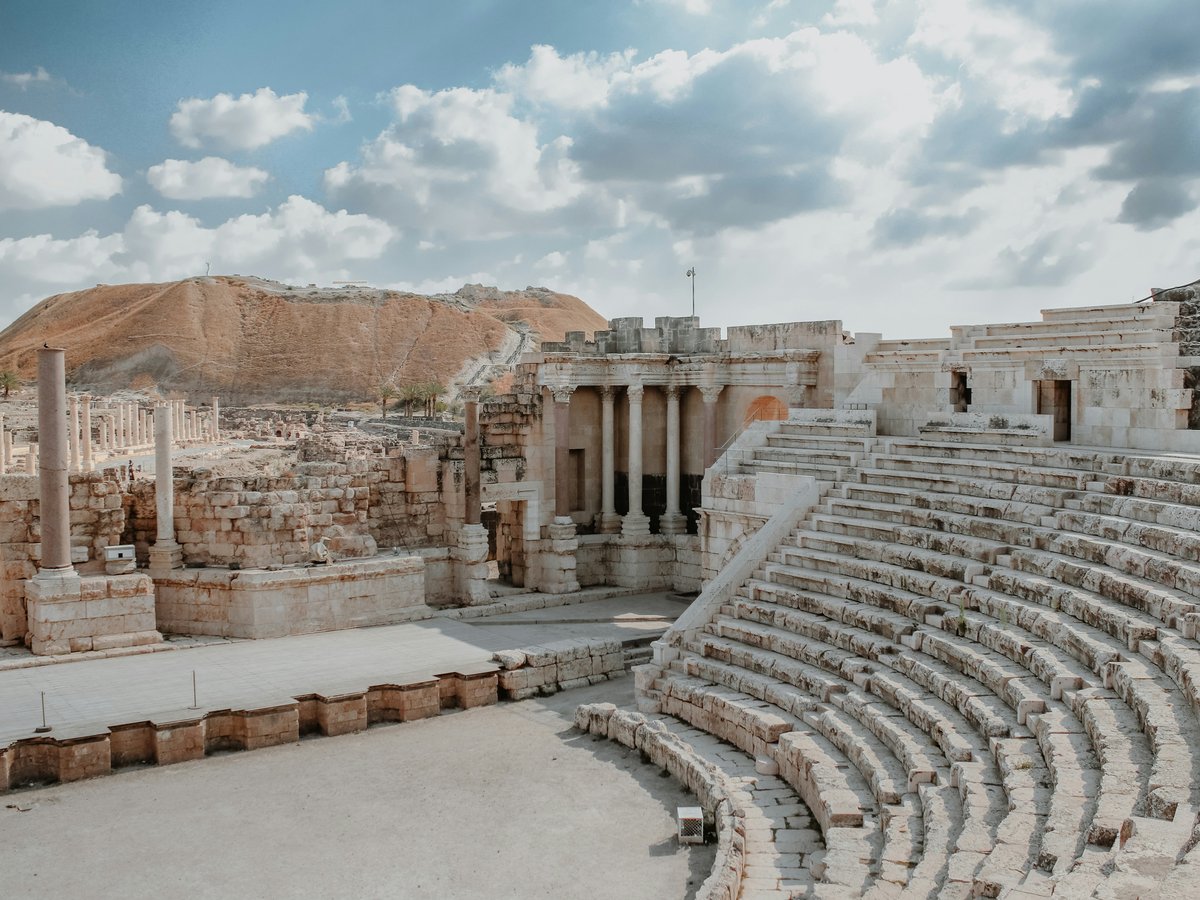
Must-see attractions
Tel Aviv's must-sees are less about one headline monument than about layers, and this list is built to show them. In Jaffa, Al-Bahr Mosque dates from 1675 and St. Peter's Church from 1893; on the modern side, Habima Theatre, the national theatre of Israel, dates from 1917 and the Tel Aviv Performing Arts Center, an opera house, from 1994. The Arab-Hebrew Theater, an Arab and Hebrew theatre in Tel Aviv, gives the city a stage where two languages share a house. For a longer outing there are two ruins: Arsuf is a castle ruin and Antipatris is an ancient human settlement. This list is for travelers who want more than a beach. Expect houses of worship, a heritage-listed cemetery and two serious stages. Dress for the mosques, churches and synagogue, book theatre seats ahead, and leave the sand for the evening.
See the picks → -
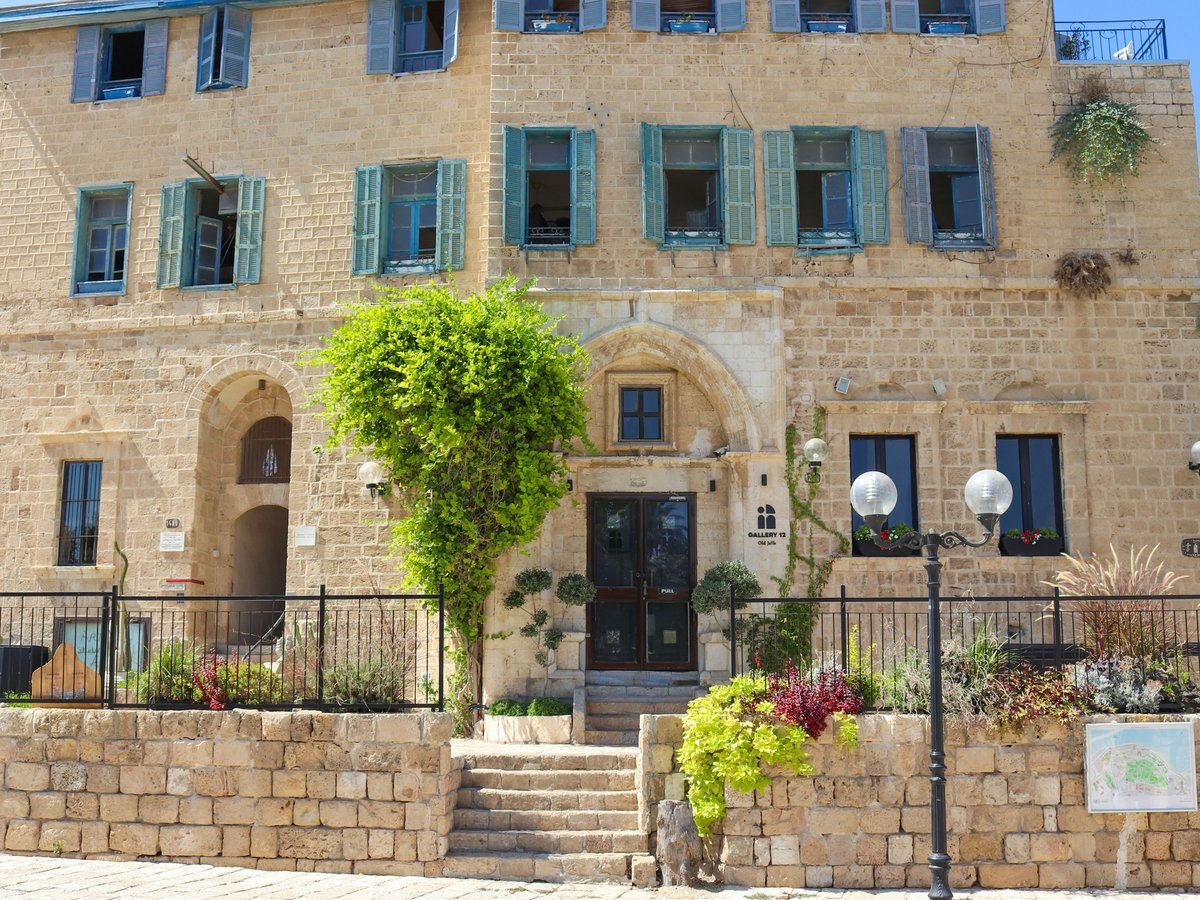
Best restaurants
Tel Aviv eats late and eats often. The city does not have one cuisine; it has a coastline, a Levantine pantry, waves of immigration, and a long argument about what to do with all of it. What follows is twelve restaurants worth planning a day around: a French brasserie that never closes, a fish counter that runs on ice and lemon, a sushi room off a boulevard, a hummus kitchen that shuts at 17:00, a pasta room that splits its day at King George, a burger grill at the north end of Dizengoff, an Italian bistro on Bograshov, a burger service that never goes dark, an Italian dining room on Kaplan that closes cleanly at 22:00, an all-day breakfast kitchen on Kalman Magen, a Mediterranean room on Ha'Arba'a that runs to 02:00, and a serious grill on a quiet Jaffa-side block. Skip the beachfront terraces built for cruise passengers; the addresses below are where the city eats.
See the picks →