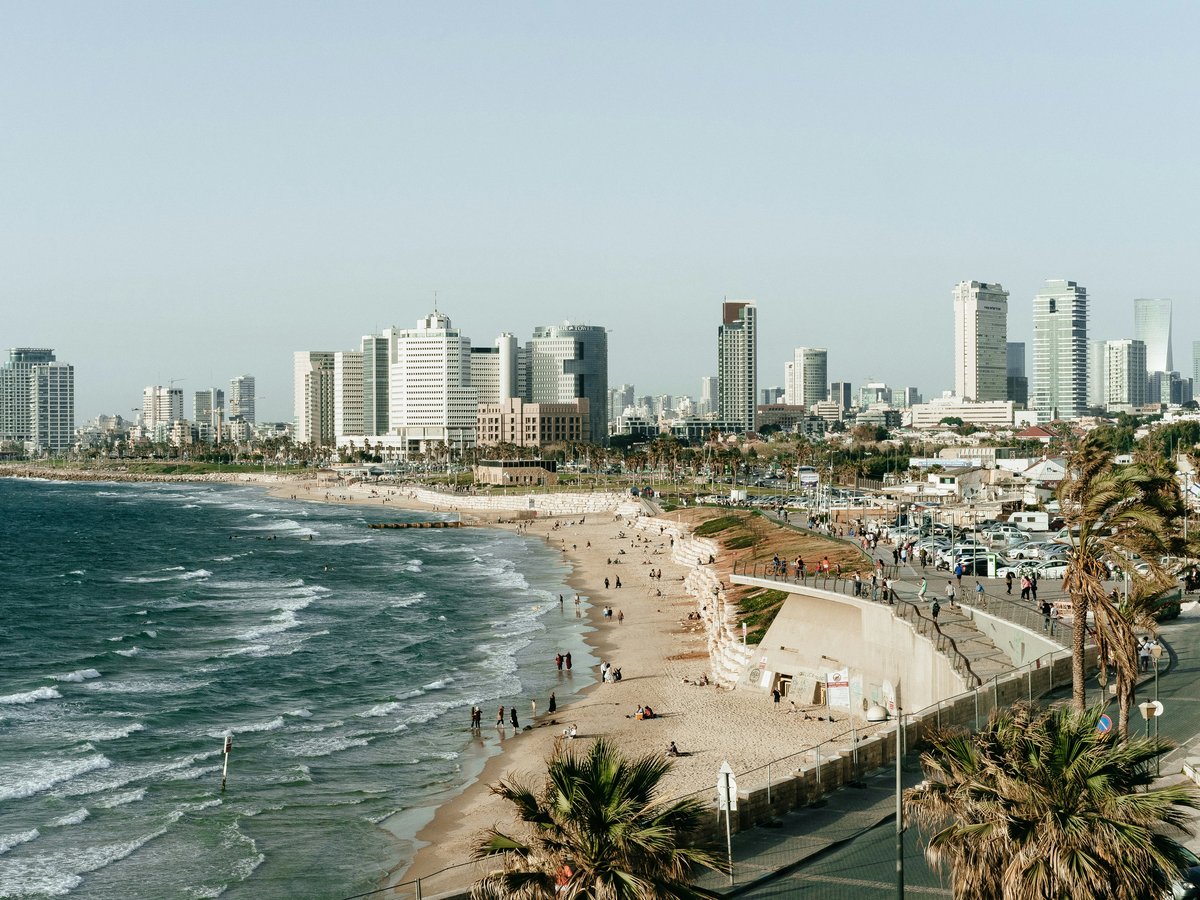
Tel Aviv's must-sees are less about one headline monument than about layers, and this list is built to show them. In Jaffa, Al-Bahr Mosque dates from 1675 and St. Peter's Church from 1893; on the modern side, Habima Theatre, the national theatre of Israel, dates from 1917 and the Tel Aviv Performing Arts Center, an opera house, from 1994. The Arab-Hebrew Theater, an Arab and Hebrew theatre in Tel Aviv, gives the city a stage where two languages share a house. For a longer outing there are two ruins: Arsuf is a castle ruin and Antipatris is an ancient human settlement. This list is for travelers who want more than a beach. Expect houses of worship, a heritage-listed cemetery and two serious stages. Dress for the mosques, churches and synagogue, book theatre seats ahead, and leave the sand for the evening.
-
1 Habima Theatre
תרס"טAn evening at the national theatre of Israel
Founded in 1917, Habima Theatre is the national theatre of Israel, and that title is the reason to go. Its address is recorded as תרס"ט, so show a driver that if Hebrew street names still blur together. Skip the dinner-show circuit sold to visitors in every big city; an evening at the national stage tells you more about how this country argues, laughs and grieves than any guided walk. Check the programme on the official site, habima.co.il, before you book, and pick a night where the play matters more to you than the language it is spoken in. Even if you follow only half the words, watching the audience react is a lesson of its own.
Dates from 1917
-
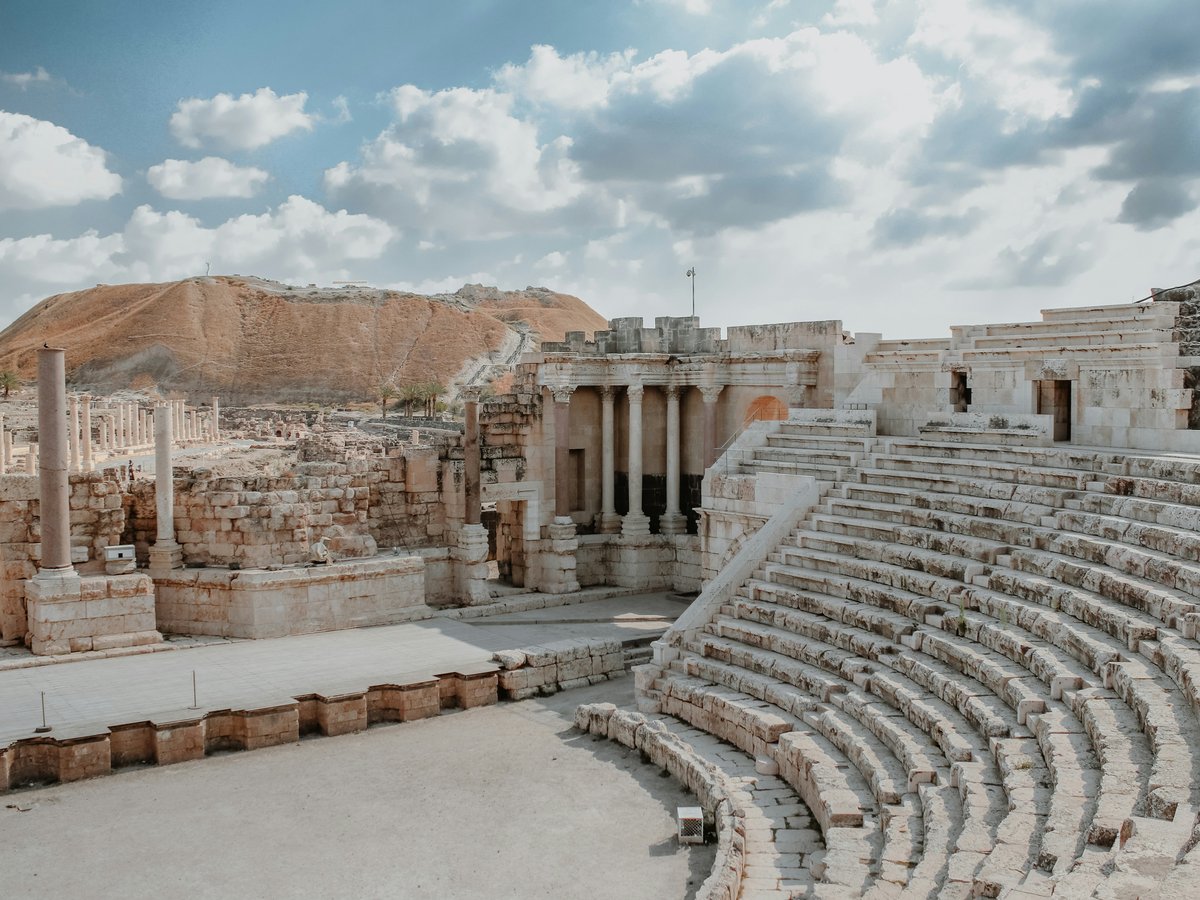
2 Arsuf
Walking a castle ruin
Wind drifts across the stones at Arsuf, a castle ruin that asks more of a visitor than anything else on this list. The rushed coach stops that give a ruin ten minutes between lunches miss the point here; Arsuf rewards slow walking, water in the bag, and the patience to read stone. The site's official link is the iNature page for Apollonia National Park, so search for that name when you plan the trip and confirm access before you set out. Come for the walls and the silence, not for polished displays or neat labels. Done properly it is a half-day outing; done in a hurry it disappoints. The locals know to arrive early, before the heat settles over the ruin and the light turns flat.
-
3 Hassan Bek Mosque
A mosque in Tel Aviv dating from 1916
Look up from the traffic and you will see the Hassan Bek Mosque, which dates from 1916, a reminder that this city is older than its glass. It is a mosque in Tel Aviv, so treat your visit that way: a place of worship first and a landmark second. Most visitors settle for a quick photo from across the road; we'd walk up instead and spend a few minutes looking at how the building holds its ground against everything newer around it. If you go inside, dress modestly and avoid prayer times. Ten quiet minutes here are worth more than a hurried photo.
Dates from 1916
-
4 Antipatris
An ancient human settlement to explore on foot
Plan a proper half day if Antipatris makes your shortlist, because it is an ancient human settlement rather than a single monument you can photograph and leave. If you want a tidy museum case with neat labels, it is not worth the journey. If you like standing where people lived long before the modern city, it is worth every hour. Bring water, shoes that can handle uneven ground, and a little background reading, because the site gives back what you bring to it. It fits well into a day already given to ruins and badly into an afternoon of shopping. Of everything on this list, it rewards going early and staying late the most.
-
5 Trumpeldor cemetery
רחוב טרומפלדורA heritage-designated historic cemetery dating from 1902
On רחוב טרומפלדור, Trumpeldor cemetery is a historic cemetery dating from 1902 and designated a heritage site in Israel. Skip the beach promenade for one quiet hour and walk the rows instead; nothing else on this list is as reflective. Check the official page on kadisha.org for visiting arrangements before you go. Dress as you would for any cemetery, keep your voice down, and don't treat the headstones as props. Go slowly, read what you can, and give the place the same attention you would give a museum.
Dates from 1902 · Heritage site in Israel
-
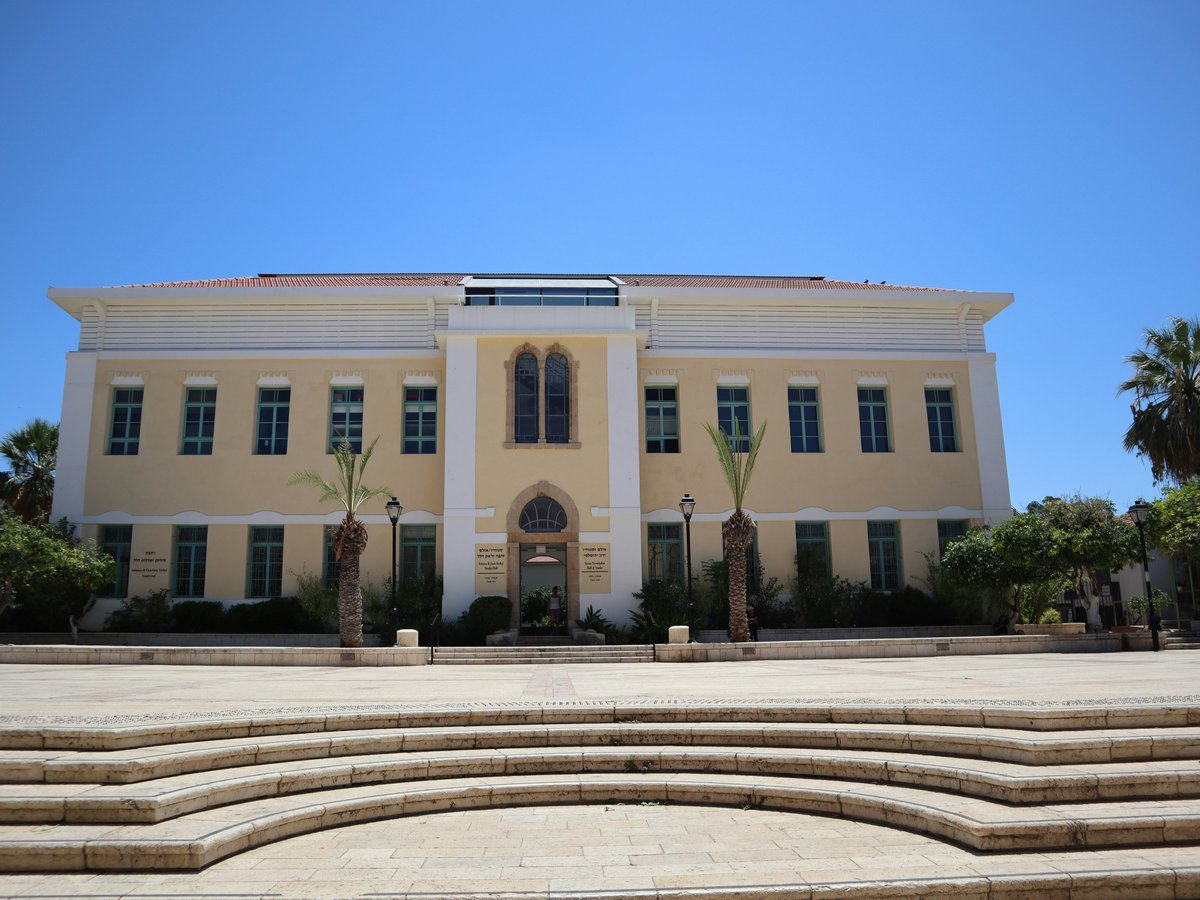
6 Tel Aviv Performing Arts Center
שאול המלךA night at the opera house
Book a seat at the Tel Aviv Performing Arts Center, an opera house in Tel Aviv that dates from 1994, and commit to the whole evening rather than a lobby walk-through. The street is שאול המלך, which is what you give a driver. The building makes no real argument in its foyer; it makes sense when the lights go down and the orchestra starts tuning. Check the season in the English-language section at israel-opera.co.il/eng before you plan the rest of the night, dress up a little, and arrive early enough to settle into your seat rather than scramble for it.
Dates from 1994
-
7 Jaffa Clock Tower
26 רזיאל דודA Jaffa landmark from 1903 that works as a meeting point
A building in Jaffa dating from 1903, the Jaffa Clock Tower at 26 רזיאל דוד is as straightforward a meeting point as you'll find for a day on foot. Avoid the midday crowd clustering around its base for photographs; come when the street has settled and you can take in the detail without someone's elbow in your ribs. Think of it as an anchor rather than a destination: note the address, get your bearings, and let the walk outward fill the morning. The surrounding lanes deserve as much of your attention as the clock itself.
Dates from 1903
-
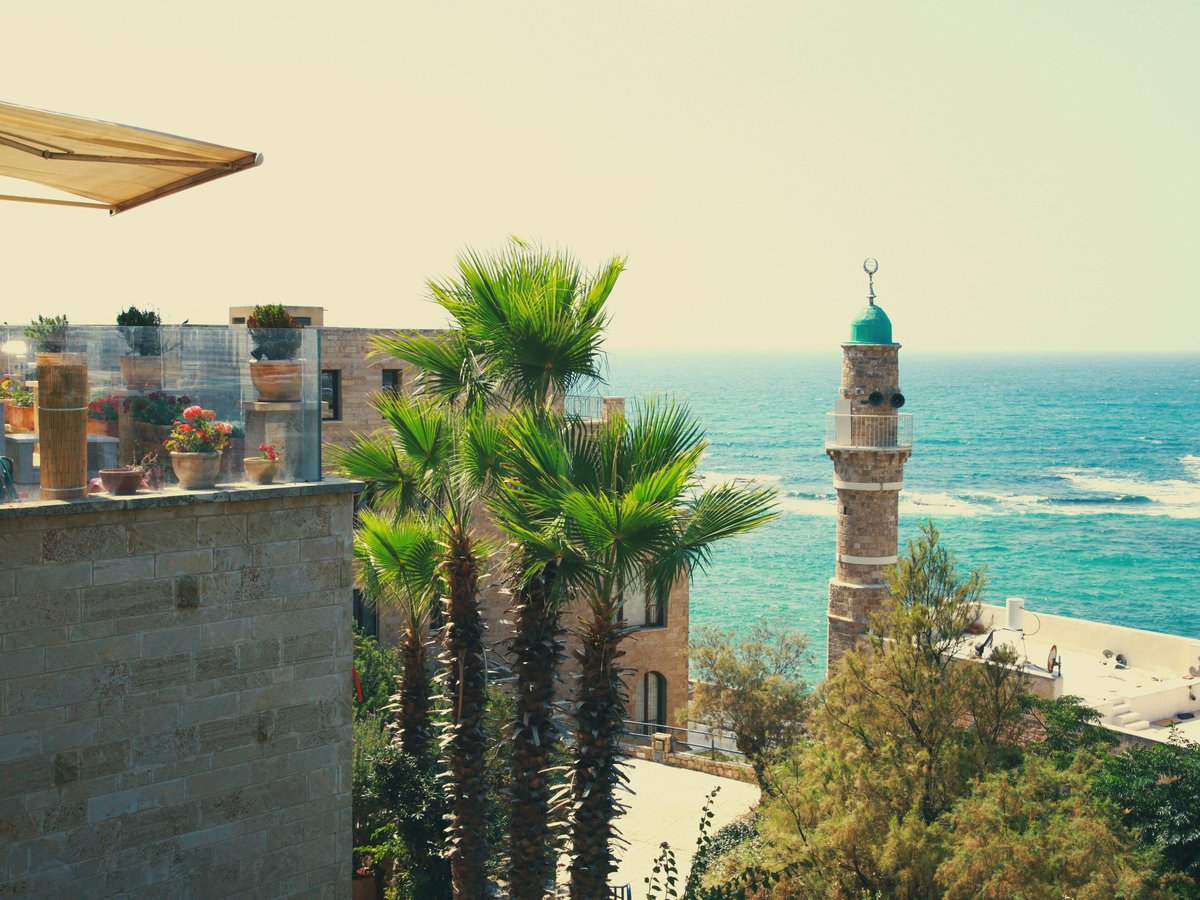
8 Al-Bahr Mosque
7 העליה השניה, Tel AvivA Jaffa mosque dating from 1675
Al-Bahr Mosque in Jaffa dates from 1675, and the address you want is 7 העליה השניה, Tel Aviv. It is a working place of worship, so dress modestly, ask before you enter, and keep clear during prayer times; don't use it as a photo backdrop. A building that has stood this long earns more than a passing glance, even if you stay outside. Pair a visit with a walk through the surrounding streets and let it set the pace of your Jaffa morning.
Dates from 1675
-
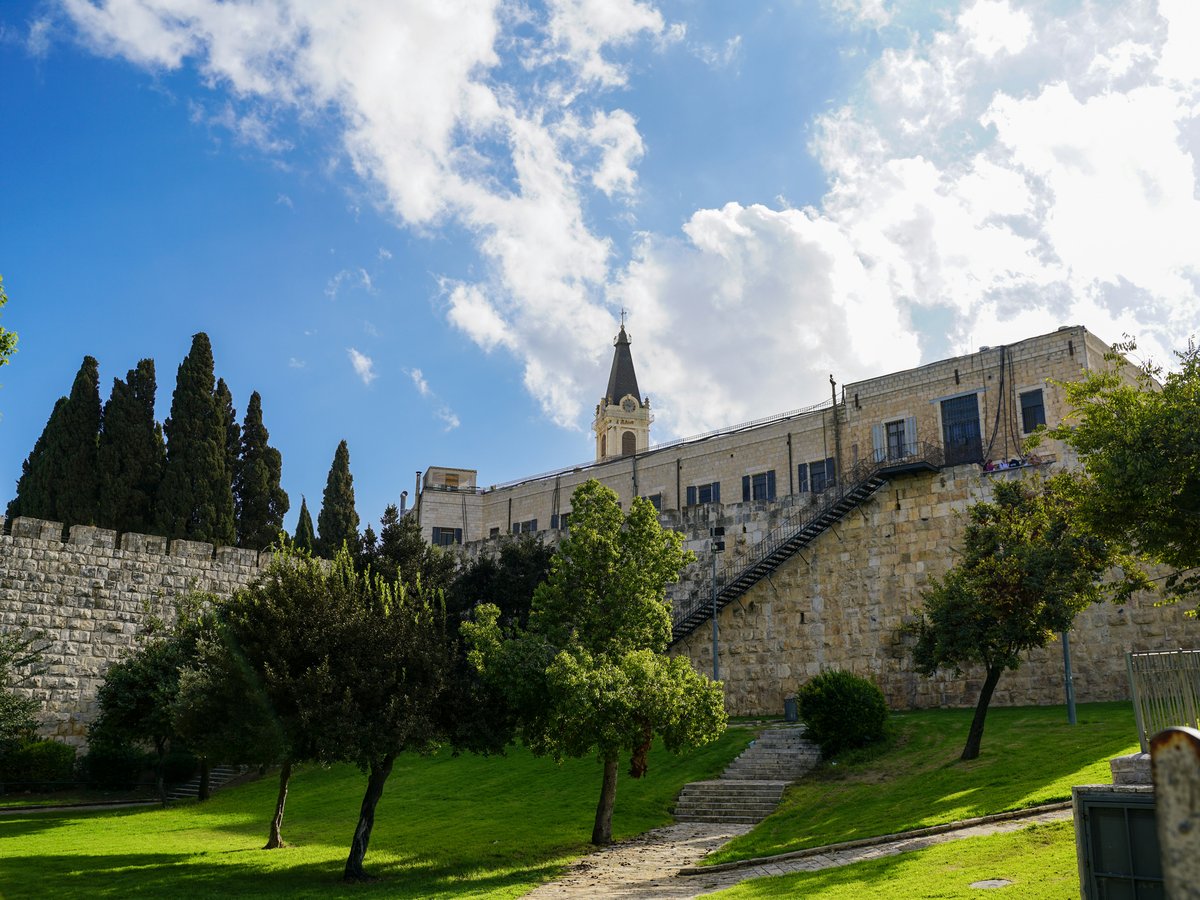
9 Immanuel Church
14 בר הופמןA Lutheran church in Jaffa dating from 1904
At 14 בר הופמן you will find Immanuel Church, a Lutheran church in Jaffa that has stood since 1904. For anyone who wants quiet, it is a better stop than the gilded basilicas that crowd most pilgrimage itineraries, and a Protestant house of worship in this city is an unexpected chapter that rewards curiosity about the communities that shaped the place. Before you go, check opening details on the official site, immanuelchurch-jaffa.com. Plan to sit for a while rather than walk a circuit and leave. Dress respectfully, keep your voice low, and let the room set the pace.
Dates from 1904
-
10 Great Synagogue
A Tel Aviv synagogue dating from 1926
Ask a driver for the Great Synagogue and you will arrive at a synagogue in Tel Aviv dating from 1926. The version of the city that reduces it to beaches and bars misses something important, and a house of worship this established shows another side of the place, suiting anyone who wants to understand it rather than just pass through. We have no street address on record, so search the name in a map app before you set out, and check locally whether it is open to visitors on the day you come. Dress modestly, move quietly, and treat it as a place in use rather than an exhibit.
Dates from 1926
-
11 St. Peter's Church
מפרץ שלמהA Franciscan Catholic church in Jaffa dating from 1893
On מפרץ שלמה, St. Peter's Church is a Franciscan Catholic church in Jaffa dating from 1893. Skip the quick in-and-out that tour groups favour and sit in a pew for ten minutes, letting the room do the work. You don't need to be Catholic to get something from it, come willing to slow down. Dress as you would for any working church, keep your phone in your pocket during services, and save your photos for when the room is empty. It is the calmest pause you will find on a busy Jaffa walk.
Dates from 1893
-
12 The Arab-Hebrew Theater
מפרץ שלמהA performance at an Arab and Hebrew theatre
Two languages share the stage at The Arab-Hebrew Theater, an Arab and Hebrew theatre in Tel Aviv dating from 1998, and a theatre built around two languages tells you more about this city's conversations than any panel at a museum. Skip the polished spectacles staged for tourists and spend one evening here. It sits on מפרץ שלמה, and you can check what is on at arab-hebrew-theatre.org.il before you plan the night. Arrive with an open mind and stay for the talk in the foyer afterwards, which is often half the point.
Dates from 1998
Last verified by automated review (v1.7.2_nonsight1017-1015-3596-20261017082027) on . What is automated review?