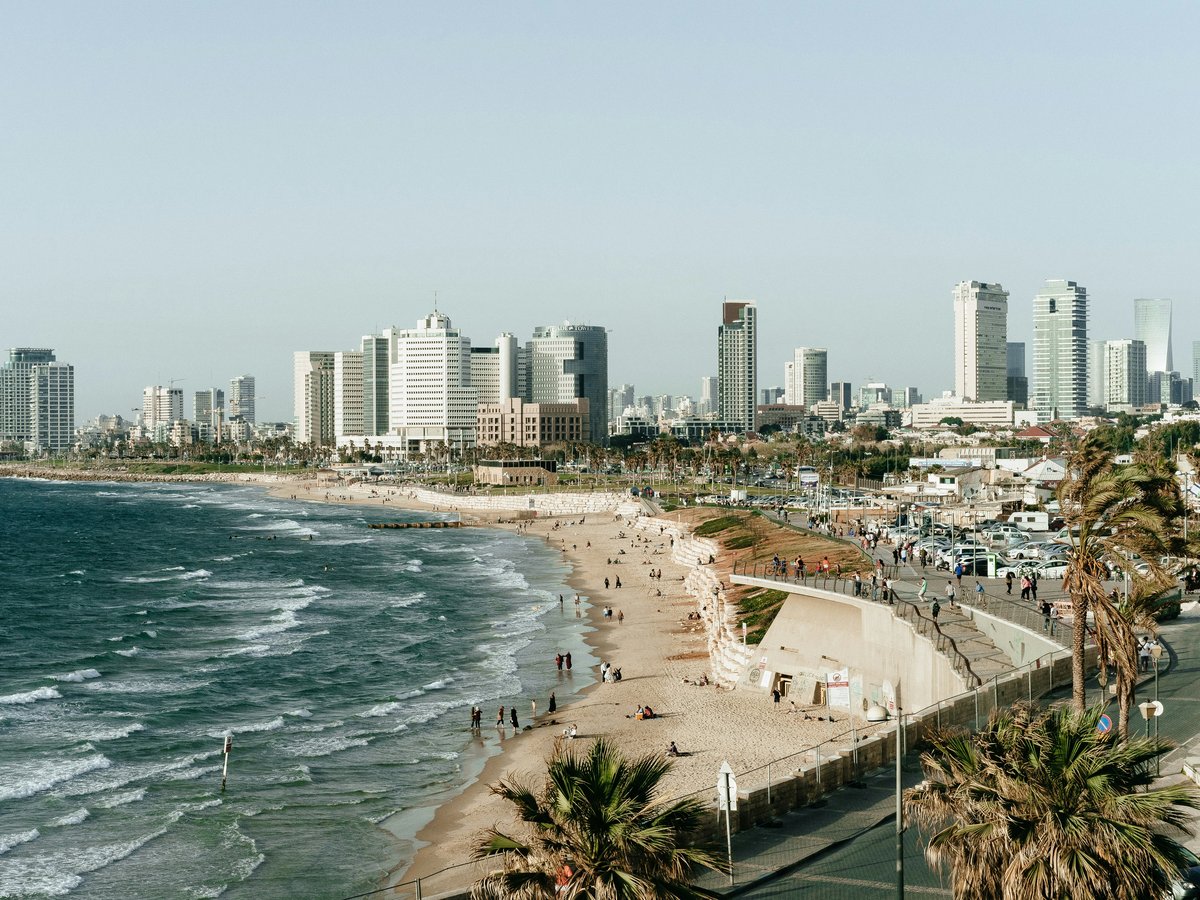
Tel Aviv is where Israeli fashion designers cut their teeth, where spice merchants still weigh saffron by the gram, and where you'll find Dead Sea mineral products at about a third of what they cost in European airports. The city's shopping personality runs on independence. Chain stores line Dizengoff Street and fill the malls, but the independent boutiques on streets like Sheinkin and Shabazi are what set Tel Aviv apart. Israeli jewelry designers working in silver and Roman glass, ceramics from Jaffa studios, locally pressed olive oil from Galilee groves, swimwear labels that know Mediterranean bodies. The summer humidity tends to push midday shoppers toward covered markets and air-conditioned complexes like Sarona, so foot traffic in open-air areas picks up after 16:00. For families with kids in tow, Tel Aviv scores 8.2 out of 10 for family friendliness (see the TTDI Family-Friendliness Index), and the market areas in particular tend to keep younger visitors engaged with street food and bright produce stalls.
Shopping districts
-
Dizengoff Street
mid-rangeTel Aviv's longest shopping street runs north from Dizengoff Square and still feels like the city's commercial spine after decades of competition from malls. The southern stretch near the square leans toward local fashion chains and shoe stores, with foot traffic heaviest on Friday mornings. Further north past Arlozorov, the mix shifts to home goods, phone repair, and bakeries. Dizengoff Center, the indoor mall from 1983, is showing its age but still draws locals for its rooftop food market on Fridays. You'll catch the smell of fresh burekas from corner bakeries here most mornings.
Best for: Local fashion chains, everyday shopping, Friday morning browsing
-
Sheinkin Street
mid-range to highSheinkin was Tel Aviv's bohemian heart in the 1990s, and some of that energy still clings to the street even as rents have climbed. The boutiques here tend toward independent Israeli designers. Vintage clothing shops sit between small cafes with mismatched chairs on the sidewalk. The pace is slower than Dizengoff, the clothes more idiosyncratic. Locals in their 30s and 40s still come here for pieces they won't see on anyone else. Saturday evenings after Shabbat ends, the sidewalks fill up fast.
Best for: Independent Israeli designer fashion, vintage clothing, cafe-hopping between shops
-
Neve Tzedek
highTel Aviv's oldest neighborhood was settled in 1887 and went through decades of neglect before a renovation wave turned its low stone buildings into galleries and boutiques. The shopping skews upscale along Shabazi Street, where Israeli jewelry designers, ceramics studios, and high-end homeware shops occupy street-level spaces. Foot traffic is lighter than Dizengoff, the storefronts smaller, the price tags noticeably higher. You might notice galleries selling contemporary art alongside boutiques stocking linen dresses designed for the local climate. The Suzanne Dellal Centre for Dance and Theatre anchors the cultural end of the quarter.
Best for: Israeli jewelry, ceramics, gallery art, upscale homeware
-
Florentin
budget to mid-rangeSouth Tel Aviv's grittiest commercial neighborhood still feels more like a working district than a tourist zone, though that line has blurred since the mid-2010s. Vintage shops and secondhand stores are the main draw for the under-30 crowd. The walls are tagged with street art. The sidewalks narrow. Music from open doorways tends toward Middle Eastern hip-hop. Prices here are the lowest you'll find in central Tel Aviv. Young locals shop Florentin for thrifted denim, handmade screen-printed tees, and the occasional vinyl record.
Best for: Vintage and secondhand clothing, street art prints, budget-friendly finds
-
Old Jaffa
mixed, from budget market stalls to high-end galleriesThe ancient port city, now absorbed into Tel Aviv's municipal boundaries, has a shopping personality split between tourist-facing galleries and genuinely interesting studios. The stone alleyways around the flea market area hold ceramics workshops, antique dealers, and a few contemporary art galleries showing rotating Israeli artists. The further you walk from the tourist cluster near the clock tower, the more likely you are to stumble across a working artist's studio. Prices vary widely. A hand-thrown ceramic bowl from a Jaffa studio tends to cost more than the mass-produced versions in Carmel Market, but you're paying for a signed original.
Best for: Ceramics, antiques, contemporary Israeli art, handmade jewelry
-
Rothschild Boulevard and surrounds
mid-range to highRothschild itself is more of a strolling and cafe boulevard than a shopping strip, but the side streets between Rothschild and Allenby hold some of Tel Aviv's most interesting concept stores. This is White City territory, the UNESCO-listed Bauhaus district, and the architecture overhead is worth looking at between shops. A few local perfume houses and niche skincare brands have set up along these blocks. The demographic skews toward Tel Aviv's tech workers and young professionals with disposable income.
Best for: Concept stores, niche beauty and skincare, Bauhaus neighborhood atmosphere
-
Sarona Market complex
highSarona stands on the grounds of a former German Templar colony established in 1871. The indoor market section stocks premium Israeli wines, artisan cheeses, chocolate, and specialty foods. The surrounding restored Templar buildings hold international fashion brands. The atmosphere feels more polished and controlled than the older markets, which is either a draw or a drawback depending on your tolerance for that sort of thing. Air conditioning makes it a real refuge in the summer months. The complex sits close to the Azrieli Center towers, Tel Aviv's main mall cluster.
Best for: Premium Israeli food products, wine, international fashion brands
Markets
-
Carmel Market (Shuk HaCarmel)
food and generalTel Aviv's biggest open-air market stretches along HaCarmel Street from Allenby to the Kerem HaTeimanim neighborhood. Produce stalls pile up pomegranates, figs, and dates by the kilo. Spice vendors sell za'atar, sumac, and baharat blends from open sacks. The dry peppery smell of the spice row hits you from 10 meters away. The market also stocks cheap clothing, household goods, and fresh-squeezed juice for around 10 to 15 ILS a cup. Fridays before Shabbat are the busiest hours, when locals do their weekly shop and prices on perishables sometimes drop as closing time approaches. Street food stalls sell sabich, falafel, and fresh pomegranate juice.
Sunday to Friday, roughly 8:00 to sundown. Closed Saturday for Shabbat. Busiest on Friday mornings.
-
Jaffa Flea Market (Shuk HaPishpeshim)
flea and antiquesThe flea market in Old Jaffa spreads across several streets around Olei Zion. Dealers sell Ottoman-era brass, mid-century furniture, Persian rugs, vintage cameras, and old Judaica. Quality varies stall to stall. Some vendors carry genuinely old pieces, others sell reproduction furniture. The feel is more relaxed than Carmel Market, with lower foot traffic and more room to browse. On weekdays you can take your time handling merchandise without the weekend crowd. The surrounding streets have added cafes and bars in recent years, making the area worth a longer visit. Bargaining is expected here, especially on furniture and non-priced items.
Sunday to Friday, approximately 9:00 to 17:00 or later. Some stalls open Saturday. Quieter on weekdays.
-
Nahalat Binyamin Arts and Crafts Fair
artisan and craftsThis twice-weekly street fair fills the pedestrian section of Nahalat Binyamin Street with stalls from Israeli artisans. Jewelry, hand-painted silk scarves, pottery, woodwork, leather goods, and quirky sculptures. Every seller is required to be the maker, which means you're buying directly from the person who created the piece. The fair has been running since 1988 and quality control tends to be higher than a typical street market. It sits adjacent to Carmel Market, so combining the two in a single morning is the natural move.
Tuesdays and Fridays only, roughly 10:00 to 17:00.
-
Levinsky Market
food and spiceThe market fills the streets around Levinsky Street in southern Tel Aviv. This is where the city's Middle Eastern and North African food heritage is most visible. Dried fruits, nuts, halva in blocks and logs, Turkish delight, spice mixes, pickled vegetables, and Iranian dried limes. The vendors here have been serving the same communities for decades. The halva alone is worth the trip. Shops stack it in flavors from pistachio to coffee to chocolate. Several newer specialty coffee roasters and wine bars have moved into the edges of the market without displacing the old-guard shops.
Sunday to Friday, morning to late afternoon. Some stalls close early on Fridays.
-
Evening markets at Hatachana (The Station)
night marketThe old Ottoman-era Jaffa railway station, restored and renamed Hatachana, hosts periodic evening markets during warmer months. Local food vendors, craft cocktails, live music, and stalls from young Israeli designers selling clothes, jewelry, and accessories. The mood is more social than transactional. The crowd is mostly young Tel Avivians on a weeknight out. The market likely runs most regularly from May through October, though schedules shift year to year.
Periodic evenings, typically spring and summer. Check local listings for current dates.
Souvenirs worth bringing home
The souvenirs worth carrying home from Tel Aviv tend to fall into categories that reflect what's made or grown in Israel. Dead Sea mineral skincare products cost meaningfully less at market stalls and Dizengoff shops than the same brands at Ben Gurion Airport's duty-free. Israeli olive oil from Galilee producers is excellent and still underpriced compared to Italian equivalents. Halva from the vendors described in Levinsky Market travels well in vacuum-sealed blocks and tastes nothing like the chalky versions sold abroad. Za'atar and baharat spice blends from market vendors are lightweight, cheap, and genuinely useful at home. For higher-budget gifts, the jewelry designers along Shabazi Street in Neve Tzedek work in silver and Roman glass with a distinctly local style you won't find replicated elsewhere. Israeli wine has improved notably over the past 15 to 20 years, and bottles from Golan Heights, Judean Hills, or Upper Galilee wineries are still hard to find outside Israel. Worth noting, Arak, the local anise spirit, is another distinctly regional bottle. Skip the generic Holy Land tchotchkes sold near Jaffa's tourist strip unless kitsch is specifically what you're after.
Practical tips
- Shabbat hours
- Most shops and all markets close Friday afternoon before sundown and stay closed until Saturday evening after sundown. Shabbat timing shifts seasonally. In August, Friday closures start as early as 14:00 to 15:00 in markets. Saturday evenings, shops in central areas like Dizengoff tend to reopen around 20:00 to 21:00. Plan market visits for Sunday through Thursday, or Friday morning. Restaurants and some convenience stores in secular neighborhoods stay open through Shabbat, but retail largely does not. Jewish holidays affect hours similarly.
- Bargaining
- Bargaining is expected at the Jaffa Flea Market and to some extent at Carmel Market, especially for non-food items, clothing, and anything without a printed price tag. In boutiques, concept stores, and malls, prices are fixed and attempting to haggle will get you a polite refusal. At Nahalat Binyamin, the artisans set their own prices and are typically firm, though buying multiple pieces from the same maker sometimes opens the door to a small discount. A reasonable opening offer at the flea market is about 70 percent of the asking price.
- VAT refund
- Israel charges 17 percent VAT on most purchases. Tourists can reclaim VAT on individual store purchases above a threshold (roughly 400 ILS, though this amount is periodically adjusted) by requesting a tax refund invoice at the point of sale. Present the invoice, receipt, and purchased goods at the VAT refund counter in Ben Gurion Airport's departures hall before checking luggage. The refund process at the airport can be slow, so budget an extra 20 to 30 minutes. Not all shops participate. Ask before assuming eligibility.
- Payment methods
- Credit cards are accepted almost everywhere in Tel Aviv, from boutiques to most market stalls. Contactless payments and phone-based wallets work widely. That said, keeping some cash in shekels is still useful for smaller market purchases and street food. ATMs are common along the main shopping streets and near the markets. The shekel recently traded at about 2.95 to the US dollar as of mid-August 2026. For current exchange rates and other money practicalities, Wikivoyage's Tel Aviv guide covers the basics at https://en.wikivoyage.org/wiki/Tel_Aviv#Cope.
- Summer shopping comfort
- August temperatures in Tel Aviv currently sit around 28°C, but 74 percent humidity pushes the feels-like temperature above 32°C. Open-air markets like Carmel and the Jaffa Flea Market are best visited in the morning before 11:00 or in late afternoon after 16:00. Covered sections of Sarona and Dizengoff Center offer air-conditioned relief. Carry water. Many shops in residential neighborhoods close for a few hours in early afternoon.
- Shipping and packing
- Fragile items like ceramics and wine bottles can sometimes be packed and shipped by the seller, especially in the Neve Tzedek and Jaffa gallery areas. Ask at the point of sale. For olive oil and liquids, check your airline's carry-on restrictions and consider buying duty-free-eligible bottles at Ben Gurion if you're tight on luggage space. Spices and halva pack flat and survive checked luggage well.
FAQ
Is Tel Aviv safe for solo travelers exploring shopping areas on foot?
Tel Aviv scores 5.8 out of 10 for solo-traveler safety (see the TTDI Solo-Safety Index). The main shopping districts, including Dizengoff, Neve Tzedek, and the central markets, are generally well-trafficked during daytime hours. Standard urban precautions apply. Keep an eye on belongings in crowded markets, particularly Carmel on Friday mornings. Wikivoyage's safety section at https://en.wikivoyage.org/wiki/Tel_Aviv#Stay_safe covers neighborhood-level guidance.
Are Tel Aviv shops and markets LGBTQ+ friendly?
Tel Aviv rates 7.5 out of 10 for LGBTQ+ friendliness (sourced from TTDI's editorial rubric). The city's commercial culture is broadly welcoming, and the main shopping districts and markets are comfortable spaces. Neighborhoods like Florentin and the area around Sheinkin have long been part of the city's queer community.
Can I shop during Shabbat in Tel Aviv?
Most retail closes from Friday afternoon through Saturday evening. Markets shut down entirely. Some convenience stores, restaurants, and cafes in secular neighborhoods like Florentin and along Rothschild stay open. Malls are closed. If you have only one full day and it falls on Saturday, your shopping options will be limited to those pockets until Saturday evening, when stores begin reopening.
What are the best Israeli design-related gifts to buy?
Israeli industrial and fashion design has gained international attention, partly catalyzed by institutions like the Design Museum Holon, which opened in 2010. In Tel Aviv itself, look for local jewelry designers working with Roman glass along Shabazi Street, ceramics from the Jaffa studio quarter, and Israeli swimwear and fashion labels on Sheinkin. The Nahalat Binyamin fair, which requires all sellers to have made their own work, is a reliable source for original design pieces.
Is Tel Aviv practical for digital nomads who want to mix work with shopping?
The city scores 7.2 out of 10 for digital-nomad suitability (sourced from TTDI's editorial rubric). Wifi in cafes along Rothschild and Dizengoff is generally reliable, and several coworking spaces operate near the main shopping streets. The combination of walkable retail, strong cafe culture, and evening market events makes it straightforward to split a day between a laptop and browsing. For getting around between neighborhoods, Wikivoyage has a useful overview at https://en.wikivoyage.org/wiki/Tel_Aviv#Get_around.
Where can I find authentic spices and food products to bring home?
Levinsky Market in southern Tel Aviv is the single best destination for food souvenirs. The spice shops there sell za'atar, sumac, baharat, and harissa blends weighed and bagged on the spot in whatever quantity you choose. Carmel Market has similar products at slightly higher tourist-area prices but with more variety in olive oils and preserved foods. Both markets are easy to reach on foot from the city center.
Last verified by automated review (v1.7.2) on . What is automated review?