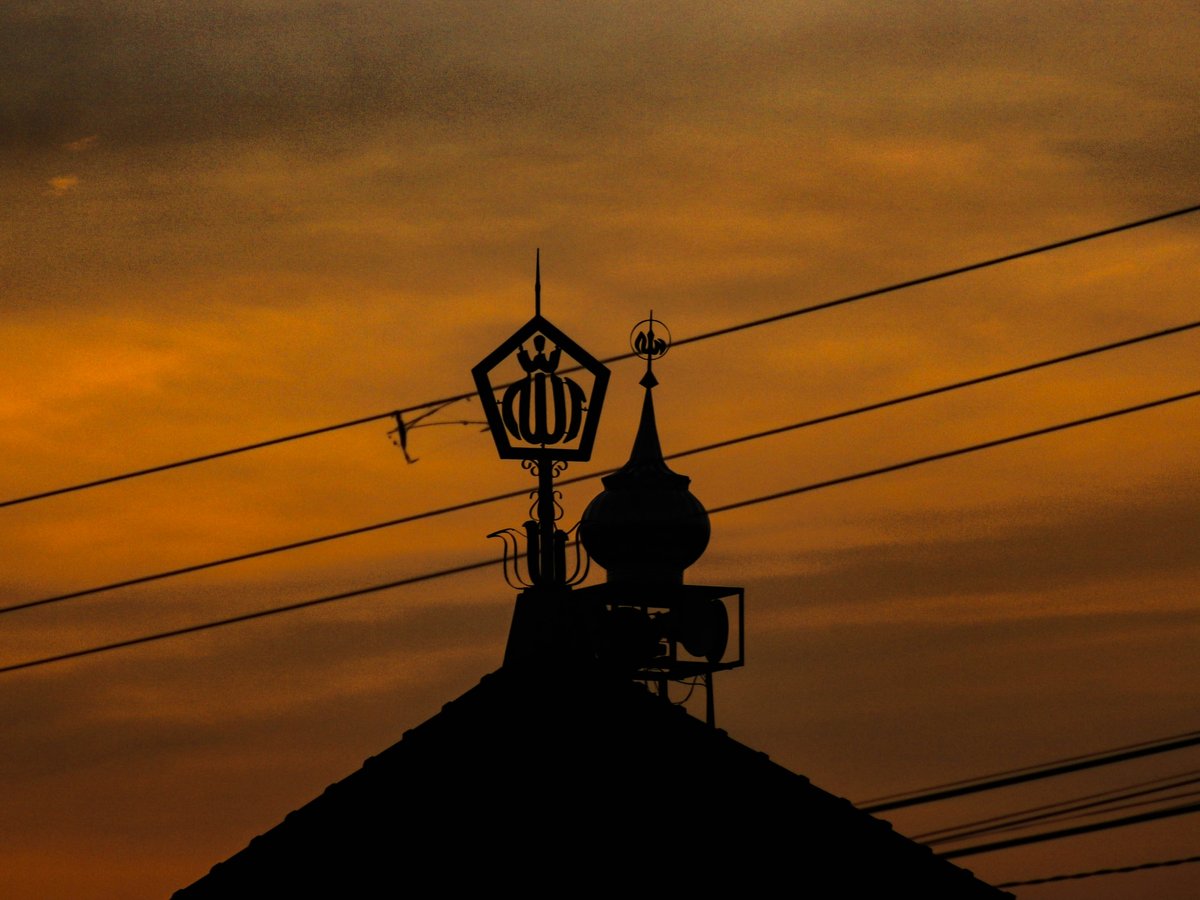
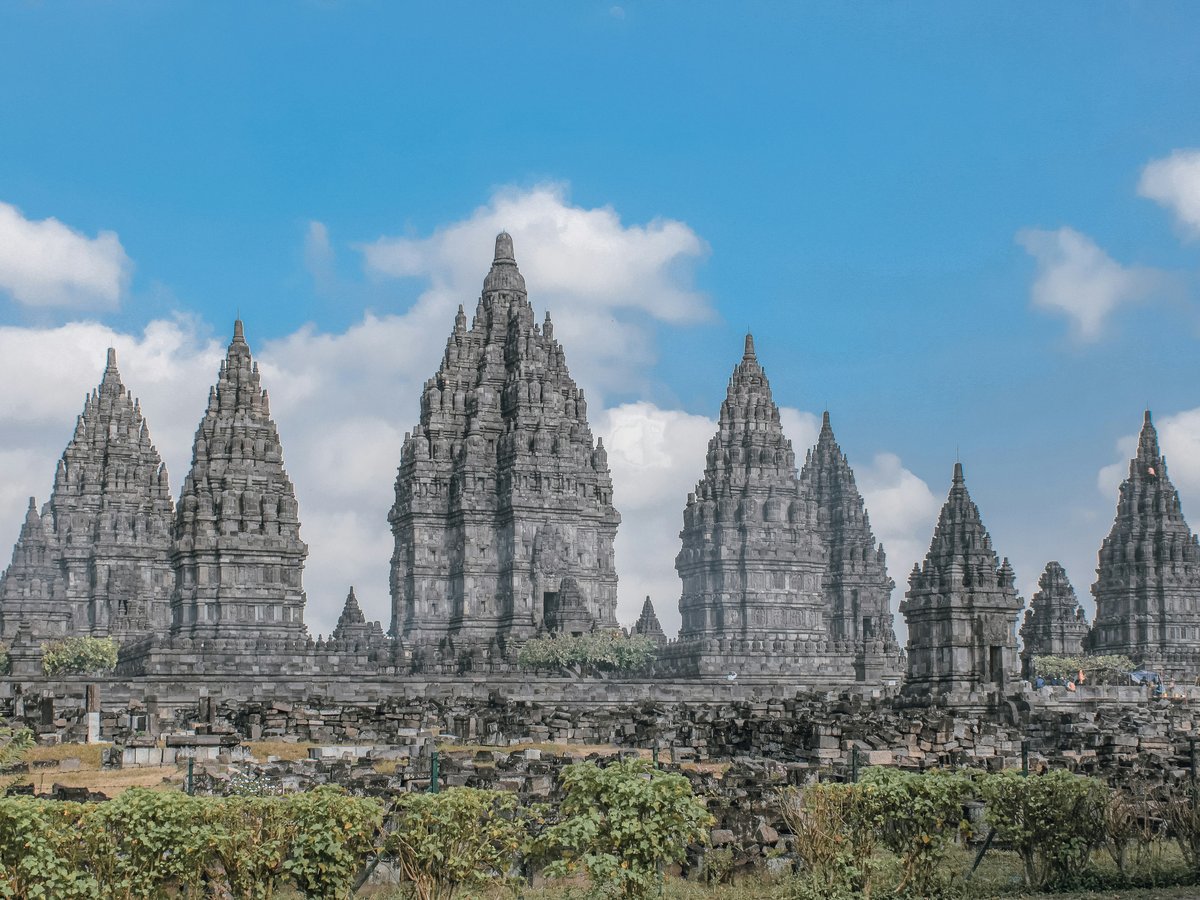
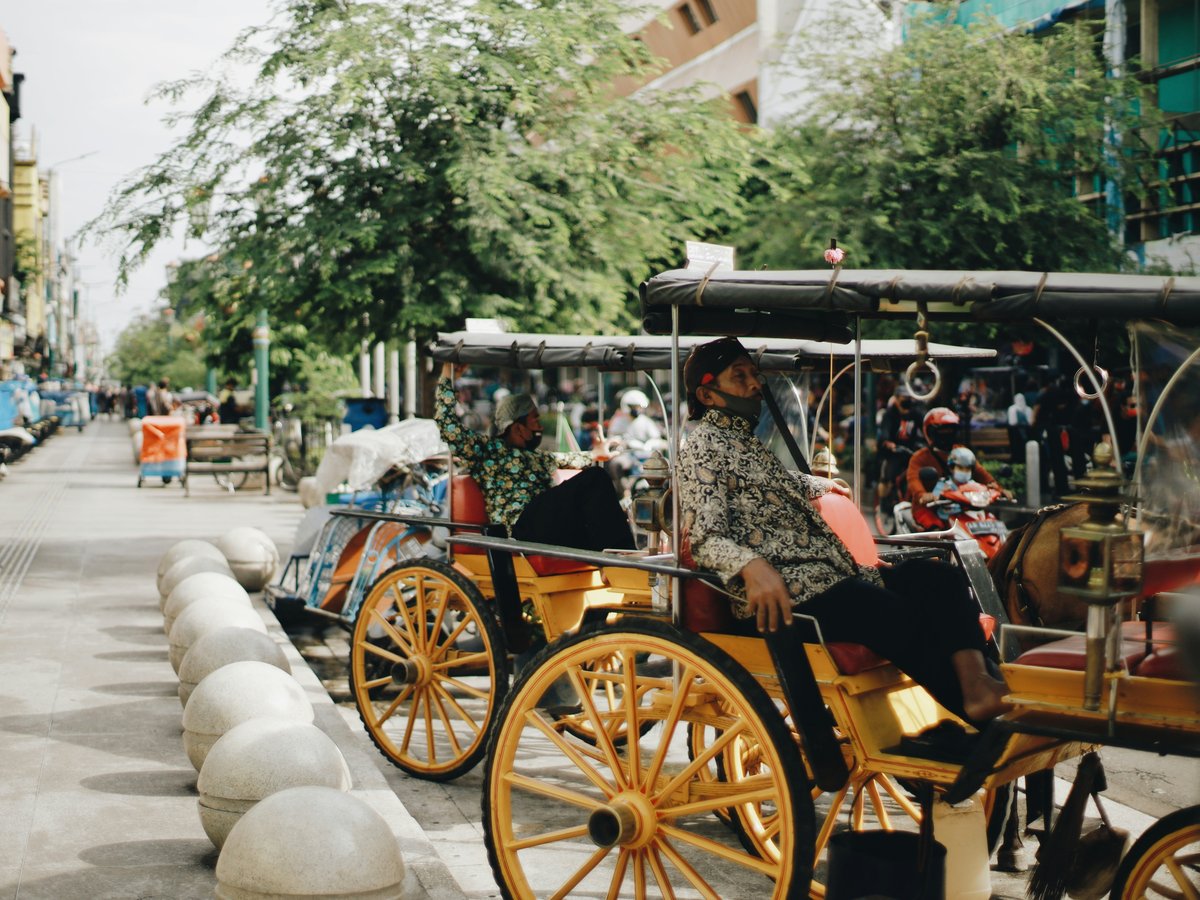
Yogyakarta sits at the foot of Mount Merapi, one of the most active volcanoes on Earth, and that proximity to genuine geological danger shapes everything about the city: its rituals, its architecture, its fatalism, its humor. Unlike Jakarta or Surabaya, Yogyakarta never became a megacity; its roughly 422,000 residents live in a place that still operates at a human pace, where the kraton, the sultan's palace compound at the city's geographic and spiritual center, remains the anchor around which daily life organizes itself. The Sultanate of Yogyakarta has governed continuously since 1755, and the current sultan, Hamengkubuwono X, doubles as the province's governor, making this the only Indonesian province where traditional monarchy and republican government formally overlap. South of the kraton, Jalan Malioboro runs as the city's commercial spine, loud with becak drivers and batik sellers, while Prawirotaman to the southeast has become the backpacker and cafe district without quite losing its residential character. The real texture of a first visit tends to involve early mornings: sunrise at Borobudur, the ninth-century Buddhist temple about forty kilometers northwest, or at Prambanan, the Hindu complex closer to the city's eastern edge, then slow afternoons in the neighborhoods around Kotagede, the old silver-working quarter where the Mataram kings once held court. Yogyakarta's art scene is unusually serious for a city this size; cement-floored galleries and artist collectives in the streets around Jalan Suryodiningratan show work that circulates through Jakarta and Singapore biennials. The food runs to gudeg, a jackfruit stew cooked for hours in coconut milk and palm sugar until it turns deep brown, served from warungs that line Jalan Wijilan. Evenings cool down faster than you might expect at this latitude, thanks to the city sitting about 114 meters above sea level on the volcanic slopes leading up toward Merapi's restless cone.
Yogyakarta in photos
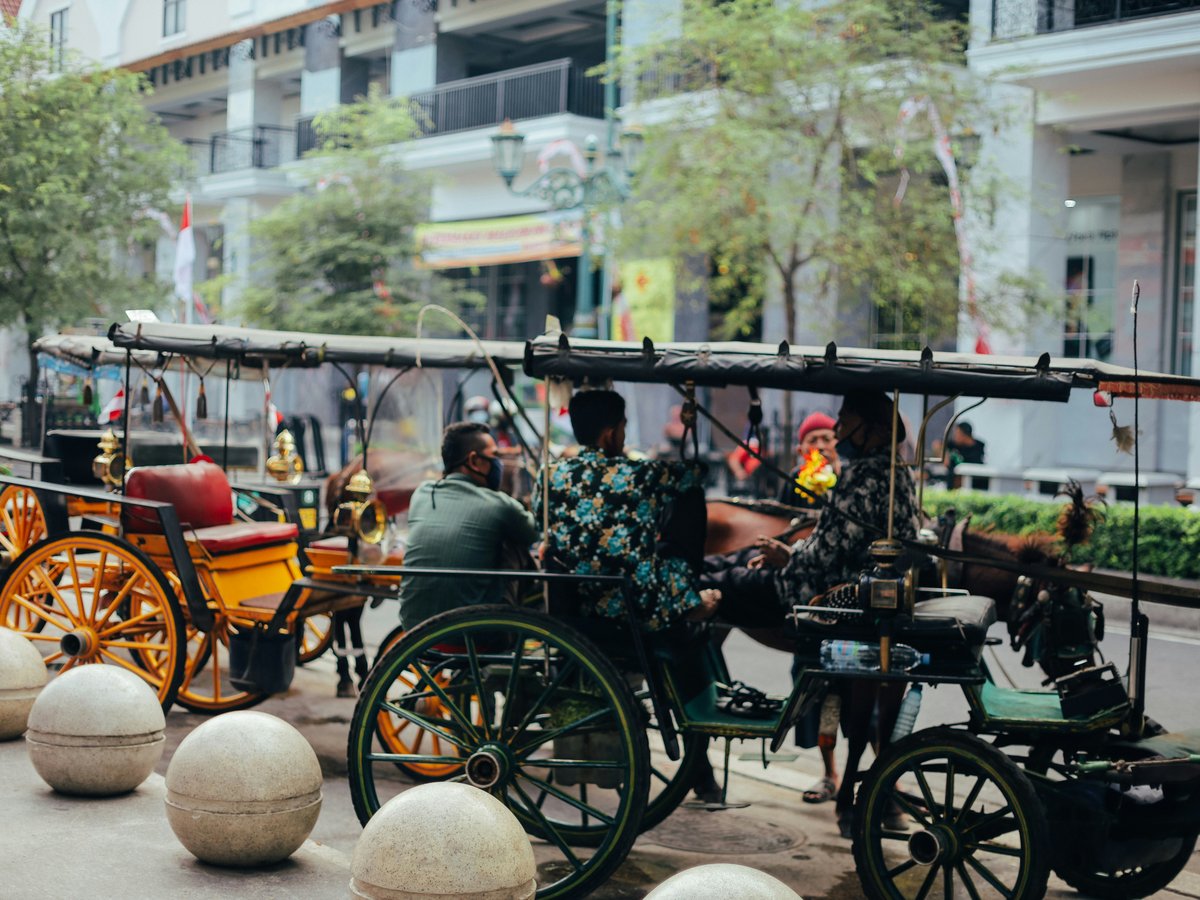
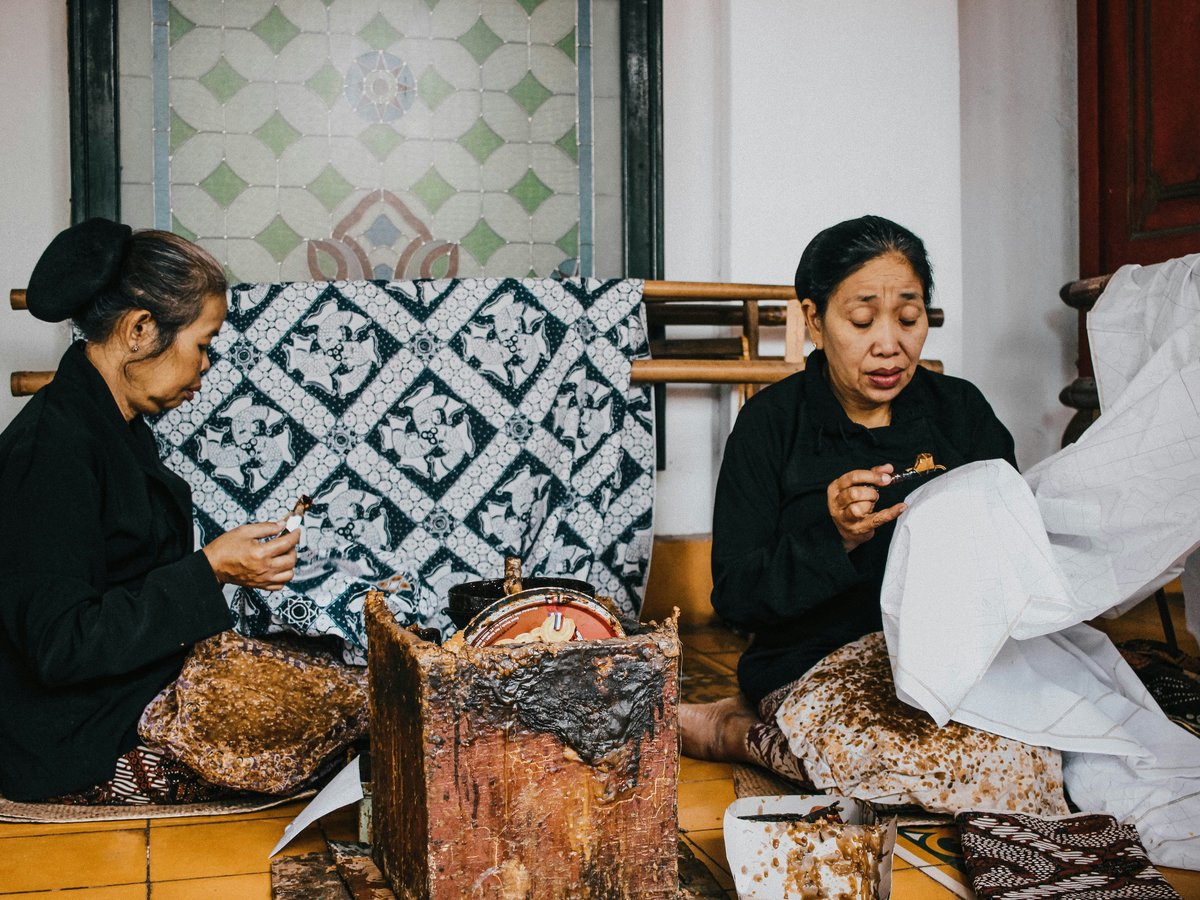
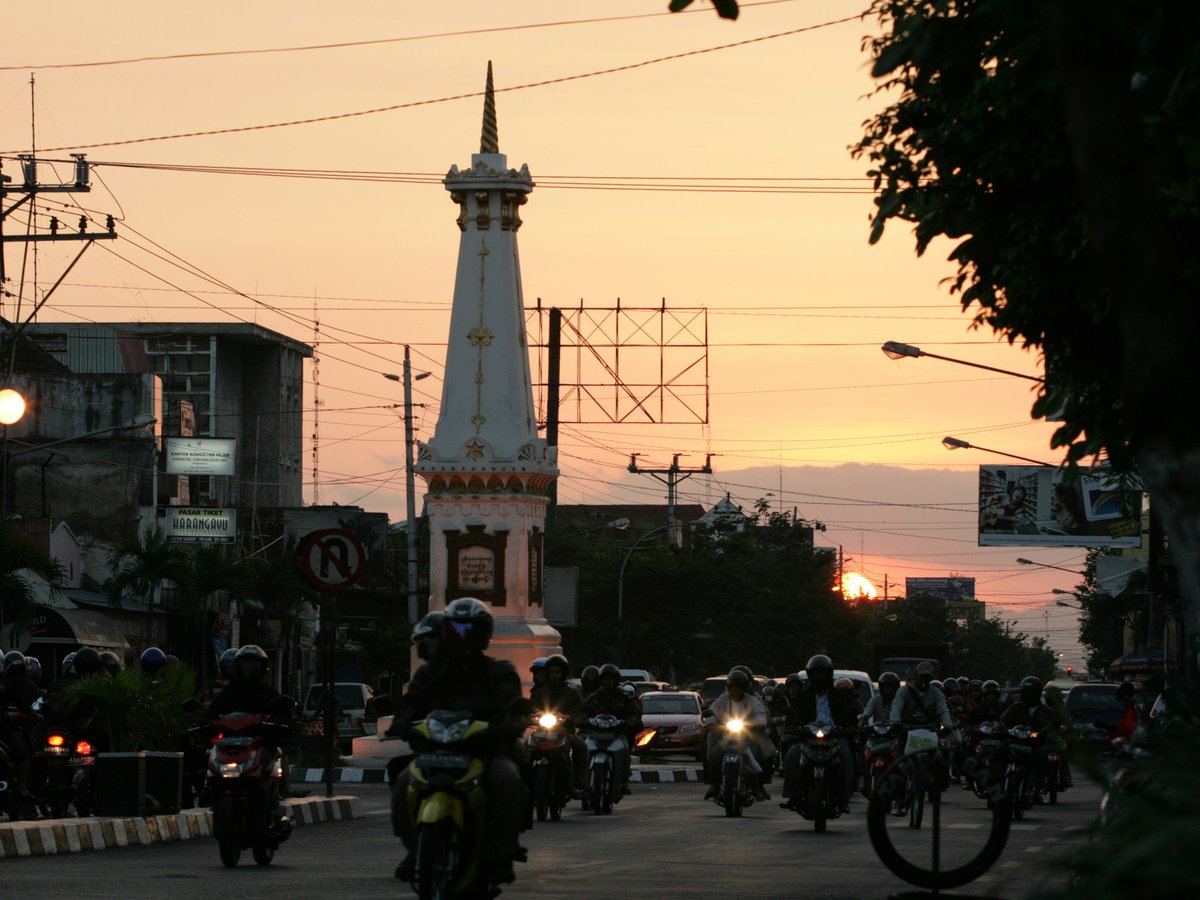
Yogyakarta right now
Answers about Yogyakarta
-
Airport to city
From Yogyakarta International Airport (YIA), take the YIA Xpress airport train to Yogyakarta Tugu station. It costs around Rp 20,000 and takes about 40 minutes; a covered walkway connects arrivals to the platform. After the last train, book Grab or Gojek in the app and expect Rp 250,000 to 350,000 for the 75- to 90-minute ride.
Read the full answer → -
Best time to visit
Visit Yogyakarta in May, June or September. The dry season runs roughly May to October. Afternoon storms mostly stop, and the Ramayana Ballet at Prambanan moves outdoors. Skip late June to mid-July if you can: Indonesian school holidays fill the Malioboro hotels. December to February brings the heaviest rain.
Read the full answer → -
Cost per day
Yogyakarta runs about Rp 267,000 ($15) a day on a budget: a dorm bed, gudeg and angkringan meals, and Trans Jogja buses. Midrange is about Rp 800,000 ($45) for a Prawirotaman pool guesthouse, Grab rides, and one sit-down dinner. Luxury starts near Rp 3,900,000 ($219) for a heritage hotel with a private driver. Temple days cost extra at every tier.
Read the full answer → -
Best day trips
Save one early morning for Borobudur in Magelang, 42 km north-west. Give Prambanan an afternoon, then watch sunset at Ratu Boko on a weekday, when fewer photographers crowd the gateway. The KRL train reaches Solo in about 70 minutes for Rp8,000, with palaces and Pasar Gede. Dieng Plateau works as a 14-hour day, though an overnight is better.
Read the full answer → -
Food culture
Yogyakarta eats sweet, cheap and late. Gudeg (young jackfruit stewed for hours in palm sugar and coconut milk) is breakfast on Jalan Wijilan. When the sun drops, the angkringan carts near Tugu Station take over: nasi kucing at about Rp 3,000, kopi joss served with a live charcoal ember dropped into the glass. Drive south to Bantul for sate klathak grilled on iron spokes.
Read the full answer → -
Getting around
Use Gojek or Grab by default. The fare shows upfront, and a car from Malioboro to Prawirotaman usually costs Rp 20,000 to 30,000. From YIA airport, take the train to Tugu Station. For Prambanan, ride the KRL Commuter Line east. Walking works around Malioboro and the Kraton, but go before 10am: Yogyakarta's afternoon heat is brutal.
Read the full answer → -
How to get there
Fly into Yogyakarta International Airport (YIA), 45 km west of the city, almost always via Jakarta, Bali or Kuala Lumpur. Garuda, Citilink, Batik Air and Lion Air run the domestic legs. AirAsia flies direct from Kuala Lumpur. From YIA, the KAI airport train reaches Tugu station, beside Jalan Malioboro, in about 40 minutes.
Read the full answer → -
Is it safe?
Yogyakarta is safe for most visitors. Its solo-traveler safety score is 5.8/10 (see the TTDI Solo-Safety Index). The real risks are the Kraton batik-gallery scam, motorbike traffic, rip currents at Parangtritis, and klitih: late-night teenage motorbike gangs on the outer ring roads. Dial 112 for emergencies.
Read the full answer → -
Where locals go
Jogja runs on schedule. Students fill the Jalan Kaliurang warmindos and Warung Kopi Blandongan in Sorowajan until 2am. Families take over Alun-Alun Kidul after 7pm, and the gudeg crowd queues at Gudeg Pawon in Janturan from about 10:30pm. Weekend mornings belong to Kopi Klotok at Kaliurang km 16. Foreigners cluster in Prawirotaman.
Read the full answer → -
Must-see
Borobudur at sunrise is the one sight to build a Yogyakarta trip around. The 9th-century Buddhist monument sits about 40 km northwest in Magelang, and climbing the upper terraces now runs on a daily quota, so book before you fly. Put Prambanan's Hindu temples second and the Kraton, the sultan's palace, third.
Read the full answer → -
3-day itinerary
Base yourself in Prawirotaman and divide Yogyakarta by direction. Day 1 covers the Kraton, Taman Sari, and Malioboro on foot. Day 2 heads east to Prambanan when it opens at 7am, then Plaosan and sunset at Ratu Boko. Day 3 goes northwest to Borobudur with a hired driver. Come back for silver workshops and charcoal-wok noodles in Kotagede.
Read the full answer → -
What to avoid
Skip the becak drivers on Jalan Malioboro who offer Rp 10,000 rides. The ride ends at a batik shop that pays them commission. Ignore the 'last-day student exhibition' pitch near the Kraton, and never swim at Parangtritis Beach: rip currents claim swimmers most years. From YIA airport, take the train to Tugu Station, not a tout's taxi.
Read the full answer → -
What to pack
Pack knee-length bottoms and shoulder-covering tops for Kraton Ngayogyakarta Hadiningrat and the city's mosques. Quick-dry cotton handles afternoons in the mid-30s°C; one long-sleeve layer covers the pre-dawn Borobudur and Merapi trips. Closed shoes with grip, a buff against volcanic ash, and small rupiah notes round out the essentials. Buy a rain poncho and a batik shirt on Jalan Malioboro rather than packing them from home.
Read the full answer → -
Where to stay
Book Prawirotaman for a first trip to Yogyakarta. The street sits about 2km south of the Kraton, and its boutique hotels charge $30-70 a night. After 10pm it goes quiet. Choose the Sosrowijayan lanes by Tugu station only if your train gets in late. For colonial comfort, pay $70-110 on Jalan Jenderal Sudirman.
Read the full answer →
Deep guides for Yogyakarta
Curated lists for Yogyakarta
accommodation
-
Best boutique hotels
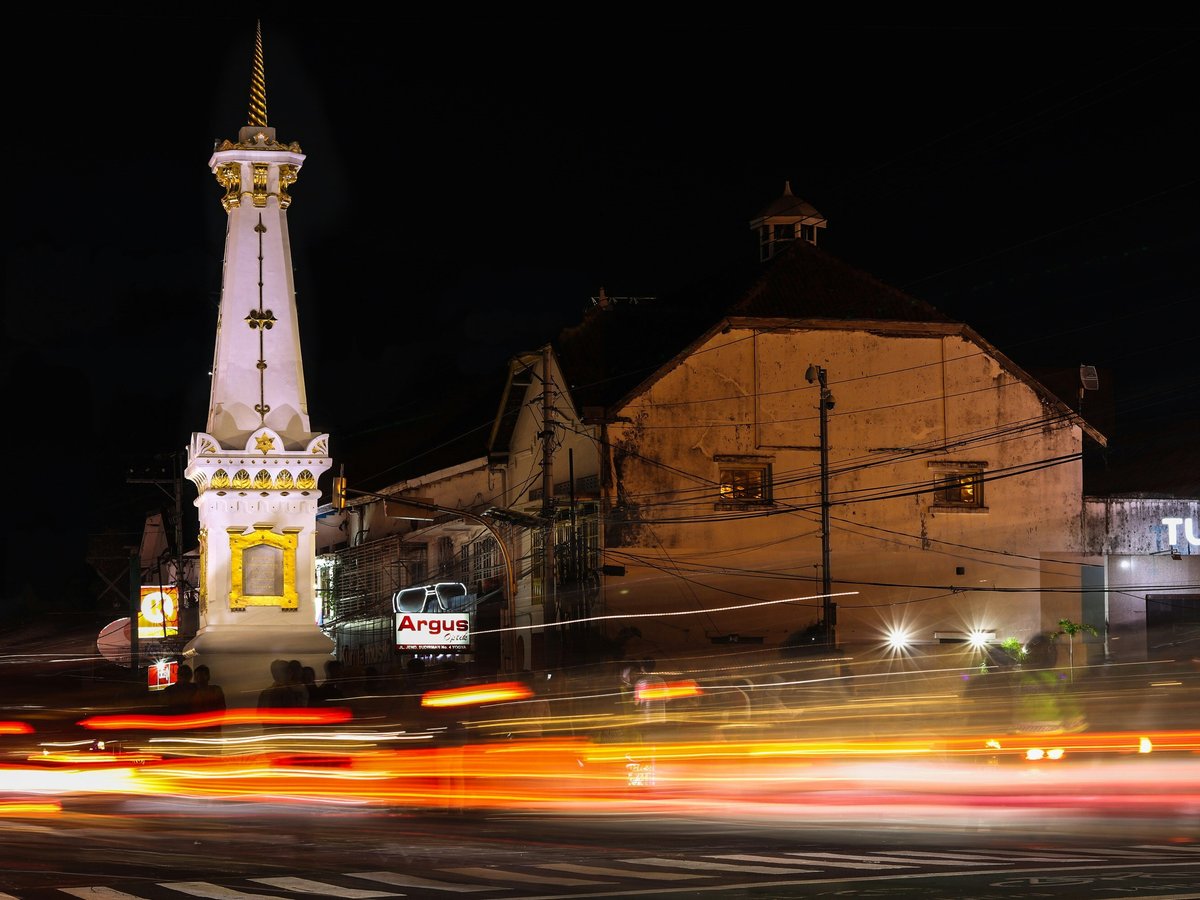
Yogyakarta runs along a single north-south axis. The Kraton, the sultan's palace, anchors the southern end. From there, Malioboro stretches north to the Tugu monument; beyond it, the city fans out along the Ring Road toward the university belt and the slopes of Sleman at the foot of Mount Merapi. Where you sleep on that line shapes the trip. In the old city, the palace, Taman Sari water castle, and the batik lanes are all walkable. The northern suburbs offer a quieter base with better access to Borobudur and Merapi. Further out, in the rice-field villages, the hotel is the destination. The three neighborhoods below track that line from north to center to countryside. Boutique inventory in Jogja is thinner than in Bali, and most of the best-rated rooms sit in larger properties that draw on Javanese design rather than small guesthouses. Settle the area question first (angkringan stalls, a mall food court, or nothing but paddies after dark) and the hotel choice follows naturally.
See the picks → -
Best hostels
Yogyakarta is a cheap city to sleep in, and where the beds are tells you why. Most rooms a hostel traveler would want sit within reach of Jalan Malioboro, the long shopping street running south from Tugu station toward the Kraton, the Sultan's palace. The lanes off it: Dagen, Sosrowijayan and Pasar Kembang: hold the densest concentration of guesthouses. Rooms rated above 9 regularly cost less than $40 a night. Farther out, the city spreads north and east into Sleman regency, where Caturtunggal and Maguwoharjo trade the Malioboro foot traffic for university streets, malls and a short run to Adisutjipto airport. East of the Code river, Pakualaman and Gondokusuman offer quieter residential blocks, a second royal palace and Dutch-era streets. The choice comes down to how you plan to move: near Malioboro you walk or flag a becak; from the suburbs you take ride-hail toward Prambanan and Borobudur. Each area below names its best-rated budget pick so you can compare directly and choose the setting that fits your trip.
See the picks → -
Where to stay
Where you sleep in Yogyakarta decides how you spend your days. The old city runs north to south along one spine, from Tugu station down Jalan Malioboro to Beringharjo market and the Kraton, and most hotels here sit within reach of that line. West of Malioboro, the lanes of Gedong Tengen around Dagen and Sosrowijayan hold the densest budget inventory in the city, putting the trains, the market and the late-night angkringan stalls a short walk away. East across the Code river, Pakualaman is quieter and has its own palace. Further out, the Depok side of Sleman shifts the pace entirely. Caturtunggal, Condongcatur and Maguwoharjo trade walkable heritage for malls, ring-road access and the drive east to Prambanan. Pick the lanes if you want to walk everywhere and eat on the street. Pick the north and east if you are travelling with a driver, bringing family, or want more room for the same money. The neighborhoods below run from the busiest core outward, and each one lists what a room there buys you.
See the picks →
food
-
Best cafes
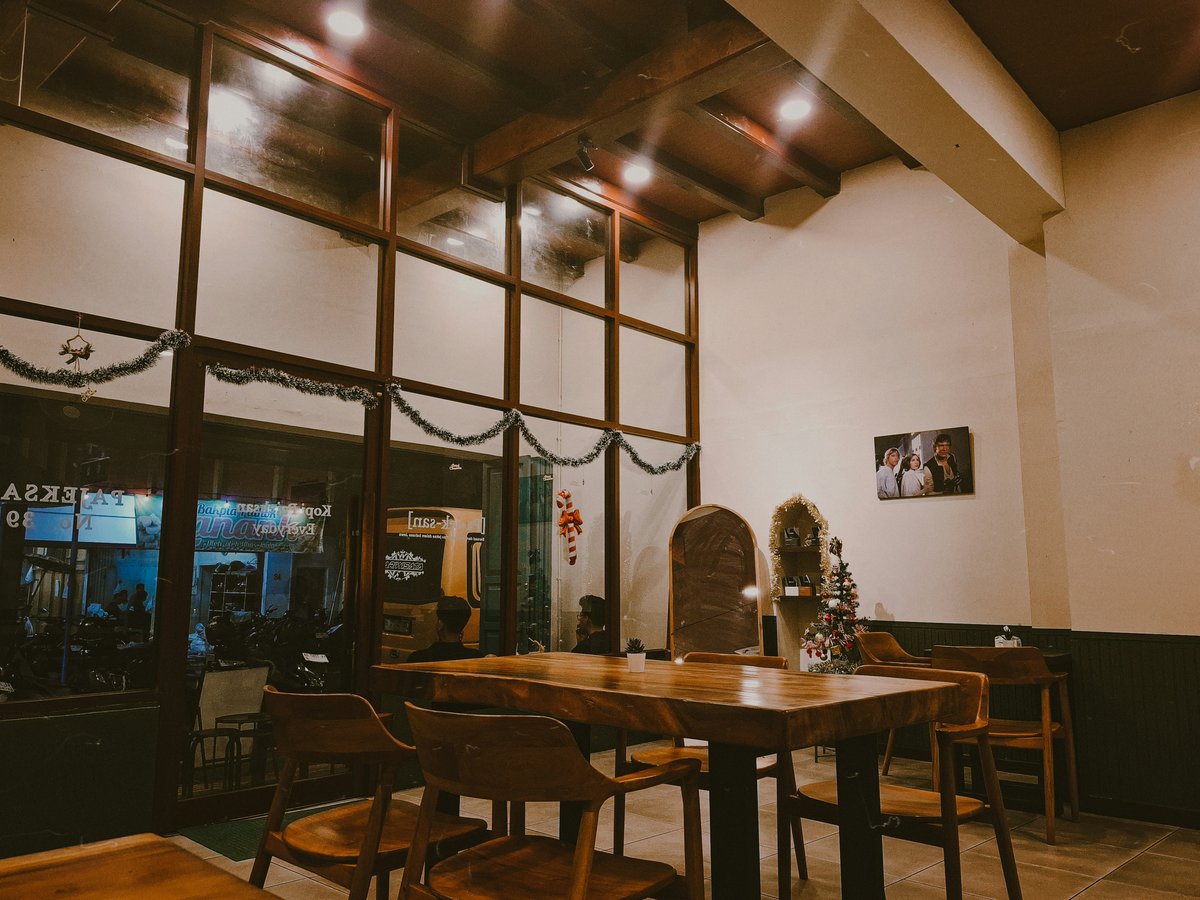
Yogyakarta's cafes keep two schedules at once: early starts for people who work, and late closes for people who talk. These 12 cover the whole day. A gym cafe opens at 06:00, an angkringan serves until 05:30, and a German kitchen lists itself as open from 00:00 to 24:00. Some are coffee shops and nothing more. Others serve Indonesian and regional cooking with the cup, or noodles, and one puts tea in its name. The selection is built for range, not polish. This list is for the remote worker who needs wifi and fries, the early riser who wants coffee after a workout, and the night owl who wants to finish the evening somewhere still open. Use the hours as your map: this city rewards people who plan by the clock, not by the queue.
See the picks → -
Best restaurants
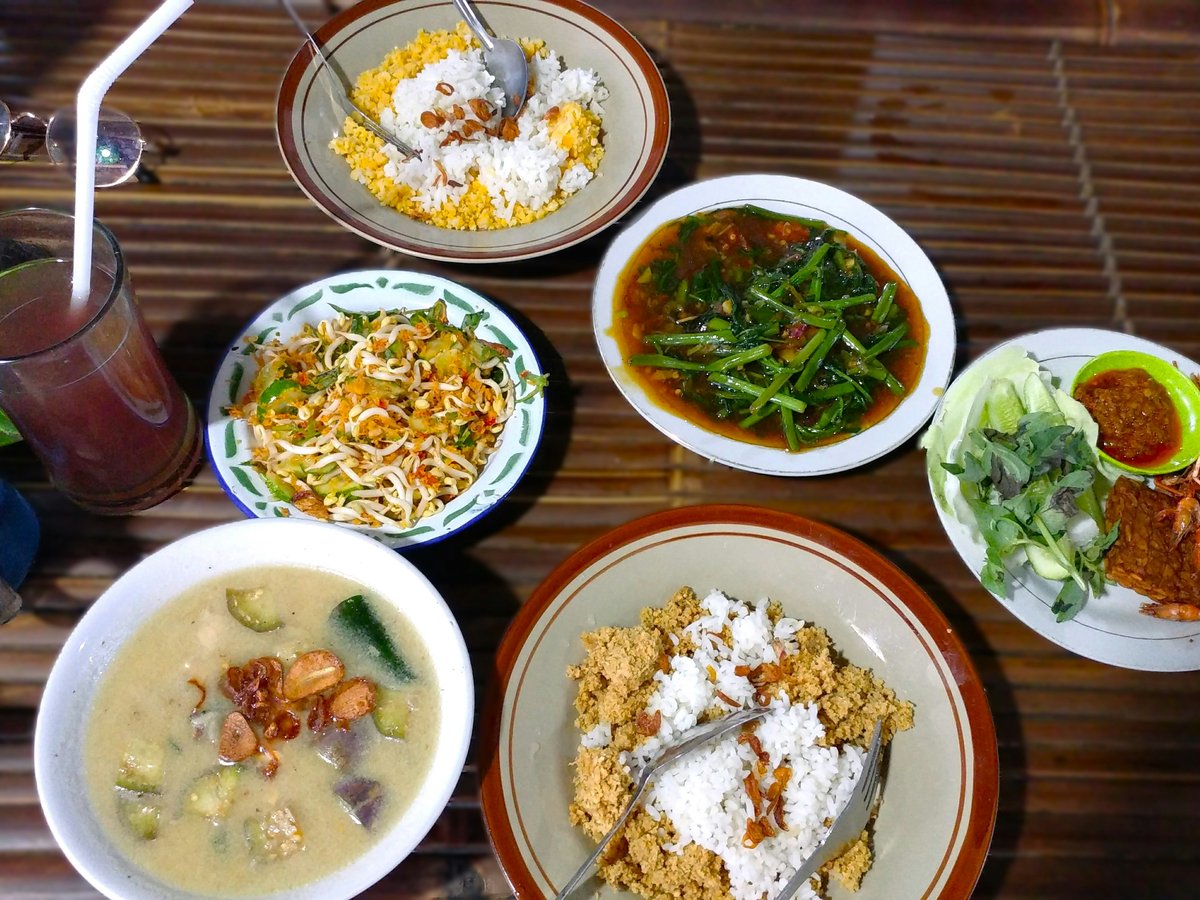
This list leans south, and it is built for people who eat on their own schedule. Three of the twelve sit on Jalan Prawirotaman. Two more sit on Jalan Tirtodipuran, and Jalan Parangtritis adds a third southern address. That cluster rewards a visitor who stays in one part of town and walks to dinner. The rest spread north. One is on Malioboro, an evening stop sits on Jalan Magelang, and two share the 55223 postal code in Terban. The hours tell the real story. One kitchen runs 24/7, another stays open until 02:00 on Fridays and Saturdays, and one doesn't open before 16:00. The menus run from regional and local Indonesian cooking to Mexican, pastry and pizza. Nothing here is fine dining, and none of it is trying to be. This is a working list for a working appetite: where to go at breakfast, at 23:00, or when you want rice on one side of the table and pasta on the other.
See the picks →
Browse by traveler type
- For foodies
Yogyakarta for foodies
- For families with kids
Yogyakarta for families
- For digital nomads
Yogyakarta for digital nomads
- For solo travelers
Yogyakarta for solo travelers
- For couples
Yogyakarta for couples
- For budget travelers
Yogyakarta on a budget
- For first-timers
Yogyakarta for first-time visitors
Book experiences in Yogyakarta
 Free cancellation
 Borobudur Sunrise from setumbu Hill , Merapi Volcano & Prambanan Full Day Tour
Day trip: 12 hours, free cancellation.
via Viator Free cancellation
 Borobudur Temple Climb To The Top & Prambanan Temple - 1 day tour
Day trip: 8 hours, free cancellation.
via Viator Free cancellation
 Yogyakarta: Borobudur Top Access & Prambanan Temple Private Tour
Day trip: free cancellation.
via Viator Free cancellation
 From Surabaya / Malang : Mt Bromo Sunrise - Ijen Blue Fire 2D1N
Outdoor experience: 2 days, free cancellation.
via Viator Free cancellation
 Jogja Hidden Gems - Cycling Tour
Outdoor experience: 3 hours, free cancellation.
via Viator Free cancellation
 Selogriyo Temple and Trekking Java Rice Terraces, hidden waterfall -Nature Java
Outdoor experience: 10 hours, free cancellation.
via Viator Free cancellation
 Jakarta Bogor Botanical Garden, Waterfall and Rice terrace, Lunch
Outdoor experience: free cancellation.
via Viator Free cancellation
 Private 3-Day Java Tour: Bromo & Ijen from Bali
Outdoor experience: 3 days, free cancellation.
via Viator Free cancellation
 Prambanan Temple and Ramayana Ballet Show (VIP Seat with dinner)
Day trip: 7 hours, free cancellation.
via Viator Free cancellation
 Borobudur, Merapi Volcano and Prambanan Temple Private Tour
Day trip: 12 hours, free cancellation.
via Viator Free cancellation
 Borobudur and Prambanan Tours from Yogyakarta City
Day trip: free cancellation.
via Viator Free cancellation
 A day Private Tour Jomblang cave and Pindul Cave Tubing
Outdoor experience: free cancellation.
via Viator