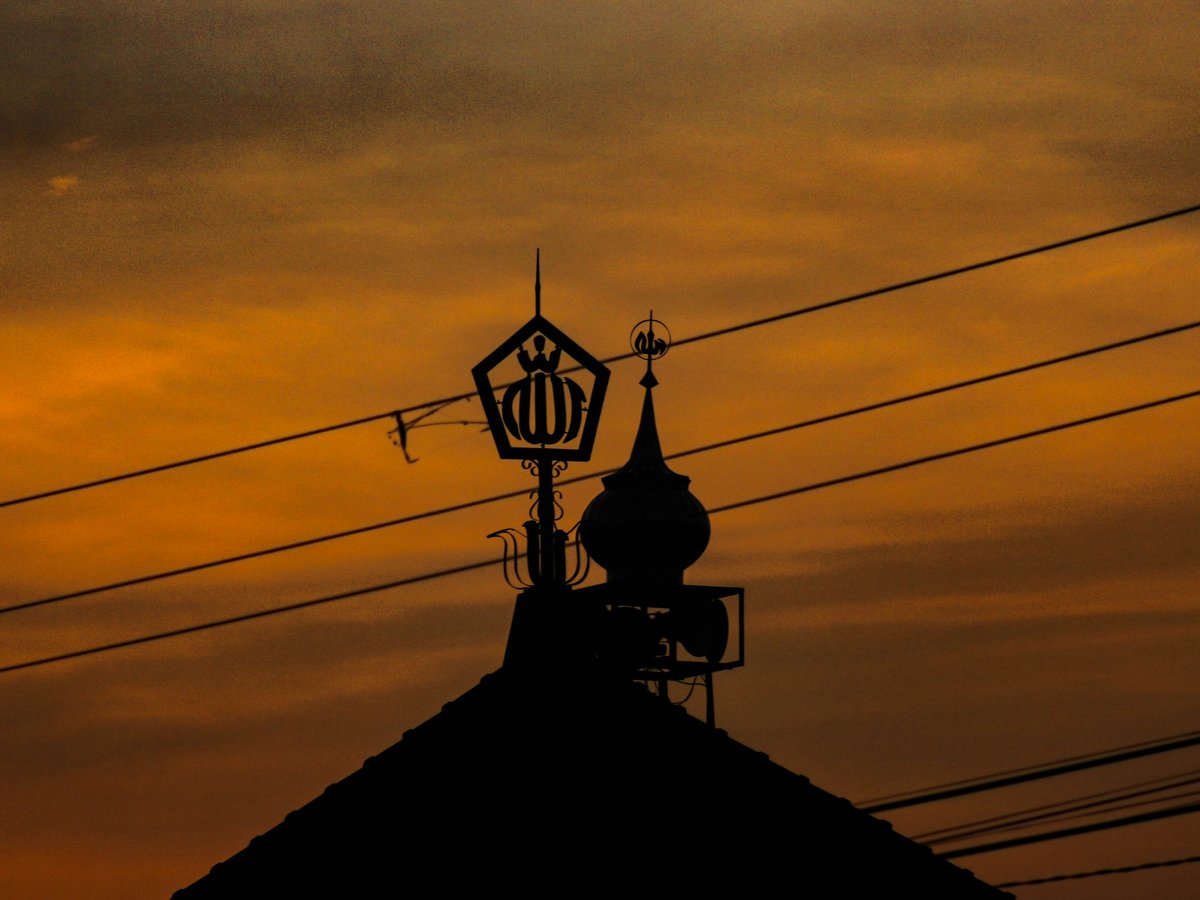
What cultural etiquette should I know for Yogyakarta?
In Yogyakarta, give, take, eat and pay with your right hand, and point with your right thumb. Cover shoulders and knees at the Kraton, Masjid Gedhe Kauman and Prambanan. Address people as Mas, Mbak, Pak or Bu. Tipping is optional. Never joke about Sultan Hamengkubuwono X, whom locals hold in real affection.
The mistake first-timers make most in Yogyakarta is using the left hand. Javanese custom reserves it for the bathroom, so passing a Rp 50,000 note, a plate of gudeg or a business card with it reads as careless at best. Use your right, and when you hand something to an elder, rest your left fingertips lightly under your right forearm, the way shopkeepers on Jalan Malioboro do it back to you. Pointing follows the same Javanese logic: locals point with the right thumb, fingers curled, so jabbing an index finger at a becak driver looks rude. To call a becak over, beckon palm-down with your fingers brushing toward you.
The second thing that matters is the Sultan. Sri Sultan Hamengkubuwono X rules the Kraton Ngayogyakarta Hadiningrat, a court that traces its founding to 1756, and he is also governor of the Special Region of Yogyakarta, which makes it the only Indonesian province where the governor's post is hereditary. People here speak of him warmly, so a cheap joke about the palace in a Prawirotaman bar will land badly. Inside the Kraton, the abdi dalem still keep court protocol: these palace retainers wear batik and blangkon headcloths, and you should stoop slightly as you pass them. Javanese musicians treat each bronze gong in the Kraton pavilions as sacred and take their own shoes off before sitting down to play. Mornings there smell of jasmine offerings and clove smoke.
Third, keep your voice down. Javanese manners prize being alus, meaning refined and quiet, and if you shout over a Rp 10,000 overcharge at Pasar Beringharjo, you lose the argument even when you are right. Bargain with a smile. Many visitors open at about half the first quote for batik on Malioboro, and once you name a price, you pay it. Settle becak and andong fares before you climb in, because most arguments start at the drop-off. After dark, the lesehan stalls along Malioboro serve you cross-legged on woven mats, so tuck your feet so your soles face nobody. The mats feel gritty, the air smells of charcoal and sweet gudeg, and buskers with guitars work the row.
Timing shifts the rules. Ramadan is expected to run from around 8 February to early March 2027, and during those weeks you should eat and drink discreetly in daylight and expect warungs around Kauman to hang cloth curtains across their fronts. Public kissing draws stares anywhere in the city, and TTDI scores Yogyakarta's LGBTQ+ friendliness at 2/10 (sourced from TTDI's editorial rubric), so same-sex couples should keep affection private, even in backpacker-heavy Prawirotaman. Alcohol is legal but low-key: Indomaret and Alfamart minimarkets stopped selling beer under a 2015 trade ministry ban, and drinking on the pavement near Malioboro is frowned on.
Cultural norms
Greetings in Yogyakarta follow Javanese hierarchy. When meeting someone older or of higher status, a slight bow with the right hand touching the chest (called "salim" when extended to touch their hand) signals genuine respect. Indonesians use "Mas" for younger men and "Mbak" for younger women in casual address, while "Pak" and "Bu" cover older or senior counterparts. Handshakes are common but always use the right hand; the left is considered unclean for passing objects, eating, or touching others.
At the Kraton palace complex, Prambanan, and any mosque including the grand Masjid Gedhe Kauman, women should cover their shoulders and knees, and men should avoid shorts. Many mosques lend sarongs at the entrance, but carrying your own avoids delays. Remove shoes before entering any home, temple, or mosque: socks are fine inside.
On becak rides and angkot minibuses, keep your volume low and avoid public displays of affection, which draw real disapproval here more than in Jakarta or Bali. Bargaining is expected at Malioboro market stalls but not at warung or restaurants displaying printed prices. Tipping is not obligatory; rounding up a bill by a few thousand rupiah or leaving five to ten percent at sit-down restaurants is appreciated but never demanded. Pointing at someone with a finger is rude: Javanese indicate direction with an open palm or a thumb.
Greetings
Say "sugeng enjing" (Javanese) or "selamat pagi" (Indonesian) for good morning, adding Mas or Mbak for younger people and Pak or Bu for elders. A handshake is a light touch, and afterwards your right hand goes to your chest. When you pass seated people, stoop, lower your right hand and say "nuwun sewu". Thank people with "matur nuwun".
Don't do this
- Passing cash, food or gifts with your left hand
- Pointing your index finger at anyone, a Malioboro becak driver included
- Touching anyone's head, including children at Alun-Alun Kidul
- Stepping over the gamelan instruments at the Kraton or at a wayang show
- Making jokes about the Sultan or his family
- Climbing roped-off stones or sitting on balustrades at Prambanan and Plaosan for photos
- Shouting during a price dispute at Pasar Beringharjo or with an andong driver
- Walking in front of someone who is praying at Masjid Gedhe Kauman
Tipping
Tipping is optional. Many sit-down restaurants already add a service charge, so there is no need to leave anything extra. For everything else, round Grab fares up, give porters Rp 5,000 to 10,000 per bag, and budget Rp 20,000 to 50,000 for a Kraton guide. At Rp 18,043 to the US dollar, Rp 10,000 works out to about 55 cents.
Dress code
Cover shoulders and knees at the Kraton, Masjid Gedhe Kauman and Prambanan. Prambanan staff usually hand out a batik sarong with the ticket, and Kraton staff may stop you for a tank top or short shorts. Humidity was 87% at dawn on 20 October 2026 and it felt like 30.3°C, so wear loose linen trousers and a light cotton shirt.
Religious norms
Most people in Yogyakarta are Muslim, and Masjid Gedhe Kauman is the sultanate's royal mosque on the west side of Alun-Alun Utara. Remove your shoes at the steps, and women should cover their hair. Non-Muslims should stay in the courtyard during the five daily prayers and the Friday midday prayer. When the azan sounds across Kauman, lower your voice, and never photograph worshippers without asking first.
Last verified by automated review (v1.7.2) on . What is automated review?