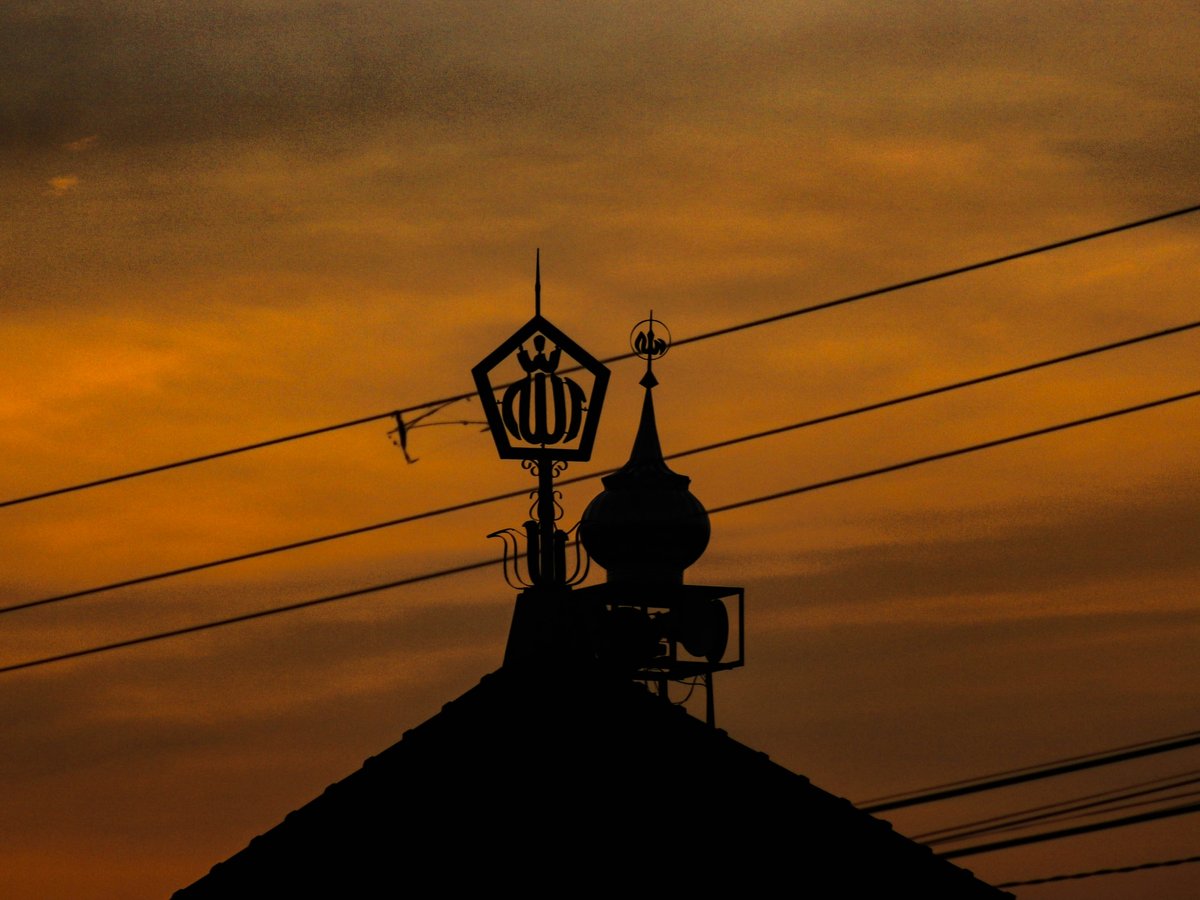
Yogyakarta goes out on coffee and conversation first, and on beer a distant second. The city runs on students. Universitas Gadjah Mada and dozens of other campuses fill the kampung north of the centre, so a typical night starts around 9 PM at an angkringan, a pushcart lit by a single bulb that sells nasi kucing (fist-sized rice parcels wrapped in banana leaf) for a few thousand rupiah. Locals sit cross-legged on woven mats, smoke kretek clove cigarettes, and talk until 1 or 2 AM. Alcohol is around, but it stays in the background. Indonesia is Muslim-majority, and the Sultanate that has ruled from the Kraton since 1756 still sets a conservative tone. Bars cluster in the tourist pockets of Prawirotaman and Sosrowijayan, and clubs sit mostly in hotels and on the arterial roads north of Tugu. Afternoons can be brutal. It hit 35.8°C at 2 PM on 24 September 2026, so the streets only really fill once the heat breaks after sunset.
Bars in Yogyakarta: Beer Gardens, Backpacker Dives and Hotel Lounges
Bintang is the default drink in Yogyakarta. Most people order the big 620 ml bottle to split around the table, and it costs IDR 45,000 to 70,000 in a bar. Imported spirits carry heavy import duty, so a cocktail made with a brand-name gin can cost three times as much as that beer. That's why most Jogja cocktail menus lean on local arak or rum. Prawirotaman has the densest spread of bars. It has garden bars with fairy lights strung over frangipani trees, a few upstairs terraces, and guesthouse bars where the reggae covers get loud after 10 PM. The dives are on the gang (alleys) of Sosrowijayan, one block off Jalan Malioboro. The plastic chairs are sticky there, the fans barely move the air, and the beer is the cheapest in the centre. There's no real rooftop culture. The few high terraces belong to hotels along Jalan Malioboro and Jalan Mangkubumi, where the view runs north toward Tugu Yogyakarta and the traffic hum rises from below. Wine is a hotel-lounge product in Jogja and it's priced to match. Most locals skip alcohol altogether. They order kopi joss at the angkringan near Tugu station instead, a glass of black coffee with a live coal from the brazier dropped in. It hisses, it smells of smoke, and it tastes faintly of charcoal.
Clubbing in Jogja: EDM, Dangdut Koplo and Late Starts
The club scene in Yogyakarta is small and runs late. Doors usually open around 10 PM, but floors stay thin until midnight and peak between 1 and 3 AM. Most clubs sit inside hotels or along the main roads north of the centre, particularly Jalan Magelang and the Seturan–Babarsari corridor out east. The sound runs to EDM, commercial hip hop and funky house. Plenty of venues also run dangdut koplo nights, where Javanese pop locks into a relentless kendang drum pattern and the crowd sings every word. Hotel clubs enforce a dress code: men in shorts or flip-flops tend to get turned away, so wear closed shoes and a collared shirt. Indonesia's legal drinking age is 21, and bouncers at the bigger venues sometimes ask foreigners for a passport or a photocopy. Table bookings with a minimum spend are standard for local groups on Friday and Saturday. Walk-ins usually pay a door charge that includes one drink; check the current rate at the door because it shifts by night and by DJ. Everything goes quiet during Ramadan: many venues close for the whole month or cut back to lounge hours, so check the Islamic calendar before planning a big night.
Live Music: Jazz Villages, Javanese Hip Hop and Street Angklung
Live music is where Yogyakarta outperforms its size. Ngayogjazz is a free annual festival, usually held in November, that moves to a different village each year. Stages go up in rice fields and village squares, and the crowd sits on the grass with plastic cups of wedang jahe (ginger tea). Prambanan Jazz Festival brings bigger international names to the grounds of the temple complex that dates to around 850. Jogja Hip Hop Foundation, formed by Marzuki Mohamad, raps in Javanese and sometimes over gamelan samples; its members still play hometown shows. The experimental duo Senyawa comes from the city's noise and DIY underground, which moves between art spaces and campus venues: follow gig posters on Instagram rather than venue listings. On any night of the week, angklung ensembles set up on Jalan Malioboro and play bamboo-rattle versions of pop hits for tips. In Prawirotaman, guesthouse bars book acoustic cover bands Thursday through Saturday, with sets usually starting around 9 PM. For something older, the Kraton puts on gamelan and classical dance performances that run in the daytime: book them before the night out rather than instead of it.
Nightlife neighborhoods
-
Prawirotaman
A leafy expat and backpacker strip south of the Kraton, lined with garden bars, craft-coffee spots and guesthouse terraces. Cover bands start around 9 PM; the quiet lanes smell of frangipani and clove smoke.
- Best for
- First-timers, couples and anyone who wants a relaxed beer with Western food on a weeknight.
- Standouts
- Garden bars and guesthouse terraces along Jalan Prawirotaman and Jalan Parangtritis.
-
Sosrowijayan
A tight grid of alleys off Jalan Malioboro: cheap beer, plastic chairs, humming fans and backpackers comparing Borobudur sunrise tours until the early hours.
- Best for
- Budget travellers and solo backpackers looking for company on any night of the week.
- Standouts
- Hole-in-the-wall bars and warung in the gang between Jalan Malioboro and Jalan Pasar Kembang.
-
Tugu and Jalan Mangkubumi
The angkringan capital of Yogyakarta. Charcoal braziers glow along the pavement near the station, kopi joss hisses in glass tumblers, and students sit on mats until 2 AM.
- Best for
- A sober, social late night the way locals do it, especially Friday and Saturday.
- Standouts
- Angkringan carts on the streets around Tugu station and the Tugu monument.
-
Alun-Alun Kidul
The southern palace square turns into a carnival after dark. Pedal cars wrapped in LED lights circle the lawn, wedang ronde vendors ladle hot ginger soup, and visitors try masangin: walking blindfolded between the two banyan trees.
- Best for
- Families, groups of friends and anyone who wants an alcohol-free night out between 7 PM and midnight.
- Standouts
- The rented light-up pedal cars and the wedang ronde stalls around the square.
-
Seturan and Babarsari
A student district in the east, close to several private universities. Cafes stay open late, karaoke rooms fill up, a few louder clubs run past 2 AM, and the traffic never really stops.
- Best for
- Young crowds, karaoke groups and anyone after the local weekend club scene rather than the tourist one.
- Standouts
- Late-opening cafes, karaoke venues and clubs along Jalan Seturan Raya and Jalan Babarsari.
-
Jalan Kaliurang
Locals call it Jakal: a long road running north past Universitas Gadjah Mada, lined with 24-hour coffee shops full of laptops, board games and the smell of palm-sugar iced coffee.
- Best for
- Digital nomads, students and night owls who want a caffeinated night out rather than a drunk one.
- Standouts
- Late-night coffee shops between the UGM campus and the ring road.
Safety after dark
Yogyakarta scores 5.8/10 for solo-traveler safety (see the TTDI Solo-Safety Index). Violent crime against visitors is rare, but snatch theft from motorbikes happens on dark roads. To get home, book a Gojek or Grab car or bike in the app. You get a fixed fare and a recorded route, and there's no haggling at 2 AM. On Jalan Malioboro, becak drivers will offer a ride for IDR 10,000 or so, then detour to a batik or bakpia shop for commission. Agree on the fare and destination before you get in. The biggest danger is lapen, a bootleg local spirit. Methanol-tainted batches have killed drinkers in the Yogyakarta region more than once. Never buy unlabelled liquor from a street vendor or a cheap homestay, and treat any arak cocktail at a suspiciously low price with caution. The city is conservative. It scores 2/10 for LGBTQ+ friendliness (sourced from TTDI's editorial rubric), so same-sex couples should keep public affection discreet, even in Prawirotaman. Keep your phone in a front pocket in the Alun-Alun Kidul crowds, and carry a copy of your passport rather than the original.
Practical tips
- Money and costs
- Carry rupiah in small notes: IDR 50,000 and smaller bills cover most of a night at the carts and warung. Check the current exchange rate in your banking app before you head out. Angkringan carts, becak drivers, and street musicians only take cash. Most Prawirotaman bars take cards or QRIS.
- Tipping
- Most sit-down bars and hotel venues add a 10% service charge and 11% tax to the bill, so check the receipt before you tip. At angkringan and warung, round up to the nearest IDR 5,000. Leave IDR 2,000 to 5,000 in the angklung ensembles' box on Jalan Malioboro.
- Timing
- Eat and wander from 7 to 10 PM, bar-hop in Prawirotaman from 9 PM, and hit the clubs only after midnight. Thursday nights draw students, and Saturday is the busiest night everywhere.
- Buying alcohol
- Under a 2015 trade regulation, minimarkets like Indomaret and Alfamart don't sell beer. Buy it at supermarkets, licensed bottle shops, or bars instead, and bring your passport if you look under 30.
- Local customs
- Use your right hand to pass money and drinks. Take off your shoes before stepping onto an angkringan mat, and dress modestly around the Kraton and the mosques. Expect tighter hours and closures during Ramadan and on Islamic holidays.
- Weather
- Nights stay warm and humid for most of the year. From November to March, wet-season downpours can flood the roads around 4 to 7 PM, so wait them out and book your ride home early.
FAQ
Is alcohol easy to find in Yogyakarta?
Yes, in the tourist areas. Prawirotaman, Sosrowijayan and the hotel bars all serve Bintang and cocktails. Outside those pockets alcohol is rare, and the local social scene runs on coffee and angkringan carts instead.
What time do clubs in Yogyakarta close?
Most clubs open around 10 PM, peak between 1 and 3 AM, and wind down by 3 or 4 AM. Hours can shorten without notice around religious holidays and change completely during Ramadan.
What is the best free night out in Yogyakarta?
Take an evening walk down Jalan Malioboro to hear the angklung buskers, then head to Alun-Alun Kidul for the light-up pedal cars and the banyan-tree walk. Finish with kopi joss near Tugu station. The whole route costs under IDR 50,000 including snacks.
Is it safe to drink street alcohol in Yogyakarta?
No. Unlabelled local spirit: called lapen: has caused fatal methanol poisonings in the region. Only drink sealed, branded bottles or order from licensed bars and restaurants.
When is the best time of year for live music in Yogyakarta?
The year's strongest stretch is late in the year, especially November, when Ngayogjazz typically takes over a village outside the city. Jogja's festival calendar shifts year to year, so check dates before you book.
How do I get home late at night in Yogyakarta?
Use the Gojek or Grab app for a car or motorbike taxi at a fixed fare. Becak work fine for short hops if you agree on the price first, but pass on any driver who opens with a suspiciously cheap tour offer.
Last verified by automated review (v1.7.2) on . What is automated review?