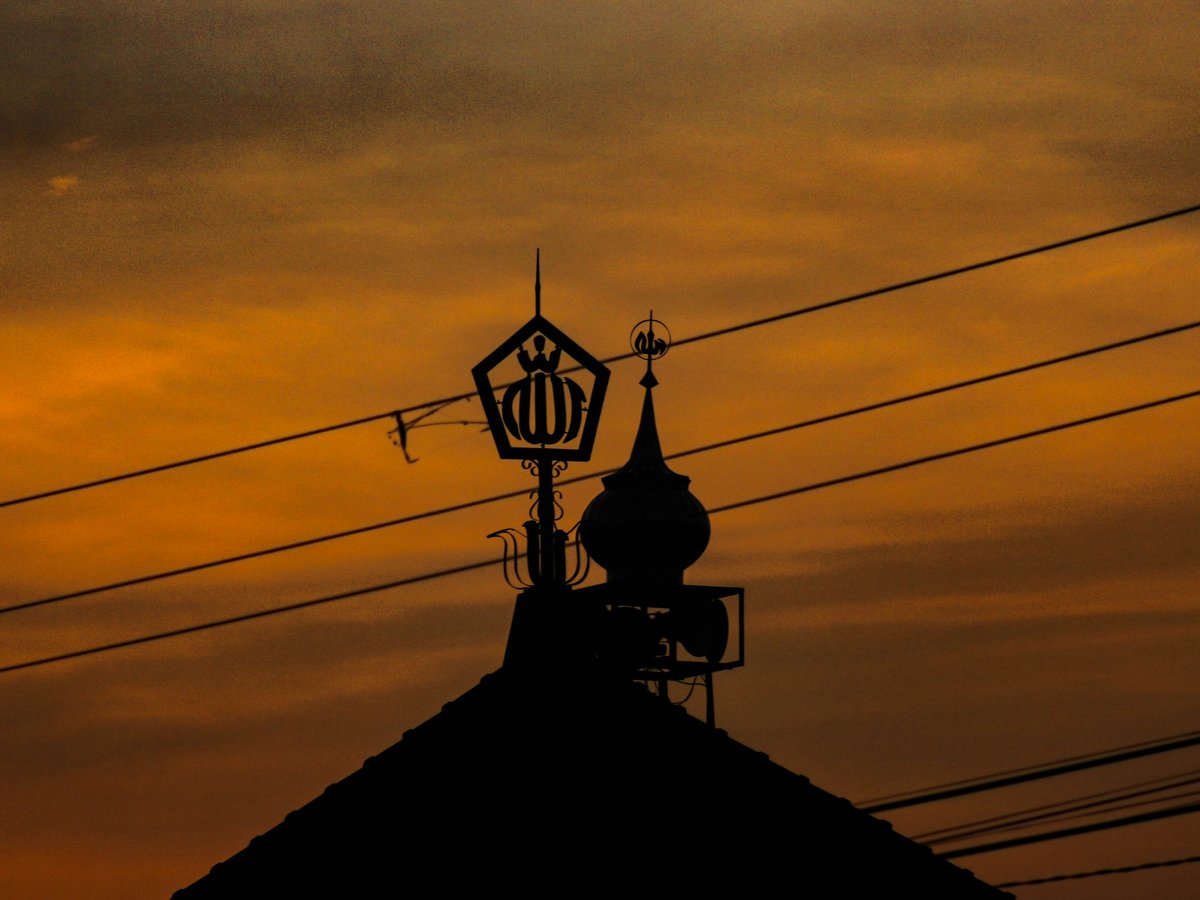
Yogyakarta rewards zero-budget travelers because its royal core is largely open squares and public streets. The Sultan's palace was founded in 1756 and anchors a north-south axis that UNESCO designated in 2023 as the Cosmological Axis of Yogyakarta. The whole line is walkable and mostly free, from Tugu in the north to Panggung Krapyak in the south, past Malioboro's vendors and the Dutch-era facades at Titik Nol Kilometer. The heat, though, is not incidental: at 14:00 on 24 September 2026 the city read 35.8°C with 26% humidity, which makes the window before 10:00 or after 16:00 the only sensible one for walking. The exchange rate works in your favor too: in late September 2026 one US dollar bought about 17,795 rupiah, so the few sites that do charge are cheap by any standard.
Free attractions
-
Tugu Yogyakarta
The white pillar stands at the crossroads north of Jalan Margo Utomo and marks the top of the royal axis. Viewing and photography are free at any hour. After about 21:00 the traffic thins and locals take up the corners for night photos under the streetlights.
Jetis / Gowonganmonument -
Titik Nol Kilometer Yogyakarta
This paved plaza sits at the southern end of Malioboro, and the city measures distances from here. Gedung Agung, the Kantor Pos, and the old Bank Indonesia building face the square: a free open-air survey of Dutch-era civic architecture. The benches fill after sunset with buskers and pedestrians watching the traffic.
Ngupasanlandmark -
Masjid Gedhe Kauman
The Sultanate's Great Mosque stands on the west side of the north square and was built in 1773. Entry is free outside the five prayer times. Dress modestly and remove your shoes at the steps. The courtyard stone stays cool underfoot even at noon: in Yogyakarta, that counts for a lot.
Kaumanplace of worship -
Alun-Alun Kidul
The palace's south square is open grass with two walled banyan trees at the center. The local game, masangin, involves walking blindfolded between the two trees. Stalls rent blindfolds for a few thousand rupiah, though a scarf from your bag works just as well. Entering the square costs nothing. The illuminated pedal cars that circuit the perimeter at night are a paid extra.
Kratonpark / public square -
Panggung Krapyak
This squat stone hunting lodge marks the southern end of the royal axis, about 2 km below Alun-Alun Kidul. It's visible from Jalan KH Ali Maksum at no cost, with a small public area around the structure. Few tourists come this far south, so expect it largely to yourself.
Krapyakhistoric monument -
Museum Sandi
Indonesia's museum of codes and ciphers occupies a colonial villa in Kotabaru. Entry is free, and the museum opens Tuesday through Sunday, closing on Mondays. Check posted hours before visiting, since public holidays can shift them. The displays cover cipher work the Republic used during the 1945–1949 revolution.
Kotabarumuseum -
Museum Sasmitaloka Panglima Besar Jenderal Sudirman
General Sudirman lived in this house on Jalan Bintaran Wetan during the revolution. The rooms still hold his furniture and a replica of the stretcher he was carried on during his guerrilla campaign. Entry is free, and a donation box sits near the door. Like most state museums in the city, it closes on Mondays: plan for Tuesday through Sunday.
Bintaranmuseum -
Masjid Gedhe Mataram Kotagede
This mosque in Kotagede dates to the Mataram sultanate of the early 1600s, making it the oldest in the Yogyakarta area. Its Hindu-style split gate and brick walls are free to see, and the courtyard stays open outside prayer times. The royal graves next door are a separate visit, requiring traditional Javanese dress, which you rent for a fee.
Kotagedeplace of worship -
Lembah UGM
Lembah UGM is a tree-shaded hollow on the Universitas Gadjah Mada campus and one of the few substantial green spaces in the city's north. Joggers and students use it from around 05:30. There's no entry fee, and the shade runs noticeably cooler than Jalan Kaliurang just next door.
Bulaksumurpark -
Embung Tambakboyo
This reservoir in Sleman has a jogging path around the water and an open dike with views north toward Merapi on clear mornings. There's no ticket, though parking attendants may ask a small fee for motorbikes. Around dawn you'll hear frogs and the call to prayer from nearby villages.
Condongcatur, Slemanpark / reservoir -
Gereja Hati Kudus Yesus Ganjuran
This Catholic church in Bantul dates to the 1920s. Its shrine is built in the style of a Hindu-Javanese candi, and Christ is depicted in Javanese royal dress. Visitors enter free and can walk the gardens outside Mass times. It sits about 17 km south of Malioboro.
Ganjuran, Bantulplace of worship
Free activities
-
The royal-axis walk from Tugu to the Kraton
Start at the pillar and head south along Jalan Margo Utomo, Jalan Malioboro, and Jalan Margo Mulyo. It's about 2 km to Titik Nol and takes roughly 40 minutes at an easy pace. You'll smell kretek smoke and grilled corn and hear becak drivers calling out fares. Keep walking past the north square to reach the palace gates.
Malioborowalking route -
Browsing Pasar Beringharjo
Beringharjo is the city's main market, a few minutes' walk from Titik Nol. The ground floor sells batik, and the east wing's upper levels are stacked with dried spices, jamu roots and palm sugar. Browsing is free, and sellers expect you to haggle only if you plan to buy. It's busiest from about 08:00 to 11:00.
Malioboromarket -
Silver lanes of Kotagede
Jalan Kemasan and the alleys around it have been Yogyakarta's silversmithing quarter for generations. Many workshops let you watch the filigree work from the doorway, and the showrooms are free to enter. The back lanes around Jalan Rukunan are worth a slow wander for their old joglo houses and narrow walled paths.
Kotagedewalking route / craft district -
Street art in Prawirotaman and Tirtodipuran
The walls along Jalan Prawirotaman and Jalan Tirtodipuran are covered in murals by Yogyakarta's street artists, and pieces get painted over and replaced every year or so. Walk the two streets as a loop of about 3 km in the late afternoon, when the light is warmer and the pavement is cooler.
Mergangsanpublic art -
Kampung Kauman and Ketandan alleys
Kauman, behind the Great Mosque, is where Ahmad Dahlan founded Muhammadiyah in 1912. Its alleys are too narrow for cars, so you'll mostly hear footsteps and children. Across Malioboro, Kampung Ketandan is the city's Chinatown, with shophouses and red lanterns. Both are free to walk in daylight.
Kauman / Ketandanneighbourhood walk -
Gallery hopping at Cemeti, Kedai Kebun Forum and Sangkring
Cemeti Institute for Art and Society on Jalan DI Panjaitan, Kedai Kebun Forum on Tirtodipuran and Sangkring Art Space in Nitiprayan usually offer free entry to their exhibitions. Opening hours change between shows, so check each space's social accounts on the day. Opening nights often come with free music and a crowd of local artists.
Mantrijeron / Kasihanart galleries
Free events
-
Selasa Wage on Malioboro
Every 35 days, on the Javanese market day Selasa WageOn Selasa Wage, a day in the Javanese calendar, the city closes Malioboro to vehicles and the street vendors shut their stalls so the street can be cleaned. The pavement fills with gamelan, dance troupes and school performances. It's the one day you can walk the whole street without dodging motorbikes.
Jalan Malioboro -
Grebeg processions
Three times a year: Grebeg Syawal, Grebeg Besar and Grebeg Maulud, on dates set by the Islamic calendarPalace guards in period uniform carry gunungan, towering cones of rice and vegetables, from the palace to the Great Mosque. The crowd then scrambles for pieces, each one prized as a lucky charm. Watching from the square is free, but arrive at least an hour early for a view.
Kraton to Masjid Gedhe Kauman -
Sekaten gamelan
Annually, the week before Maulud (dates follow the Islamic calendar)In the days before the Prophet's birthday, the palace's sacred gamelan sets, Kyai Gunturmadu and Kyai Nagawilaga, are played in the pavilions of the Great Mosque. The sound of bronze gongs carries across the north square. Listening is free.
Masjid Gedhe Kauman -
Ngayogjazz
Annually, usually in NovemberNgayogjazz is a free jazz festival held each year in a different village in Sleman, stages set among rice fields and village yards. Indonesian and international acts play from afternoon into the night, and residents sell food from their front porches.
Rotating village venue, Sleman -
Festival Kesenian Yogyakarta (FKY)
Annually, mid-year; dates varyFKY is the city's long-running arts festival, with music, theatre, puppetry and craft markets. Most of the programme is free to attend, and the venue and dates change from year to year.
Varies by edition -
Biennale Jogja
Every two years, in odd-numbered yearsBiennale Jogja is the city's contemporary art biennial, spread across galleries, village halls and heritage buildings. Admission has been free at many venues in past editions, though ticketing policy can change between editions.
Multiple venues across Yogyakarta and Bantul
What costs money: the Kraton, temples and beaches
Several of Yogyakarta's best-known sights charge admission, so they aren't on the free list above. The Kraton palace charges entry, and so does Taman Sari, the old water castle west of it. Fort Vredeburg has been a museum since 1987 and charges admission, with a higher rate for foreign visitors since its recent renovation. Prambanan, founded around 850, charges foreign visitors a ticket in the tens of US dollars, and that ticket also covers Sewu inside the same park. Ratu Boko sells its own ticket, and Plaosan, Kalasan and Sari each charge a small fee at the gate. Banyunibo asks for a donation rather than a fixed fee, but confirm at the site. The prices listed on Wikivoyage's See section can be out of date, so verify them at the gate.
The honest answer on beaches
None of Yogyakarta's beaches are free. Parangtritis, Depok and the Gunungkidul coast all charge a regional retribution fee at checkpoints on the approach roads. The fee runs around 10,000 to 15,000 rupiah per person. If you want free sand, you're out of luck here. The closest free alternative is sunrise at Embung Tambakboyo, 45 minutes by motorbike from the coast.
Getting around without paying
Walking is free, and most of the listed sights sit within 3 km of Titik Nol. Pavements on Malioboro are wide and shaded. South of the Kraton they get narrow and broken, so watch your footing around Jalan Parangtritis. Wikivoyage's Get around section covers the Trans Jogja buses, which cost a few thousand rupiah if you need to go farther. Carry at least 1.5 litres of water in the dry season; the midday sun is unforgiving.
FAQ
Is the Kraton palace free to visit?
No. The Kraton charges admission, and so does Taman Sari. You can still see the palace from outside for free. Walk the north square and Alun-Alun Kidul, which flank the complex, and watch the Grebeg processions when they come out of the gates.
Which museums in Yogyakarta are free?
Museum Sandi in Kotabaru and Museum Sasmitaloka Panglima Besar Jenderal Sudirman in Bintaran are both free to enter, Tuesday to Sunday. Both close on Mondays. Fort Vredeburg and Sonobudoyo charge admission.
What is the best free thing to do at night?
Go to Alun-Alun Kidul after 19:00 and try walking blindfolded between the twin banyans. Then walk north to Titik Nol, where buskers play until around 23:00. Both are free, and the evening air runs several degrees cooler than the afternoon.
Is it safe to walk around Yogyakarta alone at night?
Solo-traveler safety scores 5.8/10 (see the TTDI Solo-Safety Index). Malioboro and Titik Nol stay busy and well-lit until late, making both solid choices for a solo evening walk. Wikivoyage's Stay safe section warns about touts who push batik gallery visits around Malioboro. Politely decline and keep walking.
Is Yogyakarta a good city for a free family day out?
Family friendliness scores 7.2/10 (see the TTDI Family-Friendliness Index). The blindfold game on the south square and the open lawns of Lembah UGM work well for younger children. The cipher machines at Museum Sandi hold older kids' attention.
Are the temples around Prambanan free?
No. The main Prambanan compound and the smaller temples nearby all charge admission, from a small gate fee at Plaosan to a much higher foreign-visitor ticket at Prambanan itself. The only free temple-style building on this page is the candi shrine at Gereja Ganjuran in Bantul.
Last verified by automated review (v1.7.2) on . What is automated review?