Yogyakarta for families
Here's Yogyakarta through the lens of families with kids: the canonical questions worth asking before you book a flight, the curated lists worth opening when you want a shortcut to local expertise, and the live right-now data below ready to inform your next decision about when, where, and how to spend your time on the ground.
Yogyakarta for families with kids, in numbers
- Score for families
- 7.2 out of 10
- Picks on this page
- 24 places across 2 lists, led by Prambanan Temple, Kraton Ngayogyakarta Hadiningrat, Kalasan Temple
- Posted hours
- 3 picks post hours earliest 07:30, latest 16:00; 3 open by 09:00, 0 past 21:00
Questions families with kids ask about Yogyakarta
-
Is it safe?
Yogyakarta is safe enough for a solo trip, with caveats. We score it 5.8/10 for solo-traveller safety (see the TTDI Solo-Safety Index), and violent crime against visitors is rare. The real risks are motorbike traffic, batik-gallery touts on Jalan Malioboro, rip currents at Parangtritis, and klitih street attacks on outer roads after 1am. Dial 112 in an emergency.
Read the full answer → -
What to pack
Pack knee-length bottoms and shoulder-covering tops for Kraton Ngayogyakarta Hadiningrat and the city's mosques. Quick-dry cotton handles afternoons in the mid-30s°C; one long-sleeve layer covers the pre-dawn Borobudur and Merapi trips. Closed shoes with grip, a buff against volcanic ash, and small rupiah notes round out the essentials. Buy a rain poncho and a batik shirt on Jalan Malioboro rather than packing them from home.
Read the full answer → -
Getting around
Use Gojek or Grab by default. The fare shows upfront, and a car from Malioboro to Prawirotaman usually costs Rp 20,000 to 30,000. From YIA airport, take the train to Tugu Station. For Prambanan, ride the KRL Commuter Line east. Walking works around Malioboro and the Kraton, but go before 10am: Yogyakarta's afternoon heat is brutal.
Read the full answer → -
Best time to visit
Visit Yogyakarta in May, June or September. The dry season runs roughly May to October. Afternoon storms mostly stop, and the Ramayana Ballet at Prambanan moves outdoors. Skip late June to mid-July if you can: Indonesian school holidays fill the Malioboro hotels. December to February brings the heaviest rain.
Read the full answer → -
Cost per day
Yogyakarta runs about Rp 267,000 ($15) a day on a budget: a dorm bed, gudeg and angkringan meals, and Trans Jogja buses. Midrange is about Rp 800,000 ($45) for a Prawirotaman pool guesthouse, Grab rides, and one sit-down dinner. Luxury starts near Rp 3,900,000 ($219) for a heritage hotel with a private driver. Temple days cost extra at every tier.
Read the full answer →
Curated for families with kids
-
Must-see attractions
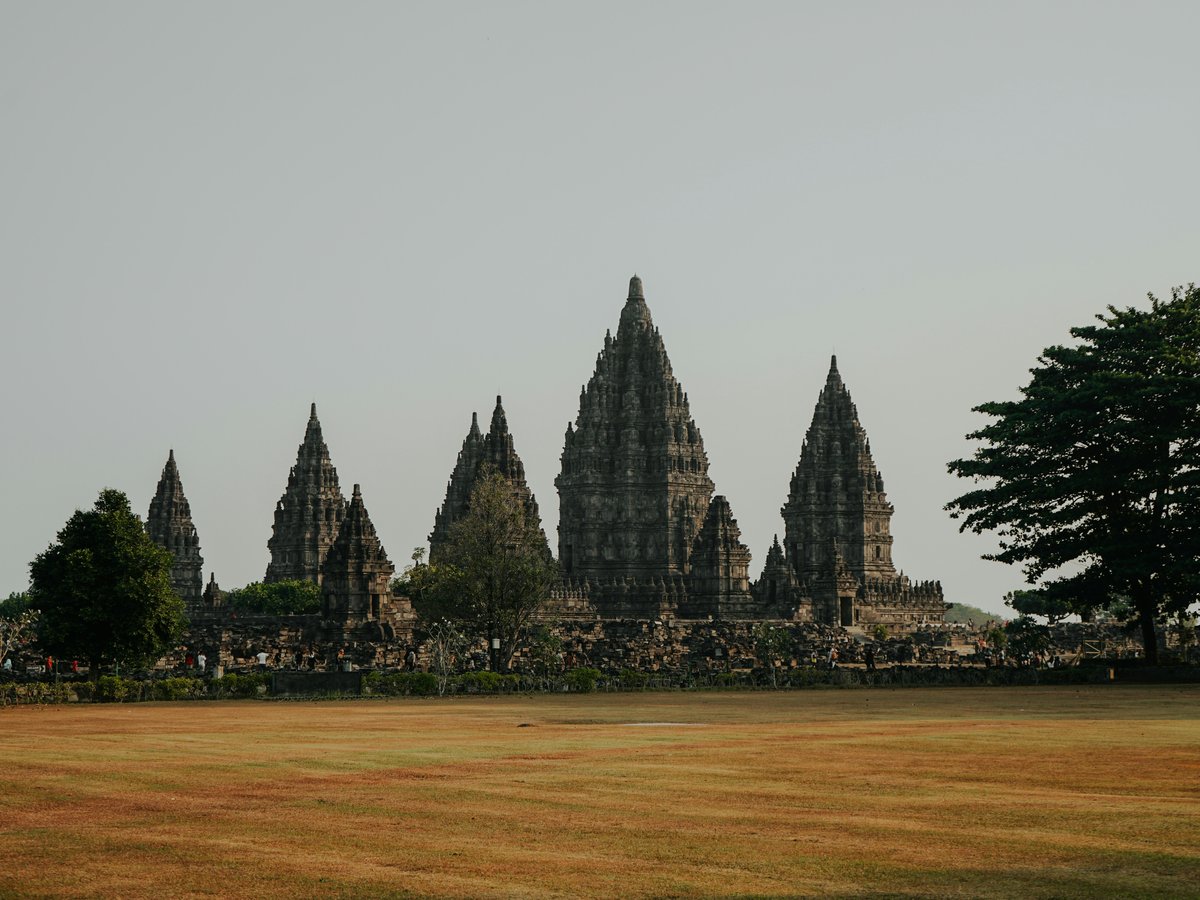
Yogyakarta's must-sees cover a long stretch of time. The list runs from Prambanan, a Hindu temple dated to AD 850, to the UGM Campus Mosque, dated 1999, and most of what sits between them is stone: Kalasan, Sewu and Sari are Buddhist temples, and Ratu Boko is recorded as an archaeological site. The town has its own landmarks: a palace complex dating from 1756, a great mosque from 1773 and a monument known as the Tugu, all three forming part of a UNESCO World Heritage Site, while Prambanan holds that designation in its own right. This list is for travellers who will get up early, carry water and give the temples one full day and the town another. If you want a single photo stop and a souvenir stall, you will be happier somewhere else. If you want to stand in a place long enough to understand why people keep coming back to it, start here.
See the picks → -
Best museums
Yogyakarta's museums are mostly about the last hundred years, telling that century from several sides. The oldest of the twelve below dates from 1935 and the youngest from 2006. Between them sit a military museum, an air force museum, a pyramid-shaped museum of the Indonesian National Revolution, and a museum that holds the remains of Prince Diponegoro. If you'd rather look at pictures than at history, there is an art museum and a modern art museum, and one collection keeps batik in its name. This list is for the traveller who has seen the postcard sights and now wants to know how the city understands itself. Expect plain captions, few crowds, and stories told mainly for local visitors. Opening hours are listed only where we could confirm them, so where they are missing, check the museum's own channel before you set out.
See the picks →