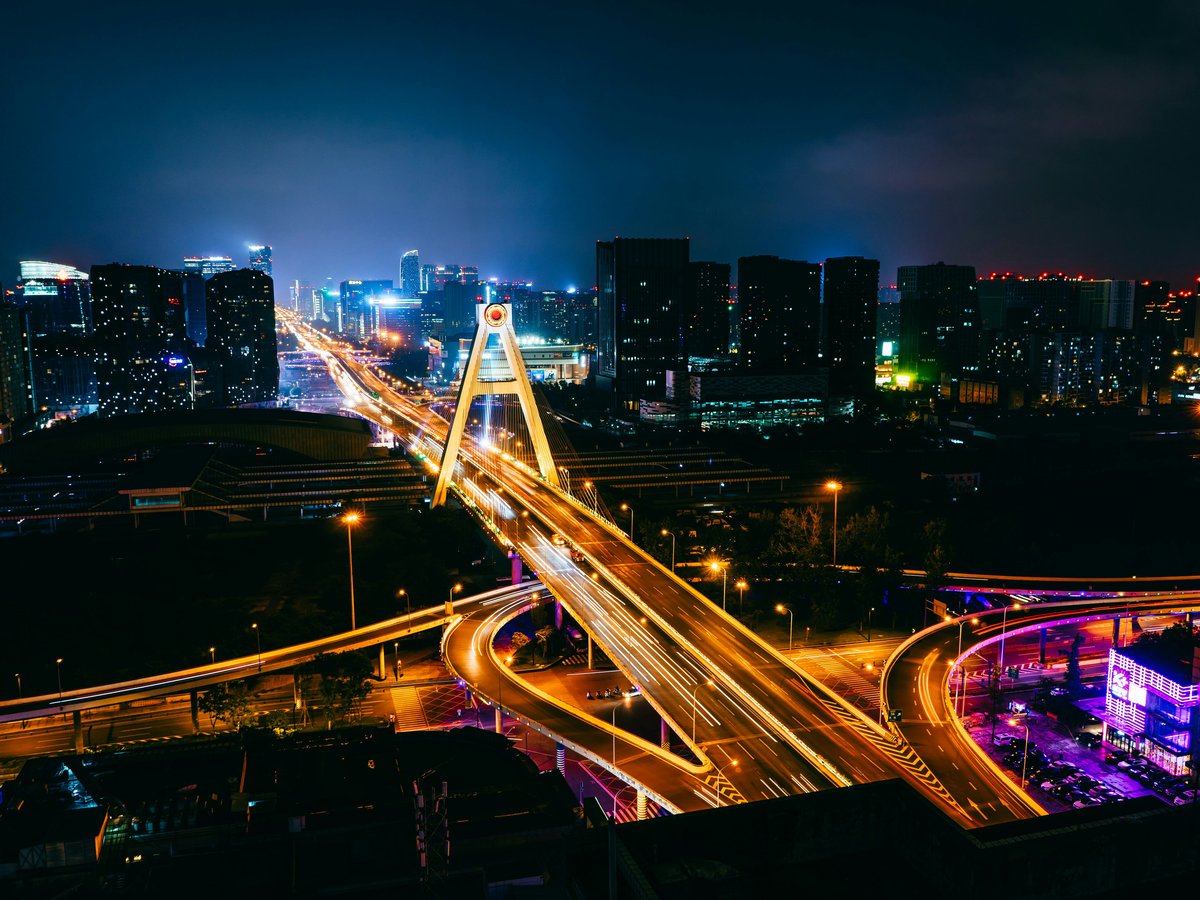
A September evening in Chengdu might sit around 23°C with humidity near 78%, the kind of warm, sticky air that steers locals toward outdoor tables and cold beer rather than hotel lobbies. This is a city that has earned its reputation across China as a place where leisure functions like civic infrastructure. The Sichuanese capital of roughly 21 million people rarely sits down to dinner before 8 PM, and the night stretches from there. The local word bashi (巴适), meaning comfortable and satisfying, captures how Chengdu people approach an evening out. In Jiuyanqiao, the main bar strip along the Jinjiang River, dice games rattle across tables while mala hotpot smoke drifts from the restaurants next door. Tea houses that have operated for over a century share neighborhoods with cocktail spots less than 2 years old. Hip-hop and indie rock from Chengdu reached national audiences during the mid-2010s, but the default mode remains a table of 6 friends, shared plates of maocai, and bottles of Sichuan baijiu passed around for toasting. Most locals won't head to a bar before 10 PM. Club floors don't fill until midnight on Fridays and Saturdays.
Bars in Chengdu
Chengdu's bar culture runs along a clear geographic divide. The Jiuyanqiao strip holds dozens of bars packed shoulder to shoulder, and on weekend nights the whole stretch smells like cheap lager and grilled chuanr from the skewer vendors stationed between doorways. The eastern end of Jiuyanqiao brings plastic stools, Snow Beer tallboys for around 10 CNY, and a bluffing dice game called chuiniu that locals will happily teach anyone willing to sit down. West of the Nine-Arch Bridge, things tilt toward cocktail seating and house music at a conversational volume. The cocktail scene has grown noticeably across Chengdu since around 2018. Bars in the Taikoo Li area and scattered through Yulin often feature house-made syrups built around Sichuan huajiao, chenpi (dried tangerine peel), and seasonal local citrus. The numbing, tingling finish of peppercorn in a gin drink is a Sichuanese regional signature, not a novelty. Rooftop options are limited by Chengdu's famously overcast skies. The city averages fewer than 1,000 hours of sunshine per year, so rooftop bars operate seasonally and many close by October. When they're open through summer, elevated spots near the IFS tower and hotel terraces along Renmin South Road offer views of the skyline, including the 339-meter West Pearl Tower that opened in 2006. Wine bars have appeared along Tongzilin South Road in recent years, where a younger professional crowd gathers after work. Natural wine from the Ningxia region and imported bottles from France and Georgia sit on the same lists. These spots fill around 8 PM and thin out by 11 PM, an early rhythm by Chengdu standards. Wikivoyage's Chengdu bar listings (https://en.wikivoyage.org/wiki/Chengdu#Drink) cover some of the longer-running spots if you want names before you go.
Clubs and Late Nights
Chengdu's club scene expanded after the Higher Brothers and the CDC (Chengdu Rap House) collective brought the city's hip-hop to national attention between 2015 and 2017. Hip-hop, trap, and EDM dominate most large Chengdu club floors today. R&B-focused nights surface regularly, and occasional techno bookings draw a loyal following, though that scene remains thinner than in Beijing or Shanghai. Dress codes are relaxed compared to first-tier Chinese cities. Clean streetwear passes at nearly every door in Chengdu. A few newer venues around Lan Kwai Fong and the Taikoo Li area hold a slightly stricter standard, but flip-flops and athletic shorts are the only consistent rejections. Entry norms at Chengdu clubs can feel opaque to newcomers. Many venues operate on a minimum-spend table system rather than a flat cover charge, particularly on weekend nights. A table for 4 to 6 people might start at 800 to 1,500 CNY, which typically includes a bottle of whisky or vodka and mixers. Walk-in entry without a table is sometimes possible before midnight, ranging from free to about 100 CNY depending on the night. The crowd skews young, generally 20 to 30 years old. Most people arrive around 11 PM and stay until 3 or 4 AM on Saturdays. Mind you, Chengdu club culture centers on the group. Solo clubgoers are uncommon, and linking up with friends or a local WeChat group before heading out makes the night considerably smoother.
Live Music and Performance
Chengdu's live music scene likely deserves more international recognition than it currently gets. The city has been a center for Chinese indie rock and hip-hop since the early 2000s, and a handful of venues draw fans from across the country. Xiao Jiuguan (小酒馆), a small venue in the Yulin neighborhood that opened in 1997, is widely considered one of China's most important indie music rooms. The space holds perhaps 200 to 300 people. Sound at Xiao Jiuguan is raw and close, loud enough to feel in your chest from the back wall. The venue books indie, folk-rock, and experimental acts, with shows usually starting around 9 PM. The broader live house circuit (livehouse, as China's music scene calls them) books touring indie, punk, post-rock, and metal acts from across the country. Hip-hop open-mic nights and freestyle battles happen weekly at smaller bars, particularly near the university areas in Wuhou District. Sichuan opera performances along Qintai Road run nightly and include the bianlian (face-changing) technique. Shows typically begin around 8 PM and finish by 10 PM, which leaves enough time to reach the bar districts before they peak. Chengdu's live music tends to be strongest Thursday through Saturday. Sundays and Mondays are quiet across most venues in the city.
Nightlife neighborhoods
-
Jiuyanqiao (九眼桥)
Chengdu's original and largest nightlife strip, anchored by a Qing-era stone bridge near Sichuan University. Neon signs reflect off the water at night, and competing sound systems bleed into each other from bar to bar. The east end draws university students with cheap beer and karaoke energy, while the western stretch hosts cocktail bars where bartenders work with Sichuanese ingredients.
- Best for
- Groups on Friday or Saturday nights who want 20 options within a 500-meter walk
-
Yulin (玉林)
A residential neighborhood turned Chengdu indie heartland. Narrow Yulin streets are lined with noodle shops, barbecue joints, and small bars where the owner pours your drink. The pace runs slower than Jiuyanqiao, the music leans indie and folk, and the crowd tends local. Yulin Silu (4th Road) has the densest cluster of late-night spots.
- Best for
- Music fans, couples, Chengdu locals who prefer conversation over volume
-
Lan Kwai Fong (兰桂坊)
A branded entertainment complex from the same Hong Kong developer behind the original in Central. The Chengdu version groups bars, clubs, and restaurants into a multi-story complex. The Lan Kwai Fong crowd tends more international and expat-heavy than other nightlife districts. Cocktails here tend to cost more than along the Jiuyanqiao strip, and the fit-out is polished.
- Best for
- Visitors looking for an English-friendly environment on Saturday nights
-
Taikoo Li and Chunxi Road
Chengdu's upscale commercial center. The open-plan Taikoo Li complex sits near the Daci Temple and mixes high-end retail with rooftop terraces and cocktail bars on upper floors. The area works better as an early-evening starting point before heading south toward the bar districts. Foot traffic thins after 11 PM as the shopping crowd heads home.
- Best for
- Early evening drinks, date nights, visitors staying at nearby Chunxi Road hotels
-
Shaocheng and Kuanzhai Xiangzi (Wide and Narrow Alleys)
The alley district draws tourists during the day, but a quieter bar scene operates along Kuixinglou Street and the surrounding Shaocheng lanes after 9 PM. Tea-bars here blend Sichuanese tea service with cocktail menus. The Shaocheng pace is deliberate, the lighting is warm, and the noise stays at conversation level. The alleys themselves tend to close their shop gates by 10 PM.
- Best for
- A calmer evening over tea-infused drinks and Sichuan small plates
Safety after dark
Chengdu scores 7.2 out of 10 for solo-traveler safety (see the TTDI Solo-Safety Index), which reflects a generally secure city where petty crime occurs but violent incidents targeting visitors remain uncommon. The Chengdu Metro's last trains run around 11 PM on most lines, so late-night transport depends on DiDi (China's ride-hailing app) or street taxis. A DiDi ride from Jiuyanqiao to most central hotels runs 15 to 30 CNY depending on the hour and surge pricing. Confirm the license plate matches the DiDi app before getting in.
The tea-house scam, common across Chinese tourist cities, also operates in Chengdu. A friendly stranger around Chunxi Road or Tianfu Square invites you to a 'traditional tea ceremony,' and the bill arrives at 500 CNY or more for a single pot of jasmine. Decline politely, or suggest a venue of your own choosing. Wikivoyage's safety section (https://en.wikivoyage.org/wiki/Chengdu#Stay_safe) covers this approach and other common schemes.
Drink spiking is not widely reported in Chengdu, but common-sense rules still apply. Watch your glass at the busier bars on peak Saturday nights, especially around the Jiuyanqiao strip where crowds get dense.
The city's LGBTQ+ friendliness scores 3.5 out of 10 (sourced from TTDI's editorial rubric). Chengdu has historically been regarded as one of China's relatively more tolerant cities for LGBTQ+ visitors, and a few welcoming spaces exist, but they tend to keep a low profile. Same-sex couples visiting Chengdu's mainstream nightlife settings should be aware that public affection may draw attention.
Practical tips
- Payment
- Cash is nearly extinct in Chengdu nightlife. WeChat Pay and Alipay handle almost every transaction, from bar tabs to street-food vendors outside the club at 3 AM. International visitors can now link Visa or Mastercard to WeChat Pay, though setup takes a few minutes and a Chinese phone number helps. Keep 200 to 300 CNY in physical bills as backup for older taxis.
- Currency
- The exchange rate sits at roughly 6.71 CNY per 1 USD as of September 2026. A round of local beers for 4 people at a Jiuyanqiao bar might run 80 to 120 CNY, which is about 12 to 18 USD. Cocktails at bars in the Taikoo Li area range from roughly 60 to 100 CNY each.
- Tipping
- Tipping is not customary in Chengdu bars or clubs. Chinese bar staff do not expect tips, and leaving one can sometimes cause confusion. A xie xie (谢谢, thank you) with a nod is worth more to Sichuanese service staff than any money left on the counter.
- Cover charges
- Most bars in Chengdu charge no cover. Clubs tend toward a table-minimum system on weekends rather than a door fee, though some allow walk-in entry for free or a small charge before midnight. Confirm the CNY minimum before sitting down at a club table, because the staff assumes you've agreed to spend once you're seated.
- Hours and pacing
- Bars along Jiuyanqiao and in Yulin typically open around 7 or 8 PM and close between 2 and 4 AM. Clubs open their doors around 10 PM, but the floor stays thin until midnight on most nights. If you arrive at a Chengdu club before 11 PM, expect to drink in a near-empty room. Wikivoyage's getting-around section (https://en.wikivoyage.org/wiki/Chengdu#Get_around) covers metro routes and taxi norms for planning the trip home.
- Language
- English proficiency is limited at most Chengdu nightlife venues outside of Lan Kwai Fong and a few hotel bars. Write your destination in Chinese characters on your phone before heading out, because that helps taxi drivers and DiDi communication enormously. Baidu Translate works offline for basic Mandarin if you need to communicate at the bar.
FAQ
What happens after the bars close in Chengdu?
The city doesn't shut down when bars do. Street vendors selling chuanr (grilled skewers), hotpot, and malatang cluster near Jiuyanqiao and Yulin until 5 or 6 AM. Late-night noodle shops in Wuhou District stay open even later. A DiDi home at 4 AM is reliable, though surge pricing during peak weekend hours can push Chengdu fares 1.5 to 2 times above the normal rate.
Is Chengdu nightlife accessible without speaking Mandarin?
The language barrier is real at most venues outside Lan Kwai Fong and a few hotel bars. Menus are rarely translated into English. That said, Chengdu bar culture is social enough that pointing at bottles, using a translation app, and smiling gets you through most interactions. A few Sichuanese phrases like 'zai lai yi bei' (再来一杯, one more glass) go further than standard Mandarin in winning over locals.
What do locals typically order when they go out in Chengdu?
Beer dominates casual bar settings. Snow and Tsingtao are the most common brands, served in tall bottles at tables. Baijiu appears in toasting rounds, with Wuliangye and Luzhou Laojiao (both produced in Sichuan province) being local favorites. Craft beer has gained ground since the mid-2010s, and a growing number of Chengdu bars pour locally brewed IPAs and wheat beers. Tea-based cocktails are another Sichuanese specialty worth trying.
Do I need to book tables at Chengdu clubs in advance?
For popular venues on Friday or Saturday nights, booking through WeChat is worth the effort if your group wants bottle service. Without a reservation, walk-in entry is possible at many Chengdu clubs before midnight but becomes harder as venues fill and the table-minimum system takes priority. A local contact who can book in Mandarin on WeChat saves considerable hassle.
What's the deal with dice games at Chengdu bars?
Dice games are a major part of Chengdu bar culture. The most common is chuiniu (吹牛), a bluffing game where players shake dice under cups and make increasingly bold claims about the combined total across the table. Losers drink. The game appears at most casual bars along the main nightlife strips and is a reliable way to meet locals. If someone at a Jiuyanqiao bar shakes a cup in your direction, they're inviting you to play.
Which night of the week is best for going out in Chengdu?
Saturday night draws the biggest crowds across all Chengdu nightlife districts. Friday is strong as well. Thursday and Sunday run quieter, though some live music venues and bars near Sichuan University still draw a decent crowd on Thursdays. Monday through Wednesday, the Jiuyanqiao strip feels notably emptier, and many smaller venues close entirely. To be fair, a quieter weeknight in Chengdu also means easier entry, cheaper tabs, and more room at the bar.
Last verified by automated review (v1.7.2) on . What is automated review?