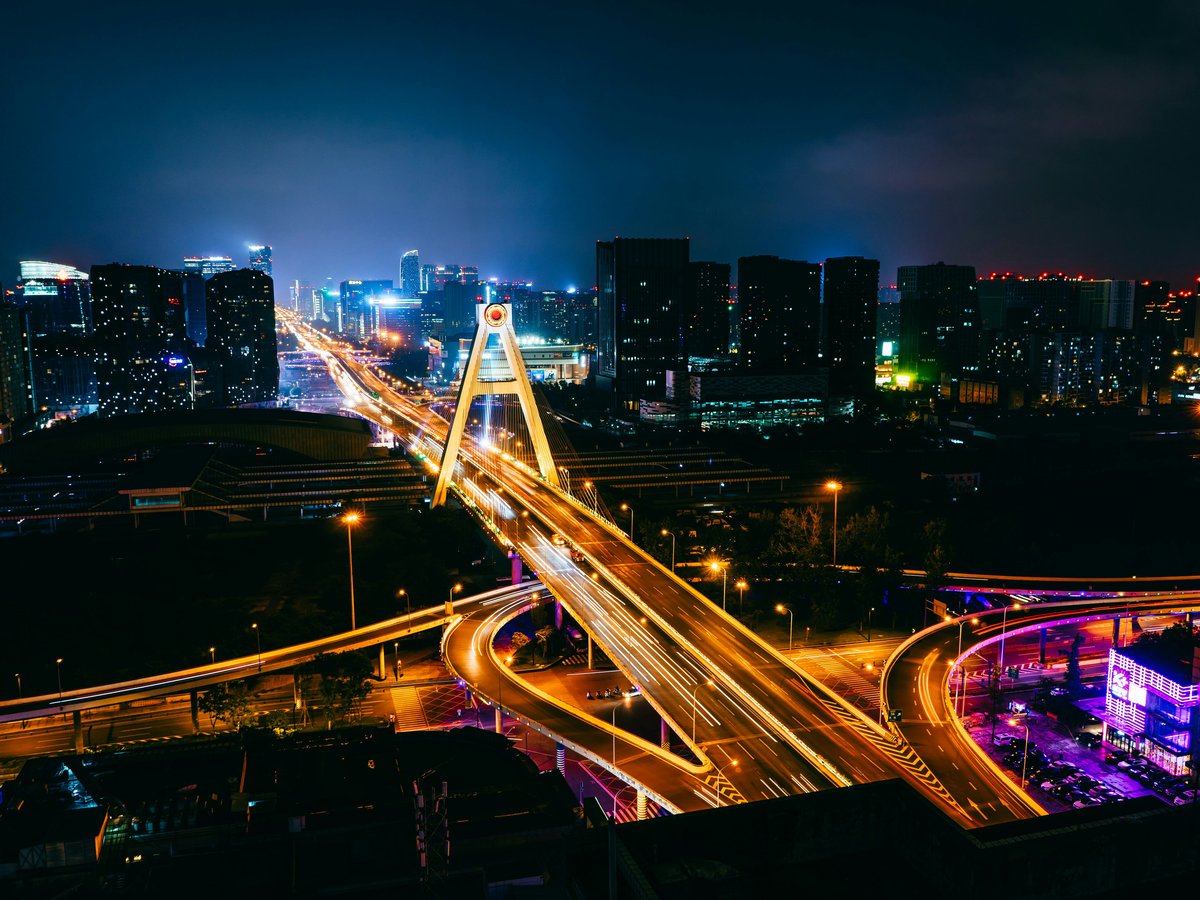
Chengdu sits in the western Sichuan Basin, ringed by mountains that trap moisture and keep the city under low grey skies for much of the year. Locals have joked since at least the Tang dynasty that when the sun does appear, dogs bark at it. That overcast shaped the culture. Chengdu's roughly twenty-one million residents treat leisure not as indulgence but as infrastructure, and you feel it within hours of arriving. The teahouses are the proof. In Renmin Park, rows of bamboo chairs face each other under canvas awnings where retired men play mahjong all afternoon and ear-cleaning vendors work the crowd with thin metal tools. The pace here is genuine, not performed for visitors. Your first meal will likely centre on hotpot, and the local version defines the style: a pot of red-oil broth thick with dried chillies, Sichuan peppercorns, and beef tallow, served at plastic tables in neighbourhood restaurants where the bill is startlingly low. The numbing tingle of the peppercorn is the city's signature sensation, distinct from the chilli's heat, and it takes a meal or two to appreciate on its own terms. Kuanzhai Xiangzi, a restored Qing-dynasty alley district near the old Manchu garrison quarter, draws evening crowds but stays walkable and mostly free of the manufactured-heritage feeling that plagues similar projects elsewhere in China. South of the Jin River, the Wuhou and Yulin neighbourhoods hold the best street-food blocks and a growing bar scene built on local craft beer rather than imports. The giant panda research base north of town is a conservation facility, not a zoo; arrive before nine when the animals are feeding and the tour buses have not yet arrived. Chengdu also serves as the gateway to western Sichuan's mountain landscapes, but the city itself rewards days, not hours, of your time.
Chengdu in photos
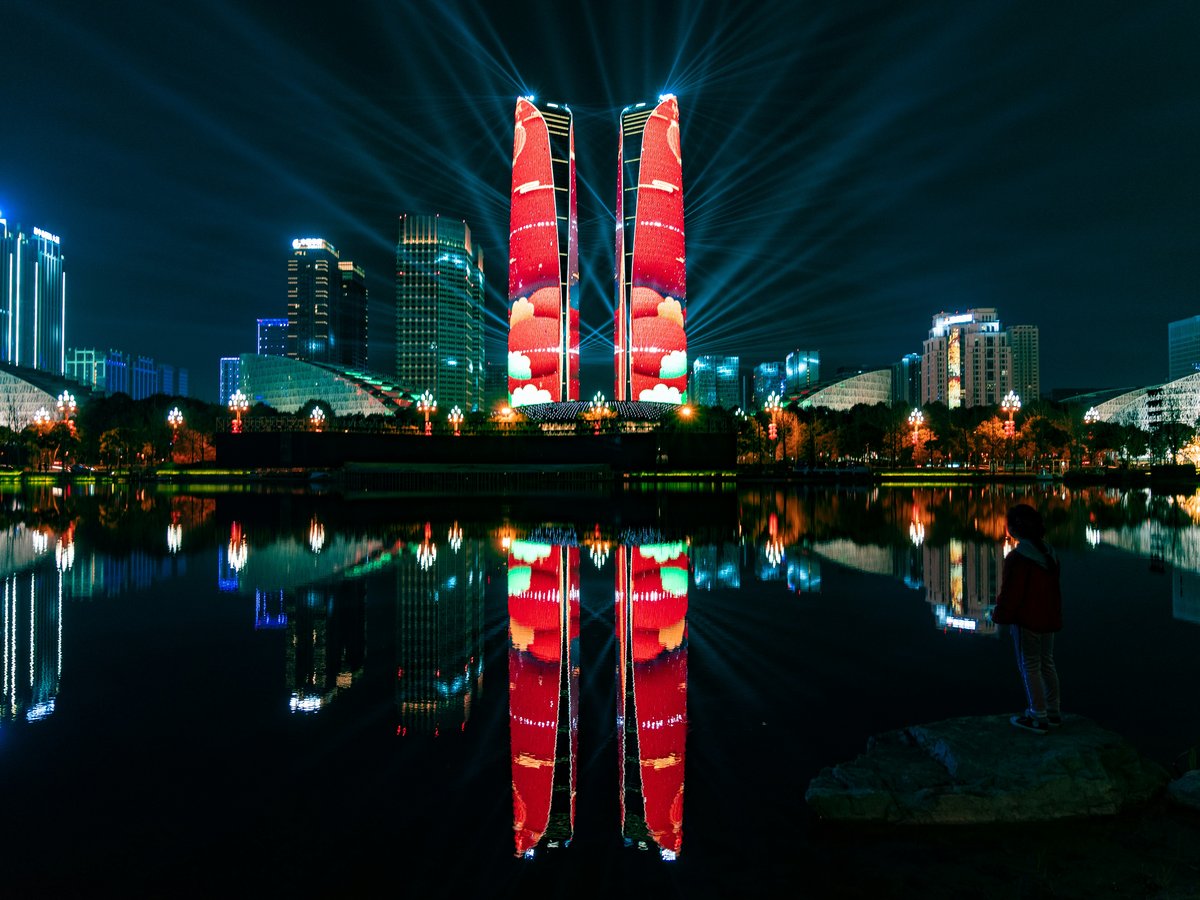
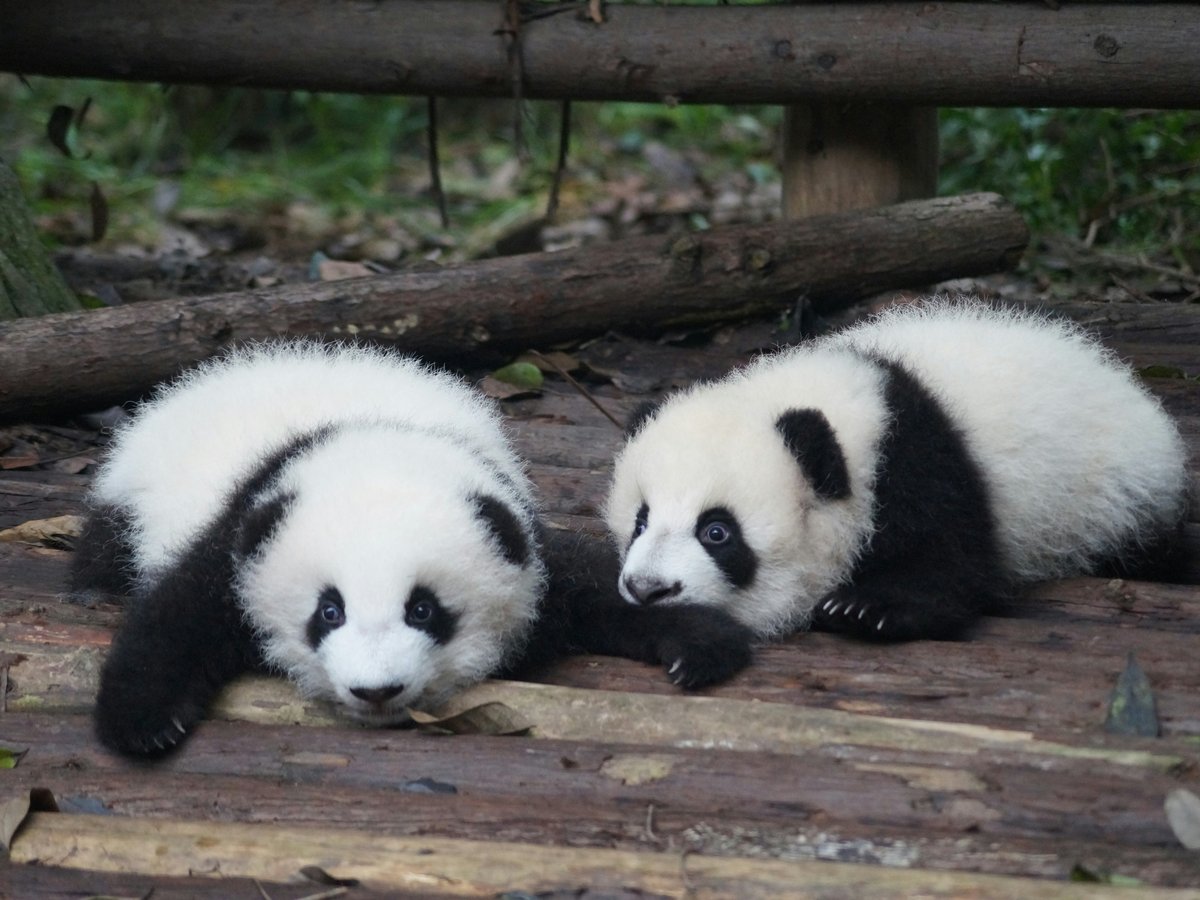
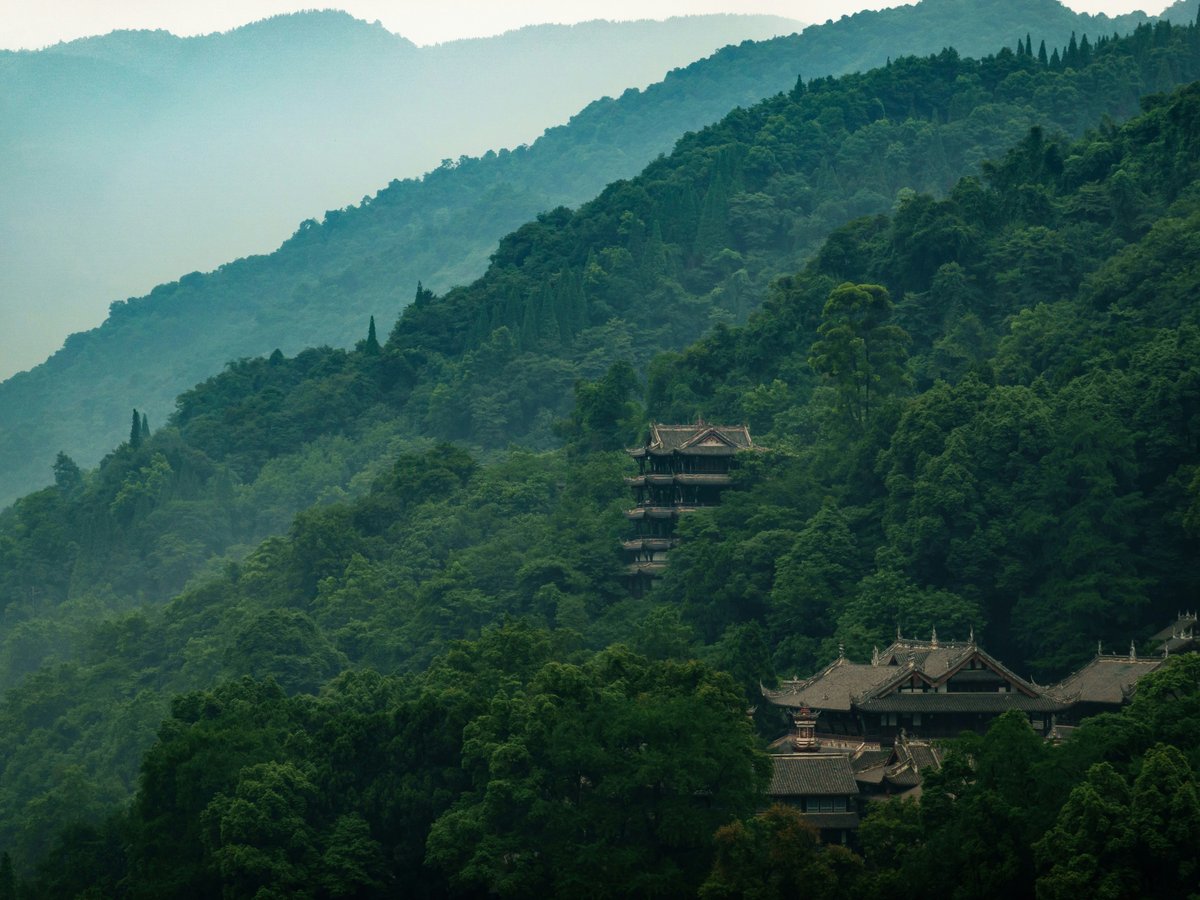
Chengdu right now
Answers about Chengdu
-
Airport to city
Take Metro Line 18 from Chengdu Tianfu International Airport (TFU) to the city center in about 70 minutes for 7-10 CNY ($1-1.50). Trains run roughly 6:20am to 10:30pm. After hours, book a Didi ride for 150-250 CNY ($22-37) to central districts like Jinjiang or Qingyang.
Read the full answer → -
Best time to visit
Late September through November gives you Chengdu at its clearest. Daytime temperatures sit between 15°C and 22°C, the basin's persistent cloud cover briefly lifts, and the pandas at the Chengdu Research Base are most active in cooler weather. March and April work too, though spring rain picks up by mid-April. Skip July and August, when humidity exceeds 80% and highs push past 33°C.
Read the full answer → -
Cost per day
Budget ¥170/day ($25) covers a hostel dorm in Wuhou, three street-level meals, and Chengdu Metro rides. Midrange sits around ¥470 ($70) with a three-star near Chunxi Road, a sit-down Sichuan dinner, and one paid attraction. Luxury starts at ¥1,340 ($200) for the Temple House, private car, and high-end hotpot.
Read the full answer → -
Best day trips
Dujiangyan and Qingcheng Mountain make the strongest single-day trip from Chengdu, 60 km west by 30-minute CRH train for ¥10. Leshan Giant Buddha is 130 km south, about 1 hour by high-speed rail. Sanxingdui Museum sits 40 km north. Mount Emei needs an overnight despite what tour operators claim. Pingle Ancient Town works for a quiet half-day.
Read the full answer → -
Food culture
Chengdu earned UNESCO City of Gastronomy status in 2010, built on the mala (numbing-spicy) combination of Sichuan peppercorn and dried chili. Breakfast is wontons in chili oil by 7am. Lunch is dan dan noodles at a plastic-stool shop. Dinner is communal hotpot from 8pm. The Yulin neighborhood is the best starting point.
Read the full answer → -
Getting around
Chengdu Metro plus DiDi covers everything a visitor needs. The metro's 13 lines reach Tianfu Square, Chunxi Road, and the Panda Base for 2 to 10 CNY per ride. DiDi replaces Uber here. Set up Alipay with a foreign card before arrival because cash is nearly useless in Chengdu's QR-code economy.
Read the full answer → -
How to get there
Chengdu Tianfu International (TFU), opened in 2021, handles most international arrivals 50 km southeast of city center. Shuangliu (CTU), 16 km southwest, still runs domestic and select regional routes. No nonstop flights from North America or Europe exist as of late 2026. One-stop connections via Beijing, Shanghai, or Seoul on Air China and Sichuan Airlines run $700 to $1,400 round-trip from the US.
Read the full answer → -
Is it safe?
Chengdu scores 7.2 out of 10 for solo-traveler safety (see the TTDI Solo-Safety Index). Violent crime against foreigners is near zero. Real risks are traffic at major crossings, language barriers at hospitals, and crowd-level pickpocketing in tourist corridors. Solo women report feeling comfortable in residential neighborhoods after 10pm. Emergency police: 110.
Read the full answer → -
Where locals go
Yulin Lu south of the river, Heming Teahouse in People's Park, and the Sichuan University corridor near Wangjiang Road. Yulin's fly restaurants (苍蝇馆子) fill every evening with office workers ordering 15-20 CNY mapo tofu sets. Heming's bamboo chairs stay packed from morning to dark with retirees and mahjong. The Jiuyanqiao strip near Sichuan University draws the under-30 crowd at the end of the week.
Read the full answer → -
Must-see
The Chengdu Research Base of Giant Panda Breeding, 10 km north of the city center. Arrive by 7:30am when the pandas feed, not at midday when they sleep. Tickets cost 55 CNY (roughly 8 USD). The nursery, where newborn cubs roll on heated mats, is the single room that stays with every visitor.
Read the full answer → -
3-day itinerary
Day 1 covers the Qingyang temple district on foot, from People's Park tea at Heming Teahouse to Du Fu Thatched Cottage and Wuhou Shrine. Day 2 starts at the Panda Base by 7:30am, then moves to Jinsha Site Museum and Wide and Narrow Alleys. Day 3 is Wenshu Monastery, Chunxi Road, and a proper Sichuan hot pot dinner. About 22 kilometres of walking across three days.
Read the full answer → -
What to avoid
Skip the tea ceremony invitations near Chunxi Road, avoid Jinli Ancient Street's ¥40 dan dan noodles (¥12 on Yulin West Road instead), and arrive at the Panda Breeding Base before 9:30am. Eat mapo tofu at Chen Mapo Doufu on Xiyulong Street for ¥26, and book Leshan Giant Buddha tickets in advance to dodge the 3-hour queue.
Read the full answer → -
What to pack
Install a VPN before landing at Tianfu International. Pack treaded walking shoes for the Panda Base's 2-km hillside loop, a packable rain jacket for basin drizzle, and antacids for Sichuan peppercorn heat. China's wall sockets are the three-flat-pin Type I at 220V. Carry tissue packets because Chengdu restrooms rarely supply paper.
Read the full answer → -
Where to stay
Chunxi Road and Taikoo Li in Jinjiang District for a first visit. Metro Lines 2 and 3 cross here, putting the Panda Base 40 minutes north and Wuhou Shrine 15 minutes south. Budget $55-120 for a four-star. If you prefer teahouse mornings over neon, stay near People's Park in Qingyang District at $40-90, a 10-minute metro ride west.
Read the full answer →
Deep guides for Chengdu
-
Chengdu Restaurants: What's Worth It
Twelve Chengdu kitchens, every one mapped and verified. Two tiers, six named verdicts, and one rule. Skip the hotel concierge list and eat where the city does, from the zajiang bowl that sells out by 14:30 to the lazy Susan that turns for a party of six.
Read the guide → -
Best Time to Visit Chengdu, by Season
Chengdu swings from 3.5°C January lows to 32.0°C August highs, all amplified by the Sichuan Basin's trapped humidity. This is the month-by-month breakdown, with the best window named for comfort seekers, budget travellers, value-conscious visitors, and the heat-averse.
Read the guide →
Curated lists for Chengdu
accommodation
-
Best boutique hotels
Chengdu spreads across a wide basin at the western edge of the Sichuan plain, and its accommodation map reflects that sprawl. The dense commercial core around Chunxi Road and Tianfu Square concentrates shopping, transit, and street food within walking distance of the metro's busiest interchanges. South of the Jin River, the university quarter near Jiuyan Bridge trades neon storefronts for tree-lined lanes and student restaurants. The financial towers around the Twin Towers corridor and the newer Global Center axis push further south, glass lobbies replacing teahouse courtyards. Beyond the city proper, hot spring resorts in Dayi county and mountain retreats below Qingcheng Mountain offer a different pace entirely, rural roads replacing metro lines. The choice comes down to whether Chengdu itself is the destination or the staging point for Sichuan's western highlands. Central districts deliver walkable density and late-night food streets; the outlying resorts deliver mineral pools and quiet, at the cost of a longer commute back.
See the picks → -
Best hostels
Chengdu's budget beds spread across a city that rewards picking the right neighborhood over the cheapest rate. The central core around Chunxi Road and Tianfu Square concentrates the densest inventory, with nightly rates ranging from $13 near the East Railway Station to $68 beside Kuanzhai Alley. That spread matters: a $13 room near Tazishan Park buys a different city than a $68 room on a jacaranda-lined heritage lane. Most districts cluster along Line 1 and Line 2 of the metro; the outlier, Tianfu International Airport, exists for early departures and nothing else. Sichuan cooking runs through every neighborhood; the real variable is whether you want night-market noise or monastery quiet, pedestrian malls or business-tower lobbies, and how many metro transfers stand between your bed and the panda base.
See the picks → -
Where to stay
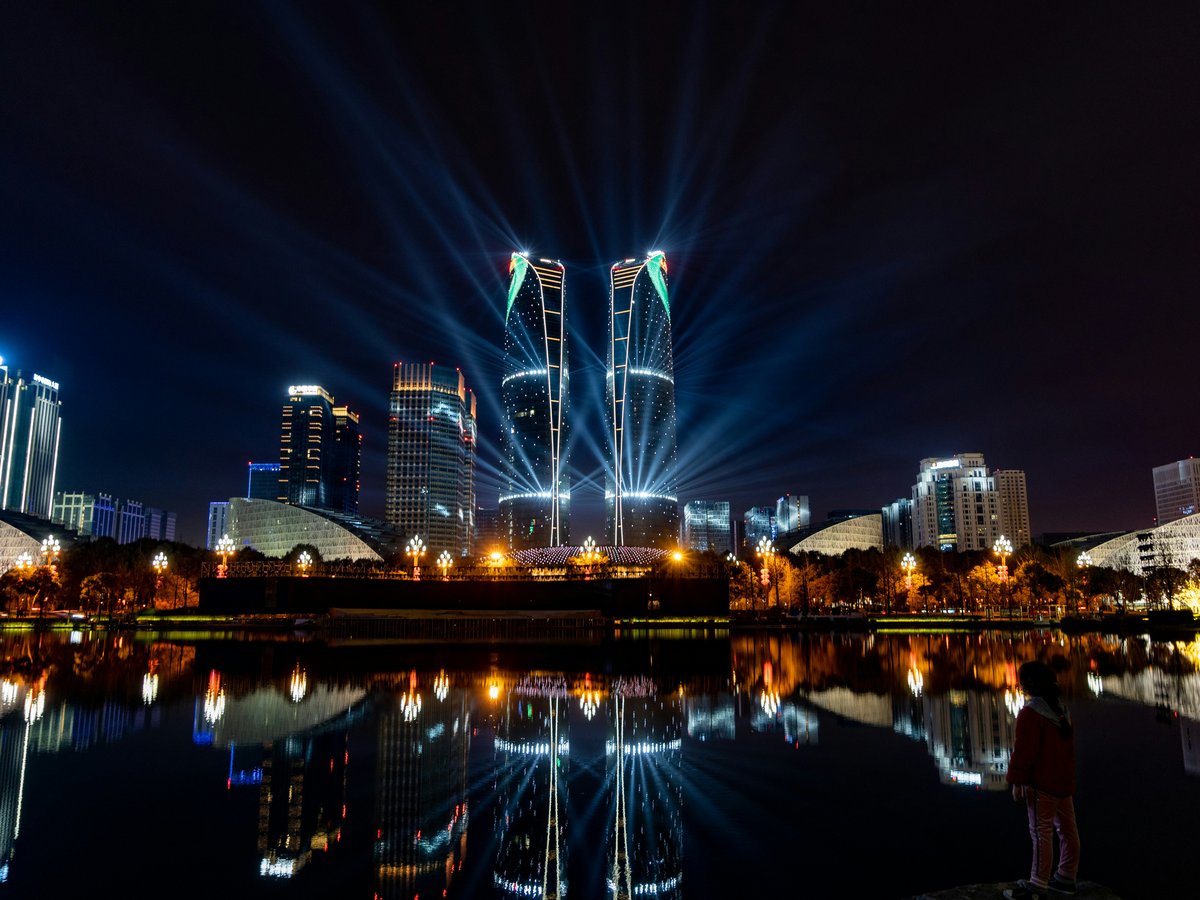
Chengdu splits into two accommodation corridors: the dense commercial core around Chunxi Road and Tianfu Square, where pedestrian malls, metro lines, and hotpot joints sit within a few blocks of most hotels; and the newer southern business belt around the Global Center and Twin Towers, where corporate towers and convention space push prices lower per square meter. Between them, temple-quarter neighborhoods like Wenshu Monastery and the alley district near Kuanzhai hold a slower pace without losing metro access. The budget tier runs strong here, with ratings consistently above 9.0 on Trip.com even at prices under $30 a night. Mid-range inventory clusters in the commercial core and the financial south, while luxury options thin out quickly beyond the river. Further out, the mountain resorts near Dujiangyan trade metro convenience for hot springs and forest trails. The spread matters because Chengdu's metro network ties most of these zones together efficiently, so the where-to-stay decision is less about proximity and more about what you want outside your door.
See the picks →
attractions
-
Best free attractions
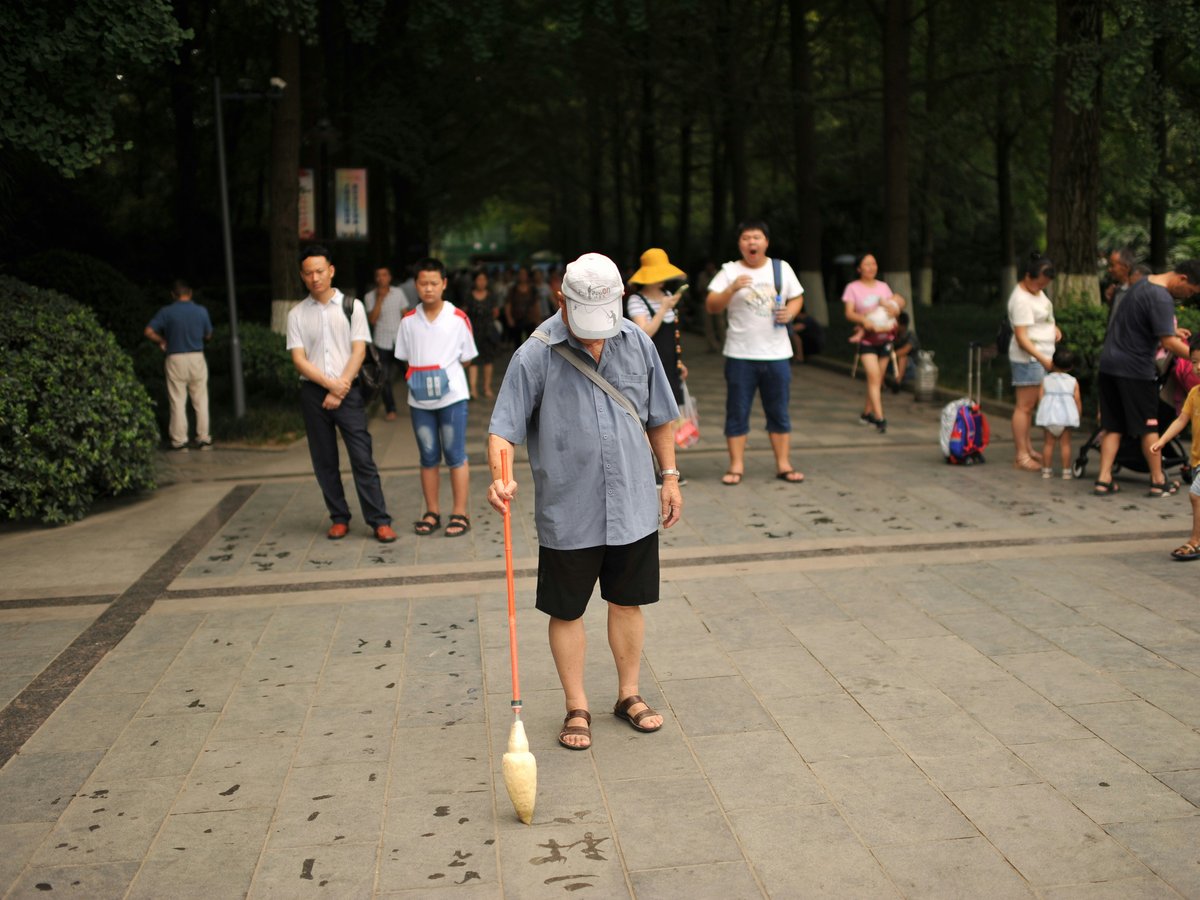
Chengdu rewards the visitor who is willing to walk. Its free civic spaces: parks and public squares both: are where the city happens, and none of them charge admission. The four picks below are all urban parks or squares inside the Chengdu municipal fabric, each one anchored by verifiable coordinates rather than guidebook rumour. This is not a list of monuments to tick off; it is a list of places where you slow down, watch a teahouse table fill, hear a chess piece slap a board, or wander past a sculpture and lose an hour. Two of these sit almost on top of each other in the central grid, close enough to walk between in a single afternoon; a third pulls you a little west into an older civic quarter; the fourth sends you noticeably north, into newer ground where the city has been rethinking what a park can hold. Bring cash for tea, comfortable shoes, and an appetite for doing nothing on purpose.
See the picks → -
Best museums
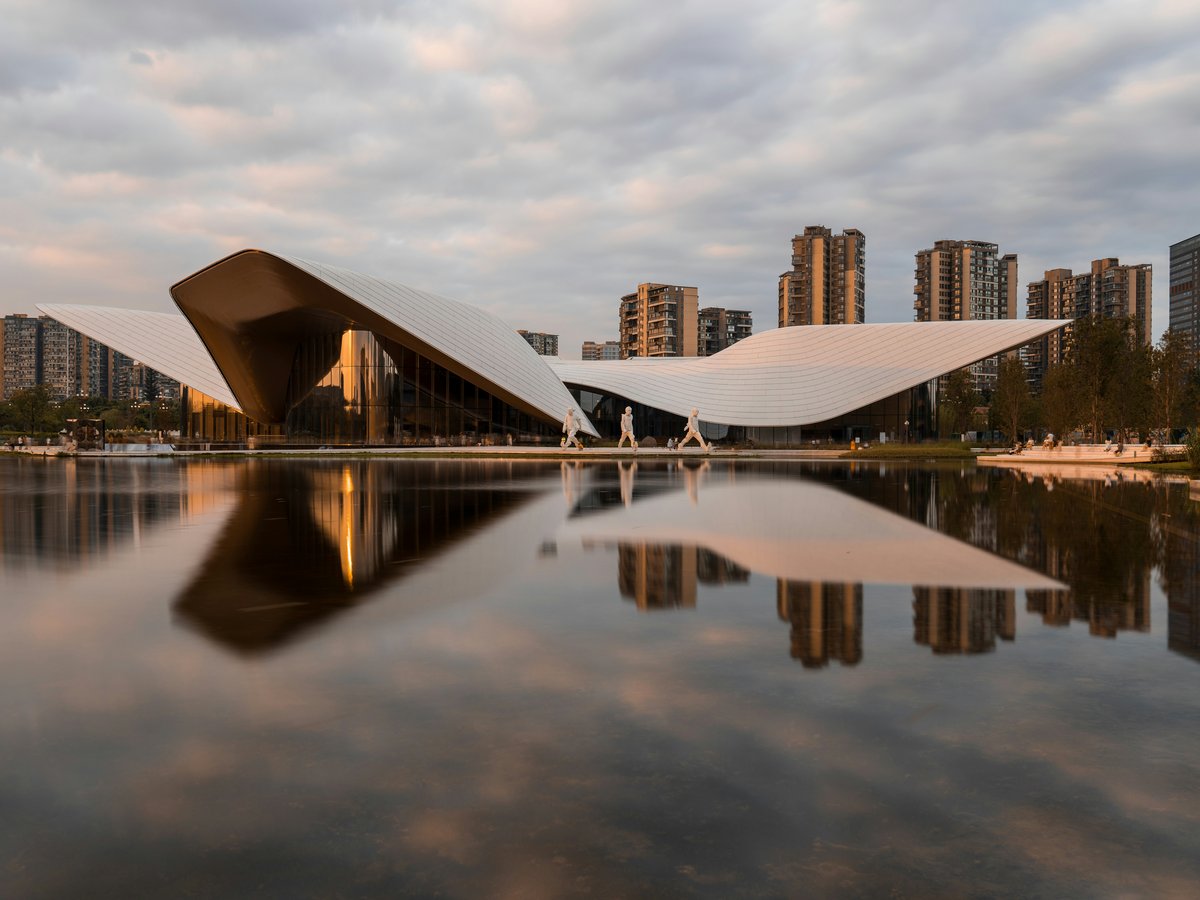
Chengdu treats memory as public infrastructure. The city's museums cluster along a short arc through the western districts, where a Tang poet's reconstructed garden sits within a few minutes of a Three Kingdoms shrine and a civic history hall, and where two contemporary art houses bracket the map to the north and south. This list is built for a visitor with two full days and an appetite for range: a park that doubles as a museum, a temple that reads as a building in its own right, a municipal collection that anchors the modern core, a science hall for anyone travelling with a curious kid, and two contemporary rooms that argue Chengdu is not only a keeper of old things. Skip the temptation to pack all six into a single day; the western cluster deserves its own morning, the contemporary pair its own afternoon, and the science hall a slot of its own when the weather turns.
See the picks →
food
-
Best cafes
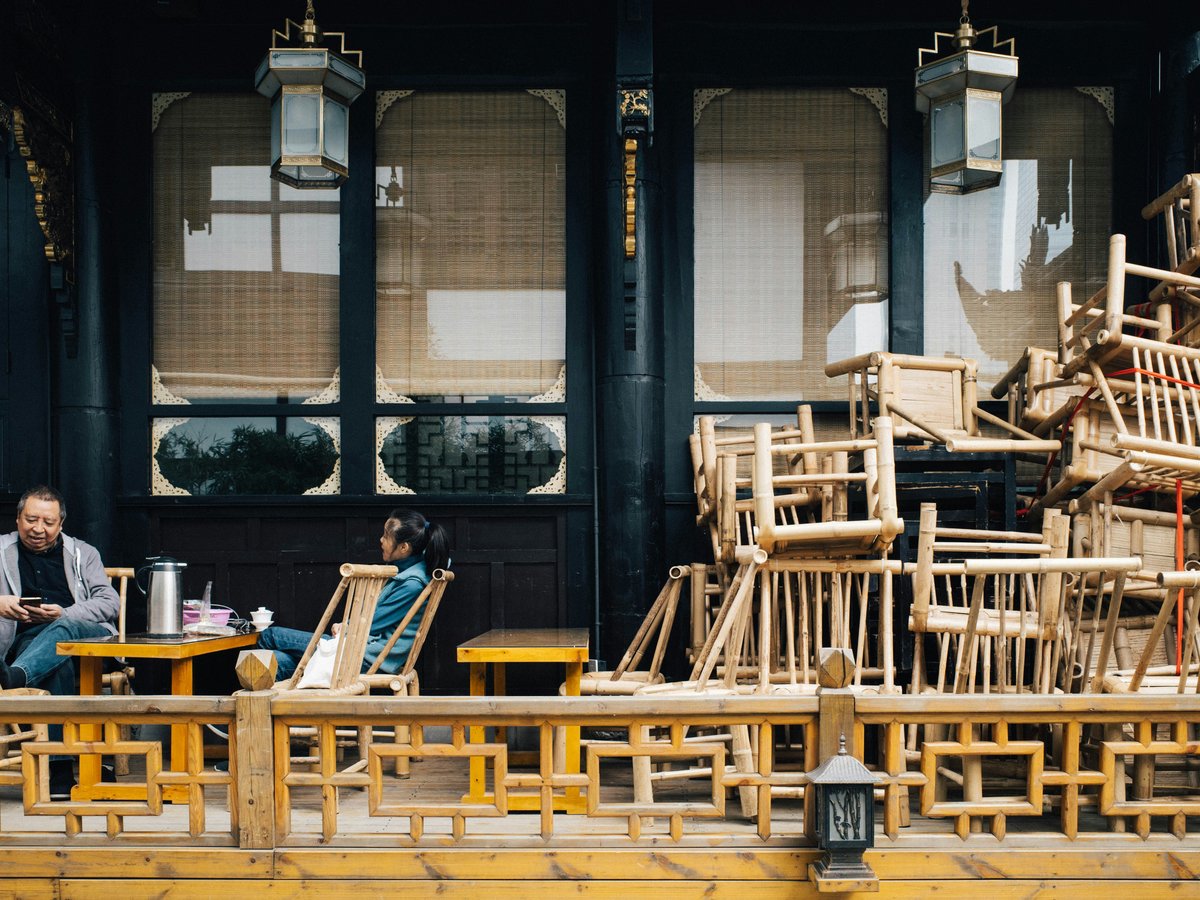
Chengdu's cafe scene splits neatly in two: the slow-morning coffee rooms of the inner ring, and the tea houses that have never stopped doing what they have done for a century. This list moves between both, because the truth about drinking in Chengdu is that a cortado at 10:00 and a covered cup of leaf tea at 15:00 belong to the same day. The 12 addresses below are drawn from OpenStreetMap's mapped record, which means every hour, street number, and postal code you read here is verifiable at the node itself. What is not verifiable, and what this list tries to give you instead, is a sense of who each room is for: the lab-coated single-origin obsessives around Dong Kangshi Jie, the office pour-overs on Tianfu San Jie, the tea rooms east of the river where the pace resets. Pack light shoes; the interesting doors are on side streets, and the addresses that matter here are numbered in the tens and twenties, not the hundreds.
See the picks → -
Best restaurants
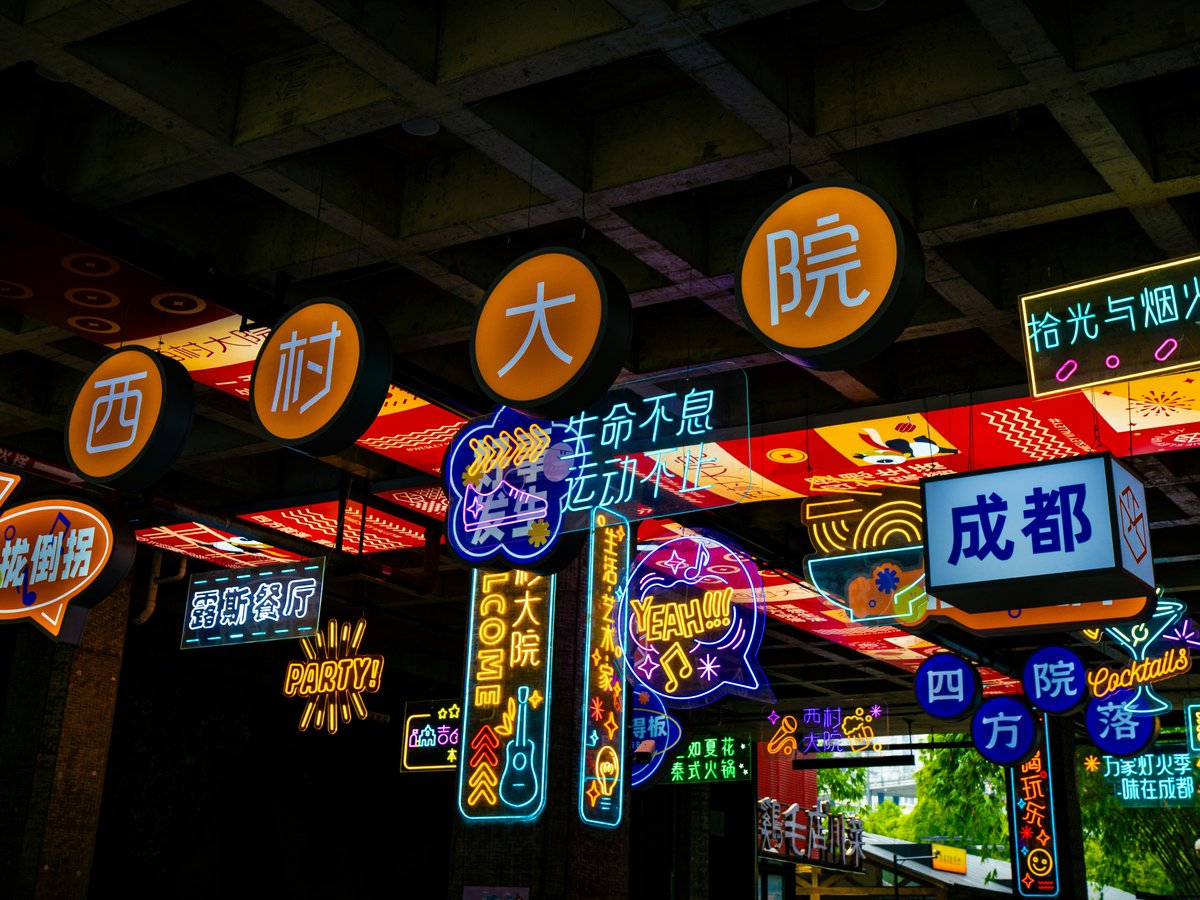
Chengdu eats on its own clock. The city's kitchens are loud, oily, and uninterested in the outside world's opinions, which is why a short list has to be picky about what it recommends. The twelve places below are all mapped, all findable, and all doing something specific: a mapo tofu that predates the tourist economy, a mianguan that closes before dinner because it has already sold out, hot pot rooms where the numbing does not soften for foreigners, vegetarian rooms where the numbing is not the point at all. There are also outliers here: a Taiwanese dumpling house, a Russian kitchen, a sushi counter; Chengdu is a large capital, and the list refuses to pretend the whole city eats one thing. Read the hours, read the address, and go when the room is open. Every claim below traces to the venue's own OpenStreetMap record, so you can put the citation in a taxi driver's phone and arrive without an argument. Nothing here is a hidden gem; the good places in Chengdu have been busy for years.
See the picks →
Browse by traveler type
Book experiences in Chengdu
 Free cancellation
 Dujiangyan Panda Volunteering Experience with Lunch
Day trip: 8 hours, free cancellation.
via Viator Free cancellation
 One Day Trip to Chengdu Panda Base and Leshan Buddha Tour
Day trip: free cancellation.
via Viator Free cancellation
 Giant Panda and Buddha 1 day tour
Day trip: 9 hours, free cancellation.
via ViatorBrowse by interest
Last verified by automated review (v1.7.2) on . What is automated review?