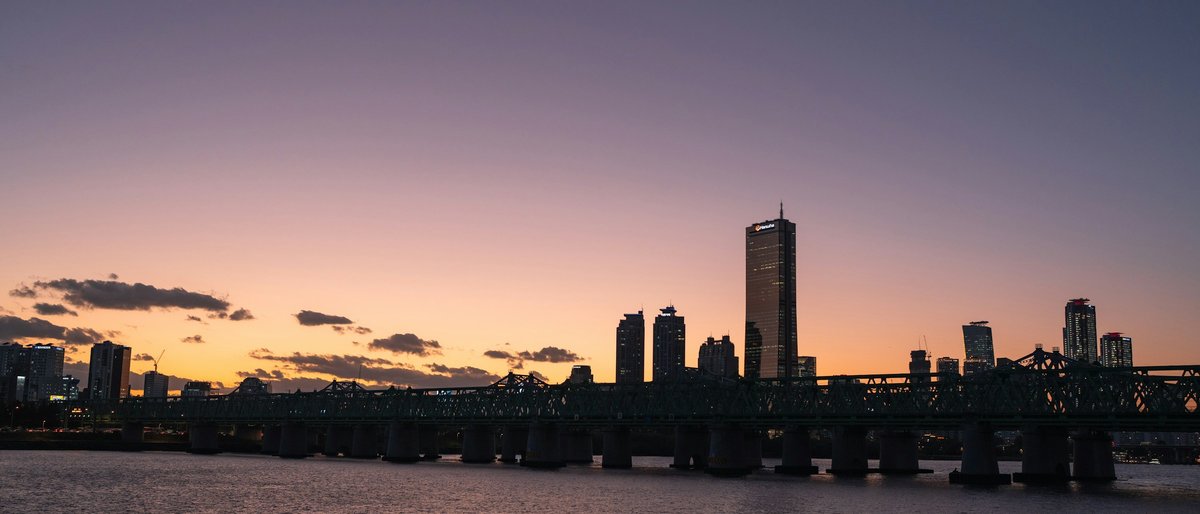
Seoul has this unusual quality where the city's most compelling experiences tend to be the ones that cost nothing. The royal palaces — five of them scattered across the old center — open their gates for free if you show up wearing hanbok, which you can rent cheaply nearby, though Gyeongbokgung and several others have days with no admission charge at all. The hiking is excellent and costs zero won: Bukhansan and Inwangsan sit right inside city limits, their granite peaks visible from downtown office buildings. Public parks line both banks of the Hangang, stretching for kilometers with bike paths, outdoor gyms, and waterfront pavilions where families spread out picnic blankets on warm evenings. The contemporary art scene punches well above its weight, with galleries in Samcheong-dong and Hannam-dong that rotate exhibitions and charge nothing to walk in. Street markets operate as free spectacles even if you never buy a thing — the noise, the steam rising off tteokbokki pots, vendors calling out prices. And the temple stays, Buddhist ceremonies, traditional performances at places like the National Gugak Center — much of it open to anyone willing to show up. Seoul seems to operate on the assumption that cultural access should be a given, not a luxury. That philosophy makes it one of the most rewarding cities in Asia for travelers watching their budget.
Free attractions
-
National Museum of Korea
One of the largest museums in Asia, and permanently free. Six floors covering Korean history from the Paleolithic era through the Joseon dynasty. The celadon ceramics collection alone is worth an hour. The grounds outside have a reflecting pool and a pleasant walking path. Quieter on weekday mornings.
YongsanMuseum -
National Museum of Modern and Contemporary Art (MMCA Seoul)
The Sogyeok-dong branch sits in a former military compound near Gyeongbokgung. The permanent collection is free; special exhibitions sometimes carry a small fee. The building itself is worth visiting — a mix of repurposed military architecture and contemporary glass. There's a courtyard that catches afternoon light beautifully.
Sogyeok-dongMuseum -
War Memorial of Korea
A sobering, well-curated museum covering the Korean War and the country's broader military history. The outdoor exhibition area has tanks, aircraft, and a submarine. Entirely free. It can feel heavy, but it provides context that makes the rest of Seoul more legible.
YongsanMuseum -
Bukhansan National Park
Granite peaks reaching over 800 meters, and the trailheads are accessible by subway. Baegundae is the highest summit; Insubong draws rock climbers. The trails get crowded on weekends — Korean hikers tend to start early, so the paths thin out by mid-afternoon. Bring water; the ridgeline sections are exposed and can get hot in summer.
GangbukPark -
Namsan Park and N Seoul Tower Surroundings
You can walk up Namsan from several directions — the path from Myeongdong through the old city wall remnants is the most scenic. The park itself, the observation decks along the way, and the lock fence area are all free. The tower's indoor observatory costs money, but honestly the views from the hilltop plaza are nearly as good.
Jung-guPark -
Gyeongbokgung Palace
The largest of the five grand palaces, and free on the last Wednesday of each month as part of Culture Day. Also free if you wear hanbok — rental shops cluster along the streets east of the palace. The changing of the guard ceremony at the main gate happens multiple times daily and costs nothing to watch. The palace grounds are vast and surprisingly quiet once you move past the first courtyards.
JongnoPalace -
Changdeokgung Palace Secret Garden
The palace itself requires a ticket most days, but it's included in Culture Day (last Wednesday of each month) at no charge. The rear garden, Huwon, is a UNESCO site with pavilions, lotus ponds, and 300-year-old trees. Worth timing your visit for the free day if your budget is tight.
JongnoPalace -
Hangang Park (Yeouido Section)
The Yeouido stretch of Hangang Park runs along the river with bike paths, basketball courts, and waterside seating. Renting a bike costs a small fee, but walking the paths, sitting on the terraced banks, and watching the city light up at dusk is free. The convenience stores nearby are cheap if you want to assemble a riverside picnic.
YeouidoPark -
Inwangsan Trail and Seoul Fortress Wall
A ridgeline hike that follows the old Seoul Fortress Wall, with views down into Gyeongbokgung and across the northern half of the city. Shorter and less demanding than Bukhansan. The shamanic shrines near the Muakjae entrance add a layer of spiritual atmosphere — you might hear chanting if you pass on the right morning.
Jongno / SeodaemunPark -
Seonyudo Park
A former water filtration plant on an island in the Han River, converted into an ecological park. The old concrete structures have been left partially intact and integrated with gardens and wetlands. It has a quiet, post-industrial quality that feels different from Seoul's other green spaces. Connected to the south bank by a pedestrian bridge.
YeongdeungpoPark -
National Hangeul Museum
Dedicated to the Korean alphabet, which might sound niche, but it is engaging. Interactive displays explain how King Sejong designed hangeul in the 15th century and why linguists still consider it one of the most rational writing systems ever created. Free admission, and rarely crowded.
YongsanMuseum -
Haneul Park
Built on top of a former landfill, this hilltop park near World Cup Stadium offers wide-open views of the western Seoul skyline. The silver grass fields turn golden in autumn and draw photographers. The climb up the stairs is a workout — over 290 steps — but the wind at the top and the sense of space make it feel like you left the city entirely.
MapoPark
Free activities
-
Walking Bukchon Hanok Village
A neighborhood of traditional hanok houses between Gyeongbokgung and Changdeokgung. The narrow alleys climb steeply, and the contrast between 600-year-old architecture and the modern city visible beyond the rooftops is striking. Visit on weekday mornings to avoid the thickest crowds — residents have put up signs asking for quiet, which tells you something about weekend foot traffic.
JongnoWalking route -
Ikseon-dong Alley Wandering
Seoul's oldest hanok neighborhood has been quietly filling with small cafes, vintage shops, and galleries tucked into renovated traditional houses. The alleys are barely wide enough for two people. No entrance fee to wander, obviously, and the visual texture — old tile roofs, tiny courtyard gardens, hand-lettered signs — rewards a slow walk.
JongnoWalking route -
Gwangjang Market
One of Seoul's oldest traditional markets, operating since 1905. Even if you're not buying, the market floor is a sensory event: the sound of sewing machines from the upper-floor fabric stalls, the sizzle and steam from bindaetteok frying in oil, towers of silk and linen bolts in every color. The vintage clothing section on the second floor is worth poking through.
JongnoMarket -
Cheonggyecheon Stream Walk
A 10-kilometer restored stream running through central Seoul, below street level. The walking path follows the water from near City Hall all the way east to the Jungnangcheon confluence. It is cooler down here in summer — the sound of the water and the shade from the bridges above create a different microclimate from the streets just overhead. Public art installations line sections of the route.
Jung-gu / JongnoWalking route -
Noryangjin Fish Market
A large wholesale seafood market where the spectacle is free even if the seafood is not. Tanks of live octopus, enormous tuna being broken down, vendors in rubber boots hosing down concrete floors. The energy peaks before dawn, but the market stays active well into mid-morning. The smell is briny and intense — not for the squeamish, but undeniably alive.
DongjakMarket -
Itaewon to Hannam-dong Gallery Walk
The stretch between Itaewon and Hannam-dong has become one of Seoul's densest gallery corridors. Spaces like Pace Seoul, Leeahn Gallery, and various smaller project rooms are free to enter. New exhibitions rotate monthly. The architecture ranges from converted warehouses to purpose-built contemporary structures. A full loop through the area takes a couple of hours.
YongsanWalking route / Art -
Dongdaemun Design Plaza (DDP) Public Spaces
Zaha Hadid's sweeping aluminum-and-concrete landmark is free to walk through. The rooftop park, the LED rose garden (illuminated at night), and the open plazas host rotating public exhibitions. The building's curves and flowing pathways feel disorienting in the best way. At night, the exterior lighting transforms the structure.
Jung-guPublic art / Architecture -
Samcheong-dong Gallery Hopping
The streets between Gyeongbokgung and Bukchon are lined with small galleries, most of which charge nothing. Kukje Gallery, Arario Museum (the outdoor sculptures, at least), Gallery Hyundai, and dozens of smaller spaces rotate shows regularly. The quality is surprisingly high — Seoul's commercial art scene has grown rapidly, and these galleries represent serious Korean and international artists.
JongnoArt / Walking route
Free events
-
Culture Day (Munhwa-ga inneun nal)
Last Wednesday of every monthOn the last Wednesday of each month, dozens of museums, palaces, and cultural venues across Seoul waive their admission fees. This includes the five grand palaces, the National Palace Museum, and many smaller institutions. Some venues also extend their hours. It is the single best day to visit paid attractions for free — though expect bigger crowds at the popular sites.
Citywide — palaces, museums, cultural venues -
Gyeongbokgung Night Opening
Select evenings in spring (April–May) and autumn (September–October), dates announced annuallySeveral times a year, typically in spring and autumn, Gyeongbokgung opens for evening visits. The palace grounds under floodlights, with fewer visitors than daytime and a cooler atmosphere, feel like a different place entirely. Tickets are required but have historically been free or very low cost — check the Cultural Heritage Administration's schedule as dates shift annually.
Gyeongbokgung Palace, Jongno -
Seoul Drum Festival
Annually, typically in October (dates vary)A multi-day percussion festival held at various outdoor venues, often near Cheonggyecheon or at the DDP plaza. Traditional Korean drumming (samulnori, pungmul) alongside contemporary percussion groups. The outdoor performances are free. The rhythms are physically felt as much as heard — standing close to a buk drum line is a full-body experience.
Various outdoor stages, often near DDP or Cheonggyecheon -
National Gugak Center Free Performances
Regular schedule throughout the year; Saturday open-air concerts in spring and autumnThe National Gugak Center in Seocho-dong regularly holds free performances of traditional Korean music — gayageum, pansori, court music. The Saturday open-air concerts in warmer months are good. The quality of the musicians is very high; these are the country's leading traditional performers, not amateurs.
National Gugak Center, Seocho-dong -
Seoul Bamdokkaebi Night Market
Friday and Saturday evenings, typically March through October (seasonal, check annual schedule)Seasonal night markets along the Hangang, typically at the Yeouido or Banpo sections. Food trucks, craft vendors, and live performances. The market itself is free to enter and browse, though food costs money. The atmosphere on a warm Friday evening — river breeze, live music drifting across the water, thousands of people out walking — captures a particular Seoul energy.
Yeouido Hangang Park and Banpo Hangang Park -
Jogyesa Temple Ceremonies
Daily — morning and evening chanting ceremonies, with larger events on Buddhist holidaysSeoul's chief Buddhist temple in Jongno holds open ceremonies that anyone can attend. The atmosphere during evening chanting is meditative — incense smoke, the resonance of wooden moktak, monks in grey robes. The temple grounds are open daily and free, but the ceremonies add a dimension you will not get from just walking the grounds.
Jogyesa Temple, Jongno -
Seoul Street Arts Festival (SSAF)
Annually, typically in October (dates vary by year)An annual street performance festival that takes over areas around Gwanghwamun and Daehangno with circus acts, dance, theater, and live music — all free and outdoors. The quality ranges from student groups to professional international acts. It tends to draw a lively, mixed-age crowd.
Gwanghwamun Square, Daehangno, and surrounding streets
Getting Around Seoul on a Budget
Seoul's subway system is not free, but it is cheap enough to mention here — a single ride currently runs about 1,400 won (roughly one US dollar). The T-money card works on buses and subways and saves a bit per trip over buying individual tickets. That said, central Seoul is surprisingly walkable if you have decent shoes. Jongno, Insadong, Myeongdong, and the palace district are all within comfortable walking distance of each other. The Hangang bike paths are extensive, and Seoul Bike (Ttareungyi) rentals start at 1,000 won for an hour — not free, but close. For longer distances, the airport railroad (AREX) all-stop train from Incheon to Seoul Station is far cheaper than the express version and only takes about fifteen minutes longer.
Free Drinking Water, Wi-Fi, and Phone Charging
Seoul makes it easy to spend nothing on basics that other cities charge for. Free public Wi-Fi blankets most subway stations, parks, and tourist areas — look for networks starting with 'Seoul Free WiFi' or 'KT Free.' Drinking water fountains are common in subway stations and parks, and most convenience stores will let you use their hot water dispensers without buying anything. Phone charging stations appear in many subway stations and some cafes. Public restrooms are clean and plentiful, in subway stations and near tourist sites. Mind you, this infrastructure is not accidental — the city has invested heavily in making public spaces comfortable for everyone, not just paying customers.
Free Views and Photo Spots
The observation deck at N Seoul Tower costs money, but the hilltop plaza around it is free and gives you nearly the same panorama. For something less crowded, try the rooftop of the Naksan Park fortress wall trail at sunset — the view east across Dongdaemun toward the mountains has a raw beauty that the polished tower observatory cannot match. The sky gardens at Seoullo 7017, a repurposed highway overpass near Seoul Station, offer an elevated perspective on the old downtown. Bugaksan, north of the Blue House, has a viewpoint trail that looks straight down the city's central axis. You will need to show ID at the checkpoint (it is near the former presidential residence), but there is no charge. For river views, the Rainbow Fountain at Banpo Bridge puts on a light and water show on summer evenings — best watched from the Banpo Hangang Park below.
Seasonal Considerations for Free Activities
Seoul's free offerings shift with the seasons, and timing matters. Spring, roughly late March through May, brings cherry blossoms to Yeouido and along the Seokchon Lake path near Lotte World — both free to walk. The Yeouido Cherry Blossom Festival closes the road to cars and turns it into a pedestrian promenade. Summer means the Hangang outdoor pools open (some free, some with a nominal fee) and the night markets kick off along the riverside. Autumn is likely the best season for free Seoul: the palace grounds turn gold and crimson, Haneul Park's silver grass peaks in October, and the hiking trails through Bukhansan are at their most photogenic. Winter is cold — often below minus ten — but the palaces under snow are hauntingly quiet, and the heated subway stations become de facto gathering spaces. The outdoor ice rinks at Seoul Plaza (in front of City Hall) have operated in past winters at very low cost, though schedules change annually.
FAQ
Are the five grand palaces in Seoul always free to visit?
Not always. Gyeongbokgung, Changdeokgung, Deoksugung, Changgyeonggung, and Gyeonghuigung each have a small admission fee (typically 1,000 to 3,000 won) on regular days. They become free on the last Wednesday of each month during Culture Day. You can also enter Gyeongbokgung and some others for free if you wear hanbok — traditional Korean clothing, which can be rented from shops near the palaces. Gyeonghuigung, the smallest of the five, is currently free at all times.
Is Seoul safe for walking around at night?
Seoul is widely considered one of the safest major cities in the world for walking at night. Neighborhoods like Jongno, Hongdae, Gangnam, and Itaewon stay active well past midnight, and public transit runs late (the subway until around midnight, with night buses after that). That said, use normal city sense — stick to lit areas, keep an eye on your belongings in crowded market streets, and be aware that some nightlife areas get rowdy on weekends. But violent crime against visitors is very rare.
Do I need to speak Korean to enjoy free attractions in Seoul?
Not really, though a few phrases help. Major museums like the National Museum of Korea and the War Memorial have excellent English signage and audio guides (the audio guide at the National Museum is free). Palace tours are offered in English at set times. Subway signage and announcements are in Korean, English, Chinese, and Japanese. Smaller galleries and neighborhood markets tend to be Korean-only, but a translation app on your phone handles most situations. Younger Koreans in Seoul frequently speak conversational English.
What is the best area to base yourself for free sightseeing in Seoul?
Jongno-gu gives you the most free attractions within walking distance: Gyeongbokgung, Changdeokgung, Bukchon Hanok Village, Samcheong-dong galleries, Cheonggyecheon Stream, Insadong, and Gwangjang Market are all here. Budget accommodation clusters around Myeongdong and Dongdaemun, both nearby. Hongdae is another strong option if you prefer a younger, more nightlife-oriented atmosphere — it has free busking performances most evenings and is well-connected by subway to the palace district.
Can I visit Buddhist temples in Seoul for free?
Yes. Jogyesa, Bongeunsa, and Gilsangsa are all free to enter and walk around. Temple etiquette is straightforward: remove shoes before entering buildings, keep your voice low, and ask before photographing monks or ceremonies. Jogyesa is the most central and accessible. Bongeunsa in Gangnam has a larger, quieter compound. Gilsangsa in Seongbuk-dong sits on a wooded hillside and feels remarkably remote for being inside the city. Some temples offer free meditation or tea ceremony programs — check their websites for current schedules.
Are there free beaches or swimming spots in Seoul?
Seoul is not a coastal city, so there are no ocean beaches within city limits. The Han River has several designated outdoor swimming pools that open in summer, some of which have been free or very low cost in past years — Ttukseom and Yeouido sections typically have options. For actual beaches, you would need to travel outside Seoul: the west coast beaches near Incheon are the closest, roughly an hour by train and bus. Surfing beaches like those in Yangyang on the east coast are a longer trip. Within the city, some Hangang parks have wading areas for children that are free to use in summer months.
Last verified by automated review (v1.7.1) on May 26, 2026. What is automated review?