Compare every Greece city in March →
March on Mykonos is, frankly, the off-season. The beach clubs are shuttered. Matoyianni Street, which in July you'd struggle to walk through, feels almost eerily quiet. Daytime temperatures reach about 15.7°C (60°F), dropping to 11.5°C (53°F) at night, and the Aegean wind can make it feel colder than that. If you came expecting the Mykonos of Instagram, with poolside DJs and sunset cocktails at Little Venice, you'll find plywood over windows and locked gates instead. Roughly 60-70% of the island's restaurants, bars, and hotels remain closed until at least late April.
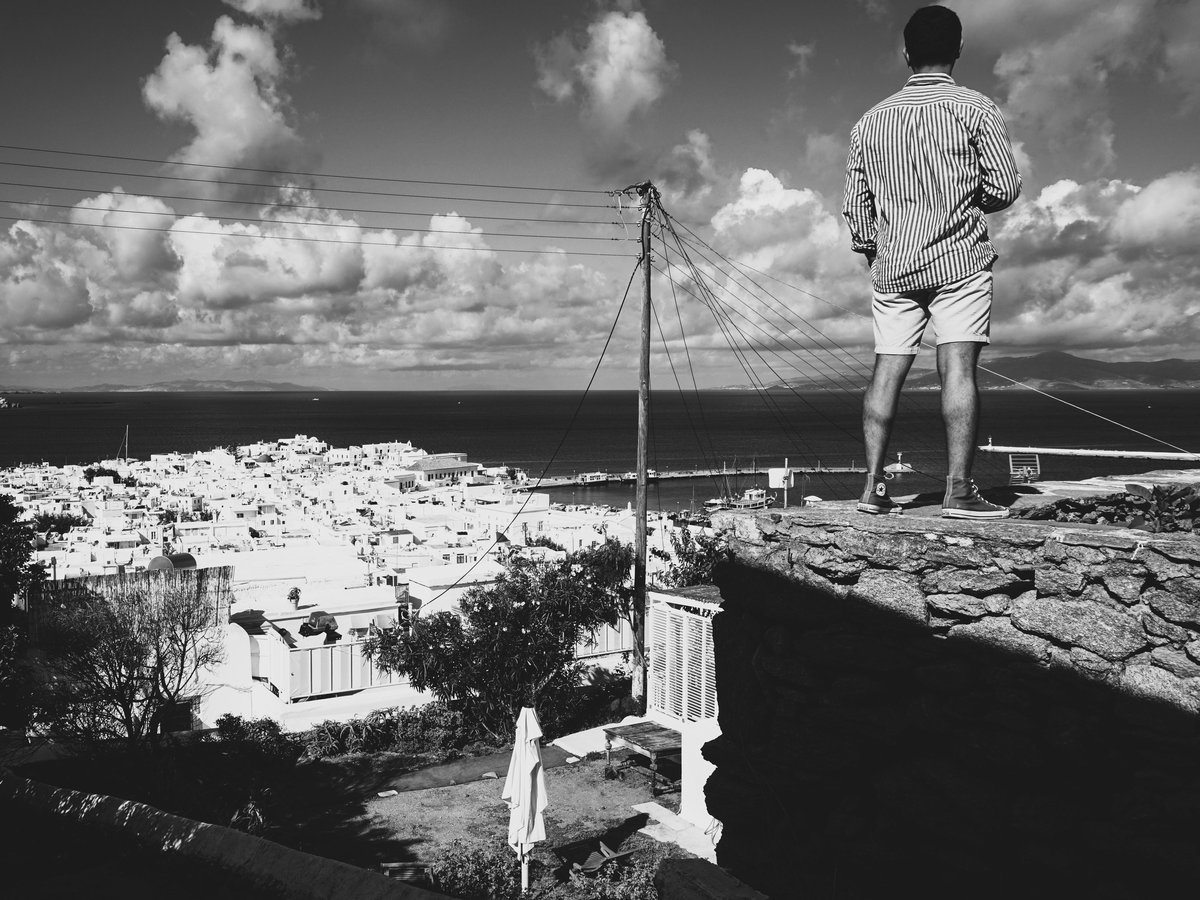
That said, there's a version of Mykonos in March that some travelers genuinely prefer. The permanent population of around 10,000 reclaims the island, and you'll see actual daily life in Chora. Fishermen mend nets at the old port. Grandmothers hang laundry between the whitewashed walls. The Archaeological Museum and Panagia Paraportiani church are yours alone. Hotel prices drop to a fraction of summer rates. Greek Independence Day on March 25 brings a real local celebration, with a parade through Chora and flags draped across every balcony.
To be fair, this is not the month to come for swimming, nightlife, or the classic Cycladic summer experience. The sea temperature hovers around 16°C (61°F). But if you want to walk the island's interior trails through wild fennel and thyme, eat at the few tavernas that stay open year-round, and experience a Greek island without performance, March offers that. You should know what you're signing up for, though. This is a quiet, windswept, sometimes lonely place in early spring.
Why visit in March
- Hotel rates drop 60-75% below July and August peaks, with quality rooms in Chora available for under half of what a basic summer rental costs
- Chora and Ano Mera feel like real Greek villages rather than tourist infrastructure, with fewer than 500 visitors on the island most days
- Wildflowers cover the island's interior from mid-March, and walking trails through the hills to Ano Mera are green and fragrant with wild thyme and sage
- Greek Independence Day on March 25 is a genuine local celebration with a military parade, folk dancing in Plateia Manto Mavrogenous, and tavernas offering free raki
- No queues at the Archaeological Museum, the Aegean Maritime Museum, or Panagia Paraportiani. You can photograph the famous churches of Chora without a single other tourist in frame
Worth knowing
- 60-70% of restaurants, bars, and hotels are closed until late April or May, which leaves limited dining options, particularly outside Chora
- Sea temperature around 16°C (61°F) rules out swimming for most people, and all beach clubs and water sports operators are closed
- Ferry schedules from Piraeus and Rafina run reduced service, sometimes only 2-3 departures per week depending on weather, and rough seas can cancel sailings
- Wind is the real wildcard. March brings regular northerly gusts of 30-50 km/h (19-31 mph) that can make outdoor dining uncomfortable and strand you if ferries cancel
Best for
Think twice if
March on Mykonos is cool and often windy, though noticeably brighter than the deep winter months. Days average 11-12 hours of light, and you'll get a mix of crisp blue-sky mornings and grey, blustery afternoons. Rain tends to come in short bursts rather than all-day downpours, typically clearing within an hour or two. The wind is the defining feature. Northerly gusts regularly hit 30-50 km/h (19-31 mph), and some days feel raw despite the mild thermometer reading. When the wind drops and the sun is out, 15-16°C in the Cycladic light feels surprisingly pleasant for walking.
Seasonal caution
- Strong northerly winds of 30-50 km/h (19-31 mph) occur regularly in March and can make exposed coastal walks uncomfortable, cancel ferry service for 1-2 days, and chill perceived temperatures 5-8°C below actual readings
Year-round climate
Averages from the last 5 years.
| Month | Avg high (°C) | Avg low (°C) | Rainfall (mm) |
|---|---|---|---|
| Jan | 15 | 12 | 56 |
| Feb | 14 | 11 | 38 |
| Mar | 16 | 12 | 36 |
| Apr | 19 | 14 | 36 |
| May | 22 | 17 | 16 |
| Jun | 27 | 22 | 5 |
| Jul | 29 | 24 | 5 |
| Aug | 29 | 24 | 3 |
| Sep | 26 | 22 | 4 |
| Oct | 22 | 19 | 24 |
| Nov | 20 | 16 | 51 |
| Dec | 16 | 13 | 64 |
Holidays and festivals in March
Public holidays
- Clean Monday(Καθαρά Δευτέρα)15 March 2027
- Annunciation(Ευαγγελισμός της Θεοτόκου)25 March 2027
- Independence Day(Εικοστή Πέμπτη Μαρτίου)25 March 2027
Headline events
Greek Independence Day (Eikostí Pémpti Martíou)
March 25 (fixed date)
National holiday commemorating the 1821 revolution against Ottoman rule. On Mykonos, the celebration centers on a morning parade through Chora, a wreath-laying ceremony, and folk dancing in Plateia Manto Mavrogenous. Tavernas typically offer complimentary meze and raki, and Greek flags hang from every whitewashed balcony. It's one of the few days in March when the island feels genuinely festive.
Best things to do in March
Walk the Chora-to-Ano Mera trail
hikingThe 7 km (4.3 mile) trail from Mykonos Town to the inland village of Ano Mera follows old stone-walled donkey paths through the island's green interior. In March, the hillsides are carpeted with wild thyme, chamomile, and purple wildflowers. The walk takes about 90 minutes at a comfortable pace and ends at Plateia Ano Meras, where you can eat at one of 2-3 tavernas that stay open year-round.
The hills are green and in bloom before the summer drought turns them brown. Temperatures around 15°C (59°F) are comfortable for walking without the heat risk of summer months.Booking tipNo booking needed. Start early to catch the morning light and beat any afternoon wind.
Visit the Monastery of Panagia Tourliani
cultureThis 16th-century monastery in Ano Mera houses a carved marble fountain, a collection of ecclesiastical vestments from the 1700s, and icons attributed to members of the Cretan school. In March, the courtyard is quiet and the monks are often willing to show visitors the small museum. The red-domed bell tower against the whitewashed walls is one of the most photographed structures on the island.
Without summer crowds, you can spend unhurried time with the icon collection and the monks are more likely to engage in conversation. The monastery's elevated position catches good light on clear March mornings.Booking tipOpen mornings only, typically 9:00-13:00. Modest dress required.
Photograph the Kato Mili windmills at sunset
photographyThe row of 16th-century windmills above Little Venice is Mykonos's most recognizable landmark. In March, sunset falls around 18:30, casting long golden light across the whitewashed towers. You'll likely be the only photographer there. The wind that makes March challenging also keeps the sky dramatically clear after rain passes.
Zero crowds at the viewpoint. In July and August, dozens of tourists jostle for position here every evening. In March, you can set up a tripod and wait for the light without anyone in frame.Explore the Archaeological Museum of Mykonos
cultureThis small but significant museum near the old port holds pottery from the 25th century BCE, Hellenistic jewelry, and the famous Pithos of Mykonos, a 7th-century-BCE relief jar depicting the fall of Troy. It's one of the oldest depictions of the Trojan Horse in existence. The museum takes about 45 minutes to explore properly.
Most visitors skip this museum entirely in summer, racing to the beaches. March gives you time and quiet to appreciate the Pithos and the Delos artifact collection without distraction.Booking tipCheck opening hours locally, as winter hours may be reduced to 4-5 days per week.
Day trip to Delos
historyThe sacred island of Delos, a UNESCO World Heritage Site 30 minutes by boat from Mykonos, holds one of the most important archaeological sites in the Mediterranean. The Terrace of the Lions, the House of Dionysus mosaics, and the ruins of an entire ancient city are spread across the small island. March sits right at the edge of when excursion boats begin running again after winter.
If boats are operating, you'll have the ruins nearly to yourself. Summer sees 1,000+ visitors per day on Delos. In early spring, a boat might carry 10-15 people. The light is softer and the temperature comfortable for 3-4 hours of walking the site.Booking tipDelos boats may not run daily in March. Check with the port authority or local operators at least a day ahead. Service typically resumes mid-to-late March but depends on weather and demand.
Eat your way through Chora's winter tavernas
foodThe 8-12 tavernas that stay open through winter in Chora serve a different menu than summer. Expect slow-cooked goat with orzo, wild-greens pies, and thick bean soups alongside the grilled fish. These are the spots where year-round residents eat, and the atmosphere is more Greek kafeneio than tourist restaurant.
The winter tavernas close or transform once the tourist season begins. March is your last chance to eat the cold-weather menu. Portions tend to be larger and prices 30-40% lower than the same establishments charge in July.Walk the Little Venice waterfront in the morning
sightseeingThe row of medieval houses with wooden balconies hanging over the sea in Mikri Venetia is one of the Aegean's most distinctive streetscapes. In March mornings, the light hits the colored facades while fishing boats bob in the harbor below. The cocktail bars that dominate these buildings in summer are shuttered, leaving the architecture unobscured by signage and furniture.
Without the bar crowds and loud music of summer evenings, you see the buildings as they were built, with the sound of waves against the sea walls and the creak of wooden shutters. Early March light is particularly clear after winter rains wash the salt spray from the air.What to eat in March
On menus now
Horta (wild greens)
March is peak foraging season on Mykonos. Local women gather wild amaranth, vlita, and radikia from the hillsides. Tavernas serve them boiled with olive oil and lemon, or sauteed with garlic. The flavor is more bitter and complex than cultivated greens.
Louza
Wind-dried pork loin seasoned with pepper and clove, cured through the winter months. March is when the last of the winter batch is typically sliced thin and served as meze. You'll find it at tavernas in Ano Mera, often alongside kopanisti and local bread.
Marathopita
Fennel pie made with wild fennel fronds gathered from the island's hills in early spring. The filling mixes fennel with local cheese and sometimes onion, wrapped in thin phyllo. It's a Cycladic specialty that peaks in March and April when the wild fennel is young and tender.
In markets
Kopanisti
Mykonos's protected-designation spicy soft cheese appears on every open taverna's menu, crumbled over the March horta or spread on barley rusks. The fermentation gives it a sharp, peppery bite that pairs well with the wild greens of early spring.
Festival food
Amygdalota
Almond cookies dusted with powdered sugar, traditionally made during the Lenten period. Their texture sits between marzipan and meringue, scented with rose water. Bakeries in Chora stock them heavily from late February through April.
Regular events in March
Greek Independence Day parade in ChoraFree
A morning parade of local schoolchildren, scouts, and occasionally a small military detachment marches through the main streets of Chora to Plateia Manto Mavrogenous. Local officials lay wreaths at the harbor monument. Shops close for the day, and tavernas serve special menus.
March 25Apokries (Carnival) celebrationsFree
The Greek Carnival season, Apokries, sometimes extends into early March depending on the Orthodox calendar. On Mykonos, celebrations are modest compared to Patras or Athens. Expect small costume parades in Chora and special loukoumades (honey doughnuts) at the bakeries. Children in costumes roam the narrow streets on Carnival Sunday.
Variable, depends on Orthodox Easter date. Sometimes late February, sometimes early March.Kathara Deftera (Clean Monday)Free
The first day of Orthodox Lent, celebrated across Greece with outdoor picnics, kite flying, and a specific menu of Lenten foods. On Mykonos, families gather at open areas near the coast to fly kites and eat taramosalata, lagana flatbread, and pickled vegetables. No meat or dairy. The date shifts annually but sometimes falls in early March.
48 days before Orthodox Easter. Falls in March some years.Best places this March
Panagia Paraportiani
churchFive churches merged into one asymmetric whitewashed structure over 200 years, sitting at the entrance to the Kastro neighborhood. In March, without tour groups blocking the approach, you can walk around all four sides and study the organic geometry of the layered construction. Late-afternoon light on the western face is particularly good for photography.
KastroLittle Venice (Mikri Venetia)
historic quarterThe row of 18th-century merchants' houses with painted wooden balconies extending over the water. In summer these are all bars. In March, they're residential again, and you can appreciate the Venetian-influenced architecture without the cocktail-bar overlay. The wave spray on windy days reaches the balconies, which is why the bars install plexiglass screens come May.
ChoraAegean Maritime Museum
museumA small museum in a 19th-century Cycladic house documenting the island's seafaring history with ship models, nautical instruments, and old maps of the Aegean. The garden holds a restored 19th-century lighthouse mechanism from the Armenistis lighthouse. Worth an hour, especially on a windy day when outdoor plans fall apart.
ChoraAno Mera village
villageMykonos's only inland settlement, centered on a large plateia with the Monastery of Panagia Tourliani on its eastern edge. In March, 2-3 tavernas around the square serve the village's year-round residents. The pace here is slower than Chora, and you'll hear more Greek than English. The Sunday farmers' market in the plateia occasionally operates in late March.
Ano MeraArmenistis Lighthouse
landmarkA 19th-century lighthouse on the island's northwestern tip, accessible by a 2 km (1.2 mile) walk from the road. The setting is stark, with the granite coastline and open Aegean stretching toward Tinos. On clear March days, you can see Tinos, Syros, and sometimes Naxos from the headland. The walk is exposed to wind, so check conditions before heading out.
FanariBoni's Windmill
viewpointA restored 16th-century windmill above the bus station in Chora, occasionally open as a small exhibition space. Even when closed, the terrace offers a 360-degree view of Chora, the harbor, and the sea. It's one of the best sunset spots on the island and in March you'll share it with nobody.
ChoraFokos Beach
beachA remote, undeveloped beach on the northern coast reached by a rough dirt road or a 40-minute hike. In March, the sand is empty and the water is too cold for swimming, but the landscape of granite boulders and scrub-covered hills feels wild in a way that no summer beach on Mykonos does. A small seasonal taverna sometimes opens on weekends in late March.
Merchia
Your packing checklist
Tick items off as you pack. Your progress saves in this browser.
All packed — have a great trip.
Insider tips
The few tavernas open in March serve a completely different menu from their summer offerings. Ask for the day's mageirefta (oven-cooked daily specials) rather than ordering off the printed tourist menu, which may not reflect what's cooking.
If you're flexible on dates, watch the ferry schedules from Blue Star and SeaJets before booking. Some weeks in March have daily service from Piraeus, while others drop to every-other-day. A cancelled ferry in low season might mean an unplanned extra night.
Rent a car rather than relying on buses. The KTEL bus service runs a skeleton winter schedule with 3-4 daily routes, and you'll want the freedom to reach Armenistis Lighthouse, Fokos Beach, and the interior trails. Rental agencies in Chora often negotiate March prices down to 20-25 euros per day.
Delos excursion boats sometimes do a test run or soft opening in mid-to-late March if weather cooperates. Ask at the Delos Tours office near the old port. If they're running, you'll have one of the great archaeological sites of the Mediterranean essentially to yourself.
The bakeries in Chora stock better in the morning. By afternoon, the limited March inventory runs thin. If you want fresh tiropita or spanakopita, go before 10:00.
Avoid these mistakes
- Arriving without confirmed accommodation and assuming you'll find open options. In March, perhaps 15-20% of Mykonos's hotels and guesthouses are operating. Book before you arrive, or you may find yourself calling around with no answer.
- Planning a tight 2-day trip with fixed return transport. March weather can cancel ferries for a full day, and the airport sometimes closes for wind. Build in at least one buffer day, or risk missing a connecting flight from Athens.
- Expecting Delos to be accessible. The excursion boats that run every 30 minutes in summer may not operate at all in early March. If Delos is your primary reason for visiting, confirm boat service before booking your trip.
- Dressing for the thermometer rather than the wind. The 15-16°C air temperature is misleading. With wind chill from 40 km/h gusts, exposed skin feels closer to 8-10°C. Visitors in light sweaters end up cold and miserable by mid-afternoon.
Practical tips for March
Book accommodation in Chora or Ano Mera, where the open tavernas concentrate. Staying at a beach resort in Ornos or Platis Gialos in March means a closed property or a long drive to dinner. Confirm your hotel is operating, not accepting bookings for a May opening. The airport (JMK) receives 1-2 daily flights from Athens on Aegean and Sky Express, but schedules shift weekly in low season, so check closer to your travel date. Ferry service from Piraeus takes 2.5-5 hours depending on the vessel. Car rental is strongly recommended because the winter bus timetable covers only the Chora-to-Ano Mera route and the port shuttle. Most shops in Chora close by 18:00 in March, and groceries are limited to 2-3 mini-markets. The nearest full pharmacy stays open in Chora near the main square, but stock up on any specific medications before arriving. ATMs are available in Chora, though some machines run out of cash over weekends when service visits are less frequent. Mobile coverage (Cosmote and Vodafone) is reliable in Chora and Ano Mera but patchy on the northern and eastern coasts.
FAQ
Is March a good time to visit Mykonos?
It depends entirely on what you want. If you're looking for the classic Mykonos experience of beach clubs, nightlife, and warm-water swimming, March is a poor choice. Most of that infrastructure is closed from November through April. But if you want quiet walks through empty whitewashed streets, cheap accommodation, and a glimpse of the island as a real Greek community rather than a tourist destination, March has a genuine appeal. Think of it as visiting a different place that happens to share the same geography.
What is the weather like in Mykonos in March?
Cool and windy. Average highs reach 15.7°C (60°F) with lows around 11.5°C (53°F). Rainfall averages 36mm across about 7 days, typically arriving as brief showers rather than prolonged storms. Humidity sits around 66%. The defining factor is wind. Northerly gusts of 30-50 km/h are common and can make it feel 5-8 degrees colder than the actual temperature. Clear, calm days do happen, and when they do, the Cycladic light at 15°C feels genuinely warm in the sun.
Is Mykonos crowded in March?
Not at all. March is one of the quietest months on the island, with probably fewer than 500 tourists on any given day compared to 30,000+ in August. You'll have beaches, museums, and streets largely to yourself. The flip side of this emptiness is that most services are closed. It's a trade-off between solitude and convenience.
Can I visit Delos from Mykonos in March?
Possibly, but don't count on it. The regular excursion boats that depart every 30 minutes in summer don't run on a fixed schedule in March. Some operators begin test runs in mid-to-late March if weather permits. Check with Delos Tours at the old port for the current week's sailings. If Delos is your main reason for the trip, April or May is a safer bet for reliable service.
Are restaurants open in Mykonos in March?
A small number, yes. Expect roughly 8-12 tavernas and cafes operating across the whole island, concentrated in Chora and to a lesser extent Ano Mera. The summer restaurants along the beaches are closed. The places that do stay open tend to serve hearty, home-style Greek food rather than the upscale Mediterranean cuisine of peak season. Quality is often higher than you'd expect, because these are the spots that locals eat at year-round.
Things to Do in Mykonos in March
 Free cancellation
 Catamaran Day & Sunset Cruises with meals Drinks and transportation
Day trip: 5 hours, free cancellation.
via Viator Free cancellation
 Mykonos Small Group Tour for Cruise Passengers — Port Pickup
Day trip: 4 hours, free cancellation.
via Viator Free cancellation
 Local Tour with Cruise/Hotel Pick-Up(Small Group or Private)
Day trip: 3.5 hours, free cancellation.
via Viator Free cancellation
 Mykonos Shore Excursion with Pickup from Cruise Ship Terminal
Day trip: 4 hours, free cancellation.
via Viator Free cancellation
 Small-Group Half-Day Tour in Mykonos
Day trip: 4.5 hours, free cancellation.
via Viator Free cancellation
 Mykonos Sail Cruise to Rhenia, Guided Tour of Delos, Lunch&Drinks
Day trip: free cancellation.
via ViatorFind a flight to Mykonos
Live fares to Mykonos appear here once cookies are accepted.
Last verified by automated review (v1.7.2) on . What is automated review?