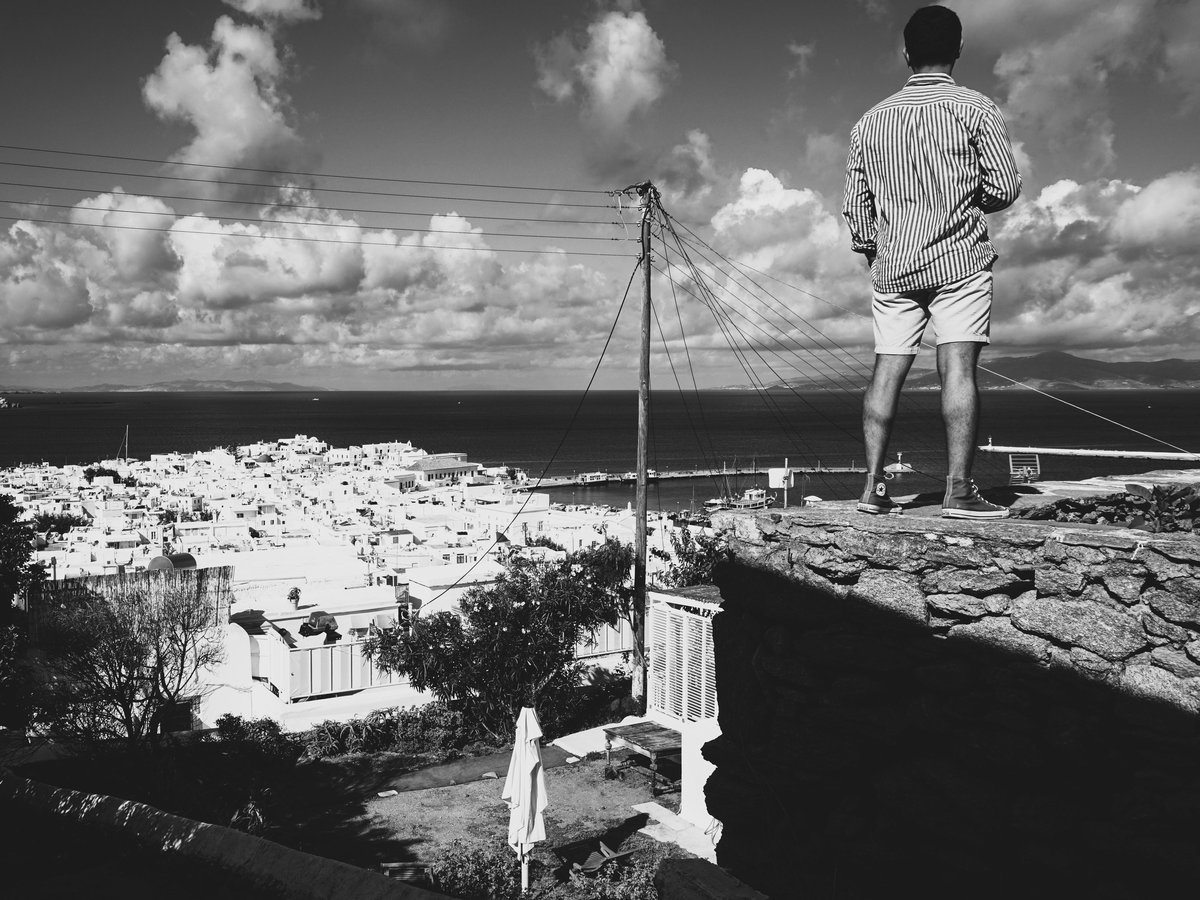
Mykonos has always been a place where shopping and socializing blur together. The narrow marble-paved lanes of Chora (Mykonos Town) still function as the island's commercial center, lined with boutiques that range from international luxury houses to one-room workshops where local artisans sell leather sandals and hand-painted ceramics. The island's reputation leans heavily toward high-end fashion and jewelry, which tends to be accurate for the Matogianni Street corridor. That said, if you wander south toward the older neighborhoods near the Kastro quarter, the price tags drop and the goods feel more rooted in Cycladic craft traditions. Cotton and linen clothing, kopaneli lace embroidery, and local food products like kopanisti cheese and Mykonian sausage (louza) still hold their own against the designer labels. The peak shopping season runs from roughly mid-May through September, and by October many boutiques close entirely until the following spring.
Shopping districts
-
Matogianni Street and Surroundings
luxury to high-midMatogianni is the main commercial artery of Chora, a pedestrian lane that runs from the south bus station area toward the heart of the old town. This is where you'll find Greek and international designer boutiques, high-end jewelry stores, and swimwear brands. The foot traffic here gets dense by early evening in July and August, with visitors spilling over into the connecting lanes of Zouganeli and Kalogera streets. The storefronts tend to be small, whitewashed, and immaculately styled. You might notice that several Athenian jewelry brands maintain summer-only locations here, operating from around late April through October.
Best for: Designer fashion, fine jewelry, upscale swimwear and resort wear
-
Kalogera Street
mid-range to highKalogera runs roughly parallel to Matogianni and carries a slightly different mood. The shops here tend toward independent boutiques, Greek designer labels, and curated concept stores rather than international brands. You'll find linen clothing, handmade leather goods, and contemporary Greek jewelry at prices that feel more approachable than Matogianni. The street narrows in places and gets quieter as you move west. A few art galleries have settled here too, selling prints and small works by Cycladic-based artists.
Best for: Independent Greek fashion, contemporary jewelry, art prints
-
Enoplon Dynameon Street (near Little Venice)
mid-range to budgetThe lanes threading toward Little Venice and the Kastro quarter have a quieter, older feel. Shops here tend to be family-run, and the inventory leans toward traditional Mykonian goods. Kopaneli lace, hand-stitched textiles, and locally made ceramics appear more frequently than designer labels. The whitewashed walls are close together, and on a still afternoon you can smell salt air mixing with dried herbs from the nearby food shops. Prices here sit noticeably below the Matogianni corridor.
Best for: Traditional textiles, ceramics, kopaneli lace, local food products
-
The Waterfront (Akti Kambani and Port Area)
mixedThe harbor-front promenade near the old port still hosts a handful of tourist-oriented shops selling postcards, magnets, and mass-produced souvenirs. Worth noting, though, a few of the older establishments along Akti Kambani sell genuinely local products like thyme honey from Tinos, Mykonian louza, and local wines. The area gets its best light in the early morning, before the cruise ship passengers arrive. By midday in peak season, it fills up considerably.
Best for: Quick souvenir shopping, local food products, last-minute gifts near the port
-
Ano Mera Village
budget to mid-rangeAno Mera sits about 7 kilometers east of Chora and feels like a different island. The village centers on Panagia Tourliani monastery and has a small plateia (square) with a few shops and a seasonal farmers' presence. You won't find designer labels here. Instead there are modest shops selling local cheeses, honey, herbs, and homemade preserves. The pace is slower, the prices are lower, and the goods tend to be what Mykonian families buy for themselves.
Best for: Authentic local food products, a quieter alternative to Chora's crowds
Markets
-
Mykonos Flea Market (Plateia Manto Mavrogenous area)
fleaThe area around the old port and Manto Square hosts a rotating collection of vendors selling secondhand goods, vintage jewelry, handmade leather items, and the occasional antique. To be fair, 'flea market' might be a generous label. It's a loose gathering rather than a formal market, and the selection varies day to day. On good mornings you might find old Greek coins, brass nautical items, and hand-embroidered linens. The smell of nearby bakeries making tiropita drifts over the stalls.
Irregular, most active mornings during peak season (June through September)
-
Ano Mera Farmers' Market
food and farmersThe small square near Panagia Tourliani monastery in Ano Mera hosts local producers selling seasonal fruits, vegetables, Mykonian cheeses (kopanisti and xinotyro are the ones to look for), thyme honey, dried herbs, and homemade preserves. The scale is modest. On a busy Saturday morning you might count 8 to 12 vendors. The quality of the dairy products tends to be noticeably better than what you'll find packaged in Chora's tourist shops. Locals still do their weekly produce shopping here.
Saturday mornings, roughly 8:00 to 13:00, most active May through October
-
Chora Evening Artisan Stalls
artisanDuring peak summer months, particularly July and August, a handful of artisan vendors set up informal stalls along the lanes between Matogianni and the Little Venice waterfront in the early evening hours. You'll find handmade jewelry (silver and semi-precious stones are common), woven bracelets, painted tiles, and small ceramic pieces. These aren't permanent shops but seasonal makers who return each year. The quality varies, so look carefully at the craftsmanship before buying. The warm evening air and the sound of restaurant music from nearby patios give the whole thing a relaxed, social atmosphere.
Evenings during July and August, roughly 18:00 to 23:00, weather-dependent
Souvenirs worth bringing home
Kopaneli lace is the most distinctive Mykonian craft, a form of needle lace that has been made on the island for centuries. Genuine pieces take weeks to produce, and even a small doily or coaster set runs to a meaningful price. Look for it in the older shops near the Kastro quarter rather than the tourist strip. Kopanisti cheese is another worthwhile find. This soft, peppery, fermented cheese is a PDO product specific to the Cyclades, and Mykonos produces some of the best. Buy it vacuum-sealed from shops in Ano Mera or from food vendors near the port. Louza (air-dried pork loin seasoned with pepper and clove) travels well and keeps for weeks. Local thyme honey, often sourced from neighboring Tinos, has a strong herbal flavor that's quite different from mainland Greek varieties. For something wearable, handmade leather sandals are still produced on the island by a few remaining craftsmen. Ceramic pieces painted in the blue-and-white Cycladic palette make good gifts, though you'll want to confirm they were made locally rather than imported from the mainland. Small bottles of souma, the local grape spirit similar to tsikoudia, appear in shops around Chora and make a compact gift with genuine island provenance.
Practical tips
- Bargaining
- Fixed prices are the norm in Mykonos boutiques and most established shops. Bargaining is generally not expected or welcomed in Chora's retail stores. That said, at flea market stalls and with some artisan vendors, a polite conversation about price is perfectly acceptable. Asking 'Is this your best price?' in a friendly tone is the standard approach. Pushing hard will likely get you nowhere. For purchases over a few hundred euros at jewelry shops, asking about a discount for cash payment sometimes works, particularly early or late in the season.
- Tax Refunds (VAT)
- Non-EU visitors can claim a VAT refund on purchases over 50 euros from participating shops. Greece's standard VAT rate is currently 24%, so the refund can be meaningful on larger purchases like jewelry or leather goods. Ask the shop for a tax-free form at the time of purchase. You'll need to get the form stamped at customs when you leave the EU, typically at Athens airport if you're flying out through there. Several shops on Matogianni work with Global Blue or Planet for processing. Keep receipts and the goods accessible in your luggage at the airport, as customs may ask to see them.
- Opening Hours
- Mykonos shop hours follow a distinctly seasonal and Mediterranean rhythm. During peak season (June through September), most Chora boutiques open around 10:00 or 11:00 and stay open until 22:00 or later, sometimes past midnight on busy August nights. In the shoulder months of April, May, and October, hours shrink to roughly 10:00 to 20:00, and many shops close for a midday break between 14:00 and 17:00. From November through March, a large majority of Chora's shops close entirely. Ano Mera shops keep shorter, more traditional hours year-round.
- Payment Methods
- Card acceptance has improved considerably across Mykonos in recent years, and most established shops in Chora now take Visa and Mastercard without issue. Contactless payments work widely. Still, carrying some cash remains useful for market vendors, small artisan stalls, and the occasional older shop in the Kastro area or Ano Mera. ATMs are available near the port and along Matogianni, though they can run out of cash during peak August weekends. Withdrawing from a bank-branded ATM (Alpha Bank, Piraeus Bank, or Eurobank all have machines in Chora) avoids the higher fees charged by independent ATMs.
- Shipping Larger Purchases
- Several jewelry and art shops on Matogianni and Kalogera offer international shipping for bigger items. If you're buying ceramics, large art pieces, or multiple bottles of wine, ask whether the shop ships directly. Some use DHL or FedEx and can arrange delivery within 1 to 2 weeks to most European and North American destinations. For fragile items you're carrying yourself, the packaging shops near the port area can wrap and box goods for a small fee.
FAQ
When is the best time to shop in Mykonos for the widest selection?
Late June through early September gives you the fullest range of open shops and the longest hours, with most Chora boutiques staying open past 22:00. July and August have the most inventory but also the heaviest crowds. Early June and late September offer a good balance, with nearly everything open but fewer people in the lanes. Visiting Matogianni Street before 11:00 on any summer morning gives you a calmer experience and more attention from shop staff.
Are the designer goods on Matogianni Street authentic?
The established boutiques on Matogianni carrying brands like Louis Vuitton, Bvlgari, and major Greek designers stock genuine merchandise. These are typically authorized seasonal outlets run by the brands themselves or by licensed Greek retailers. Counterfeit goods occasionally appear at informal street vendor stalls or market tables, but the fixed-location boutiques in Chora's commercial core deal in legitimate stock. When in doubt, ask for a certificate of authenticity, which reputable jewelers and luxury shops provide as standard practice.
Is shopping in Mykonos significantly more expensive than Athens?
Prices on Matogianni and the central Chora boutiques tend to run 15 to 30 percent higher than equivalent shops in Athens' Kolonaki or Ermou Street districts, reflecting the island's seasonal rent costs and logistics. Food products, local cheeses, and honey are closer to mainland prices, especially if you buy from Ano Mera rather than the tourist waterfront. Jewelry and fashion carry the steepest island premium. For comparison, the same Greek designer swimwear piece that costs around 90 to 120 euros in an Athens boutique might sit at 110 to 150 euros on Matogianni.
Can I find good shopping options on Mykonos outside of Chora?
Ano Mera village, about 7 kilometers east, has a small cluster of food shops selling local cheeses, honey, and preserves at lower prices than Chora. Several of the larger beach clubs and resort hotels (particularly around Ornos and Psarou) have attached boutiques, though these tend toward high-end resort wear at premium prices. For everyday goods and groceries, the larger supermarkets on the road between Chora and Ano Mera carry a reasonable selection. But for variety in retail shopping, Chora remains the clear center.
What are typical opening hours for Mykonos shops on Sundays?
During peak summer season (mid-June through mid-September), most Chora shops open on Sundays with the same hours as weekdays, typically 10:00 or 11:00 through 22:00 or later. The island essentially operates on a 7-day retail week during high season. Outside of peak months, Sunday hours become inconsistent. Some shops close entirely, others open for reduced afternoon hours. Ano Mera shops are more likely to close on Sundays year-round, following a more traditional Greek schedule.
Last verified by automated review (v1.7.2) on . What is automated review?