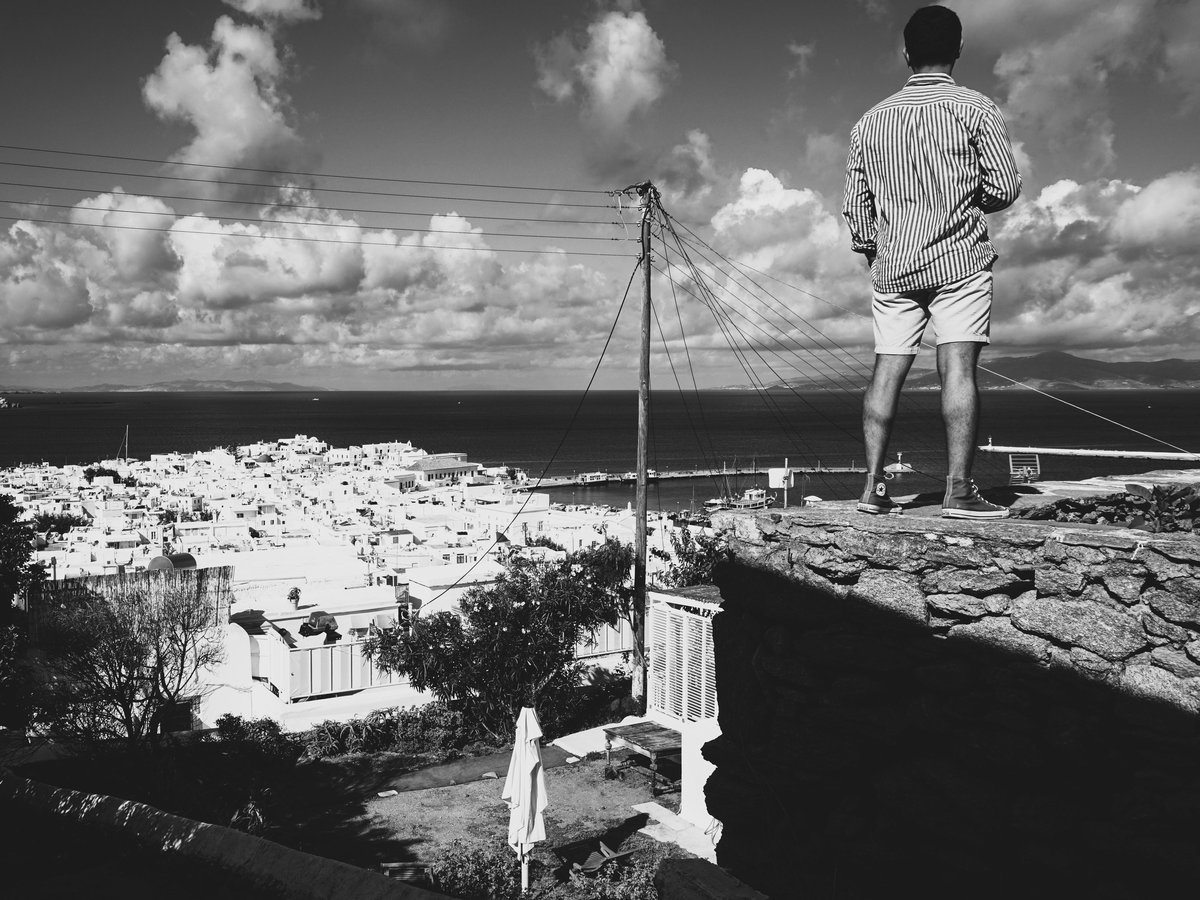
Where do locals actually go in Mykonos?
Year-round Mykonians avoid Little Venice and Matoyianni Street. They drink morning coffee on Ano Mera's central plateia, 4 km inland from Chora, and eat at Kounelas fish taverna near the old port before noon. Fokos Beach on the north coast has no sunbed vendors. Weekday mornings before 10am are your window into non-tourist Mykonos.
Ano Mera sits 4 km east of Chora, and it's the only other real settlement on Mykonos. About 2,000 of the island's roughly 10,000 year-round residents live here or nearby. The central plateia has 3 kafeneions where old men play tavli by 8am. The clack of dice on wood carries across the square. Panagia Tourliani monastery anchors the north side. Nikolas Taverna on the square does a lamb kleftiko for around €14 that smells like slow-roasted oregano and rendered fat. Tour buses stop here for 20 minutes around 11am, but by 11:30 the square empties back to locals. If you're staying long-term, Ano Mera has the island's only full-size supermarket, a butcher, and a pharmacy. For a nomad doing a multi-week stint, that matters more than any bar recommendation.
In Chora, locals tend to disappear from Matoyianni Street and Little Venice after 10am in summer. The Goumenio Square area, 2 blocks inland from the old port, still has a butcher and a hardware store between the boutiques. Kounelas fish taverna on Agion Anargyron sits about 50 meters from the old port. It opens at noon, and by 12:15 the first plates of fried calamari and grilled sardines hit the plastic-covered tables. The smell of charcoal and lemon hangs in the narrow lane. Locals eat here for €15-20 per person before the cruise-ship crowd finds it around 1pm. Worth noting, the Fabrika complex in the old slaughterhouse district south of Chora has become a locals' evening gathering point. Off-duty bartenders and hotel staff from across the island arrive after midnight, Tuesday through Thursday in peak season.
Mykonians don't swim at Paradise or Super Paradise. Fokos Beach on the northeast coast requires a 15-minute drive on a dirt road from Ano Mera. No sunbeds, no bar, no music. A single stone-walled taverna sits above the sand and serves grilled fish by the kilo. The beach faces north, so it catches the meltemi wind in July and August. Locals treat windy Fokos days as a feature. Agios Sostis, nearby, lost its taverna Kiki's to fame but the beach itself remains quiet on weekday mornings. Panormos on the north coast has a similar character outside of July-August weekends. These north-facing beaches are where Mykonians go because the south-coast beaches were handed over to beach clubs decades ago.
The meltemi wind defines daily life from mid-June through September. It blows force 5-7 from the north, and Mykonians plan everything around it. South-facing beaches stay sheltered. North-facing terraces become unusable. Laundry dries in 20 minutes. The wind drops most evenings around 7pm, which is why the volta tradition of walking the harbor happens then. In winter, Mykonos gets genuine rain from November through February. About half the restaurants and most hotels close entirely. The year-round population drops to roughly 6,000. The few open kafeneions in Chora become the entire social scene. A nomad wintering here would find solitude, cheap rent, and not much else.
Where they actually go
Ano Mera plateia
Ano Mera: Old men play tavli at 8am. The clack of dice carries across whitewashed walls. 3 kafeneions, no cocktail menu, Greek coffee in small cups. Tour buses pass for 20 minutes at 11am, then quiet returns.
Kounelas fish taverna
Chora (old port): Charcoal smoke and lemon in a narrow lane 50 meters from the old port. Fried calamari plates hit tables by 12:15. Locals eat for €15-20 before cruise passengers find it around 1pm.
Fokos Beach
North coast (near Ano Mera): Coarse sand, no sunbeds, no music, patchy cell signal. Water runs 2-3°C colder than south-facing beaches. Pickup trucks with fishing gear at the path. Weekday afternoons feel empty.
Fabrika complex
Chora (south, old slaughterhouse district): Converted industrial space with concrete floors and low lighting. Off-duty bartenders and hotel workers arrive past midnight Tuesday-Thursday. Beer runs €6-7, cheap by Mykonos standards.
Agios Sostis beach
North coast: No road sign, no facilities. Rocky path down to coarse sand with strong meltemi exposure in July-August. Locals bring coolers and their own umbrellas. Saturday mornings get family-busy.
Nikolas Taverna
Ano Mera: Plastic chairs on the village square. Lamb kleftiko for €14, portions sized for farmers. The smell of slow-roasted oregano drifts across the plateia. Open year-round, even when half of Chora shuts.
Goumenio Square area
Chora (inland): 2 blocks from the old port, still has a butcher and hardware store between boutiques. Morning coffee crowd is local shopkeepers. Tourist foot traffic takes over by noon in summer.
Best times to visit
Weekday mornings 7-10am year-round for local Chora. Ano Mera plateia peaks at 8-10am daily. Fokos Beach on weekday mornings. Fabrika complex after midnight Tue-Thu in summer. Evening volta at the harbor around 7pm when the meltemi drops.
Last verified by automated review (v1.7.2) on . What is automated review?