Compare every Greece city in January →
Mykonos in January is closed. That is the single most important thing to understand before you book. Roughly 80% of the island's hotels, restaurants, and bars shut their doors by late October and don't reopen until April or May. The summer population of over 100,000 drops to something closer to the permanent resident count of around 10,000. Chora's famous waterfront, which in July has a 45-minute wait for a cocktail, sits largely empty. Temperatures hover around 15°C (59°F) during the day and dip to about 12°C (53°F) at night, which is mild by northern European standards but feels raw when the winter wind picks up across the Aegean.
To be fair, there is a version of Mykonos in January that appeals to a certain kind of traveler. You'll find the narrow marble streets of Chora without a single selfie stick in the frame. The handful of tavernas that stay open year-round serve locals, and the food tends to be more honest for it. Accommodation that costs 400 euros per night in August might go for 80 or 90. The Archaeological Museum of Mykonos remains open, and Panagia Paraportiani, that strange cluster of 5 whitewashed chapels on the Kastro headland, looks better against a moody grey sky than it does under harsh July sun.
That said, you need to be comfortable with solitude and limited options. Ferry schedules from Piraeus drop to 1 or 2 departures per day, weather permitting. Flights from Athens still run, though delays are common when winter storms roll through. The Cycladic wind can blow hard enough in January to keep you indoors for a full day. If your idea of Mykonos involves beach clubs, nightlife, or browsing boutiques in Matogianni Street, January will disappoint you completely. If you want a quiet, inexpensive week on a beautiful island with almost nobody around, it might be worth considering.
Why visit in January
- Accommodation prices drop 70-80% from peak season. A room in Chora that runs 500 euros in August can go for under 100 euros in January.
- Almost zero crowds. You can photograph the Kato Mili windmills, Little Venice, and Panagia Paraportiani without another tourist in sight.
- The local Mykonian community becomes visible. Year-round tavernas in Ano Mera and Chora serve food made for islanders, not package tourists. Portions tend to be larger and prices lower.
- Theophania (Epiphany) on January 6 brings one of the island's most genuine cultural moments, with the cross-throwing ceremony at Chora's harbor.
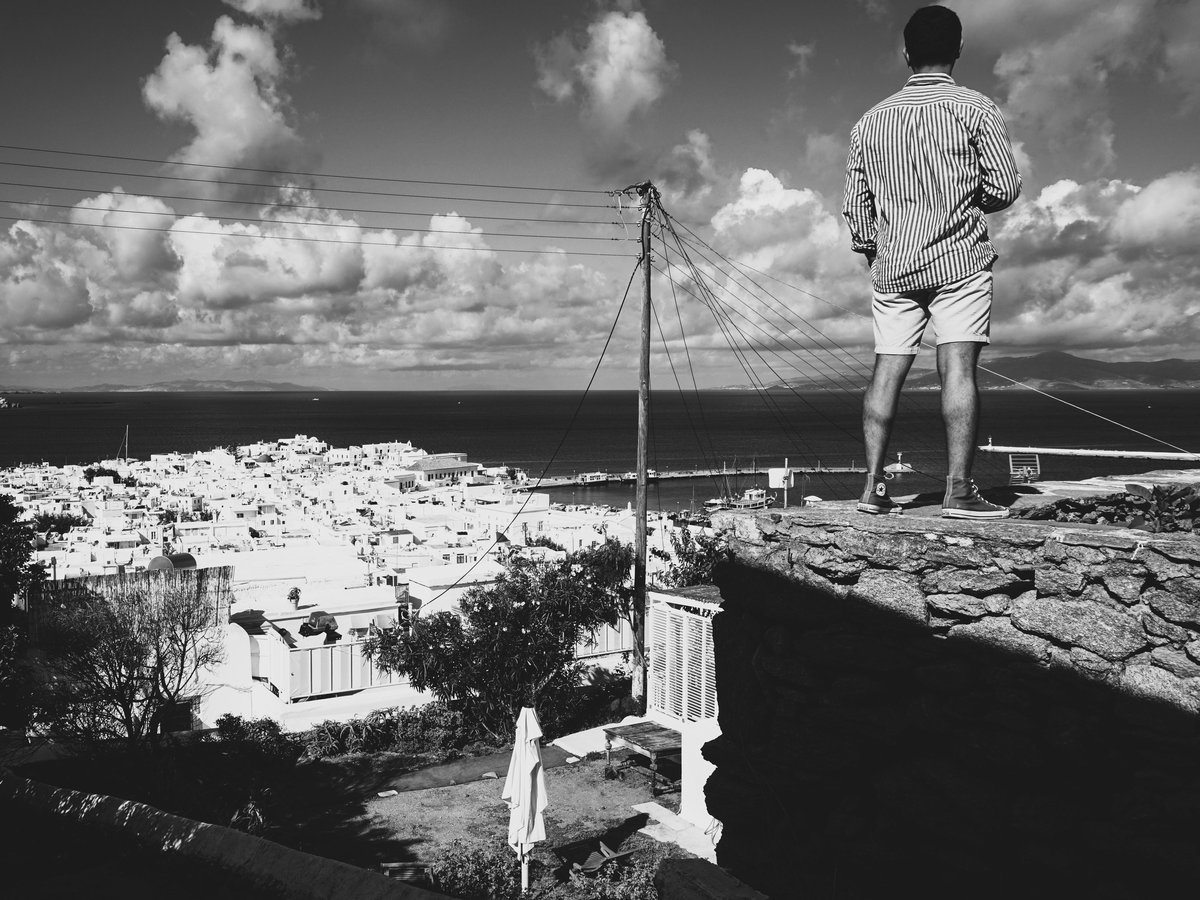
- Winter light on the Cyclades has a soft, silvery quality that photographers prize. The white cubist architecture of the Kastro neighborhood stands out sharply against dark cloud formations.
Worth knowing
- Roughly 80% of hotels, restaurants, bars, and shops are closed from November through April. Your dining options on any given evening might number 3 or 4 across the entire island.
- Winter storms can cancel ferries for 1-2 days at a time. Winds of 60-80 km/h (37-50 mph) are not unusual, and the Aegean gets rough enough to strand you.
- No beach life to speak of. Water temperatures sit around 16°C (61°F), and beach bars are shuttered. The famous party beaches like Paradise and Super Paradise are deserted.
- Getting around is harder. Bus service drops to a skeleton schedule, and most car and ATV rental agencies close. You'll likely need to arrange a rental from one of the few operators still running.
Best for
Think twice if
January is the joint-coldest month on Mykonos alongside February. Daytime highs sit around 15°C (59°F), which feels pleasant enough in direct sun but noticeably cooler when the wind picks up. Nights drop to about 11.6°C (53°F). Rainfall reaches 56mm across roughly 10 rainy days, making it one of the wetter months alongside December's 64mm. Humidity averages 70%. The wind is the real weather story. Northerly and northwesterly gusts can feel bitter, especially along exposed stretches like the waterfront at Little Venice or up near Armenistis Lighthouse. You might get 3 or 4 mild, sunny days in a row, then a storm system sweeps through with heavy rain and strong gusts for a day or two. The pattern tends to be unpredictable.
Seasonal caution
- Strong Aegean winds of 60-80 km/h (37-50 mph) can occur several times in January, making exposed coastal walks unpleasant and canceling ferry services from Piraeus and neighboring islands for 1-2 days at a stretch.
Year-round climate
Averages from the last 5 years.
| Month | Avg high (°C) | Avg low (°C) | Rainfall (mm) |
|---|---|---|---|
| Jan | 15 | 12 | 56 |
| Feb | 14 | 11 | 38 |
| Mar | 16 | 12 | 36 |
| Apr | 19 | 14 | 36 |
| May | 22 | 17 | 16 |
| Jun | 27 | 22 | 5 |
| Jul | 29 | 24 | 5 |
| Aug | 29 | 24 | 3 |
| Sep | 26 | 22 | 4 |
| Oct | 22 | 19 | 24 |
| Nov | 20 | 16 | 51 |
| Dec | 16 | 13 | 64 |
Holidays and festivals in January
Public holidays
- New Year's Day(Πρωτοχρονιά)1 January 2027
- Epiphany(Θεοφάνεια)6 January 2027
Best things to do in January
Walk the empty streets of Chora at dawn
sightseeingThe marble-paved lanes of Mykonos Town, normally packed shoulder-to-shoulder from June through September, are almost entirely empty in January. You can walk from the Kato Mili windmills through the Kastro neighborhood to Little Venice without passing more than a handful of people. The morning light off the harbor is worth waking early for.
Summer crowds of 5,000+ daily cruise passengers are gone entirely. You'll have the lanes to yourself.Booking tipNo booking needed. Start at the old port and walk south toward Kastro.
Visit Panagia Tourliani Monastery in Ano Mera
culturalThis 16th-century monastery sits in the main square of Ano Mera, about 8 km (5 miles) east of Chora. The Florentine marble bell tower and the carved wooden iconostasis inside are worth the trip. In January, you might be the only visitor. The square has 2 or 3 tavernas that stay open year-round.
No tour groups. The monastery's caretakers tend to be more available for conversation in the quiet season.Booking tipCheck opening hours locally. Winter hours are sometimes reduced to mornings only.
Hike to Armenistis Lighthouse
outdoorThe 19th-century lighthouse sits on the northwestern tip of the island, about 6 km (3.7 miles) from Chora. The walk follows a dirt road through scrubby hillside with views over Tinos and Delos. In January, the landscape is surprisingly green after autumn rains, and the wildflowers start appearing toward month's end.
Cool temperatures around 15°C (59°F) make the exposed, shadeless walk comfortable. In July, this same hike is punishing.Booking tipCheck wind conditions before setting out. If northerlies are above 40 km/h, the exposed headland is genuinely unpleasant.
Day trip to Delos archaeological site
culturalThe sacred island of Delos, a UNESCO World Heritage Site since 1990, lies 2 nautical miles southwest of Mykonos. The Terrace of the Lions, the House of Dionysus mosaics, and the remains of a city that once held 30,000 people are all here. Winter visits require arranging a private boat, as the regular tourist boats don't run.
If you can arrange transport, you'll likely have the entire island to yourself. The site receives over 100,000 visitors annually, almost all between May and October.Booking tipContact local boat operators in Chora's old port at least 3 days ahead. Expect to pay 150-250 euros for a private boat, weather dependent. Trips cancel in rough seas.
Explore the Archaeological Museum of Mykonos
culturalOne of the oldest museums in Greece, opened in 1902, this small collection near the old port holds pottery and grave stelae from the Rheneia purification of Delos in 426 BCE. The large 7th-century BCE pithos depicting the fall of Troy is the standout piece.
One of the few cultural institutions open year-round. A rainy January afternoon gives you time to study the Delos artifacts at your own pace.Booking tipConfirm winter hours, which are typically reduced. Entry is around 4 euros.
Attend the Theophania cross-diving ceremony
culturalOn January 6, the Orthodox Epiphany celebration brings locals to the harbor at Chora. A priest throws a wooden cross into the cold Aegean, and young men dive in to retrieve it. The one who brings it back is said to receive a year of good luck. The crowd is small and entirely local.
Theophania falls on January 6 every year. It is the single most significant community event on Mykonos during the winter months.Booking tipNo booking. Arrive at the old port by 10:00. The ceremony is brief, usually 20-30 minutes.
Sample Mykonian wines at a winter tasting
food and drinkA few small producers on Mykonos grow Assyrtiko and other Cycladic varietals. January is when the previous autumn's wines are settling, and some producers offer informal tastings by appointment. The volcanic soil of the Cyclades gives the whites a mineral quality that pairs well with kopanisti cheese.
Producers have more free time in winter and are more likely to accommodate drop-in visits. In summer, most stock goes directly to restaurants.Booking tipAsk at your accommodation or at tavernas in Ano Mera for introductions. This is informal, not a commercial tasting room setup.
What to eat in January
In season: fruit
Citrus from neighboring islands
Naxos and Crete send oranges and mandarins to Mykonos through the winter months. January is peak season. The Saturday provisions boat means the freshest fruit arrives at the start of each weekend.
On menus now
Louza
Air-dried pork loin seasoned with pepper and cloves, a Mykonian charcuterie tradition. January's cool dry winds are ideal curing conditions, and year-round tavernas in Ano Mera typically have a fresh batch started in late November.
Street food peaks
Tiganites (Mykonian honey fritters)
Fried dough balls drizzled with local thyme honey, traditionally made around the holidays and through Epiphany. January mornings in Chora sometimes carry the smell of hot oil and honey from bakeries preparing a fresh batch.
What to drink
Rakomelo
Warm raki mixed with honey and spices like cinnamon and clove. It is the default winter drink at Cycladic tavernas, and January evenings in Mykonos are cold enough to make the first sip feel genuinely medicinal. Most places serve it in small ceramic cups.
In markets
Kopanisti
Mykonos's sharp, peppery soft cheese with a PDO designation. It ferments slowly in cool winter temperatures, and January is when the newest batches reach their tangy peak. You'll find it spread on barley rusks at most tavernas still operating.
Regular events in January
Protochronia (New Year's Day)Free
January 1 on Mykonos is quiet compared to Athens, but year-round residents gather at Chora's harbor and the few open cafes for the countdown. Some tavernas host small dinners. The tradition of cutting the vasilopita (New Year's cake with a hidden coin) continues at homes and the handful of open establishments.
January 1Theophania (Epiphany)Free
The Blessing of the Waters on January 6 is a national holiday in Greece. On Mykonos, the ceremony takes place at the old port in Chora. A priest blesses the sea and throws a cross into the harbor. Young men dive in to retrieve it, with the water sitting around 16°C (61°F). A small procession through Chora's streets precedes the dive.
January 6Feast of Agios Ioannis ProdromosFree
January 7 is the nameday of Agios Ioannis (St. John the Baptist), and Mykonos has several chapels dedicated to him, including one near Ornos. Locals named Ioannis or Ioanna celebrate their nameday, and you might find a small gathering at the relevant chapel with coffee and sweets offered to visitors.
January 7Best places this January
Panagia Paraportiani
churchFive chapels merged into a single whitewashed structure over 4 centuries, sitting on the Kastro headland in Chora. It is likely the most photographed church in the Cyclades. January's grey skies and low-angle light create dramatic contrast against the white walls. No entrance fee; the interior is sometimes open for prayer.
Kastro, ChoraLittle Venice (Mikri Venetia)
waterfrontThe row of 18th-century captains' houses with balconies hanging directly over the sea, on the western edge of Chora. In January, the sunset view is the same as summer but the waterfront bars are largely shuttered. One or two may open on weekends. The waves crash closer to the buildings in winter weather, which makes for striking photographs.
Little Venice, ChoraKato Mili Windmills
landmarkThe row of 7 iconic 16th-century windmills sits on a low hill between Chora and Little Venice. They no longer function but remain the island's most recognizable landmark. In January, the surrounding grass is green from rain, which changes their appearance considerably from the bleached brown of summer postcards.
ChoraAno Mera village square
villageThe island's second settlement, 8 km (5 miles) east of Chora, centers on a traditional plateia with Panagia Tourliani Monastery on one side and year-round tavernas on the others. January lunch here feels like a different world from the Mykonos of popular imagination. You're likely to be the only non-resident in the square.
Ano MeraAegean Maritime Museum
museumA small museum in a restored 19th-century Mykonian house in central Chora, covering Aegean seafaring from the pre-Minoan era onward. Ship models, nautical instruments, and maps fill 2 floors. Winter opening hours may be limited, so check ahead. The courtyard garden has a restored 19th-century lighthouse lamp.
Tria Pigadia, ChoraFokos Beach
beachA remote, undeveloped beach on the north coast, about 10 km (6.2 miles) from Chora by dirt road. In January, you will have it completely to yourself. The drive passes through the island's rugged interior, which is green and dotted with wildflowers after the autumn rains. Swimming is too cold for most people, but the walk along the shore is peaceful.
Northern MykonosBoni's Windmill
viewpointA restored windmill above Chora that occasionally opens for visits. The hilltop offers a 360-degree panorama over the town, the harbor, and Delos in the distance. In January, the clarity of the air on a good day gives you visibility well past Tinos and Syros.
Chora
Your packing checklist
Tick items off as you pack. Your progress saves in this browser.
All packed — have a great trip.
Insider tips
The few tavernas open in January don't always update their Google Maps hours. When you arrive in Chora, walk the harbor and note which places have lights on and chairs out. That's your restaurant list for the week. Niko's Taverna on the harbor and a couple of places near the bus station in Fabrika Square tend to stay open.
If you're arranging a private boat to Delos, ask about combining it with a stop at Rhenia (the uninhabited island next to Delos) on the return. In calm weather, the sheltered coves on Rhenia's south side are striking, and you'll have an entire island shoreline to yourself.
The Saturday provisions boat from Piraeus or Syros brings fresh produce, meat, and fish to Mykonos. Shopping at the small markets in Chora on Saturday afternoon gets you the best selection of the week. By Tuesday or Wednesday, the range narrows.
Wind forecasts for Mykonos are available on Poseidon (the Hellenic Centre for Marine Research system). Locals check it daily in winter. If it shows northerlies above 7 Beaufort for 2+ days, consider adjusting travel plans, as ferries will likely cancel.
The Folklore Museum near the Paraportiani church has a reconstructed 19th-century Mykonian kitchen and bedroom. It is tiny but well-done, and in January the caretaker sometimes gives impromptu tours if you show genuine interest. Check locally for winter opening days.
Avoid these mistakes
- Arriving without confirmed accommodation and assuming you'll find something open. Many hotels lock their doors entirely from November to April. Book ahead and confirm directly with the property that they are operating in January.
- Planning a tight schedule with ferry connections to Santorini, Paros, or Naxos on specific dates. Winter ferries cancel frequently in rough weather. Build at least 1 buffer day into any itinerary that depends on a ferry departure.
- Expecting the Delos archaeological site to be reachable on the regular tourist boats. The scheduled Delos excursion boats operate roughly April through October. In January, you need a private arrangement, which costs 10-15 times more and depends entirely on sea conditions.
- Packing only summer clothes because it's Greece. January nights at 12°C (53°F) with 70% humidity and wind feel colder than the numbers suggest. The damp Aegean cold is different from dry continental cold at the same temperature.
Practical tips for January
Book flights rather than ferries for the most reliable January access. Aegean Airlines and Sky Express run Athens-Mykonos year-round, though the schedule drops to 1-2 flights daily. Ferries from Piraeus take 2.5-5 hours depending on the vessel, but cancellations in rough weather can strand you for 1-2 days. Arrange a car rental before arriving, as most agencies close for winter and the remaining operators need advance notice. Bus service between Chora and Ano Mera still runs but on a reduced winter timetable, sometimes with only 4-5 departures daily. Bring cash, as some of the few open businesses have card machines that are spotty in the off-season. The island's only ATMs are in Chora near the harbor and Fabrika Square. Pharmacies and a small medical clinic operate year-round in Chora, but for anything serious, the transfer is by helicopter or fast boat to Syros or Athens. Mobile coverage from Cosmote and Vodafone is reliable across most of the island.
FAQ
Is January a good time to visit Mykonos?
Honestly, for most travelers, no. About 80% of the island's businesses close for winter, there is no beach life or nightlife, and ferry service is unreliable. Water temperatures sit around 16°C (61°F). That said, if you specifically want solitude, low prices, and atmospheric photography of the Cycladic architecture, January delivers those things better than any other month. It is a poor choice for the typical Mykonos holiday but a reasonable one for a very specific kind of trip.
What is the weather like in Mykonos in January?
Average highs reach about 15°C (59°F) and lows drop to around 11.6°C (53°F). Rainfall averages 56mm spread across roughly 10 rainy days. Humidity sits around 70%. The temperatures are mild by northern European standards, but the Aegean wind makes it feel colder. You might get 3-4 pleasant, sunny days in a row, then a storm system moves through with strong gusts and rain for a day or two. Pack layers and windproof outerwear.
Is Mykonos crowded in January?
The opposite. January is the quietest month on the island. The summer population of over 100,000 drops to closer to the year-round resident count of about 10,000. You can walk through Chora's lanes for 20 minutes without seeing another tourist. The famous beaches are completely empty. If you dislike crowds, this is the time.
Are restaurants and shops open in Mykonos in January?
Very few. Expect 3-5 tavernas and cafes open across the entire island, mostly in Chora and the Ano Mera village square. The Matogianni Street boutiques, beach clubs, and waterfront cocktail bars are shuttered. A small supermarket and a couple of bakeries in Chora cover groceries. If dining variety matters to you, January is not the month.
Can I visit Delos from Mykonos in January?
It is possible but requires effort and luck. The regular tourist boats to Delos run from roughly April to October. In January, you need to arrange a private boat through a local operator at Chora's old port, which typically costs 150-250 euros. The crossing depends entirely on sea conditions, and Delos itself may have reduced access. Contact operators 3 or more days in advance and have a flexible schedule.
Things to Do in Mykonos in January
 Free cancellation
 Catamaran Day & Sunset Cruises with meals Drinks and transportation
Day trip: 5 hours, free cancellation.
via Viator Free cancellation
 Mykonos Small Group Tour for Cruise Passengers — Port Pickup
Day trip: 4 hours, free cancellation.
via Viator Free cancellation
 Mykonos Shore Excursion with Pickup from Cruise Ship Terminal
Day trip: 4 hours, free cancellation.
via Viator Free cancellation
 Small-Group Half-Day Tour in Mykonos
Day trip: 4.5 hours, free cancellation.
via Viator Free cancellation
 Half-Day Highlights of Mykonos Tour
Day trip: 3.5 hours, free cancellation.
via Viator Free cancellation
 Private Tour: 4 Hours Mykonos Island Tour - Like a Local
Day trip: free cancellation.
via ViatorFind a flight to Mykonos
Live fares to Mykonos appear here once cookies are accepted.
Last verified by automated review (v1.7.2) on . What is automated review?