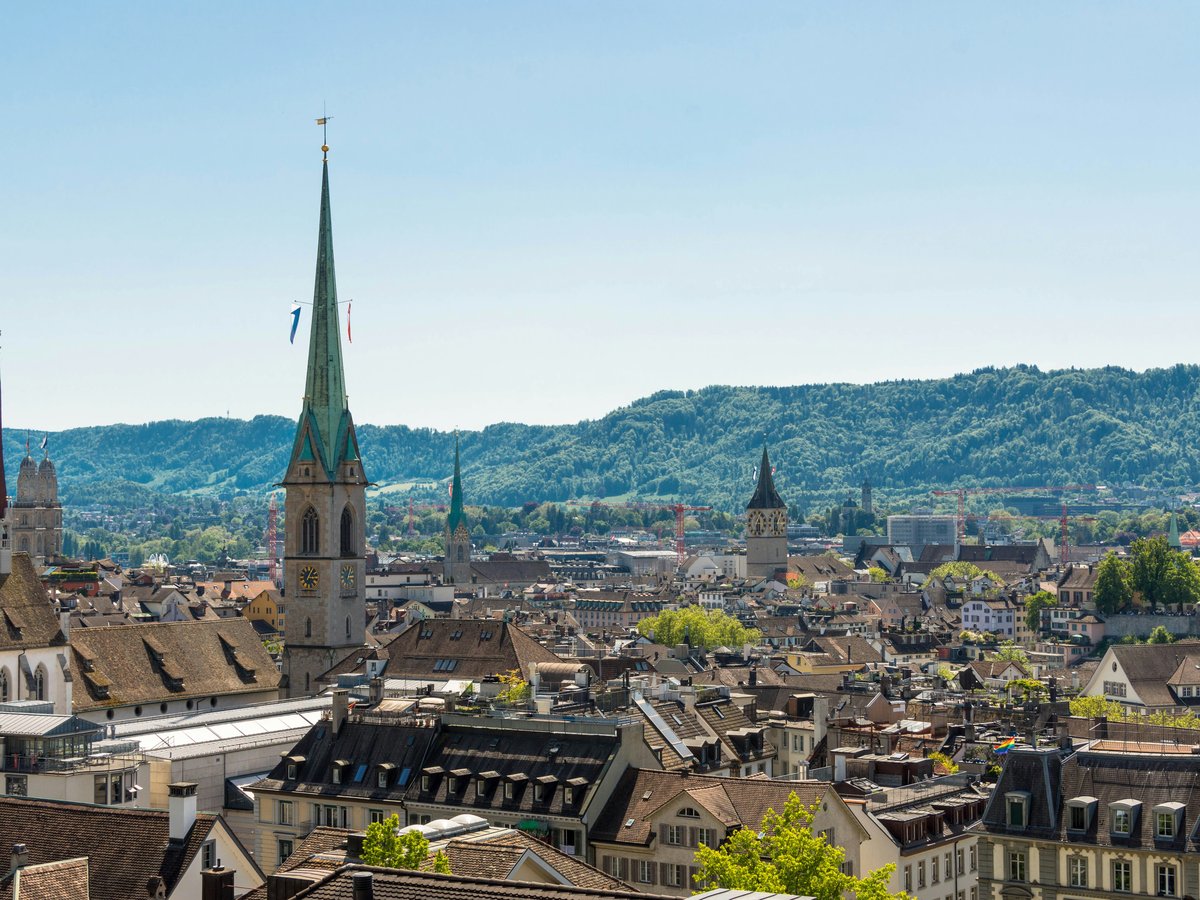
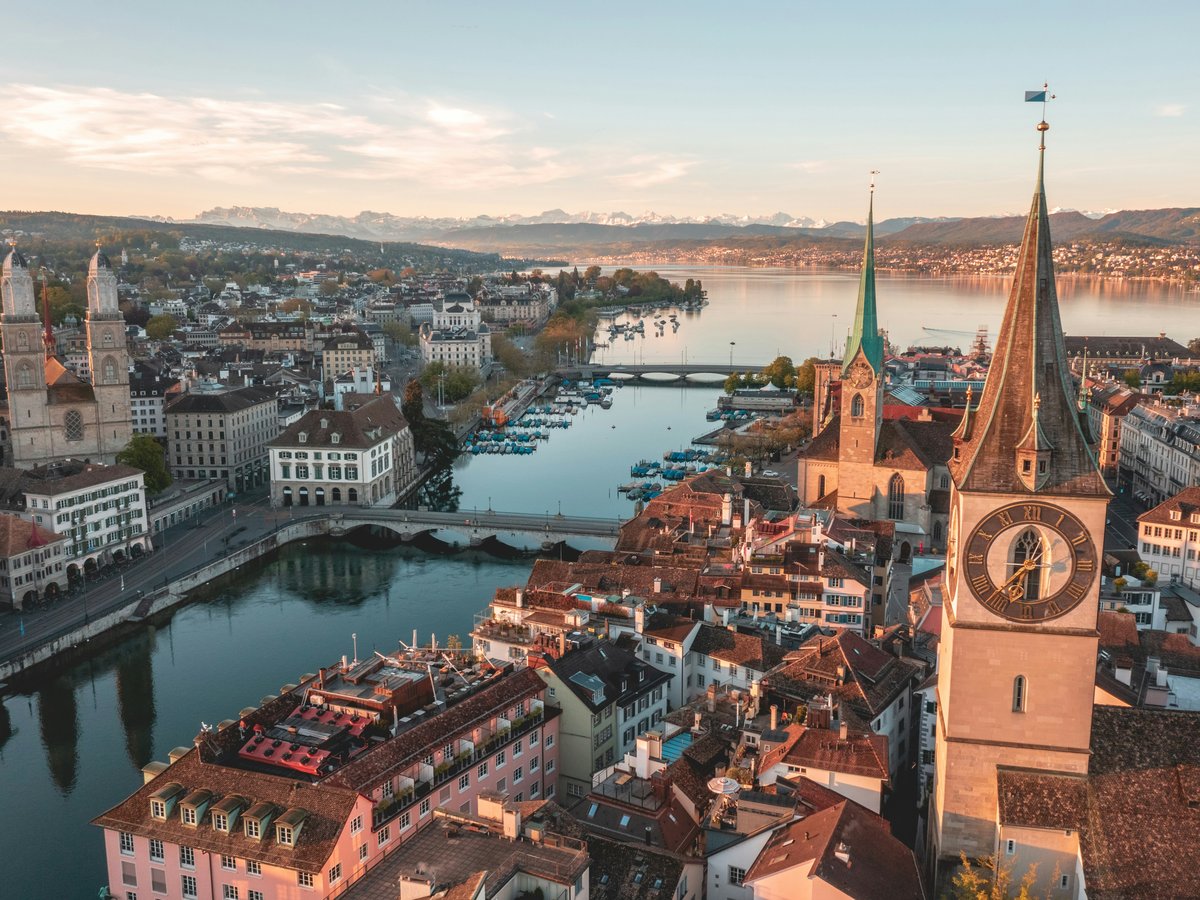
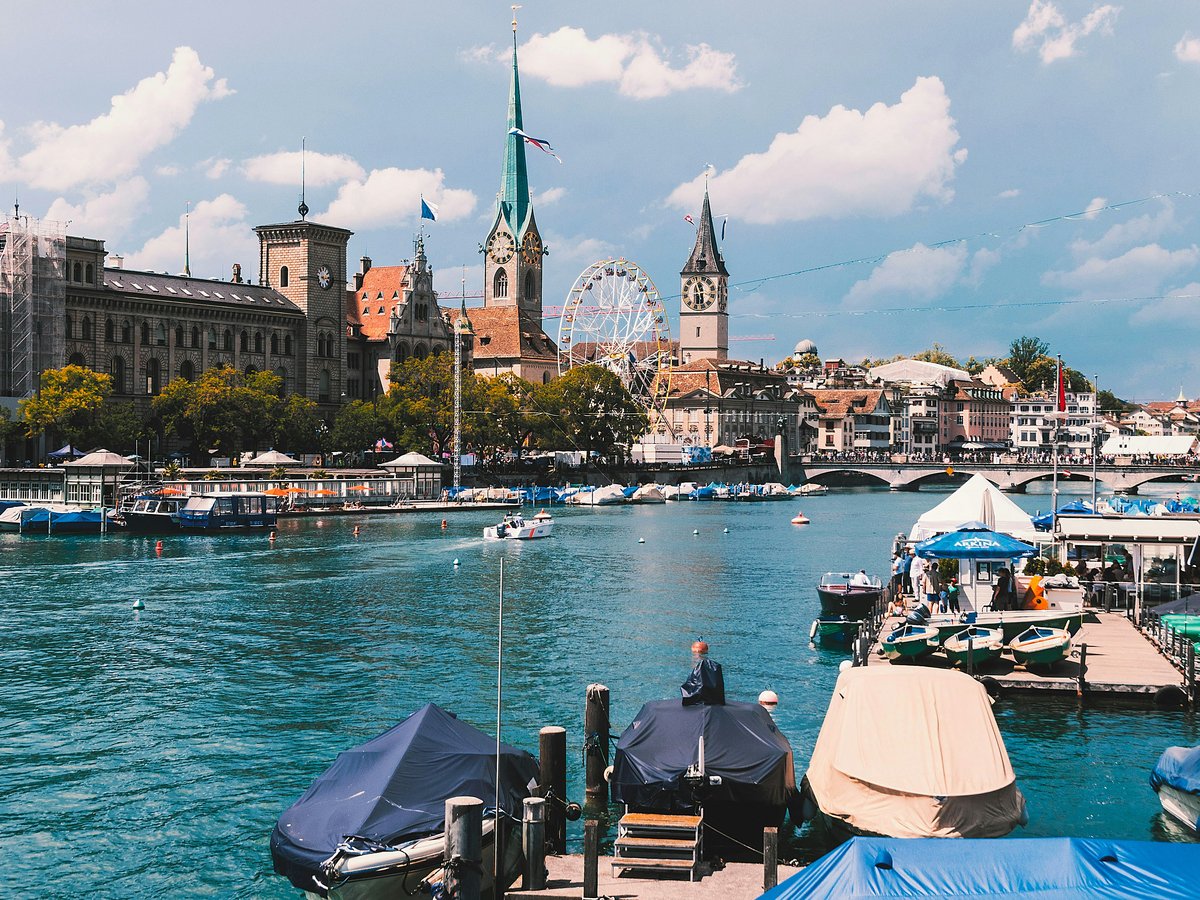
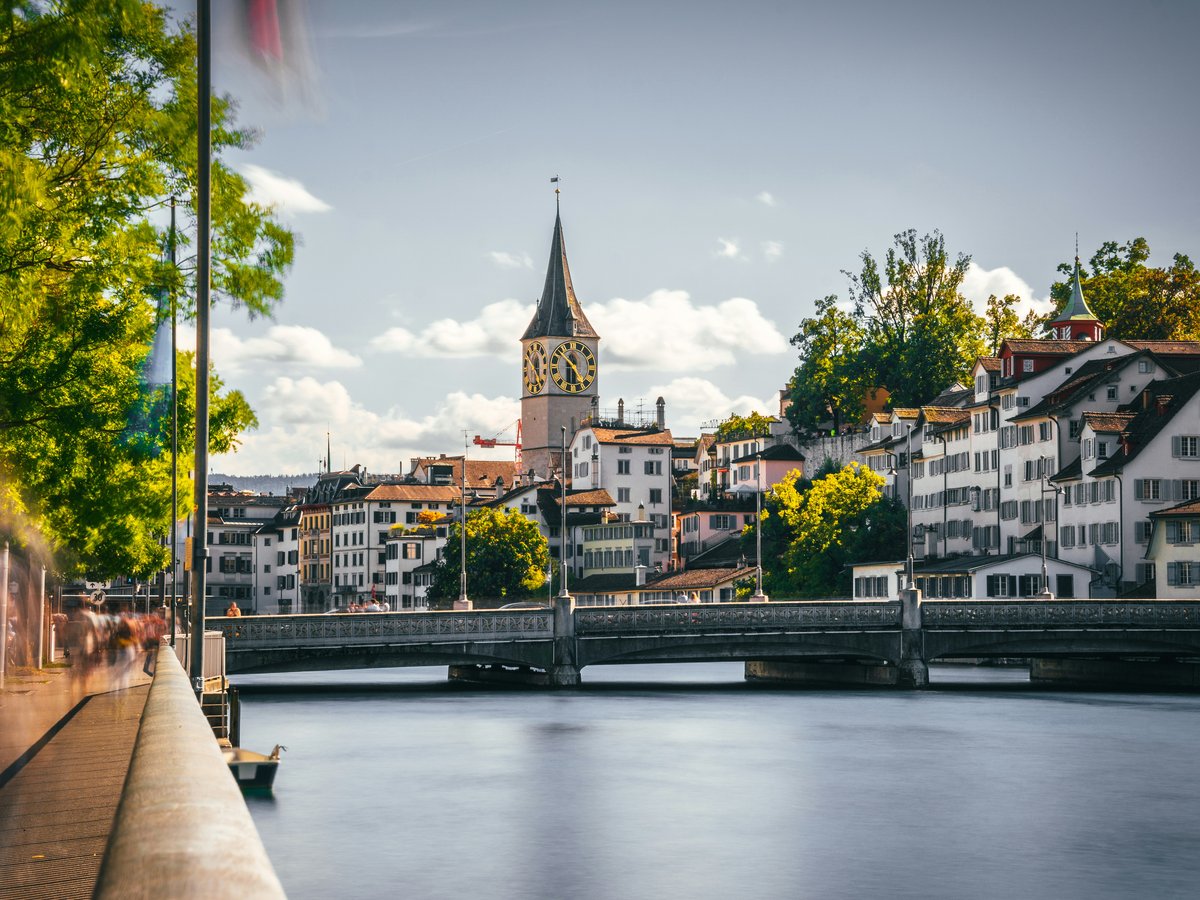
Zurich sits at the northern tip of its namesake lake where the Limmat River flows out toward the Rhine, a geography that gives the city its defining axis: water runs through everything here. With roughly 421,000 residents it is Switzerland's largest city but not its capital, a distinction that matters because Zurich's identity has always been commercial rather than political, shaped by banking and the Reformation rather than parliament. Huldrych Zwingli preached his austere Protestantism from the Grossmünster in the 1520s, and that sober streak still runs beneath the surface even as the city has loosened considerably. Your first morning will probably start along Bahnhofstrasse, the shopping avenue that runs from the main train station straight to the lake, but the more interesting hours come when you cross the river to Niederdorf, the narrow-laned old town on the east bank where restaurants and bars have real character. Locals shorthand the west bank as Kreis 5, the former industrial district around the Viadukt arches that now holds independent shops and a weekly market, or they point you toward Kreis 4, which has the best bar scene along Langstrasse. The lake itself is swimmable in summer, genuinely so; Zürichhorn and Seebad Utoquai are public bathing spots where office workers spend lunch hours in July, and the water is clean enough that nobody thinks twice. Trams run with a precision that borders on ideology, and the Swiss Travel Pass covers them, which matters because Zurich is expensive in ways that will recalibrate your sense of normal: a simple lunch runs forty francs without effort. The compensation is that almost nothing here is mediocre. The Kunsthaus holds one of Europe's strongest modern art collections, the food markets at Bürkliplatz deal in produce that justifies the prices, and even the public fountains dispense drinkable water.
Zurich in photos
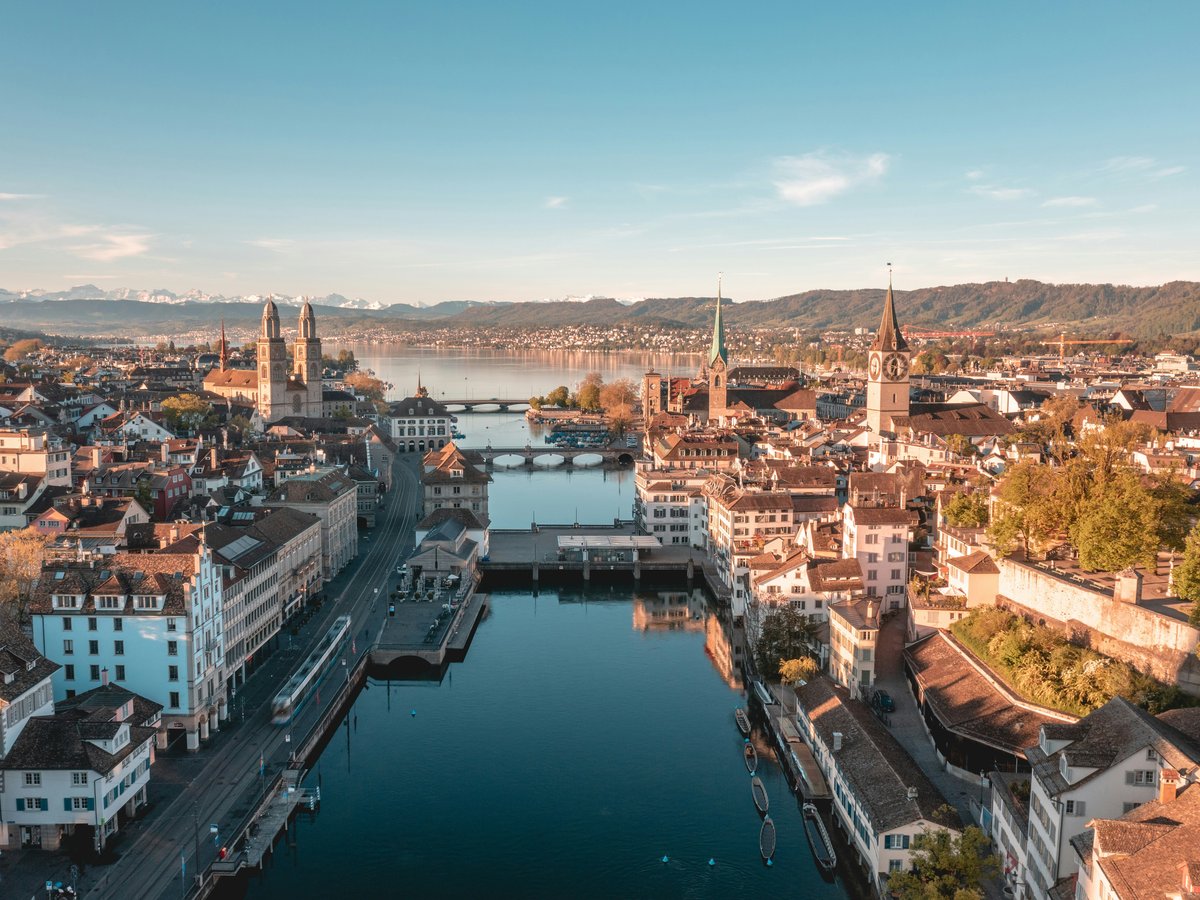
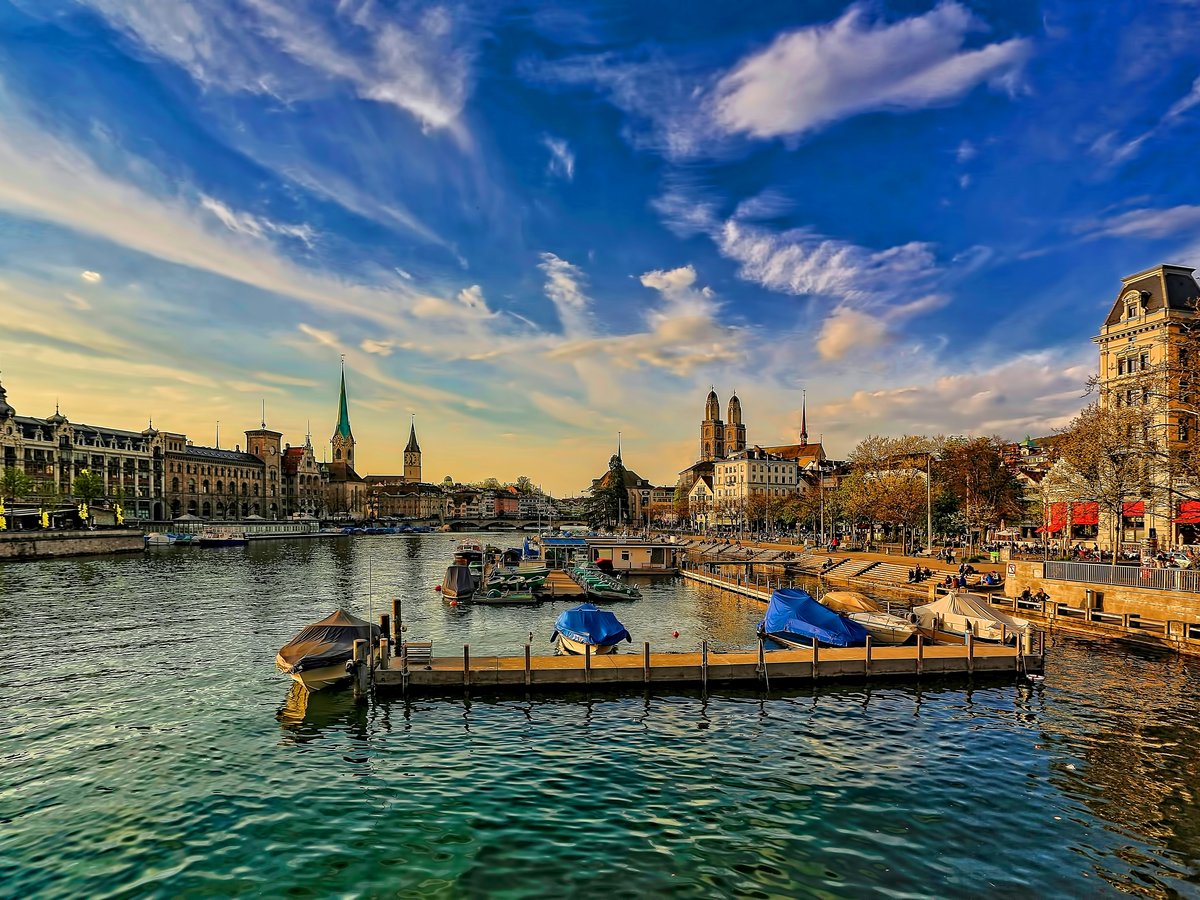
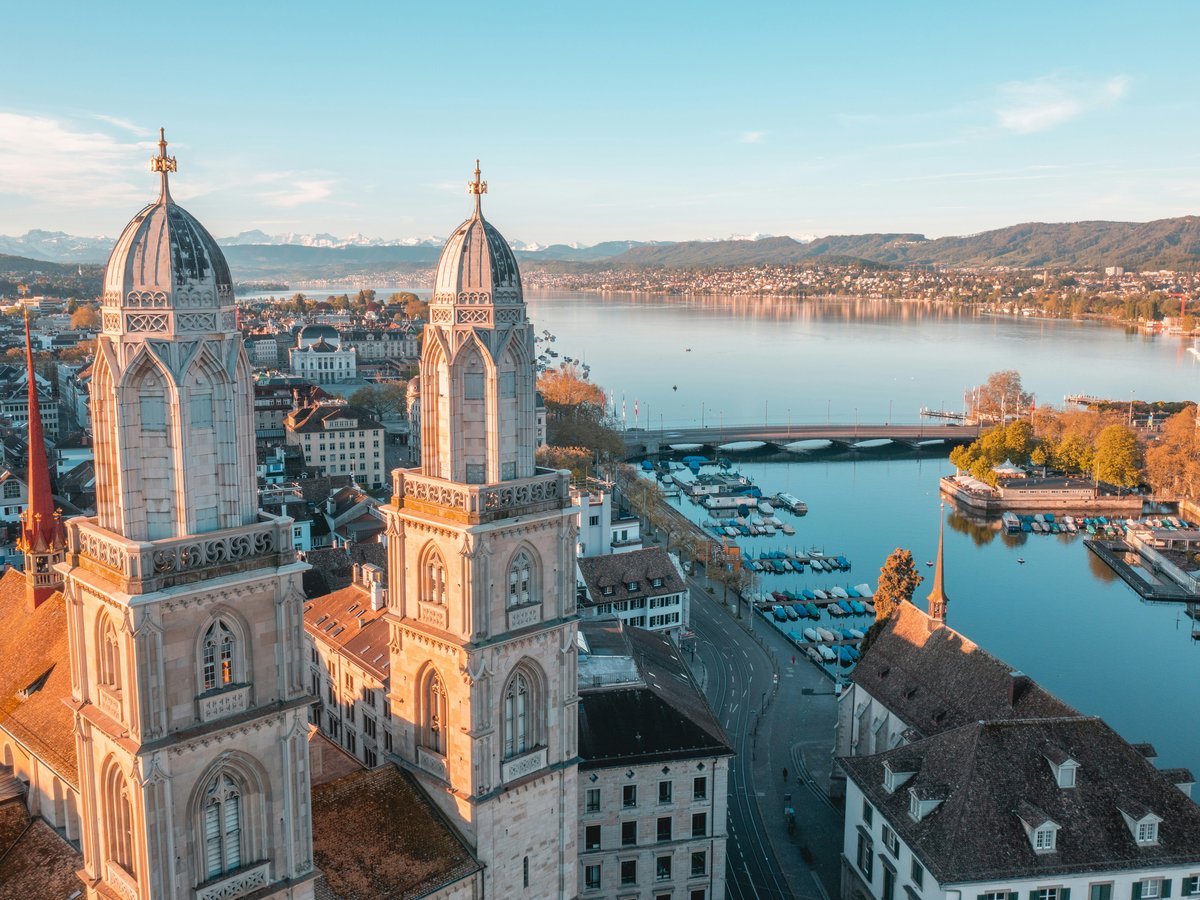
Zurich right now
Answers about Zurich
-
Airport to city
Take the S-Bahn (S2 or S16 line) from Zürich Airport (ZRH) directly to Zürich HB, the central station. The ride costs 6.80 CHF (about $8.40), takes 10 minutes, and trains depart every 7-10 minutes from roughly 5am to midnight. Taxis run 50-70 CHF for a 15-minute ride.
Read the full answer → -
Best time to visit
May through mid-June and September are Zurich's sweet spot for first-timers. Temperatures sit between 15°C and 25°C, lake swimming opens by late May, and hotel rates in Kreis 1 have not yet hit summer highs. Avoid November through February, when thick valley fog can block the sun for days.
Read the full answer → -
Cost per day
Zurich costs CHF 75-85 ($93-105) per day at the budget floor, covering a hostel dorm in Kreis 4 at CHF 38-48, Migros and Coop hot-counter meals at CHF 20-25, and a ZVV zone 110 day pass at CHF 8.80. Midrange lands near CHF 225 ($280). Luxury runs CHF 520+ ($640+).
Read the full answer → -
Cultural etiquette
Zurich runs on punctuality and quiet. Arrive on time, even to casual dinners. Say 'Grüezi' to shopkeepers before asking anything. Sunday noise laws ban vacuuming, shared laundry machines, and glass-bottle recycling. Tipping is built into restaurant prices by federal law. Cover shoulders and knees inside the city's medieval churches on the Limmat.
Read the full answer → -
Best day trips
Lucerne is the strongest single-day trip from Zurich, 45 minutes by SBB train from Zürich HB for around CHF 50 return. Rhine Falls and Stein am Rhein pair well as a second option, 38 minutes to Schaffhausen by IR. Rapperswil is the easy 35-minute lake-town choice for a quieter day.
Read the full answer → -
Digital nomads
Zurich scores 4.8/10 for digital-nomad suitability (sourced from TTDI's editorial rubric). Fibre internet reaches 1 Gbps in most apartments and coworking desks run 450-750 CHF a month, but the all-in monthly cost hits roughly $4,980. Switzerland has no digital-nomad visa, so the 90-day Schengen cap is your hard ceiling without employer sponsorship. A focused sprint city, not a long base.
Read the full answer → -
Family-friendly
Zurich scores 9.2/10 for family friendliness (see the TTDI Family-Friendliness Index). Low-floor trams handle strollers without folding, lake swimming is free, and most major museums waive entry for children. The real challenge is price, not logistics. A family lunch in Niederdorf starts around CHF 60 for four.
Read the full answer → -
Food culture
Zurich's food culture runs on dairy, precision timing, and prices that will test your resolve. Birchermüesli was invented here around 1900. The city's signature dish, Zürcher Geschnetzeltes (veal in cream sauce with rösti), costs 42-58 CHF at traditional restaurants. Lunch is the main meal. The best eating is in Kreis 4 and Kreis 5, not the tourist-heavy Niederdorf.
Read the full answer → -
Getting around
Zurich runs on trams and walking. A ZVV day pass for zone 110 costs CHF 5.40 and covers every tram, bus, and S-Bahn in the city. The Altstadt spans both banks of the Limmat and is walkable end to end in 20 minutes. Uber and taxis exist for after-midnight travel when the network stops.
Read the full answer → -
How to get there
Zurich Airport (ZRH) sits 13 km north of city center in Kloten and handles nearly all international arrivals. SWISS, Lufthansa, and Edelweiss fly direct from the US. A 12-minute S-Bahn ride at CHF 6.80 connects ZRH to Zürich Hauptbahnhof. From elsewhere in Europe, high-speed rail from Paris, Frankfurt, and Milan often beats flying on total door-to-door time.
Read the full answer → -
Is it safe?
Zurich scores 8.8 out of 10 for solo-traveler safety (see the TTDI Solo-Safety Index). Violent crime against visitors is nearly nonexistent. The real threat is your budget, not your person. At 1 USD to 0.8102 CHF, a solo dinner in Kreis 1 runs CHF 35-55 before drinks. Pickpocketing around Zürich Hauptbahnhof is the only street-level concern worth naming.
Read the full answer → -
Language basics
Swiss German (Züridütsch) is the spoken language in Zurich, with standard High German (Hochdeutsch) on menus, signs, and official documents. Switzerland places in the EF English Proficiency Index's "very high" band, and most service workers in tourist zones speak functional English. The critical greeting is "Grüezi," not the standard German "Guten Tag." Using "Merci" instead of "Danke" signals you've done your homework.
Read the full answer → -
Layover guide
Zurich Airport is a 10-13 minute S-Bahn ride from the city center, making five hours the realistic floor for leaving the airport. That accounts for immigration, the train both ways, and a 90-minute security buffer on return. Grossmünster, Fraumünster, and the National Museum all sit within walking distance of Zürich HB.
Read the full answer → -
Where locals go
Kreis 4 around Langstrasse and Idaplatz, Kreis 5 from Josefwiese to Im Viadukt, and the free Flussbad Letten along the Limmat. Zurich's locals-only filter is price, not geography. A CHF 7 beer at Raygrodski on a Tuesday keeps the weekend crowd away. Bäckeranlage park after 6pm in summer is where Kreis 4 residents spend their evenings, not Bahnhofstrasse.
Read the full answer → -
Must-see
Fraumünster on Münsterhof square. Marc Chagall installed five stained-glass windows here in 1970, and they exist in no other building on earth. The nave is so narrow the blue and green light lands on your skin. A few francs to enter, no reservation. Go first thing in the morning.
Read the full answer → -
Solo travel
Zurich is a 9/10 for solo travel. The transit network runs until 4am on weekends, English works everywhere, and the Badi lake-swimming spots are the city's built-in social infrastructure from June through September. Safety rarely crosses your mind. Cost will. Zurich is among Europe's priciest solo destinations, but compact walkability and single-ticket transit mean you save time even when you can't save money.
Read the full answer → -
This week
Zurich's week follows a strict Swiss rhythm. Monday closes Kunsthaus Zürich and the National Museum. Tuesday and Friday mornings bring the Bürkliplatz farmers' market from 6am to 11am. Wednesday and Thursday evenings belong to the Langstrasse bar corridor. Sunday shuts nearly every shop by federal law, except grocery stores inside Hauptbahnhof. Daytime temperatures currently sit above 32°C.
Read the full answer → -
3-day itinerary
Day 1 covers both banks of the Limmat on foot, from Lindenhof to Fraumünster's Chagall windows and Grossmünster's tower. Day 2 pairs National Museum Zurich with Kunsthaus Zürich and a lake cruise from Bürkliplatz. Day 3 takes the S10 up to Uetliberg, then Museum Rietberg in Enge. About 22 km total walking across three days.
Read the full answer → -
What to avoid
Skip Bahnhofstrasse luxury window-shopping, tourist-priced Niederdorfstrasse restaurants, and the 4-hour full lake cruise. Ask for 'Hahnenwasser' (free tap water) instead of letting waiters bring bottled. Buy a ZVV Tageskarte instead of single tram tickets. Sunday closures shut nearly every shop. Zurich's traps are price traps, not safety traps.
Read the full answer → -
What to pack
Pack a Swiss Type J adapter (Euro plugs do not fit all Swiss outlets), broken-in walking shoes for Niederdorf's cobblestones, and a packable rain shell. Zurich summers reach 33°C but afternoon thunderstorms arrive without warning. Bring toiletries and sunscreen from home. Swiss pharmacy prices run 2-3 times higher than North American retail. Swimwear earns its luggage space June through September for Zurich's badi culture.
Read the full answer → -
Where to stay
Altstadt (Kreis 1) for a first visit. You're walking distance from Zurich HB, the Limmat riverfront, and both Grossmünster and Fraumünster. Budget CHF 220-320 per night for a mid-range hotel. Seefeld (Kreis 8) works if you want lakeside quiet at similar prices. Kreis 4 near Langstrasse runs under CHF 180 and has the best restaurant density outside the center.
Read the full answer →
Deep guides for Zurich
-
Best Time to Visit Zurich, by Season
Zurich's average highs swing from 4.6°C in January to 24.6°C in July, a 20-degree range that reshapes the city every season. Here is when to book, month by month, for every kind of traveller.
Read the guide → -
Zurich Restaurants: What's Worth It
Twelve rooms between the Limmat and the lake, split into five worth booking ahead and five that feed the city on a Tuesday. Each gets a named verdict with real hours, real phone numbers, and the honest local read.
Read the guide →
Curated lists for Zurich
accommodation
-
Best boutique hotels
Zurich spreads its hotels across a compact rail network that makes neighborhood choice less about commute and more about character. The Altstadt stacks rooms above medieval lanes on both banks of the Limmat, while Kreis 4 and District 5 trade cobblestones for bar noise and converted warehouses within walking distance of Hauptbahnhof. Farther out, Kreis 11 around Oerlikon serves the convention circuit, and Seebach pushes close enough to the airport for an early departure without the terminal markup. Zürich West fills old factory halls with design hotels, Altstetten anchors the western S-Bahn corridor, and suburban Altburg near Regensdorf drops rates below what the center charges for the same chain tier. The mid-range bracket dominates across all ten neighborhoods, with ratings clustering between 8.2 and 9.1 and nightly prices running from $124 to $186. Zurich is not a city where budget beds are easy to find; the floor sits higher than most European capitals, and the savings come from picking the right district rather than the right deal.
See the picks → -
Best luxury hotels
Zurich's luxury hotels do not scatter across a sprawling metro. Most of the properties on this list share a postal code and a zone, which means the choice between them comes down to what lives behind the front door, not which neighborhood to book. Guest ratings on Trip.com run high enough across this set that the score alone will not make the decision; the differences between properties are differences of character, not of quality floor. Nightly rates tell the wider story, with a wide gap between the most accessible entry and the most expensive. This list covers 12 properties. Every factual claim below is grounded in a verified source, and every opinion is editorial.
See the picks → -
Where to stay
Zurich sorts itself by water and rail. The Limmat cuts the old town in half, trams fan out from Hauptbahnhof toward the lake and the airport, and the neighborhoods between those lines set the price. Altstadt commands the highest rates and the shortest walks to everything visitors came for: the Bahnhofstrasse shops, the Grossmünster towers, the Limmat quays. Move west into the former industrial quarters and nightly rates drop by half without losing tram access. Move north toward Oerlikon or the airport zone and the savings grow, but so does the commute. The ten neighborhoods below run from the tourist core outward, each one defined less by postcard charm than by what sits within a short walk of the hotel door: lakefront promenades or tram depots, cocktail bars or airport shuttle stops. Zurich is compact enough that even the outermost picks reach Hauptbahnhof by S-Bahn in a quick ride, so the real question is not distance but tempo: how early the cafes open, how late the streets stay loud, and what you see from the window.
See the picks →
attractions
-
Best free attractions
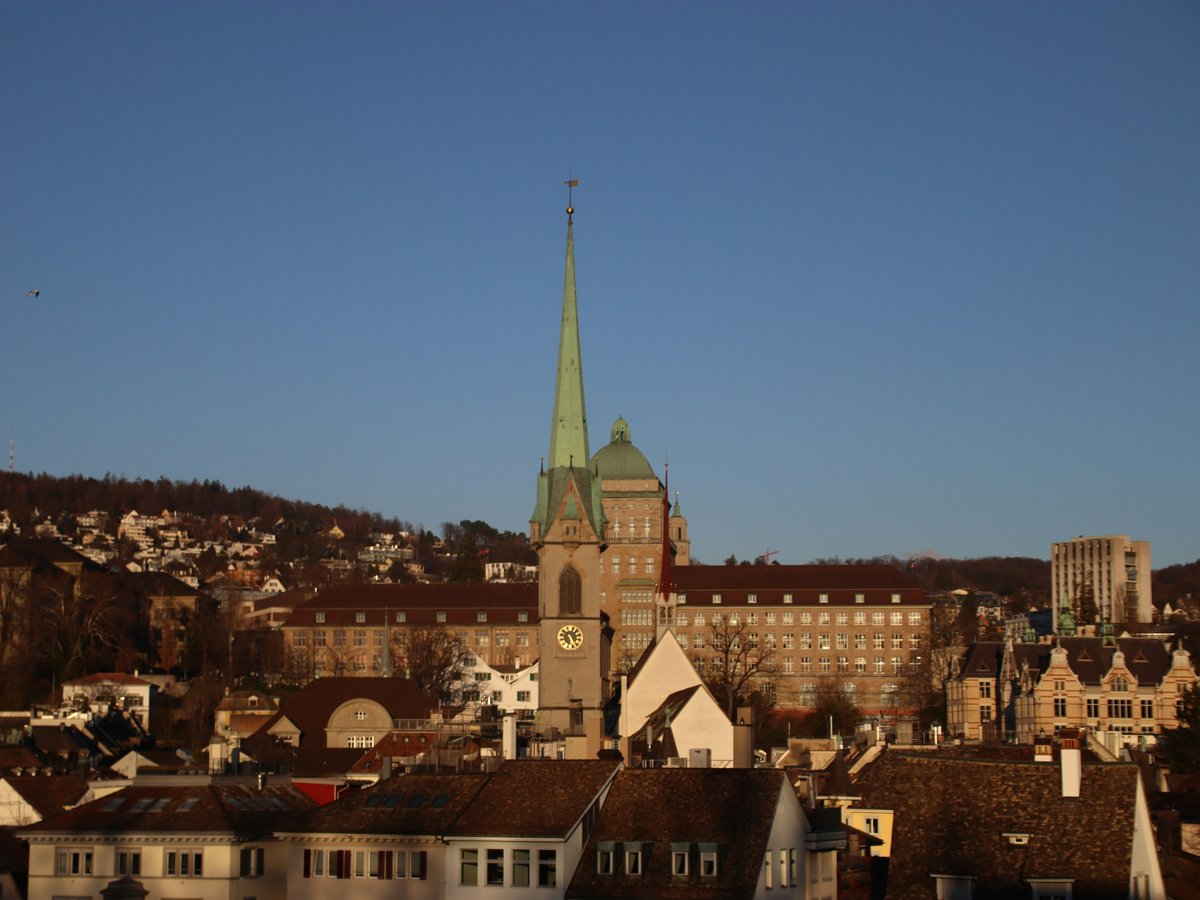
Zurich's free layer is mostly outdoors and mostly civic: a handful of squares laid over the medieval street grid, a river bank that widens into a lake, and a scatter of parks and gardens that the city treats as extensions of its living room. What follows is twelve of them, ranked for how much of the city they explain: a hilltop where the Roman fort became a public square, a botanical garden the university outgrew, the park where the two rivers meet, and the platz whose name every Zurich banker still uses as shorthand. None of them charge admission, most of them reward an unhurried hour, and together they map the city better than any single museum ticket would. Bring a coffee, a tram pass, and comfortable shoes; the whole list fits inside a long afternoon if you want it to, or a slow week if you don't.
See the picks → -
Best museums
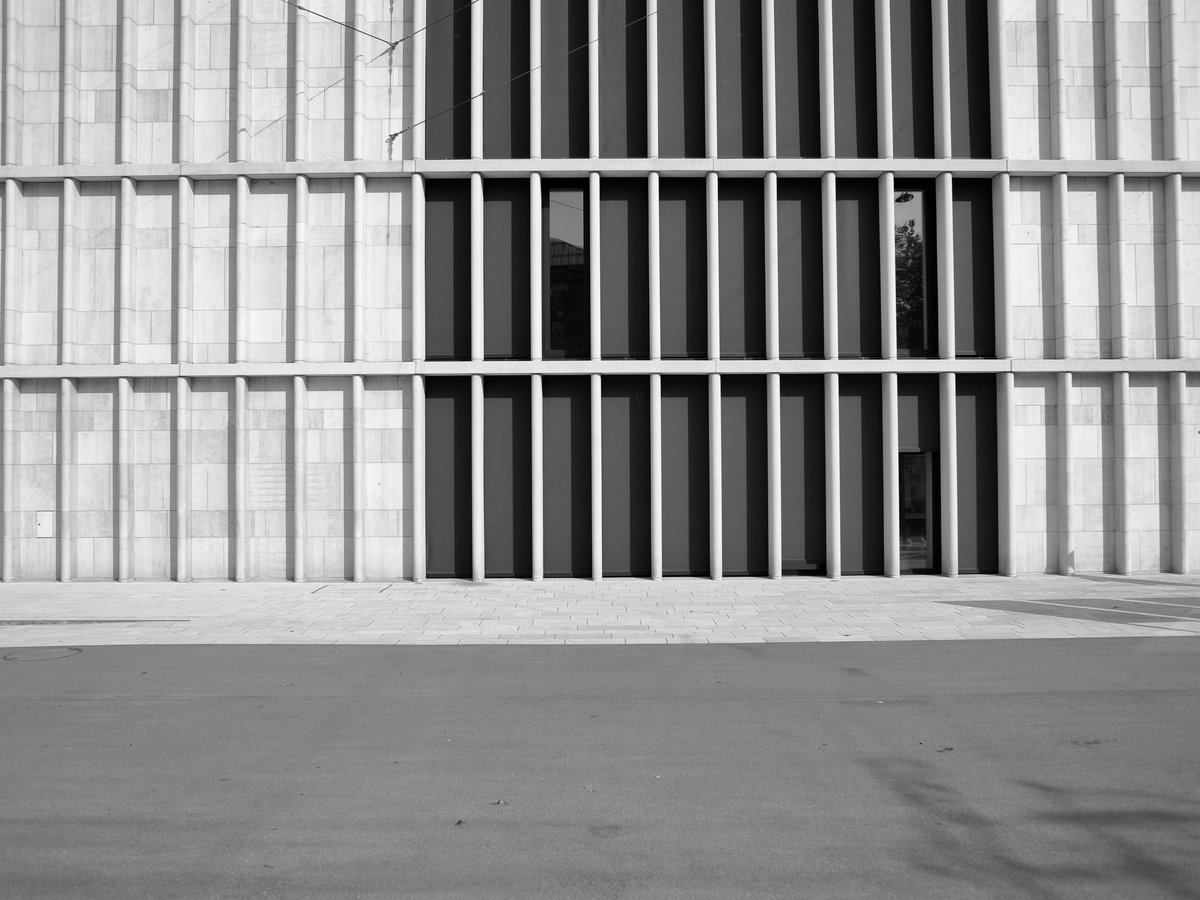
Zurich's museum map is denser than the city's compact old town suggests, and it rewards visitors who resist the impulse to spend the whole day on one bank of the Limmat. The heavyweight art collections cluster near Heimplatz and along the lake, the national-history holdings anchor the far end of the main station, and a scatter of university museums, design galleries, and small church-museums fills the gaps between. What ties them together is not a single institutional style but a shared seriousness about their material: these are places built to hold objects well, light them properly, and let you spend as long as you want in front of them. The list below runs from the largest civic art house to the university's small teaching collections, and it is arranged for a visitor who wants to see what Zurich values, not just what its tour buses stop at. Skip the reflexive one-stop museum day; the city rewards two or three sharp visits far more than a marathon. Every address, coordinate, and website below traces back to the Wikidata record for that venue, cited inline so you can verify before you go.
See the picks → -
Must-see attractions
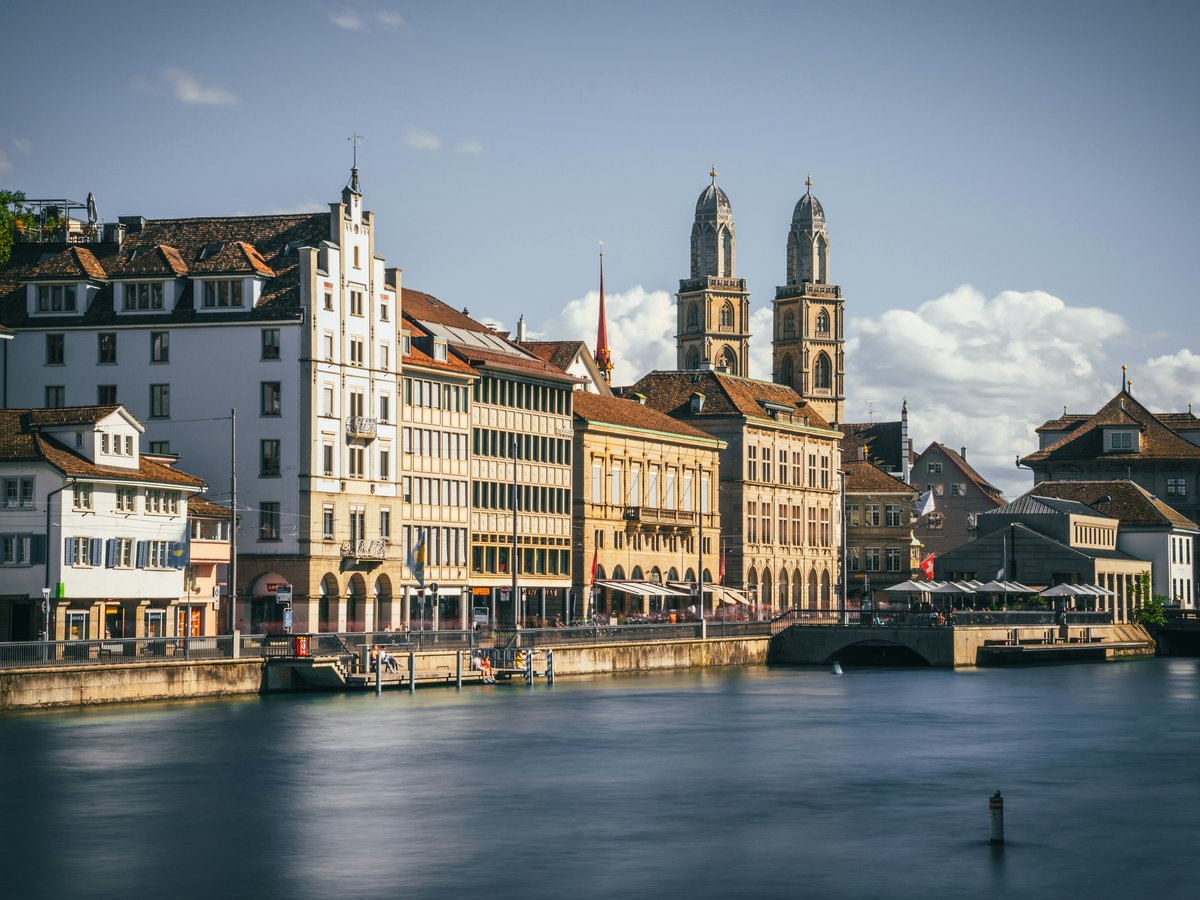
Zurich's essential sights are mostly stone and mostly sacred, and this list keeps to that. Eight of the twelve places are houses of worship, ranging from the Fraumünster, whose record goes back to AD 853, to a Synagoge dating from 1884. The other four are civic: an opera house dating from 1965, a public school dating from 1842, and two Zunfthaus buildings, one on Limmatquai and one on Münsterhof. Six carry the Class A listing for Swiss cultural property of national significance; the rest are Class B, of regional significance, and that grade is no reason to pass them by. Most sit in the 8001 postal area, which makes a slow day of it easy. This list is for a visitor who would rather spend an hour reading one building properly than queue for a viewpoint. Where we have opening hours from the source records, we include them; where we don't, check the venue's own website before you walk over.
See the picks →
food
-
Best cafes
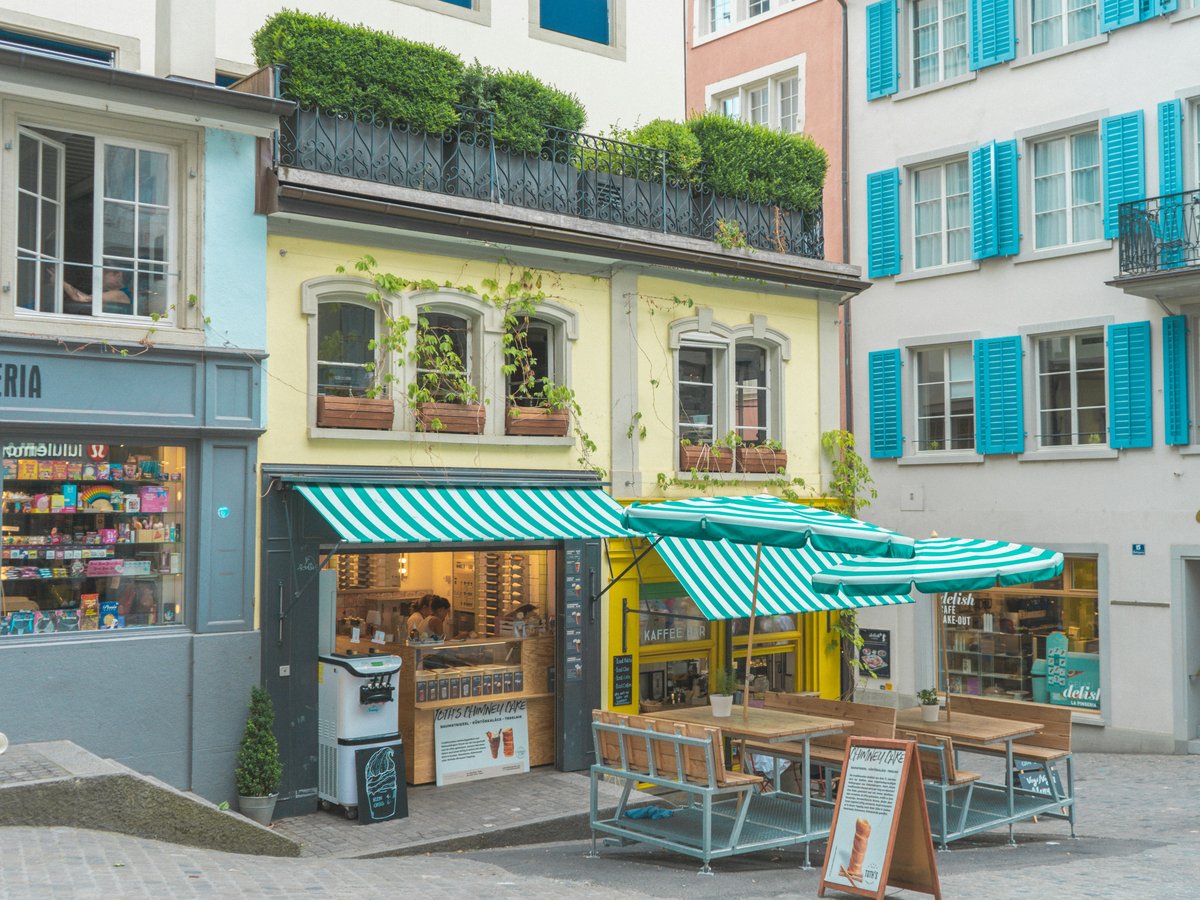
Zurich's cafe scene rewards patience over hype. The city's coffee culture runs on two tracks: the old Konditorei tradition, where cake counters glow behind glass and the same families have been folding butter into pastry for generations, and a quieter modern wave of specialty roasters who treat espresso the way Zurich treats watches; as a matter of tolerance and calibration. This list moves between them. It sends you to a Napfgasse pastry counter that has been open since long before anyone in Zurich talked about third-wave anything, to a Japanese-inflected room on Bärengasse, to a working-day roaster on Selnaustrasse that shuts at the weekend because its customers do too. The addresses are spread across the Altstadt, Kreis 4, Kreis 5 and Wipkingen; nothing here is chosen for scarcity or novelty. What these twelve places share is that they earn a return visit: an hour, not a photograph. Bring cash for the small ones and a book for the long ones.
See the picks → -
Best restaurants
Zurich eats better than its reputation suggests. The old cliché (that Switzerland's largest city is all banking, no palate) collapses the moment you walk five minutes off Bahnhofstrasse and start opening doors. What you find is a compact, walkable restaurant map wedged between the Limmat and the lake: sushi counters on Stampfenbachstrasse, a hotpot canteen on Limmatquai, a Valais chalet room hidden a block from the shopping mile, and the small Italian dining rooms that have quietly outlasted every trend cycle. The twelve places below are chosen for one reason: at this address, on this street, something specific happens that a visitor with one dinner in Zurich should know about. They span sushi, hotpot, Italian, Valais, Japanese, international bistro, Neapolitan pizza, pan-Asian bar food, Levantine, and Vietnamese: the working range of a city that quietly feeds a lot of very particular people. Prices in Zurich are what they are; assume Swiss, plan accordingly, and drink the tap water, which is excellent. Hours below are current; addresses are exact.
See the picks →
Browse by traveler type
Book experiences in Zurich
 Free cancellation
 Mount Titlis and Lucerne Day Trip from Zurich
Day trip: 10 hours, free cancellation.
via Viator Free cancellation
 Jungfraujoch: Top of Europe Day Trip from Zurich
Day trip: 11.5 hours, free cancellation.
via Viator Free cancellation
 Jungfraujoch Day Trip from Zurich: Swiss Alps & Bernese Oberland
Day trip: 12 hours, free cancellation.
via Viator
Zurich Walking Tour With Cruise and Aerial Cable Car
Day trip: 6 hours.
via Viator Free cancellation
 Zurich Old Town Walking Tour
City tour: 2 hours, free cancellation.
via Viator Free cancellation
 Zurich Grindelwald, Lauterbrunnen Lungern Interlaken Semi Private
Day trip: 10 hours, free cancellation.
via Viator
3 in 1: Zurich Walking Tour - Cruise on the Lake - Cable Car Ride to Felsenegg
Day trip: 6 hours.
via Viator Free cancellation
 Private, excellent guided tour of Zurich (from CHF 21/pers.)
City tour: free cancellation.
via Viator Free cancellation
 Glacier Express and Swiss Alps and Lucerne Tour From Zurich
Day trip: 10 hours, free cancellation.
via Viator Free cancellation
 Zurich Private Customizable Guided Walking Tour
City tour: 2 hours, free cancellation.
via Viator Free cancellation
 Mt Titlis Glacier Paradise Tour from Zurich With Lucerne
Day trip: 9 hours, free cancellation.
via Viator Free cancellation
 eTukTuk Private Tour - Best of Zürich
City tour: 1.5 hours, free cancellation.
via ViatorBrowse by interest
Find a flight to Zurich
Live fares to Zurich appear here once cookies are accepted.
Last verified by automated review (v1.7.2) on . What is automated review?